
Imported Seafood Industry Suffering from COVID-19 Outbreak Rumors in China
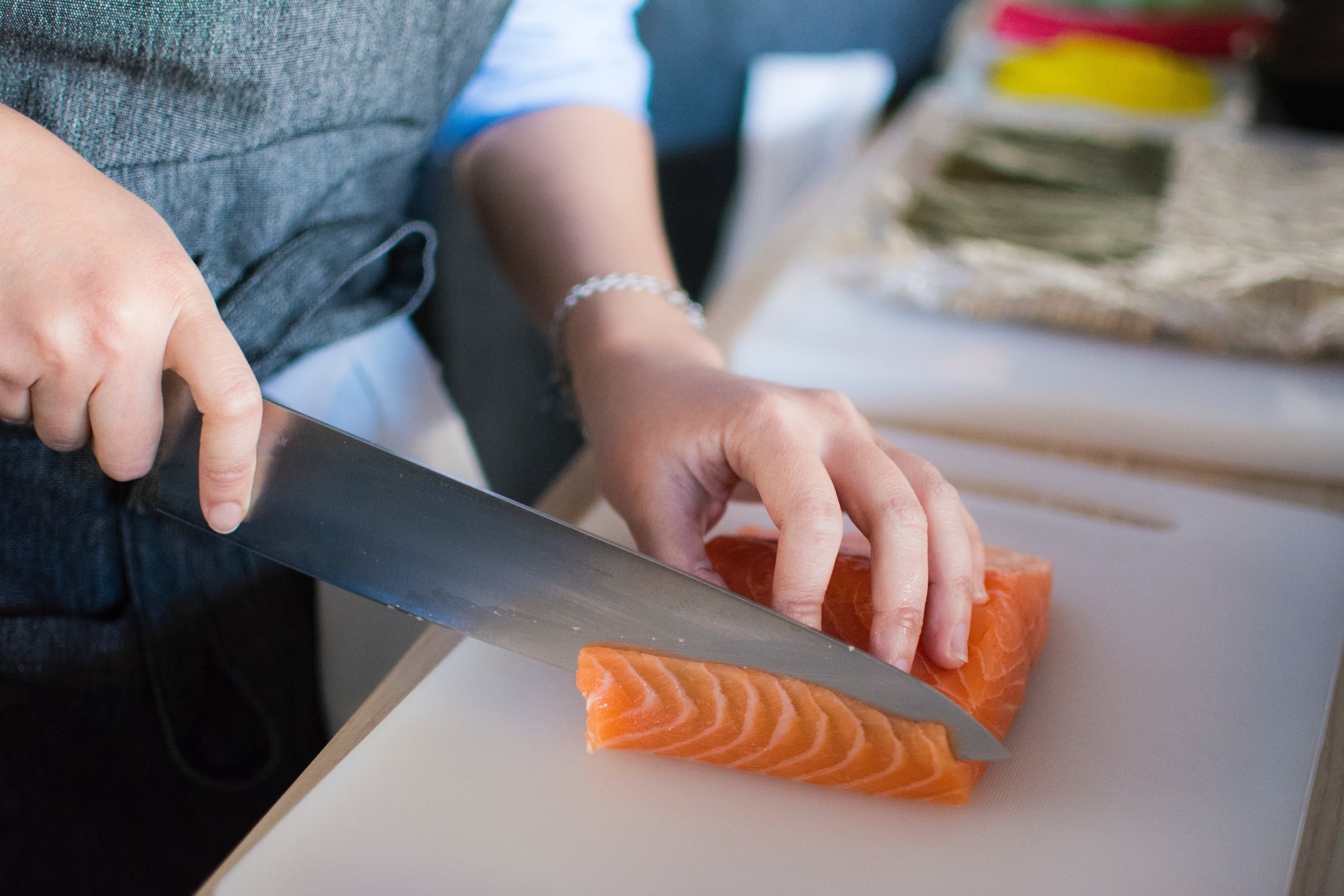
China has begun to halt shipments of salmon from Europe after it was alleged that the industry was linked to a new COVID-19 outbreak in Beijing. Shipments were immediately halted once the virus was discovered on fish chopping boards in Beijing’s Xinfadi market, which is considered the central location of newly reported COVID-19 infections.
According to a European Commission representative, there are no plans for an official band or import restriction. However, seafood traders confirmed Beijing has halted imports of all fresh seafood products. All across China, salmon as well as other imported seafood products have been removed from supermarket shelves. This will likely be the case until the proper authorities conclude their testing for traces of the virus in imports.
China has halted shipments of salmon from Europe after it was incorrectly linked to a new coronavirus outbreak in Beijing. The fear surrounding salmon products in China has been trending for quite some time now, with sales on imported seafood products plummeting across the country. This hesitancy has been heightened ever since Chinese medical experts posted warnings regarding salmon, and why the Chinese public should avoid consuming it.
“We have yet to find out whether human beings transmitted the virus to salmon, or salmon contracted the virus first,” commented Zeng Guang, a senior expert with the National Health Commission. He continued by warning Beijing citizens to avoid eating raw salmon and purchasing imported seafood products of any kind. According to Chinese epidemiologists, the COVID-19 virus can survive on the surface of frozen food for approximately three months, and that they are highly suspicious of imported goods, blaming it for the infusion of COVID-19 cases in recent weeks. This is not to say that both Europe and The United States aren’t fighting back against this point of the finger. They are claiming that the blaming of imported goods is misinformation being spread rampantly across China at a whirlwind pace. “It is likely that a worker was the source of contamination,” the National Fisheries Institute said in their press release. “Do not be misled by sensational reports. The facts are clear.”
At the present time, there seems to be a great deal of confusion regarding the influx of coronavirus cases in China, and some claim placing the blame on imported goods to be an easy, and convenient cover for a national problem that is considerably complex by nature. “We currently have no evidence to suggest that salmon is the host or intermediate host of the coronavirus. In the contaminated area of Xinfadi Market related to this new outbreak, there is indeed a salmon product found to be contaminated in the coronavirus test. But no virus has been detected on the salmon product that has not yet entered the contaminated area,” said Shi Guoqing, deputy director of the CDC’s emergency response center.
Obviously, there is much left to be revealed as to what is causing this spike in cases. For now, the Chinese public will likely lean on the side of caution and continue to refrain from purchasing imported seafood products, continuing the industry’s suffering.