
Blog Topic
52 articles

If you’re looking for new opportunities to build revenue and refine your processes, AI and software are a strategic way to do it. The future and potential for growth with the help of food ERPs and related AI-based platforms is exponential – and will be the factor that can drive your business to be an industry leader over the next several years.

The future of food and beverage manufacturing is taking shape right before our eyes, and we’re seeing just how large AI’s role is becoming in 2022 (and beyond!)

America’s favorite marshmallow cereal has come under fire in the first few weeks of April 2022 for allegedly making people ill after the consumption of just one bowl. The FDA is currently in the investigative stages of the recall process. However, this instance points to a broader concern in the food and beverage manufacturing industry: compromisation and recalls can happen to anyone, and few companies have adequate traceability and recall measures in place. Below, we’re discussing the true-to-l

Food and beverage manufacturers face a unique set of circumstances as they enter the digital age. While it can be tempting to rely on manual methods for tracking, processing, and operations tasks, doing so can limit your growth in the long run. Moving into more streamlined, digital methods offers a variety of benefits to business owners across the industry. Below, we’re covering possible areas of business that you can consider for digital implementation, and offering insight into the benefits th

After months of customer study and R & D, the time has come to launch your product. You’re probably feeling excited, prepared, and more than a little nervous. After all, a certain amount of variables must be left to chance in a launch, making many small business owners far more careful and mindful of the risk. We have a question for you, though, what if we told you that it doesn’t have to be that way? There are ways to future-proof your infrastructure to help to guarantee a successful launc

Cloud-based ERP solutions are designed to bring your business to its next level of success by providing you with a streamlined, centralized way of managing your production operation from source to plate. When evaluating your potential software options, there are several vital things to be aware of to ensure that you get the most possible out of your investment. This article discusses the six essential features of a full-spectrum food ERP, and the benefits you can expect from each.
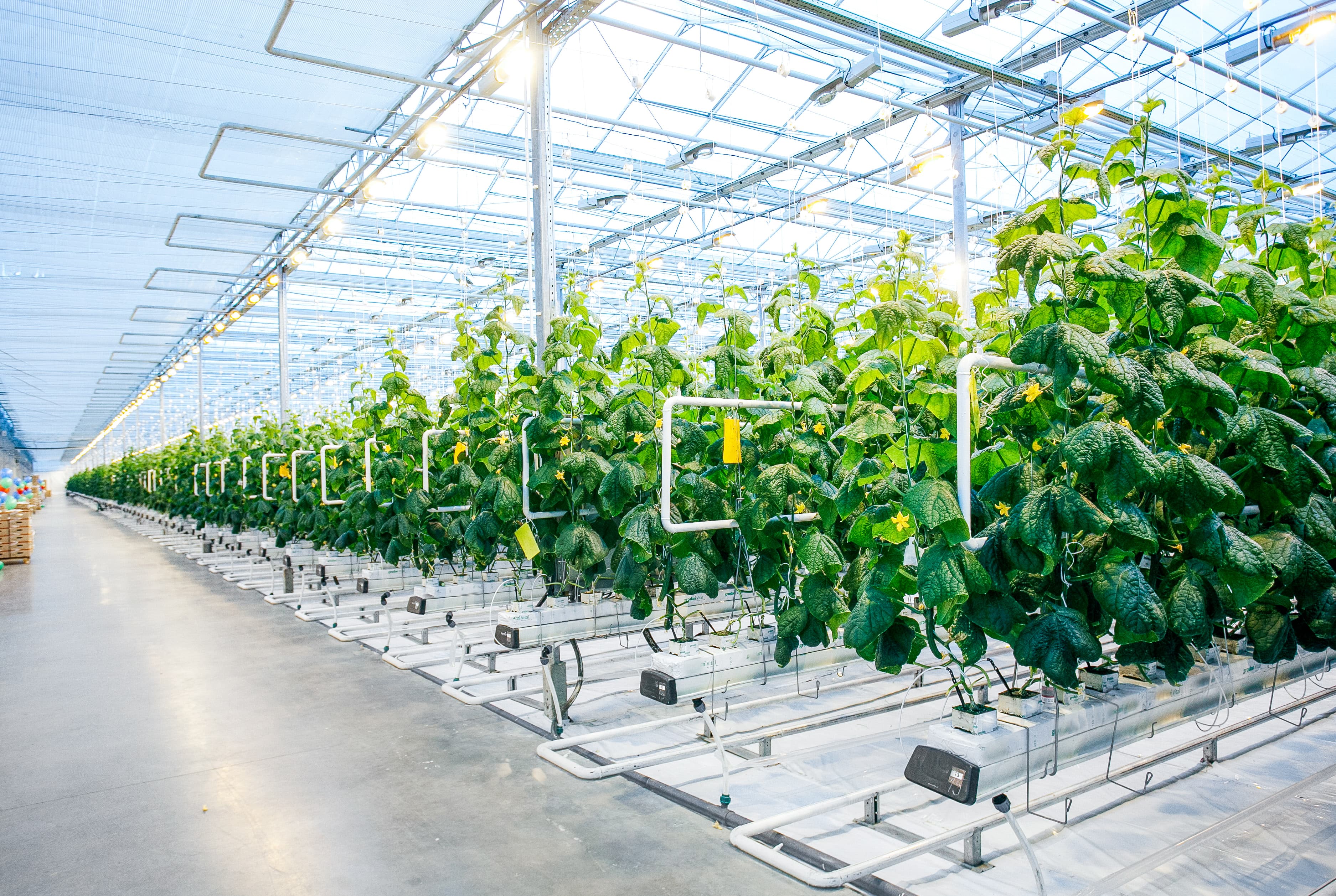
Field and Greenhouse Management:

For Produce businesses market dominance is the end game. This might entail specific objectives like boosting profitability or expanding your product lines, but the aim at the end of the day is to adhere to standards and make money.

The Seafood Industry is a field where a lot of activities happen side by side simultaneously and every activity demands utmost care and planning. Starting from procuring seafood right up to the customer’s plate each step needs to be scrutinized and monitored in real-time for attaining customer satisfaction. To make this process effective and seamless, an effective seafood ERP system needs to be leveraged upon.

The coronavirus pandemic is an unprecedented event that occurred in the year 2019, putting global supply chains (SCs) into the focus of a wider public. The main concern for food warehouse managers was the well-being and safety of employees. After observing the effects of a global shutdown, food warehouse managers have proven themselves resilient in the face of disruption. They have learned how to effectively adjust workflows to ensure safety and manage an influx in online consumer demand. Proact

A recipe management system is software diligence that manages the complex relationships and processes related to production recipes. They store the recipes, enable food and beverage recipe modification, generate data required for production records, and even furnish the power to launch tasks and processes accordingly.
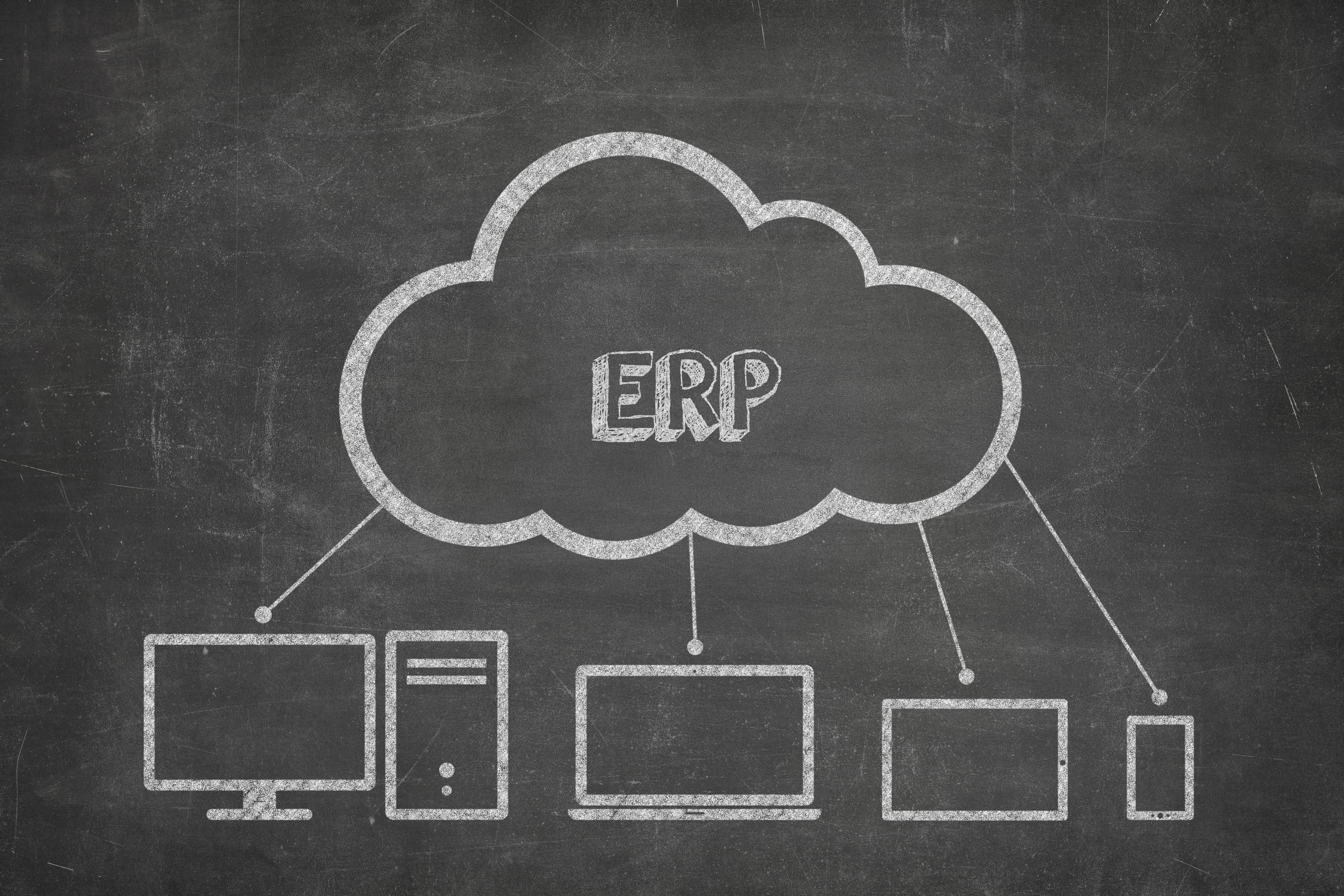
Technology has evolved exponentially, witnessing game-changing innovations with each passing day. To speak volumes of this from the first ERP system created in 1972 to the introduction of the earliest versions of cloud computing-based ERP system in 1998, ERP-based technology constantly evolves with newer, innovative structures and processes. This growth across industries has led to the popularity of cloud ERP, which is what makes it the next big thing. So, one may wonder, what exactly is cloud-b