
Blog Topic
6 articles
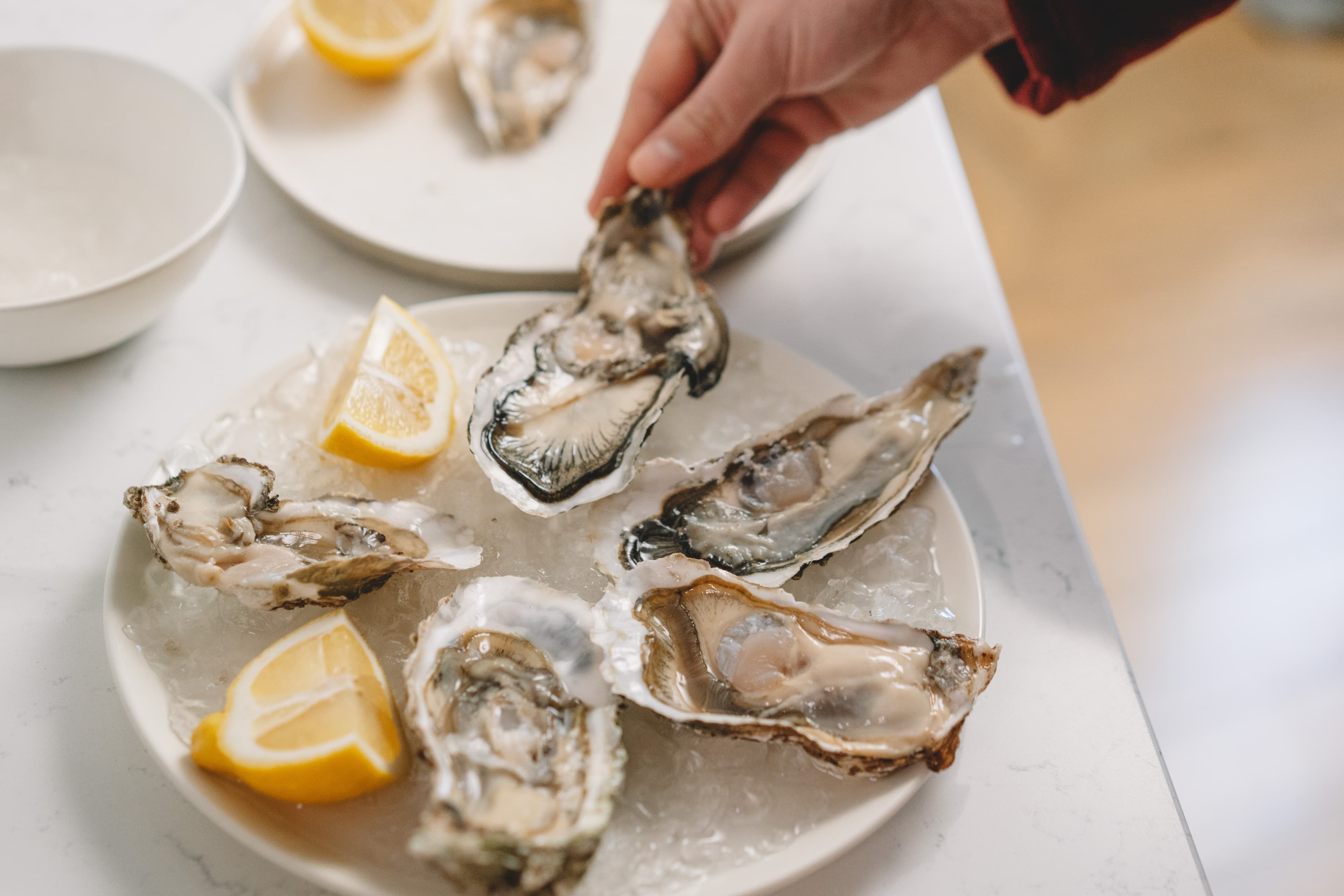
One of the hottest debates in the seafood industry around the world has been about seafood consumption during the summer season. Owing to factors such as freshness and quality control, not all seafood is sustainable to consume in the scorching heat.
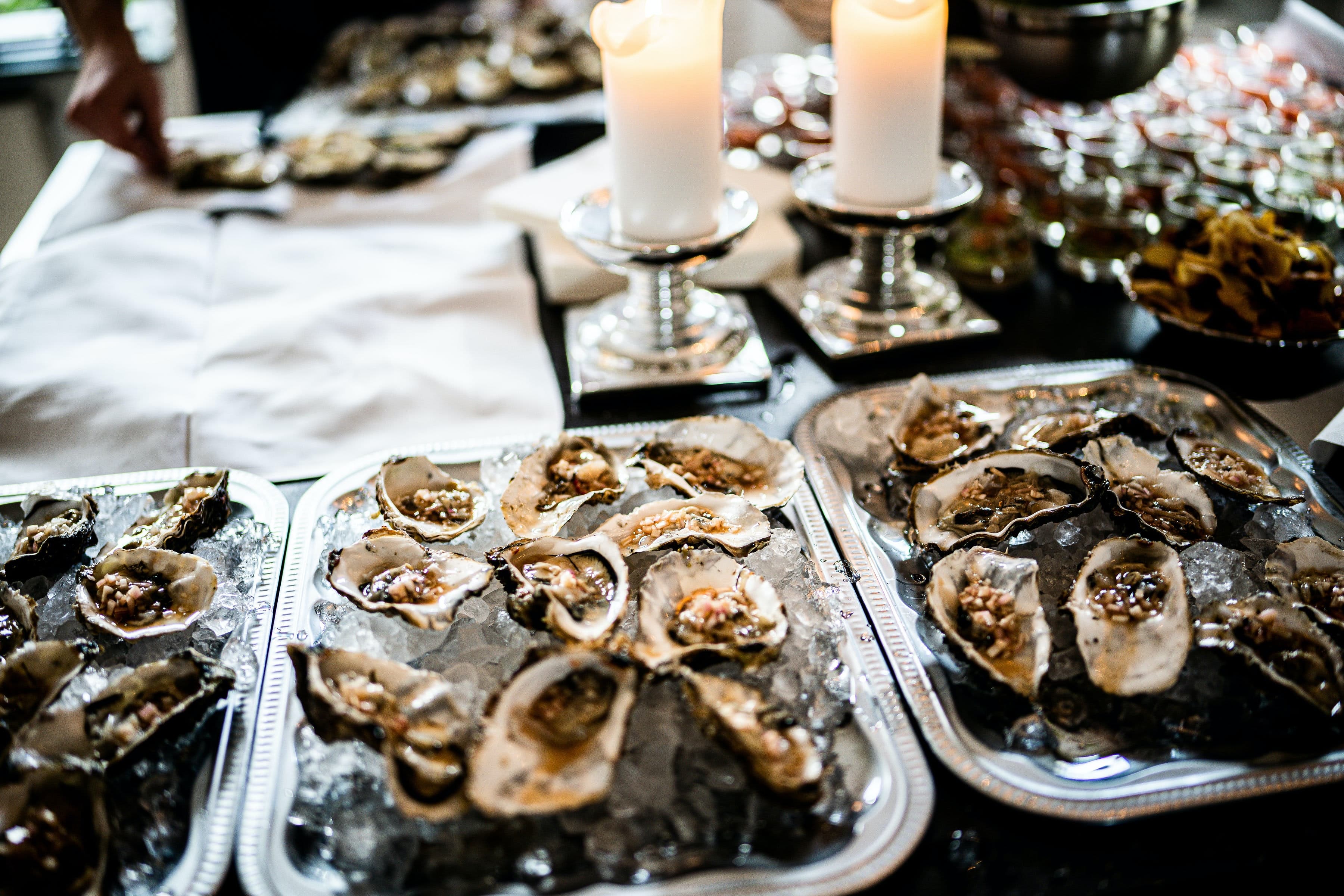
In the quest for quality food served at the consumer's plate, one of the trends that have swept across the seafood processing industry is Quality Control (QC). In hindsight, Quality Control is a process through which seafood processors seek to improve food quality.
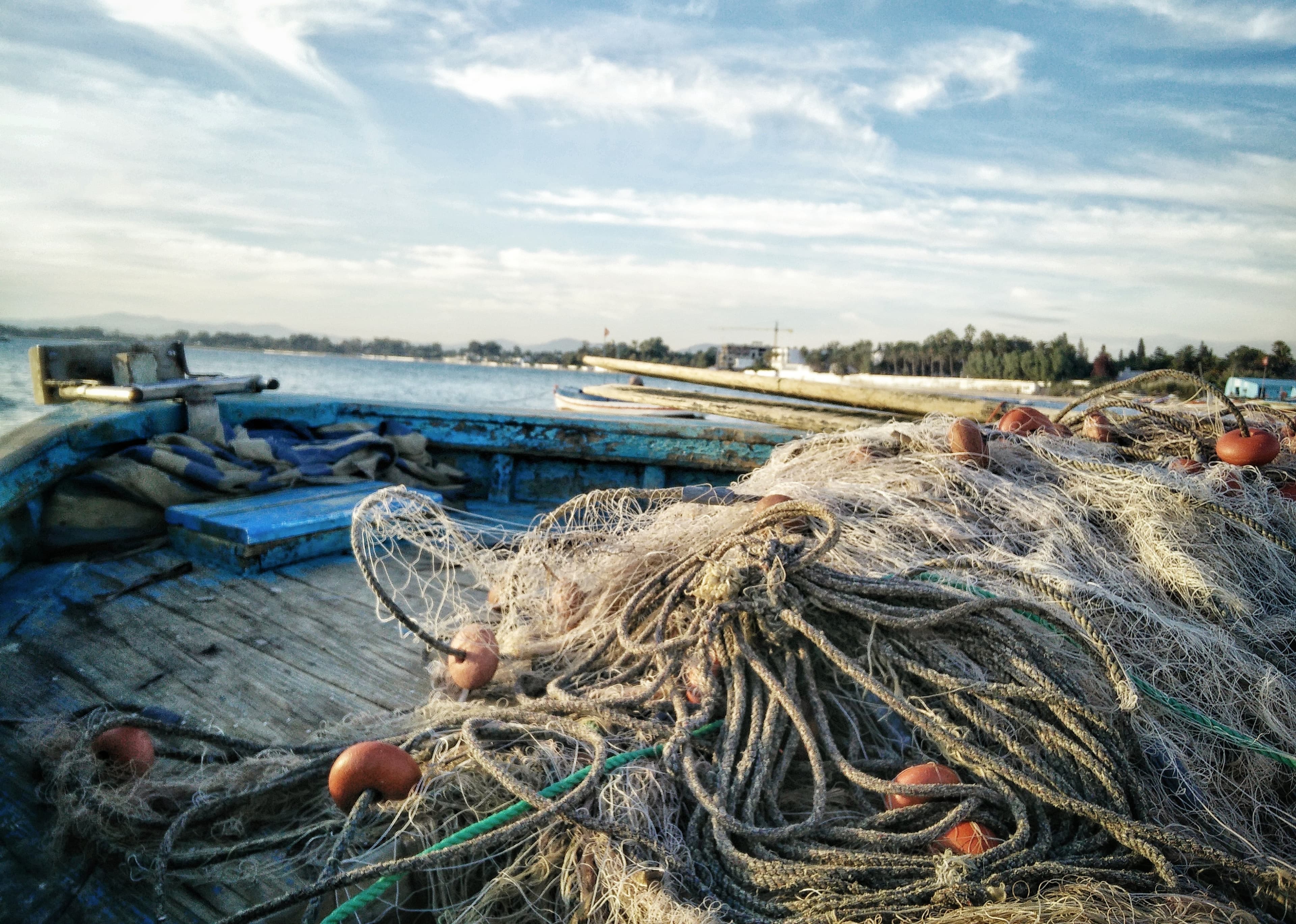
One of the upcoming trends in the world of food ERP is the phenomenon of Catchweight. Catchweight in Lehman’s language is defined as “approximate weight” used by food manufacturers and distributors to manage products where an individual item’s actual weight varies from the standard (quoted) weight.
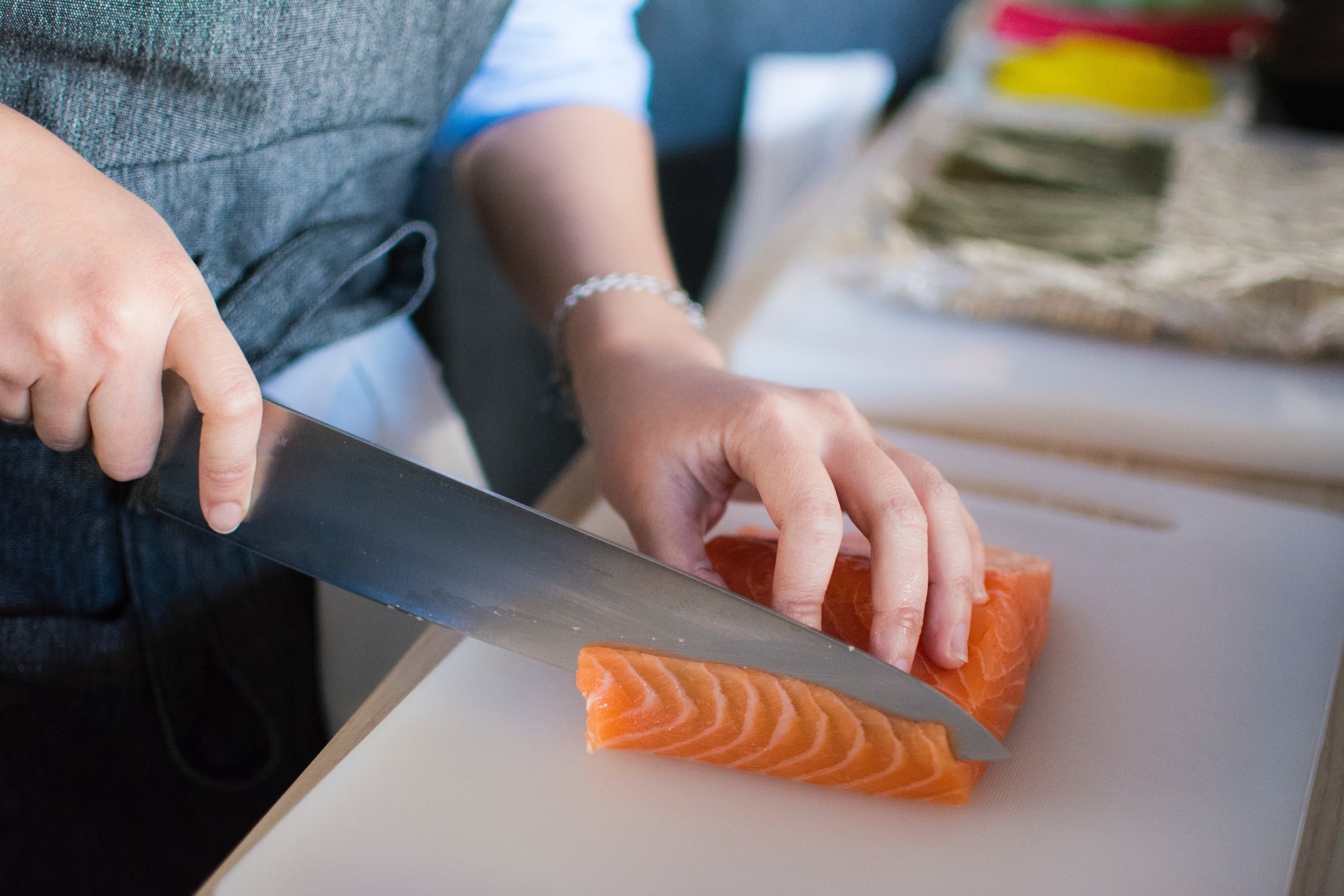
China has begun to halt shipments of salmon from Europe after it was alleged that the industry was linked to a new COVID-19 outbreak in Beijing. Shipments were immediately halted once the virus was discovered on fish chopping boards in Beijing’s Xinfadi market, which is considered the central location of newly reported COVID-19 infections.
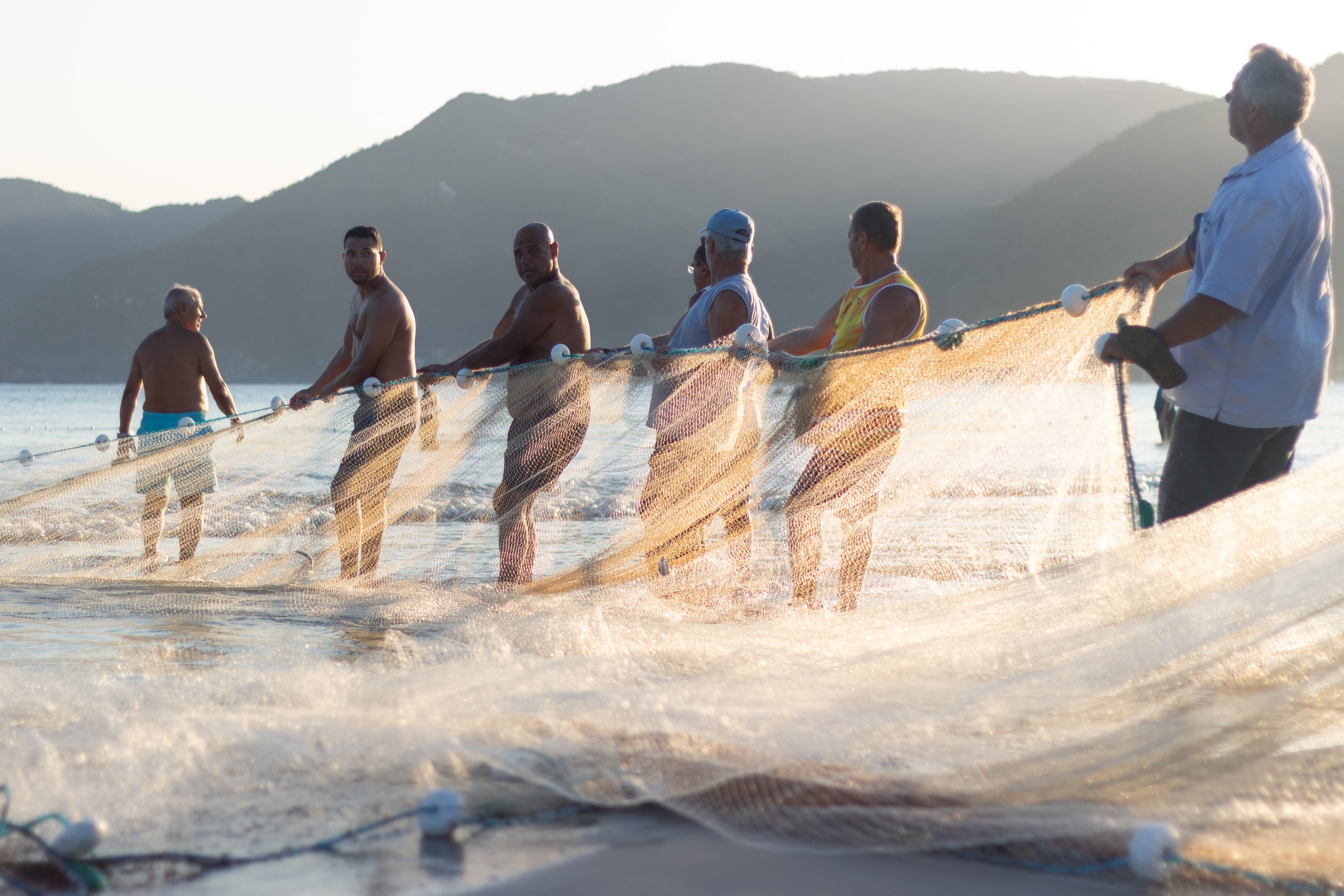
Illegal, unreported and unregulated (IUU) fishing has, along with the current pandemic, are doubling down on the hardships being faced by fishermen in this day and age. While the strict food regulations laid down in the wake of COVID-19 are certainly a point of frustration, they can be deemed necessary for the meanwhile.
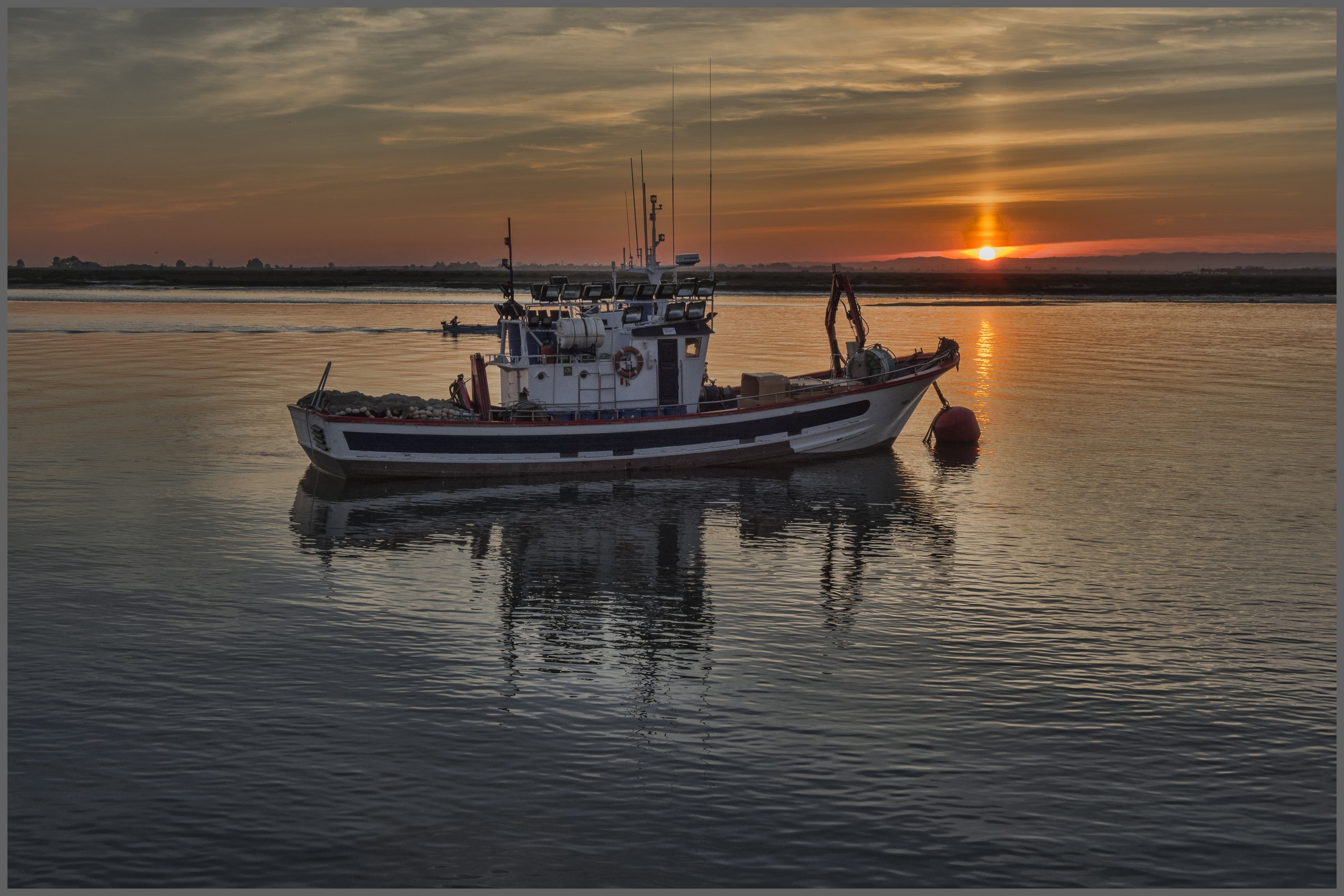
As we’ve already seen in the meat industry within the United States, the seafood industry is now also wary of the possibility of a COVID-19 outbreak specifically in the Pacific Northwest region. In response, seafood traders, processors, and catchers in the Pacific Northwest have drafted rigorous plans to ward off the similar spreading of COVID-19. This task is a lot easier said than done when you consider the closeness in proximity processors work within their workstations. As the summer season