
Blog Topic
23 articles
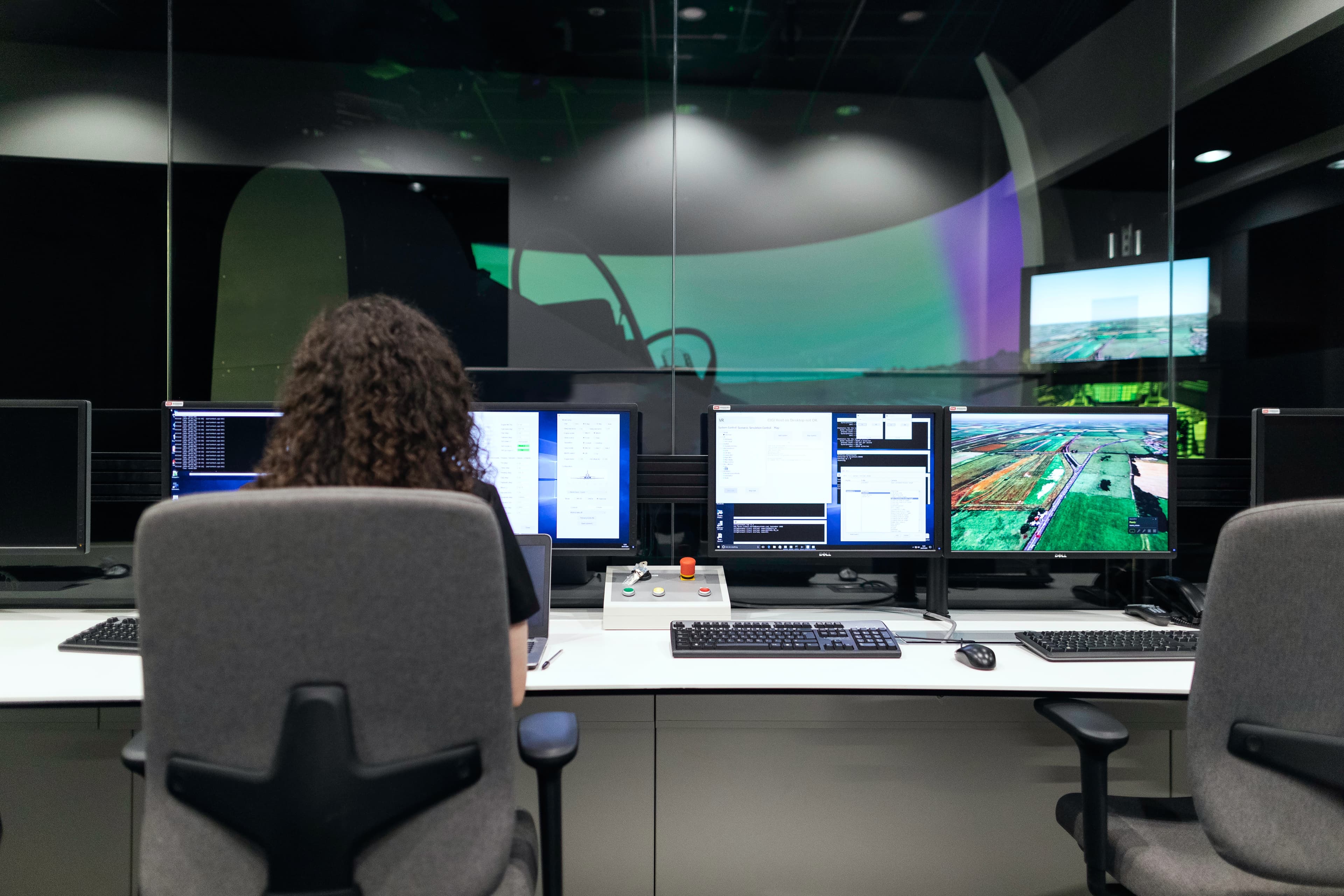
Businesses at every level of the seafood industry offer unique challenges in management, further highlighting the need for a robust ERP system. To manage incoming needs and consumer risk, food manufacturers in the seafood space often look to enterprise resource planning systems to help manage day-to-day operations and ensure that quality is never sacrificed at any point in the production and distribution process.

Food and beverage manufacturers have experienced a variety of different challenges–especially in the post-pandemic era. Supply chain disruptions, contamination outbreaks, and traceability issues are among the most common recent problems that manufacturers are addressing in their 2022 supply chain management plans.

The seafood industry is one of the most demanding operating fields, especially with the industry's renewed focus on sustainability, processes, and transparency in sourcing mechanisms. Careful planning and continuous monitoring is a must to maintain authority and mastery in the space. Enterprise Resource Planning Software (ERP) offers the help needed for all the detailed areas a fishery is required in order to guarantee customer satisfaction.
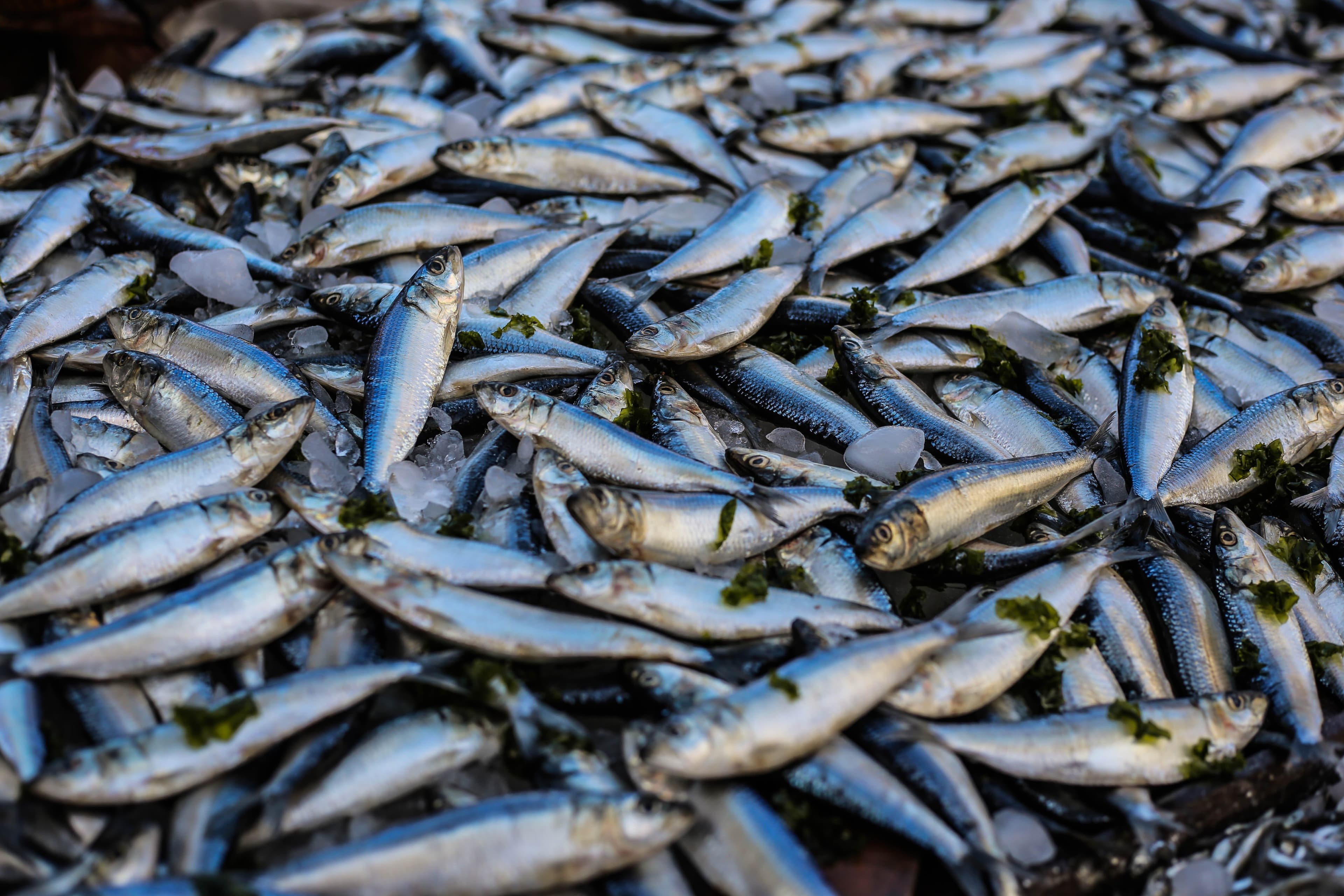
Seafood is one of the most widely enjoyed delicacies in the world. As more consumers gravitate away from red meat or plant-based alternatives, many are turning to the pescatarian diet for protein and nourishment. According to NOAA, levels of seafood consumption are the highest seen since 2007 in 2018 and beyond - with consumption per person totaling an average of 16.1 pounds per person.
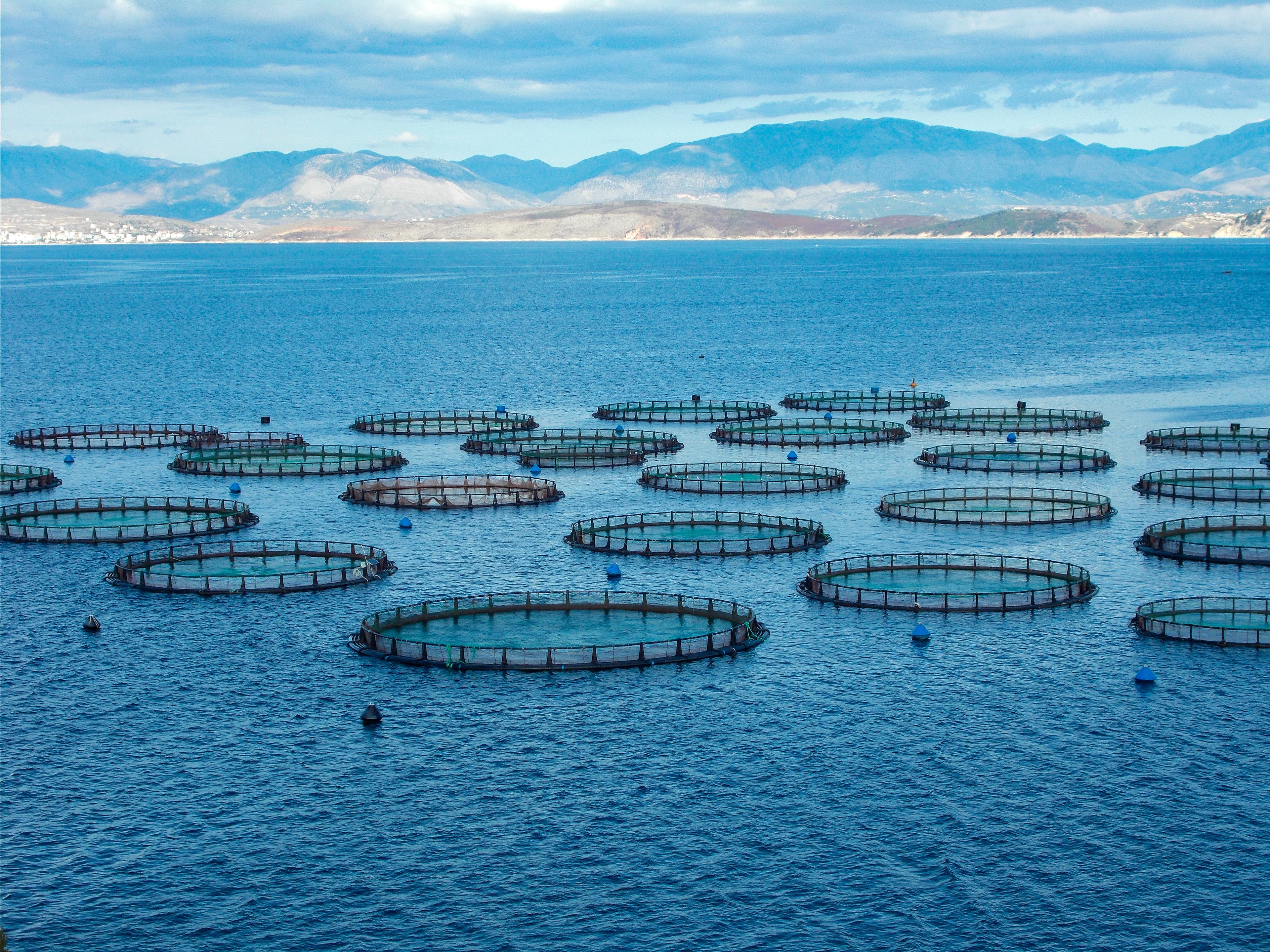
With the USA seafood market worth $102 billion, over 50% of all seafood producers across the country procure through aquaculture. So, what is aquaculture? Aquaculture, also known as aquafarming, is the breeding, cultivation, rearing, and harvesting of aquatic organisms such as fish, crustaceans, mollusks, algae, etc. in a controlled environment across a part or all stages of their lifecycle. It can be done in ponds, lakes, ocean coastal waters, and even land tanks. Broadly aquaculture can be cla
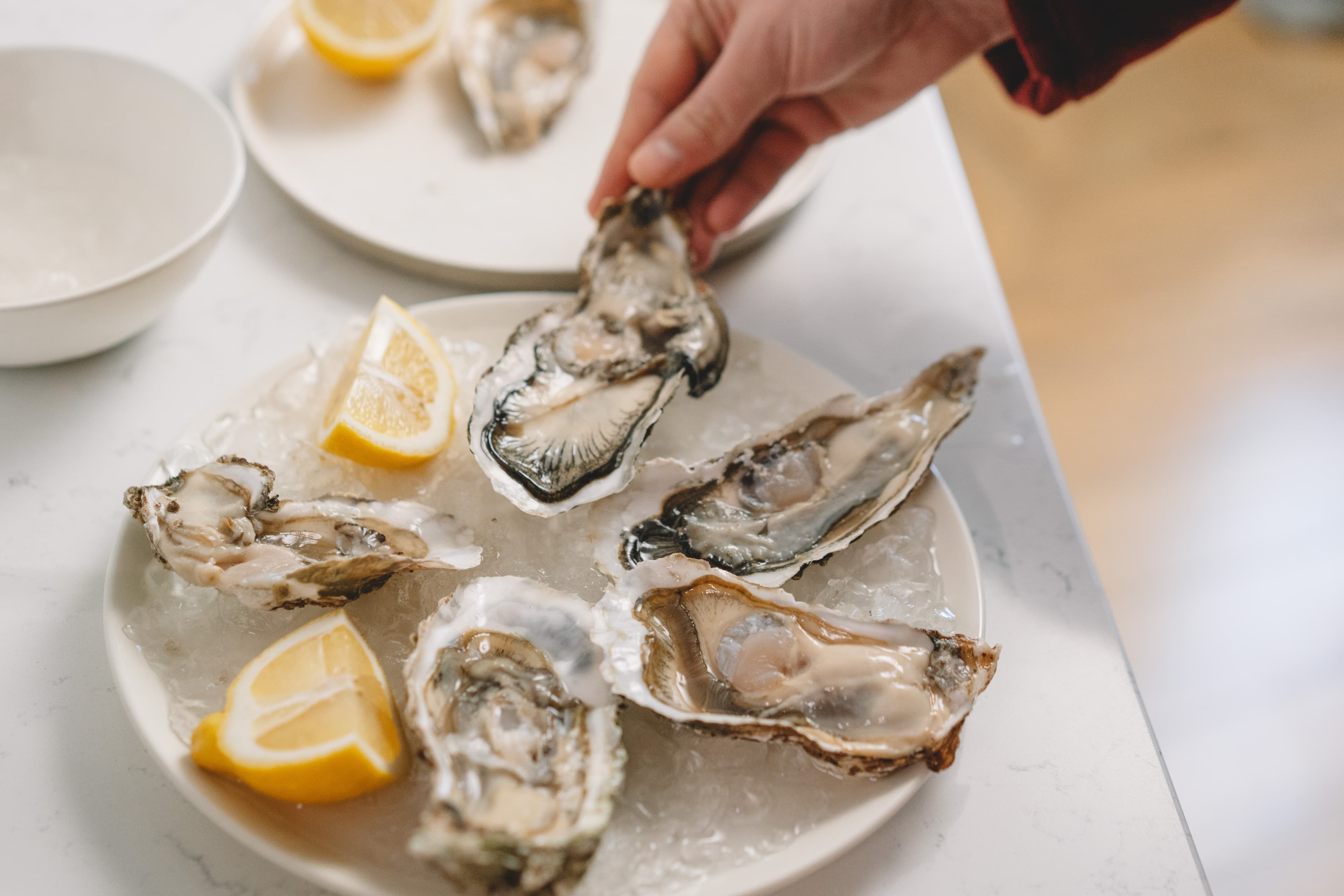
One of the hottest debates in the seafood industry around the world has been about seafood consumption during the summer season. Owing to factors such as freshness and quality control, not all seafood is sustainable to consume in the scorching heat.
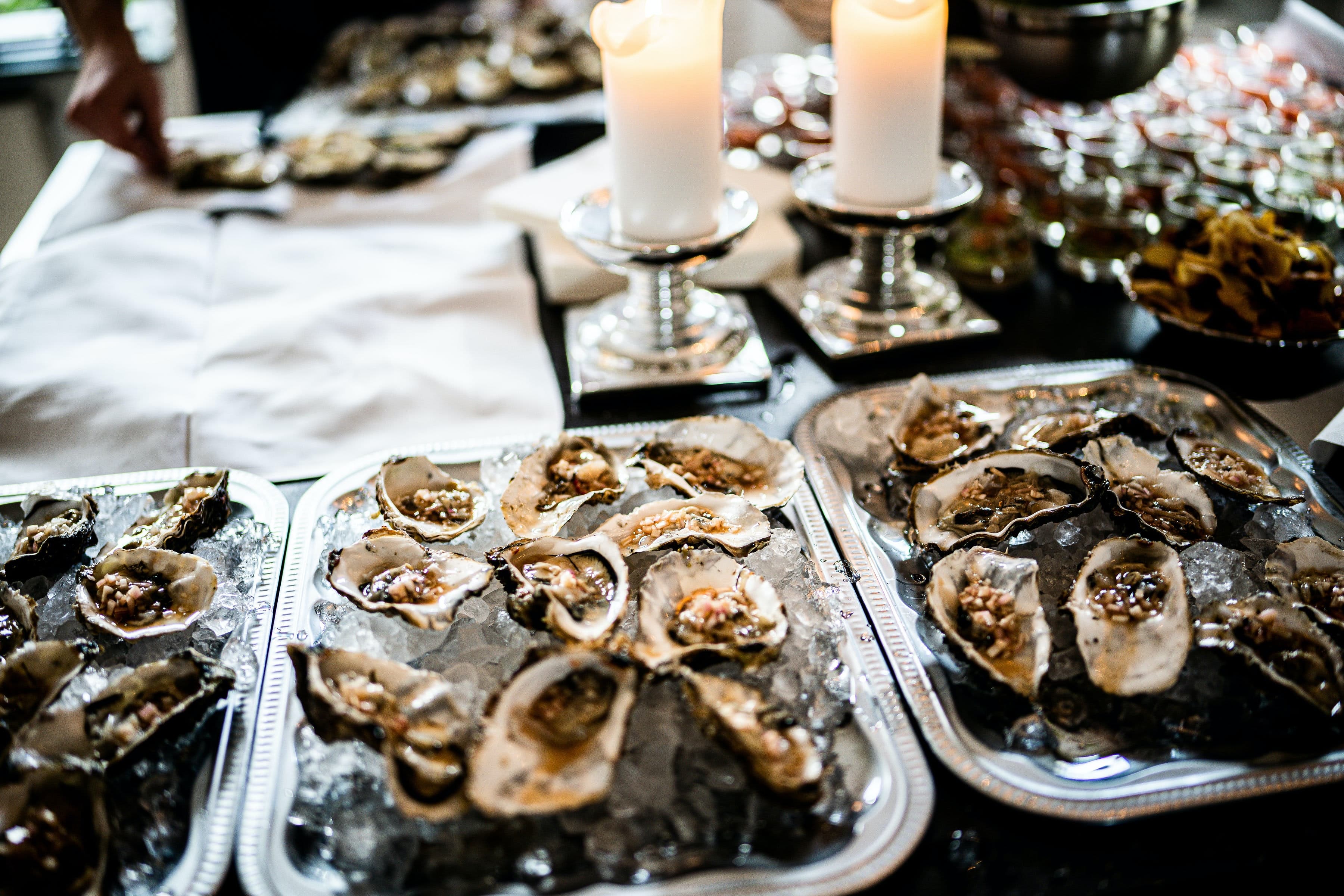
In the quest for quality food served at the consumer's plate, one of the trends that have swept across the seafood processing industry is Quality Control (QC). In hindsight, Quality Control is a process through which seafood processors seek to improve food quality.

One of the up-and-coming trends in the world of operational efficiency is Lot management via seafood ERP. In Layman's language, lot management is a system that enables inventory management before, during and after storage. A lot here refers to a batch of inventory received, stored and shipped from a warehouse to a designated location with specific dates and times.

One of the up-and-coming trends in the world of Food ERP is vessel management. In Lehman’s language, vessel management is a ship or a vessel purchased for the purpose of importing and exporting commodities hence its management becomes a necessity. A food ERP provider with vessel management capabilities takes up numerous functions such as maritime traffic supervision, registration of vessels, permits for entering and leaving the port, and various others.

Just like a coin, ERP implementation has two sides to it. Depending on a host of factors like the size of a firm, the customizations needed and the Microsoft partner chosen a seafood trader can determine whether the ERP system installed is an investment or an expense.
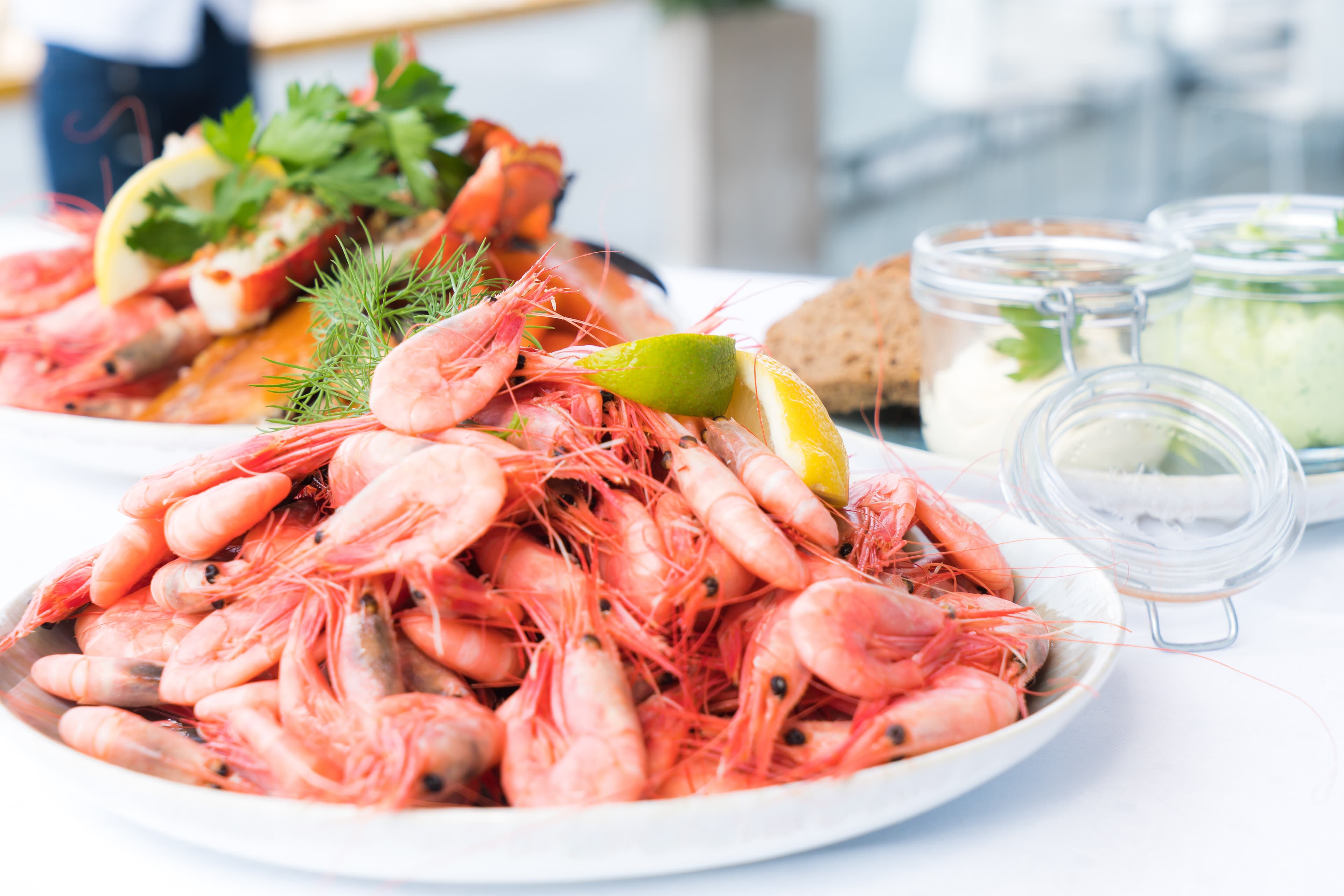
Seafood traders for long have endured sufferings at the hands of governing agencies. To add fuel to the fire, the high intensity of competition with more and more demanding customers is squeezing in on the margins. This was one of the primary reasons why seafood traders today especially those at a small and medium scale are struggling for a steady cash flow and eventually going out of business.
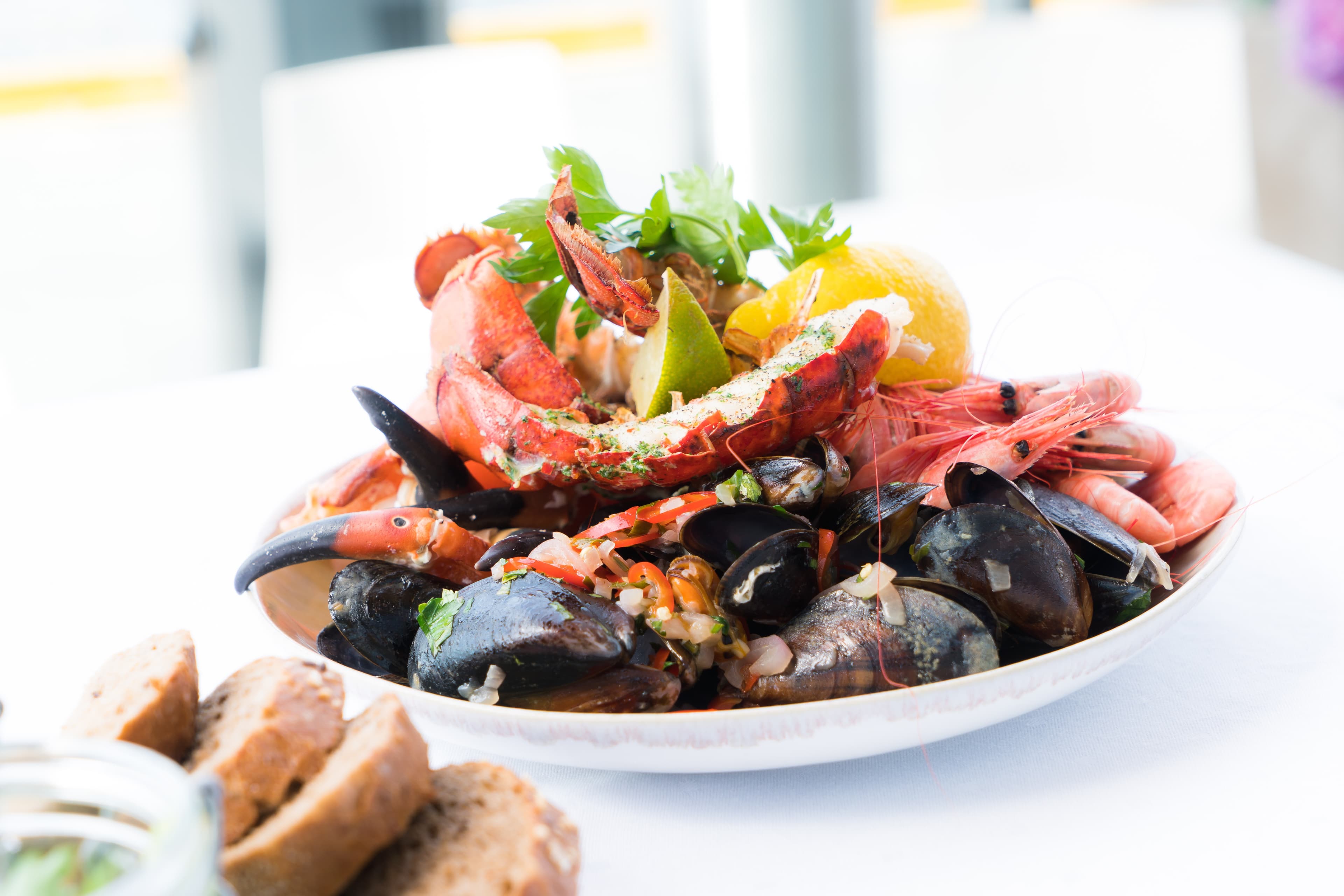
Traditionally seafood traders were reluctant to invest in seafood ERP as it was considered to be an expense with insignificant returns making it a luxury only high end seafood traders could afford.