
Blog Topic
8 articles
Food recalls are seeming to be more prevalent than ever as companies deal with difficult growing conditions and compromisation of food quality. Many producers and manufacturers are looking to preventative measures and transparency tools to help them to avoid falling victim to a large-scale recall. In this article, we explore different methods for preventing food recalls, and how cloud-based ERP software solutions are able to assist manufacturers in minimizing different risks throughout the food
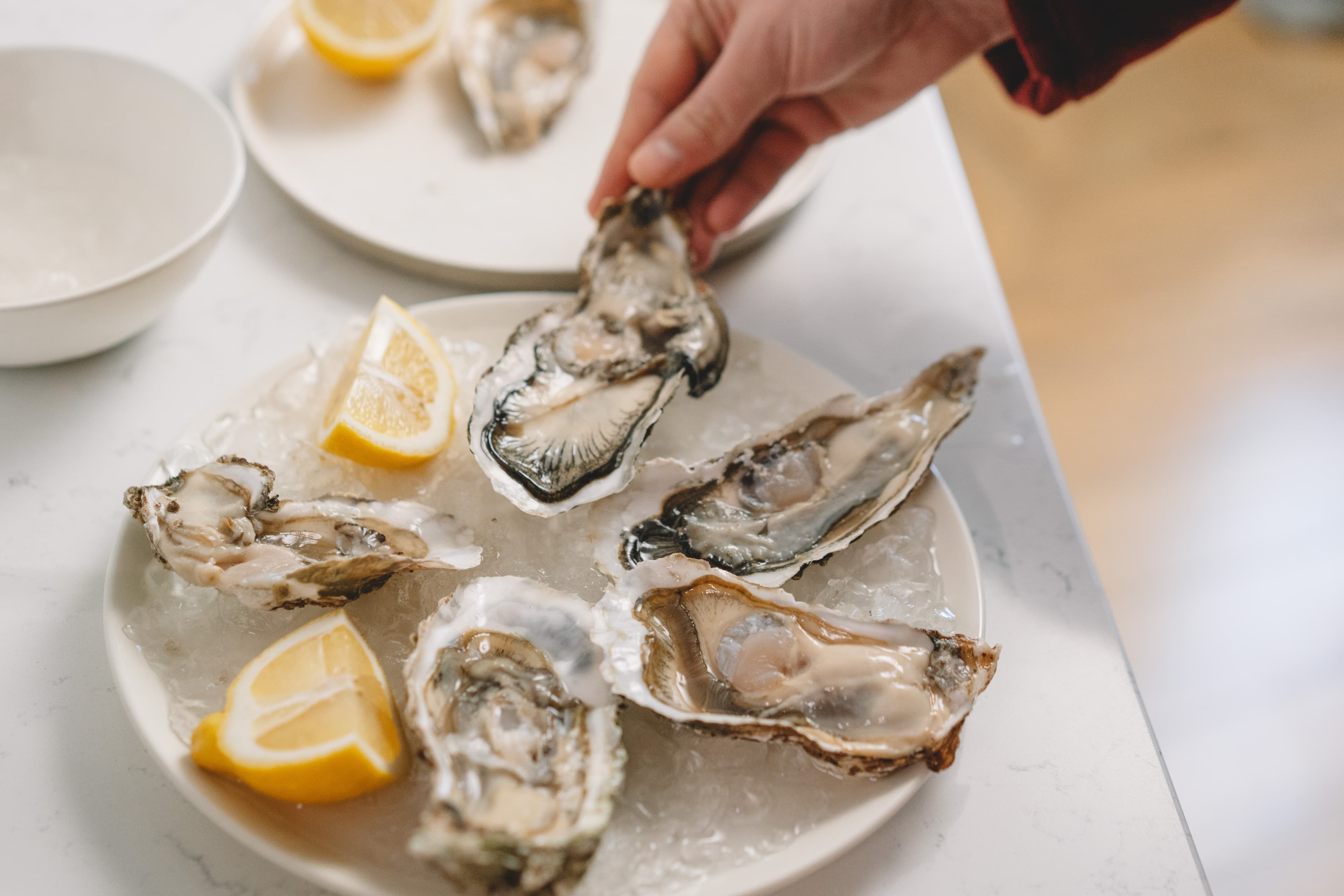
One of the hottest debates in the seafood industry around the world has been about seafood consumption during the summer season. Owing to factors such as freshness and quality control, not all seafood is sustainable to consume in the scorching heat.
One of the upcoming trends in the world of food ERP is the phenomenon of Catchweight. Catchweight in Lehman’s language is defined as “approximate weight” used by food manufacturers and distributors to manage products where an individual item’s actual weight varies from the standard (quoted) weight.
We recently took some time out to have an intimate conversation with one of our valued Seafood customers, Sea Delight, to discuss their experience with INECTA ERP. Sea Delight, LLC was founded in 2006 by Eugenio and Margarita Sanchez, the owners of ADS Seafood, LLC dba Atlantic Fisheries, with the goal of targeting the market with top-quality fresh and frozen seafood products. Through their unyielding commitment to providing superior products, unmatched customer service, and unwavering principle
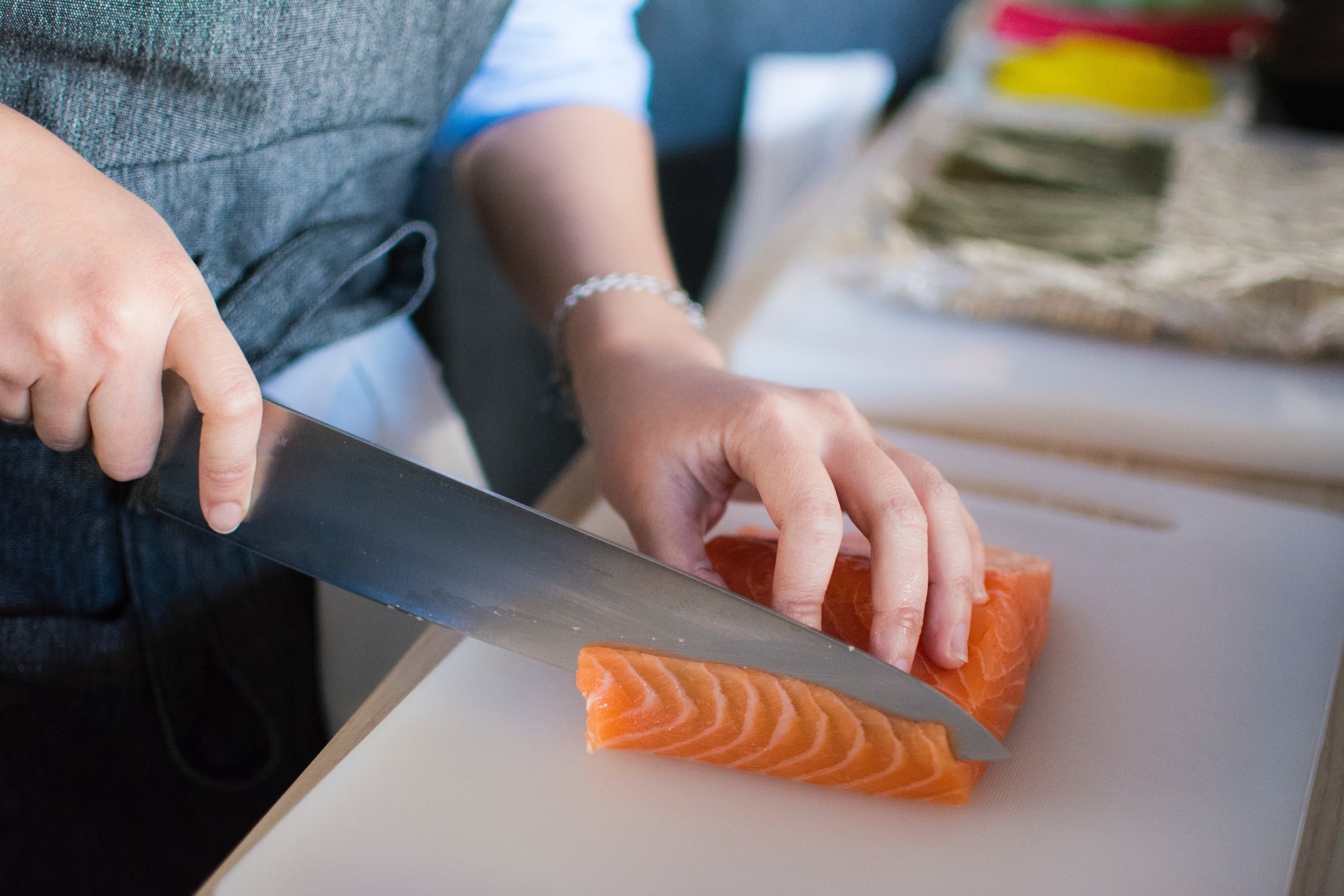
China has begun to halt shipments of salmon from Europe after it was alleged that the industry was linked to a new COVID-19 outbreak in Beijing. Shipments were immediately halted once the virus was discovered on fish chopping boards in Beijing’s Xinfadi market, which is considered the central location of newly reported COVID-19 infections.
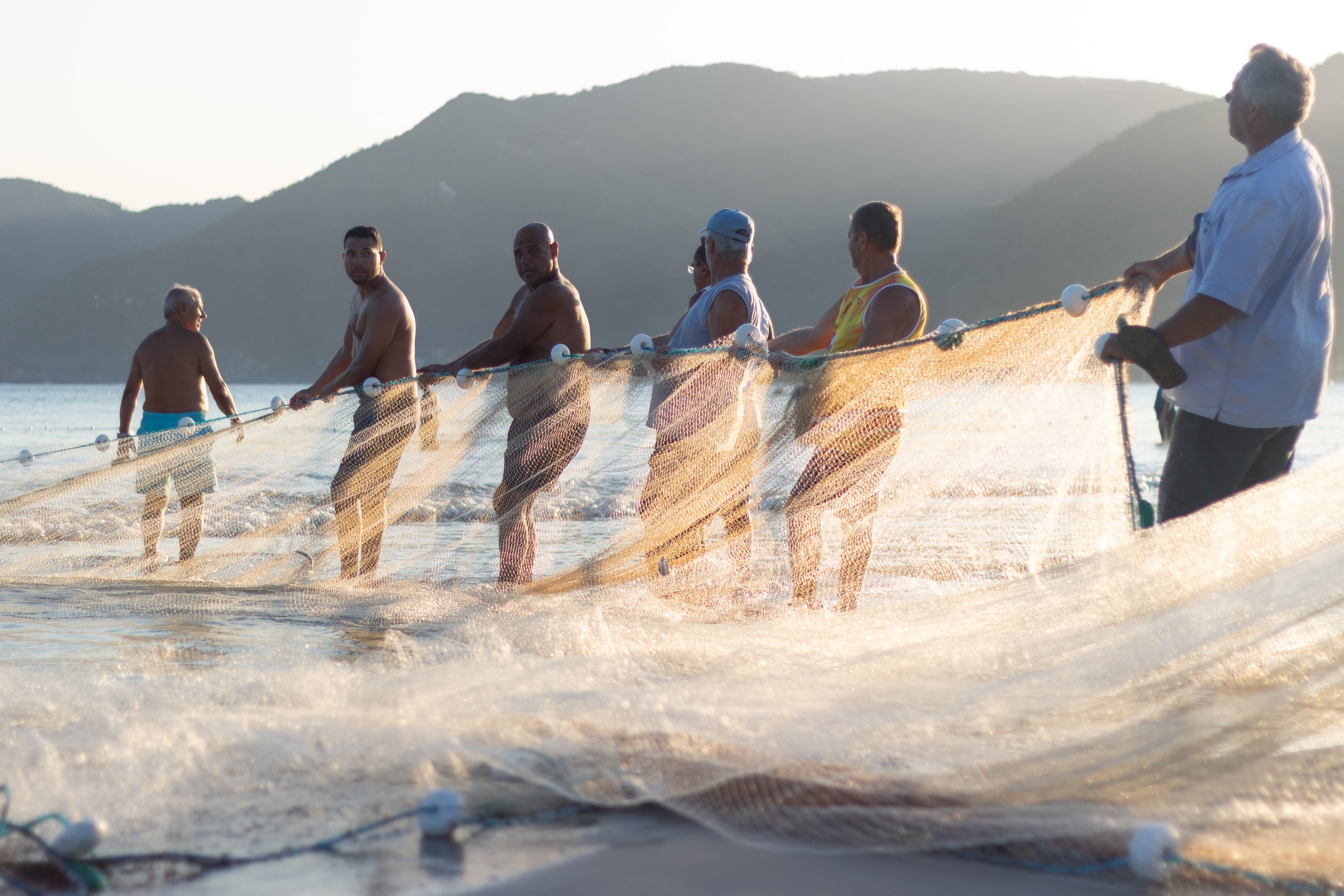
Illegal, unreported and unregulated (IUU) fishing has, along with the current pandemic, are doubling down on the hardships being faced by fishermen in this day and age. While the strict food regulations laid down in the wake of COVID-19 are certainly a point of frustration, they can be deemed necessary for the meanwhile.
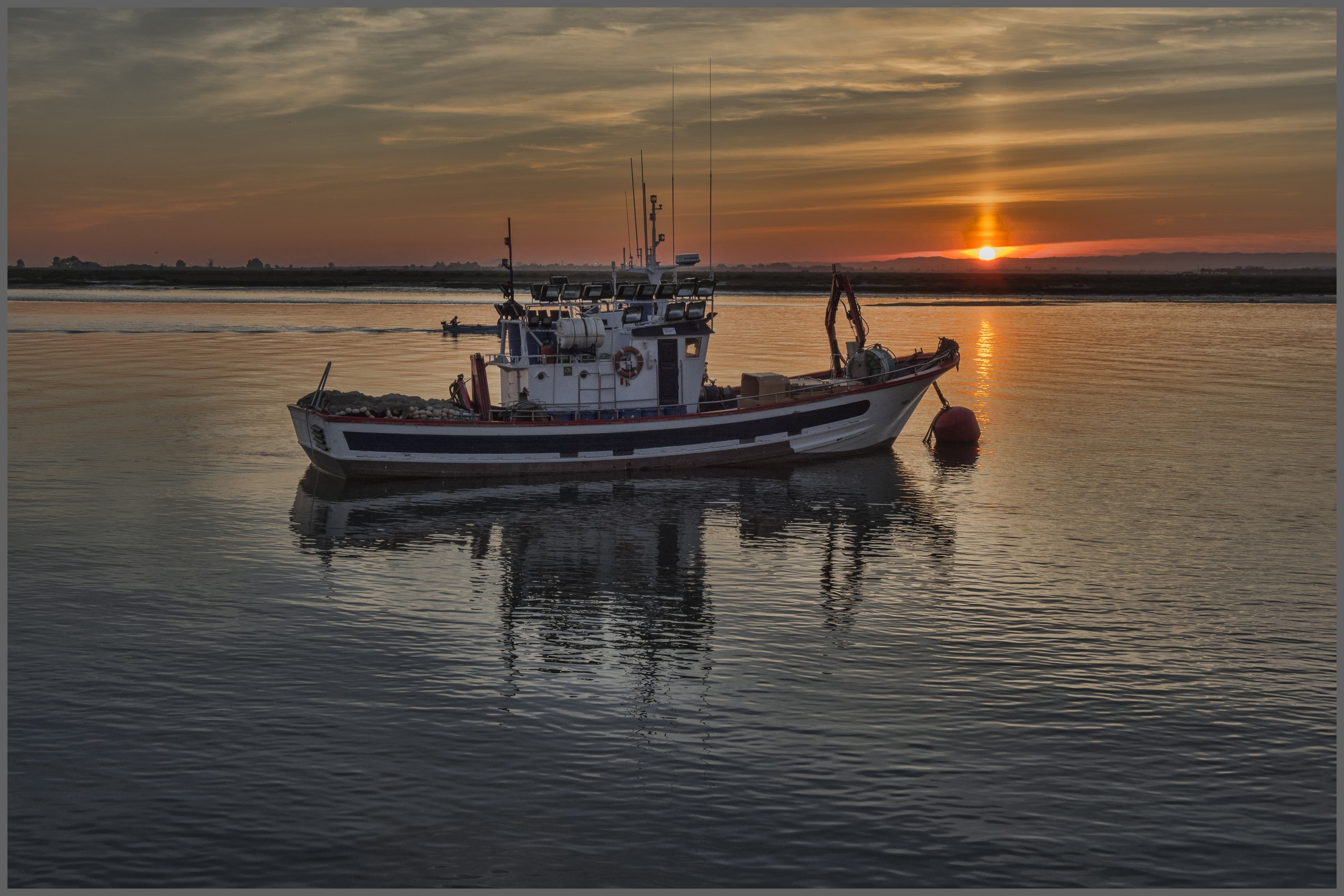
As we’ve already seen in the meat industry within the United States, the seafood industry is now also wary of the possibility of a COVID-19 outbreak specifically in the Pacific Northwest region. In response, seafood traders, processors, and catchers in the Pacific Northwest have drafted rigorous plans to ward off the similar spreading of COVID-19. This task is a lot easier said than done when you consider the closeness in proximity processors work within their workstations. As the summer season
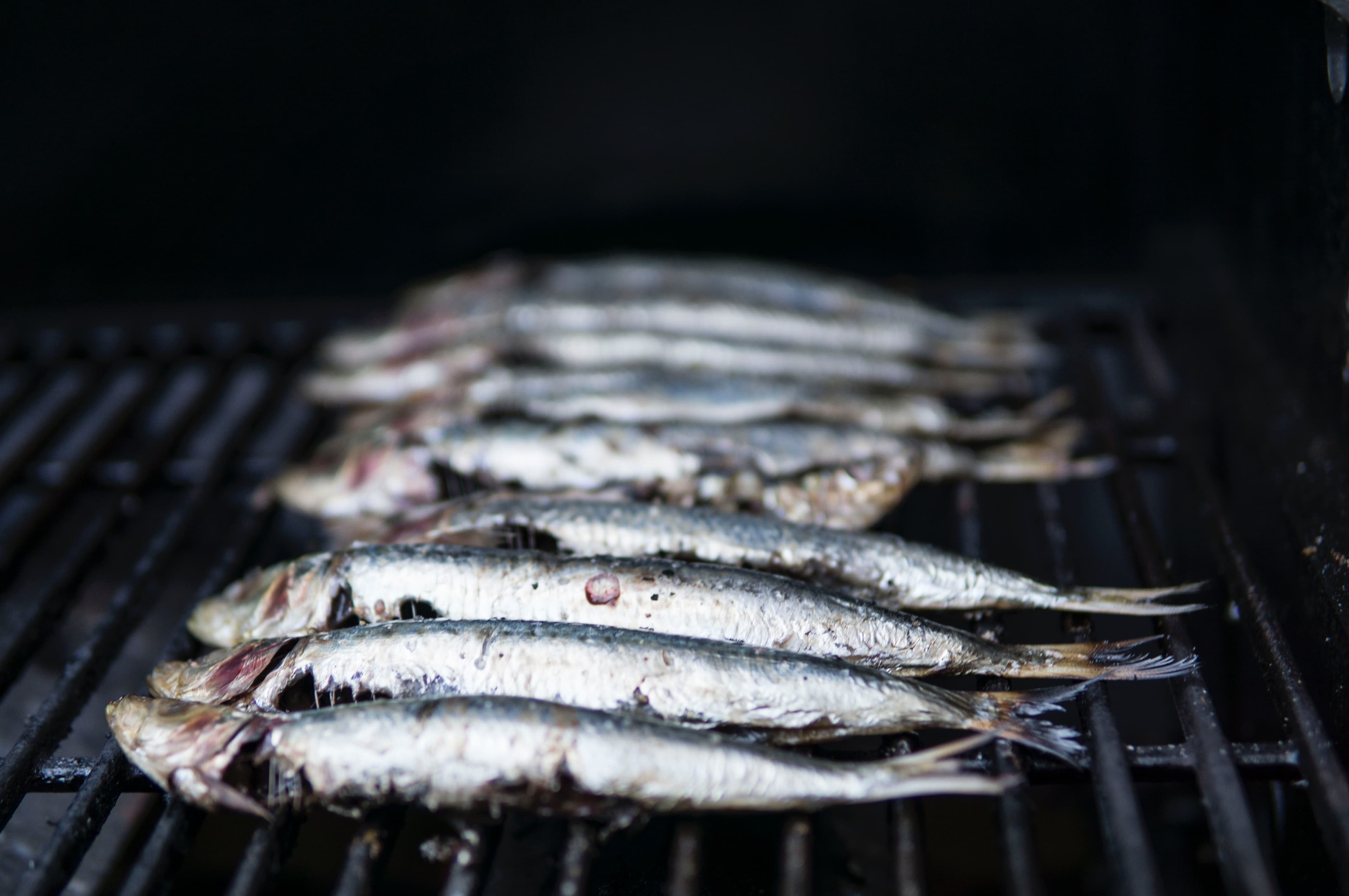
Many food industries have experienced the sting of the pandemic, with COVID-19 rendering the restaurant and hotel business unable to serve. Different types of food providers met with multiple issues and the seafood industry is no different. While having the ability to garner seafood from almost anywhere in the world has been a revelation to restaurants and food producers, the current climate has shown how important it is to have and support local seafood suppliers as well.