
Blog Topic
33 articles

FSMA 204 is not a QA documentation exercise. It is an operational data project. QA owns the outcome, but receiving, shipping, production, labeling, EDI, and inventory control create the data. Either your ERP captures it during normal operations or your team scrambles for 24 hours when the FDA calls.
What is a Corrective Action Plan? Corrective action is a crucial component of any food safety management system, including Hazard Analysis and Critical Control Points (HACCP). A Corrective Action Plan (CAP) is a written document that outlines the steps that a food business will take to address any deviations or non-conformities identified during the implementation of their HACCP plan.
![HACCP Plan: 7-Step Guide for Food Manufacturers [2026]](/_next/image?url=https%3A%2F%2Fzqvyaxexfbgyvebfnudz.supabase.co%2Fstorage%2Fv1%2Fobject%2Fpublic%2Fblog-images%2Feecf8a94-haccp-plan-what-is-it-how-to-write-one-guide-.jpg&w=3840&q=75)
A HACCP plan identifies food safety hazards at each step of production and establishes controls to prevent them. This 7-step guide covers every HACCP principle with vertical-specific critical limit examples for meat, dairy, seafood, and beverage manufacturers.

Current statistics indicate that only half of the global consumer population truly “understands” how to read a food label, with the other half claiming difficulty due to lack of underlying knowledge or confusing terminology used.
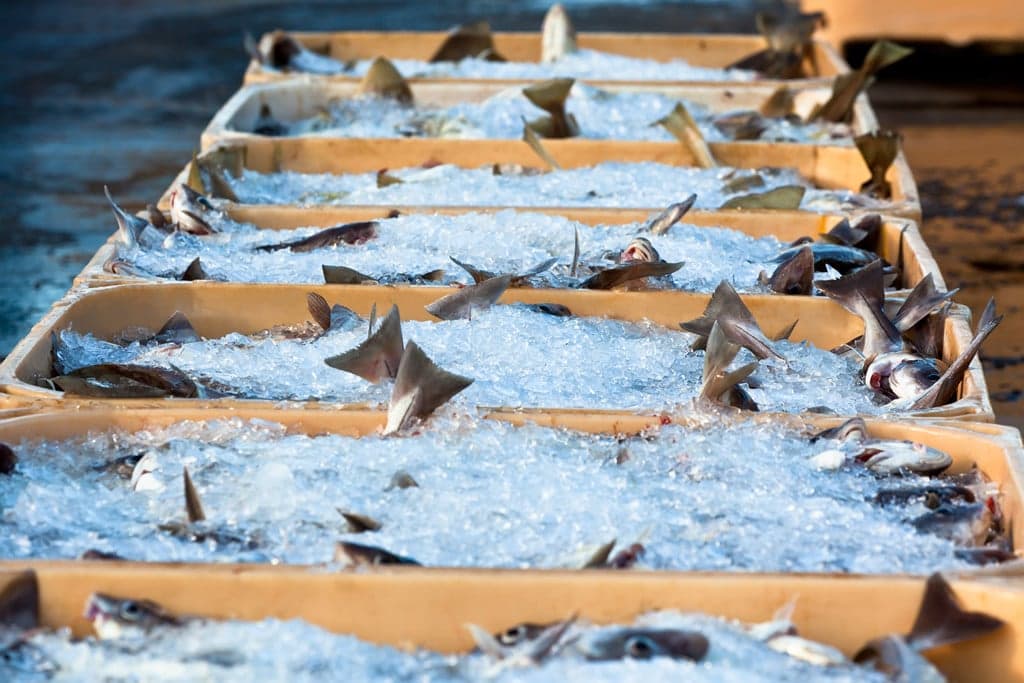
Understanding the differences between fixed weight labeling vs. catch weight labeling allows you to more accurately record the exact weight (or "actual weight") of products coming in and going out, offering you an effective data-driven foundation for any changes you might choose to enact. While both measurements have value, the terms yield different data points in context, both of which are equally important to calculating your accurate statement of profit, certain costs, and more.

In today’s consumer-driven environment, businesses are sparing no expense to protect their brand’s identity, experience, and perception. However, good-natured missteps and inaccuracies could be undermining the very foundation of these efforts – the most recent common example of this being food fraud.

If you’re looking to scale your food industry business, technology and software are among the first places you should look. Investing in a trusted ERP for food and beverage industry businesses is a vital step to solidifying your place in the market, and ensuring high-quality production processes across your lines and inventory.

Food and beverage manufacturers have experienced a variety of different challenges–especially in the post-pandemic era. Supply chain disruptions, contamination outbreaks, and traceability issues are among the most common recent problems that manufacturers are addressing in their 2022 supply chain management plans.
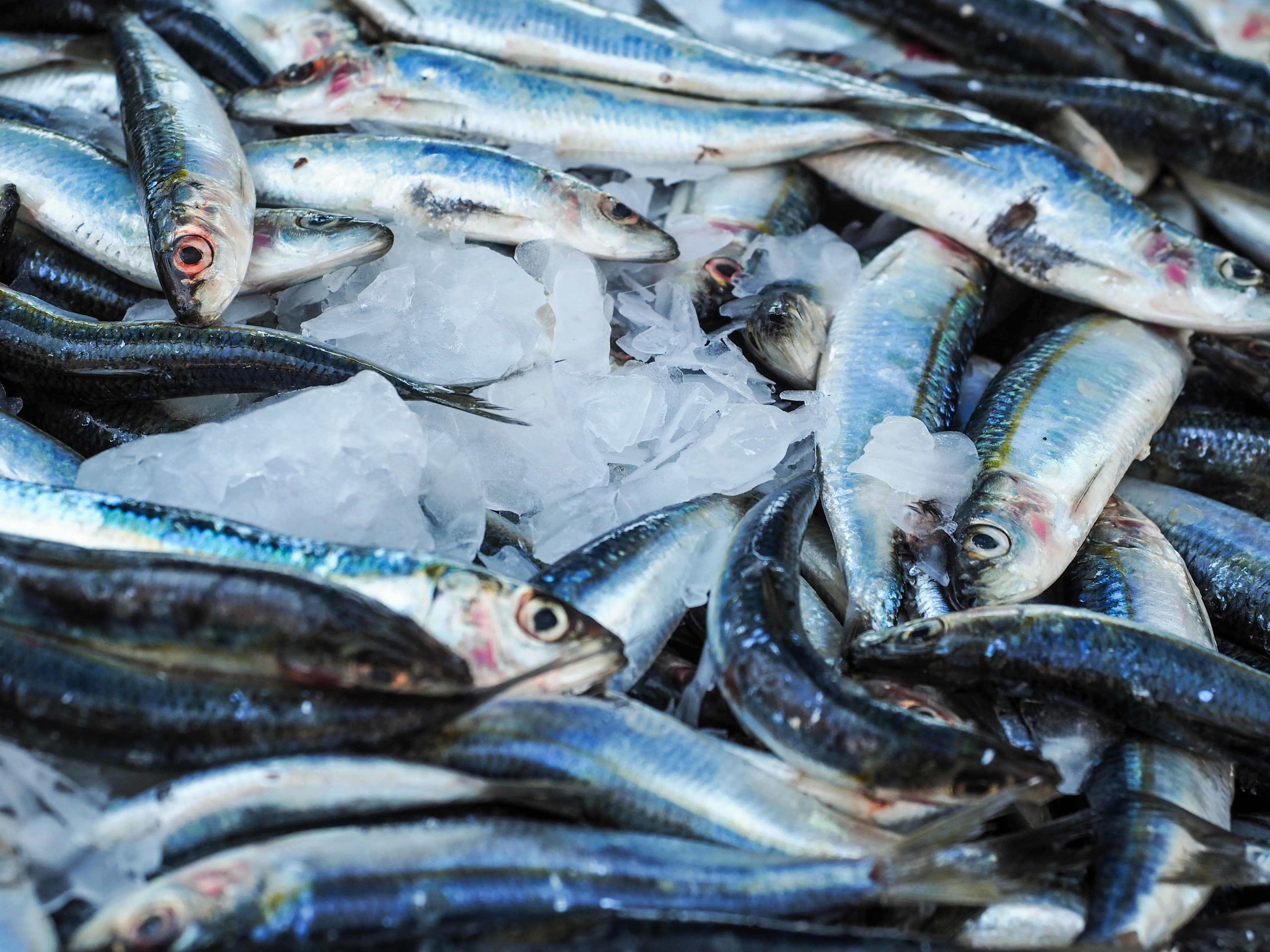
The seafood industry is one of the most demanding operating fields, especially with the industry's renewed focus on sustainability, processes, and transparency in sourcing mechanisms. Careful planning and continuous monitoring is a must to maintain authority and mastery in the space. Enterprise Resource Planning Software (ERP) offers the help needed for all the detailed areas a fishery is required in order to guarantee customer satisfaction.

After having great success with food manufacturers and distributors in North America, Inecta has expanded its reach to the UK and ANZ regions. With the high demand for its software in the underserved regions, it became necessary to hire local support and implementation staff.

Food recalls are seeming to be more prevalent than ever as companies deal with difficult growing conditions and compromisation of food quality. Many producers and manufacturers are looking to preventative measures and transparency tools to help them to avoid falling victim to a large-scale recall. In this article, we explore different methods for preventing food recalls, and how cloud-based ERP software solutions are able to assist manufacturers in minimizing different risks throughout the food

Food by nature is a perishable item prone to contamination and spoilage. With widespread stress on food safety and hygiene due to the pandemic, food traceability has become a prerequisite for all companies operating within the sphere. Food safety organizations and bodies such as the FDA have implemented rules and regulations. Under FDA’s new blueprint, establishments need to maintain documentation of processes for listed food products, as a move towards improving traceability, reducing contamina