
Blog Topic
51 articles

Looking for a simple way to take your food and beverage business to the next level? You may consider investing in recipe management technology to help you grow and scale effectively. While it can take time and resources to fully implement, we consider this to be a worthwhile investment in your business. Ultimately, customers want to purchase what they can trust, and standardizing your food production and manufacturing process is a tremendous step forward to doing just that.
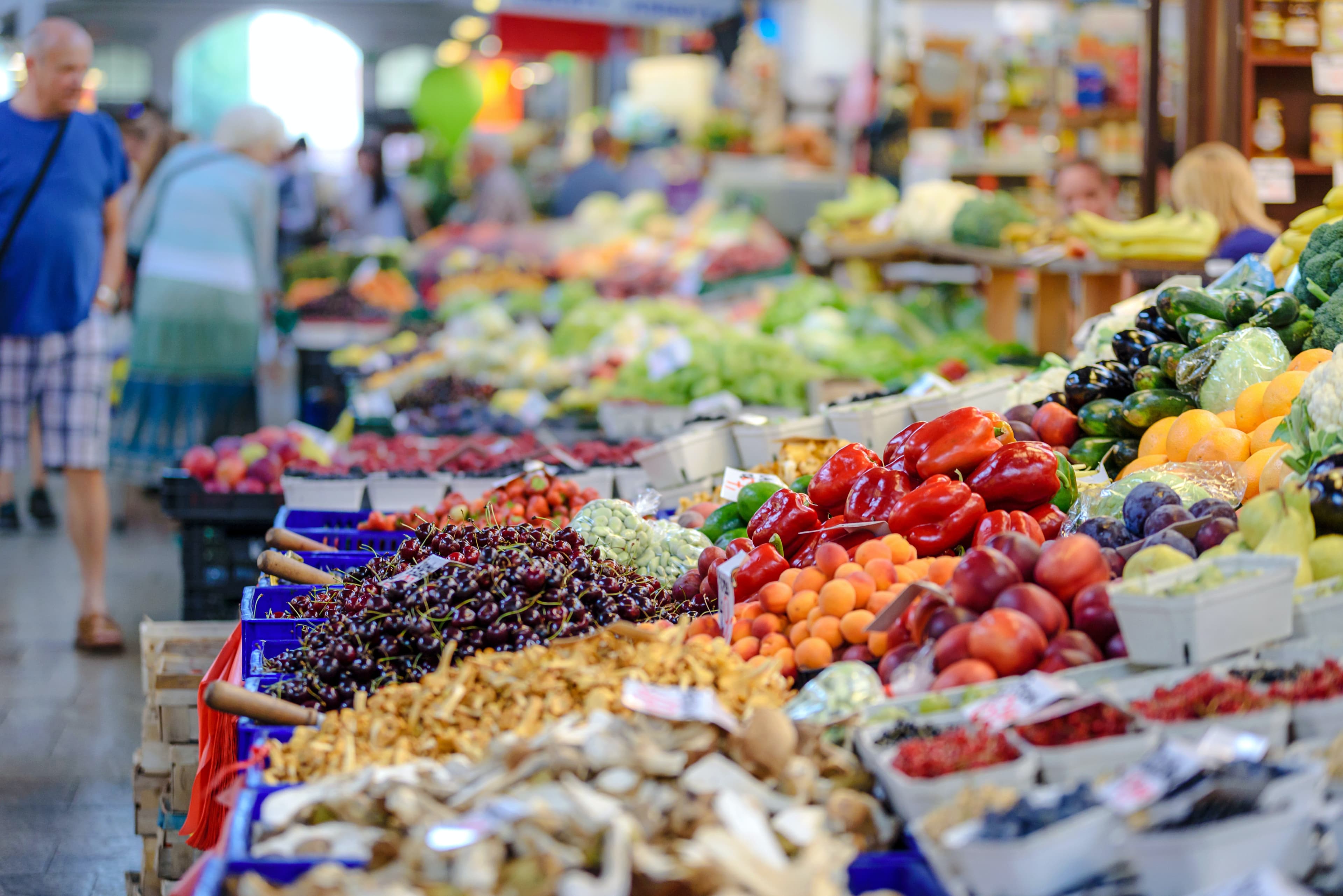
Growers: Are you looking for a tool that offers the potential to boost your revenue, streamline your process and enhance your efficiency? It may be time to abandon the fractional and manual systems of the past and embrace a more comprehensive approach through the use of produce software.
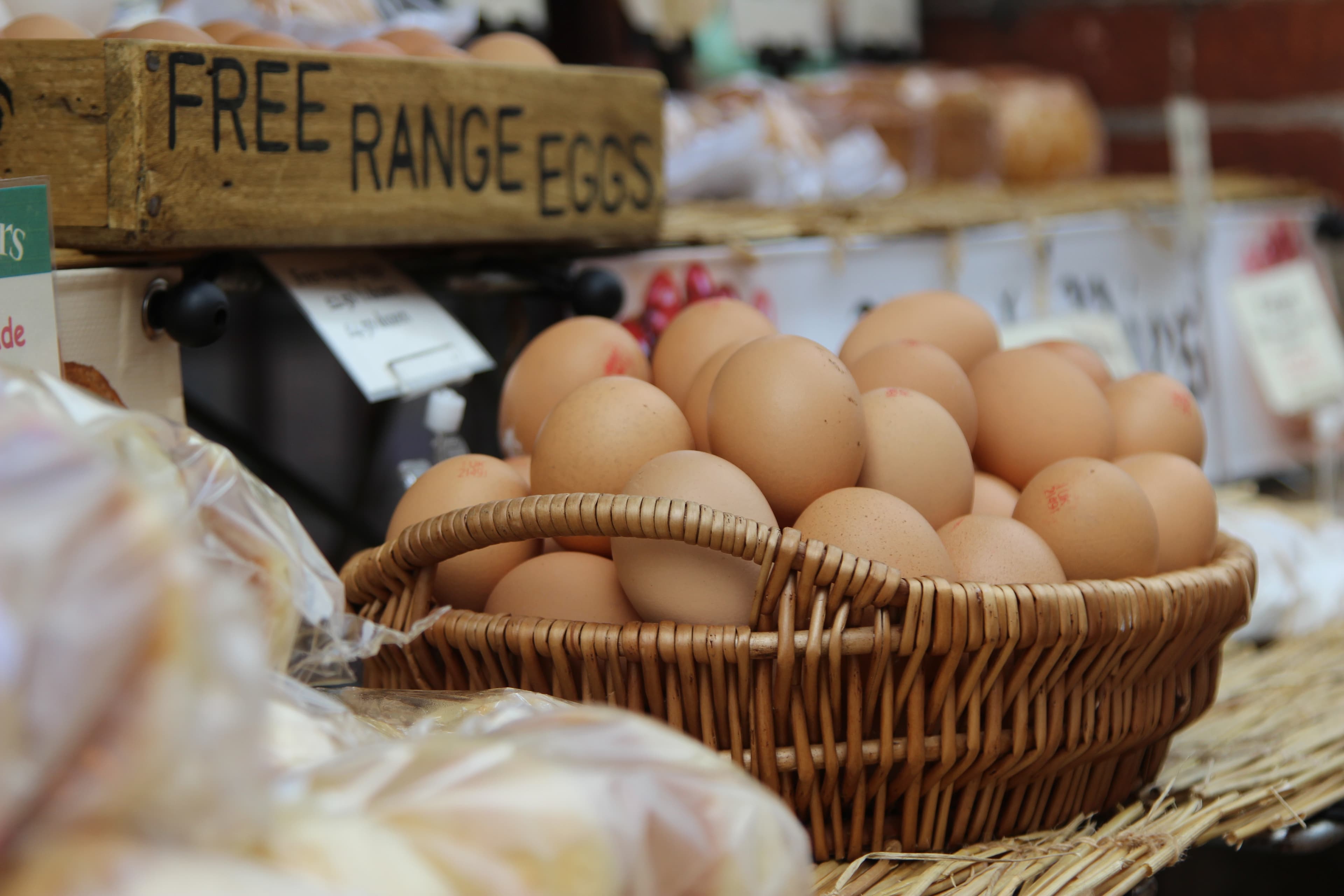
EGG SHORTAGE UPDATE: Unfortunately, we’ve kicked off the year 2023 with some major food shortages and supply chain issues. As the country has continued to battle against supply chain instability from the start of COVID-19, many are still experiencing strain thanks to a complex, multi-step and non-localized supply chain.

As the new year approaches, you may be looking for opportunities to streamline your operations and get strategic about your methodology for your food and beverage industry business. Investing in a quality ERP for food and beverage industry brands is vital to the sustainable growth and profitability of your business, leaving you with additional perks: such as enhanced organizational capabilities, better recession resistance and greater accessibility and transparency.
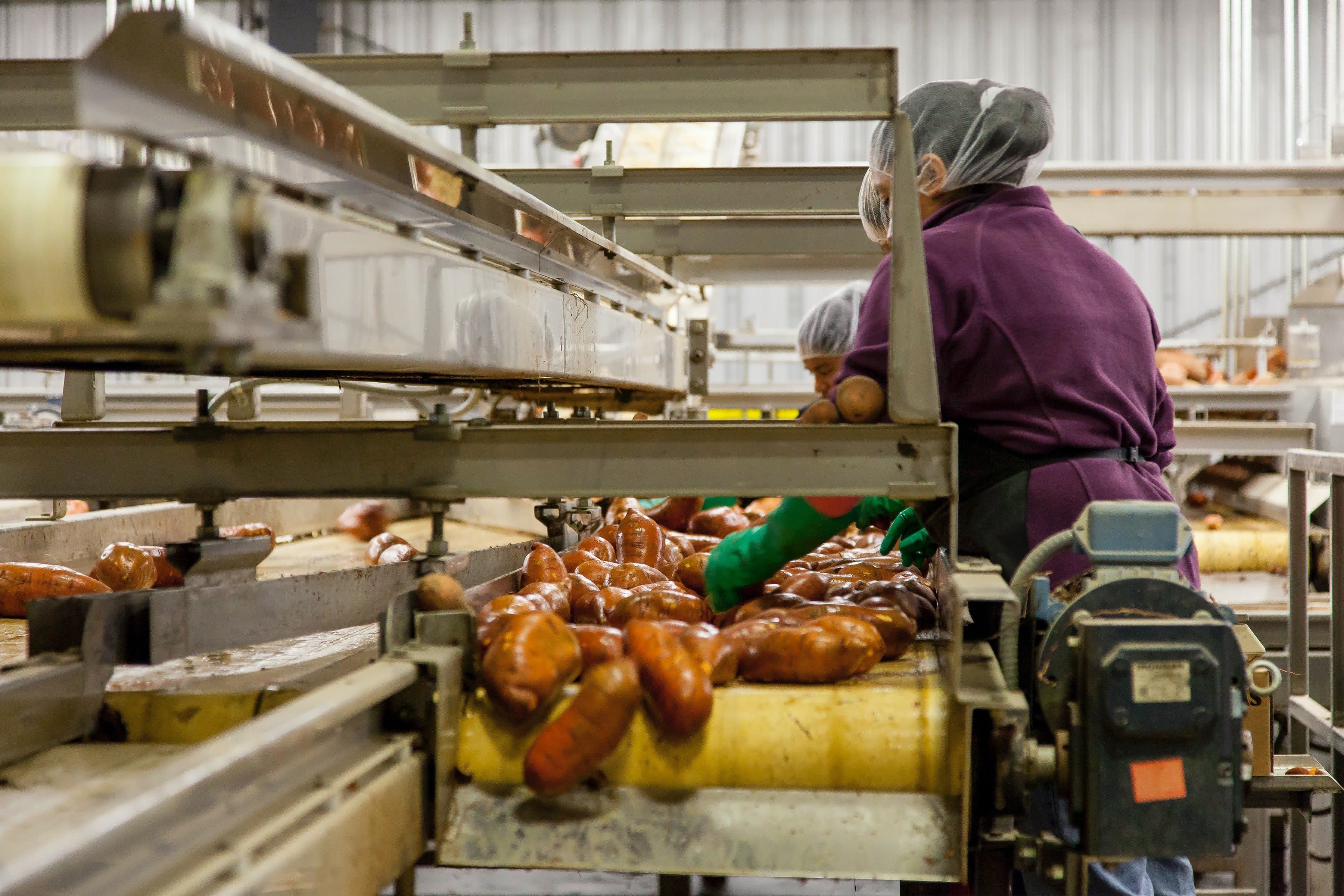
About 15,000 new food items are introduced every year to the global food stage – yet only 10% of them survive to make it past the first-year mark. (Source: Kansas State University.)

With so many options for food management software, it’s no surprise that your production and manufacturing operation is going through a thorough review process to determine which option is best for you. While there are several different iterations of ERP software that include different operational elements, there are two main presentations: on-premise ERP and cloud-based solutions. Today, we’ll be exploring what each of these tools can offer, and the key benefits and differences of each.

A cloud ERP solution is one of the best management tools you can use for your food and beverage business. The question is: How can you most effectively leverage the tool through the implementation process? Today, we’re digging into this concept, and showing you how you can maximize your investment in cloud ERP for food businesses through a streamlined onboarding process – saving you time and money as you go through the steps to full implementation.

You’re ready to scale your food and beverage business – and there’s no better way to do that than to use a food ERP. In order to be as effective as possible, we recommend exploring the different types of ERP before making your final choice of platform.

ESG is one of the most prominent drivers of sales across industries. Whether you’re an established food and beverage business or a budding start-up brand, you can benefit from creating and adopting an ESG strategy now – even if it’s a wireframe.

Title: Mitigating Risks: Preparing for Holiday Supply Chain Instability (2022)
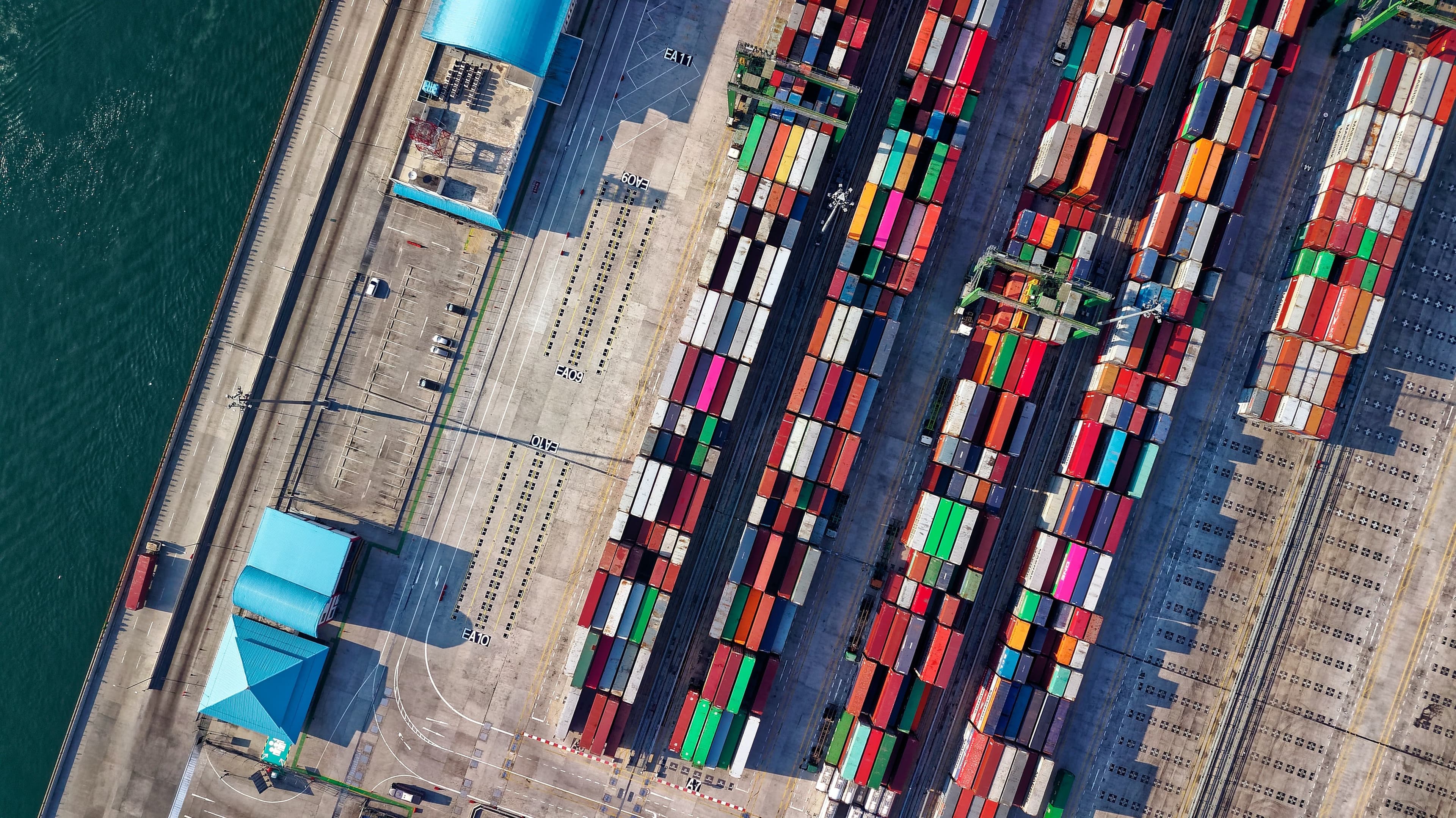
The most magical time of the year is here – and food manufacturers are feeling the additional pressure to keep up with the demand for traditional holiday foods – like turkey, ham, and seafood. Throw COVID-19 into the mix, and you have a recipe for a difficult holiday season for food manufacturers who aren’t prepared.

The holiday season is here, and your consumer base is on the hunt for the next big treat for their upcoming festivities, hastening the holiday rush. The final quarter of the year is the time to ramp up sales and production, iterate on your strategy, and establish your cadence for a fresh start – all of which you can do more efficiently with knowledge of the top holiday food and beverage trends.