
Blog Topic
63 articles

The world of manufacturing, there are two primary methods for creating products: discrete manufacturing and process manufacturing. These two methods have distinct differences and cater to different industries and production requirements. In this article, we will explore the key differences between discrete and process manufacturing, the industries they serve, and the importance of choosing the right manufacturing process for your business. We will also discuss how inecta Food ERP can provide a c
Enterprise Resource Planning (ERP) and Customer Relationship Management (CRM) are two essential software systems used by organizations to streamline their processes, enhance productivity, and foster business growth. However, the intricate differences between these systems often leave businesses perplexed. This article explores the distinctions between ERP vs CRM, illustrating their unique features and delving into their respective applications.
Introduction to Supply Chain Automation
Supplier Relationship Management (SRM) In today's globalized and competitive business environment, companies are constantly seeking ways to gain a competitive edge. One effective strategy is to optimize their supply chain operations by leveraging supplier relationship management (SRM) software. SRM is a comprehensive approach to managing an organization's interactions with its suppliers. It involves creating and maintaining strong, collaborative relationships with suppliers to ensure that they m
In the ever-evolving world of process manufacturing, businesses need efficient and effective solutions to manage their operations. Batch manufacturing software is an essential tool for these companies, as it helps streamline processes, improve decision-making, and increase productivity. In this article, we will discuss the top features to look for in a batch manufacturing software solution, focusing on key components such as enterprise resource planning (ERP), customer relationship management (C
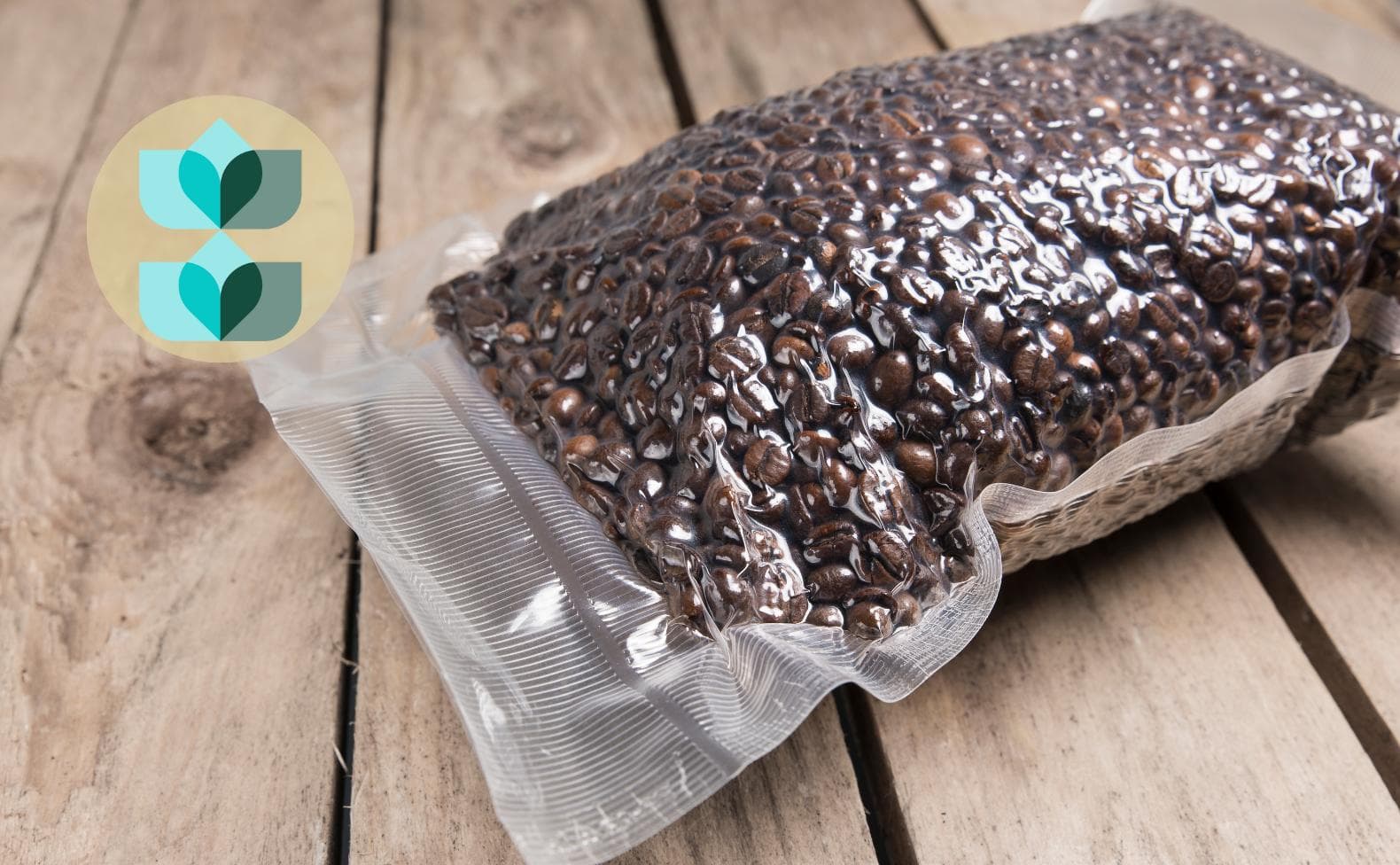
Reduced Oxygen Packaging Definition As a food industry professional, it's crucial to stay up-to-date on the latest trends and technologies in food packaging. One such method that has become increasingly popular is reduced oxygen packaging. This innovative technique can greatly extend the shelf life of various food products while maintaining their freshness and quality. However, proper handling and safety measures must be taken to ensure that the packaged foods remain safe for consumption. In thi

Many current ERP solutions used by food and beverage producers are outdated and require constant maintenance. These issues cost producers money that otherwise could be used to reinvest into the business to expand and improve operational efficiency.
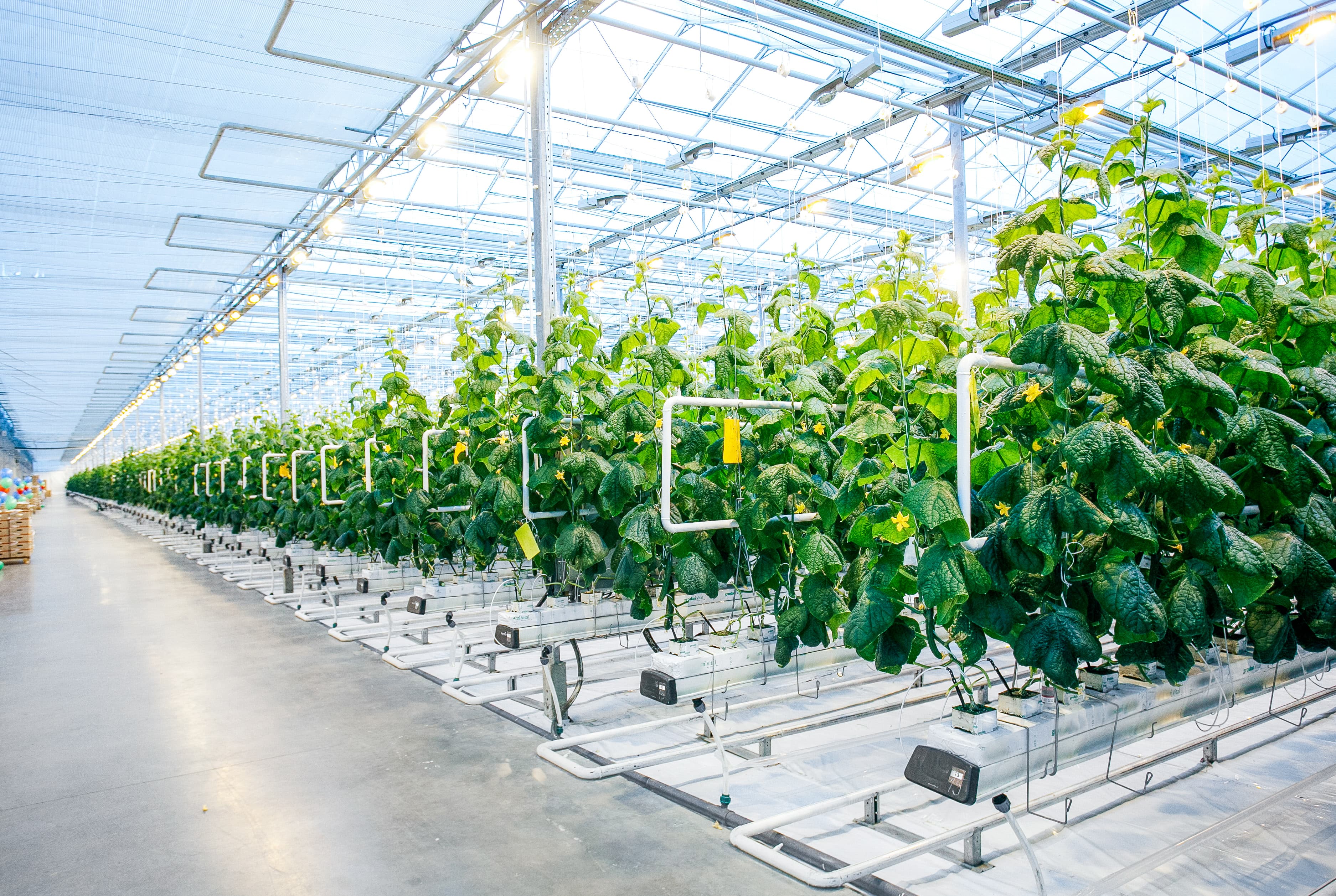
Field and Greenhouse Management:

For Produce businesses market dominance is the end game. This might entail specific objectives like boosting profitability or expanding your product lines, but the aim at the end of the day is to adhere to standards and make money.
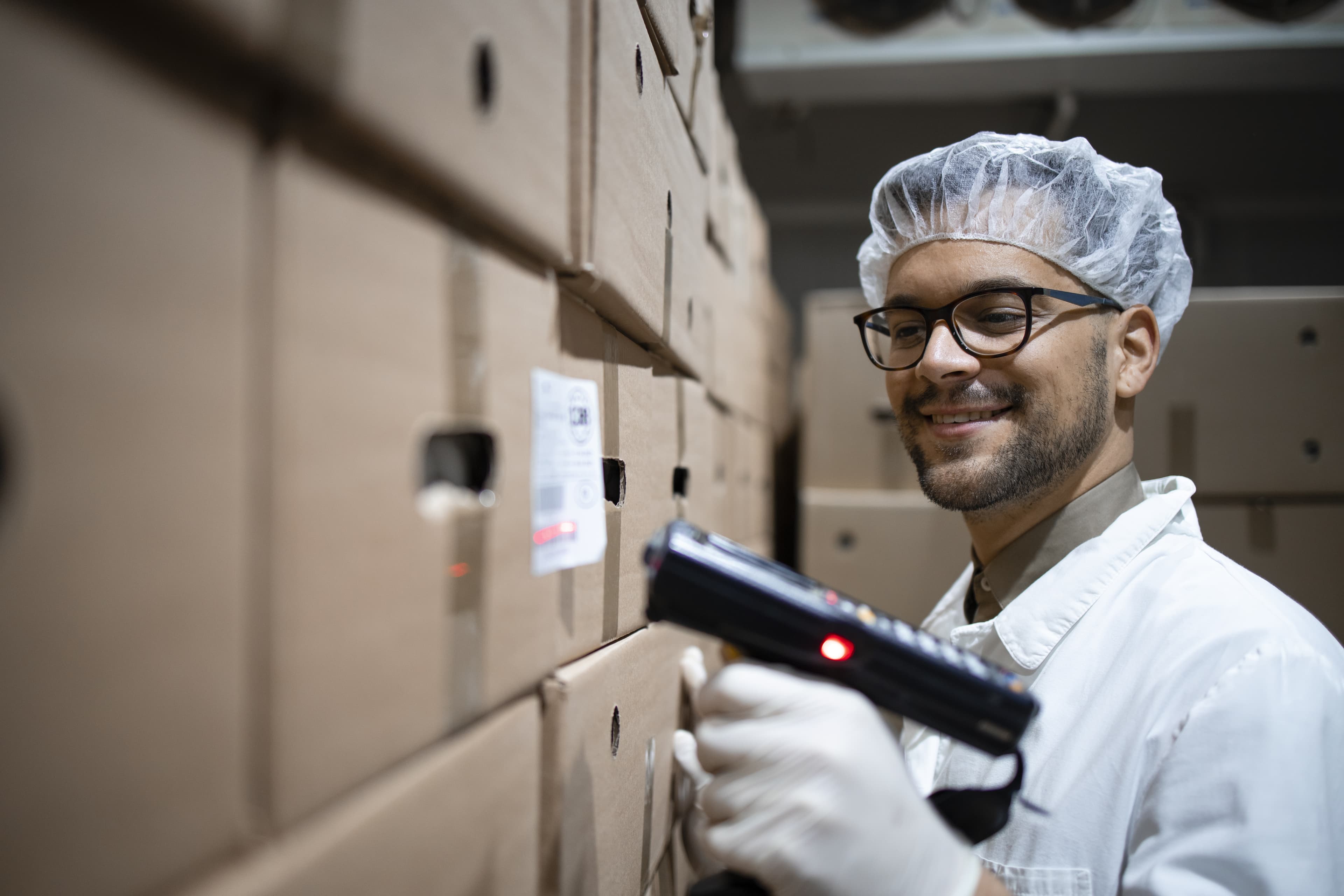
The coronavirus pandemic is an unprecedented event that occurred in the year 2019, putting global supply chains (SCs) into the focus of a wider public. The main concern for food warehouse managers was the well-being and safety of employees. After observing the effects of a global shutdown, food warehouse managers have proven themselves resilient in the face of disruption. They have learned how to effectively adjust workflows to ensure safety and manage an influx in online consumer demand. Proact
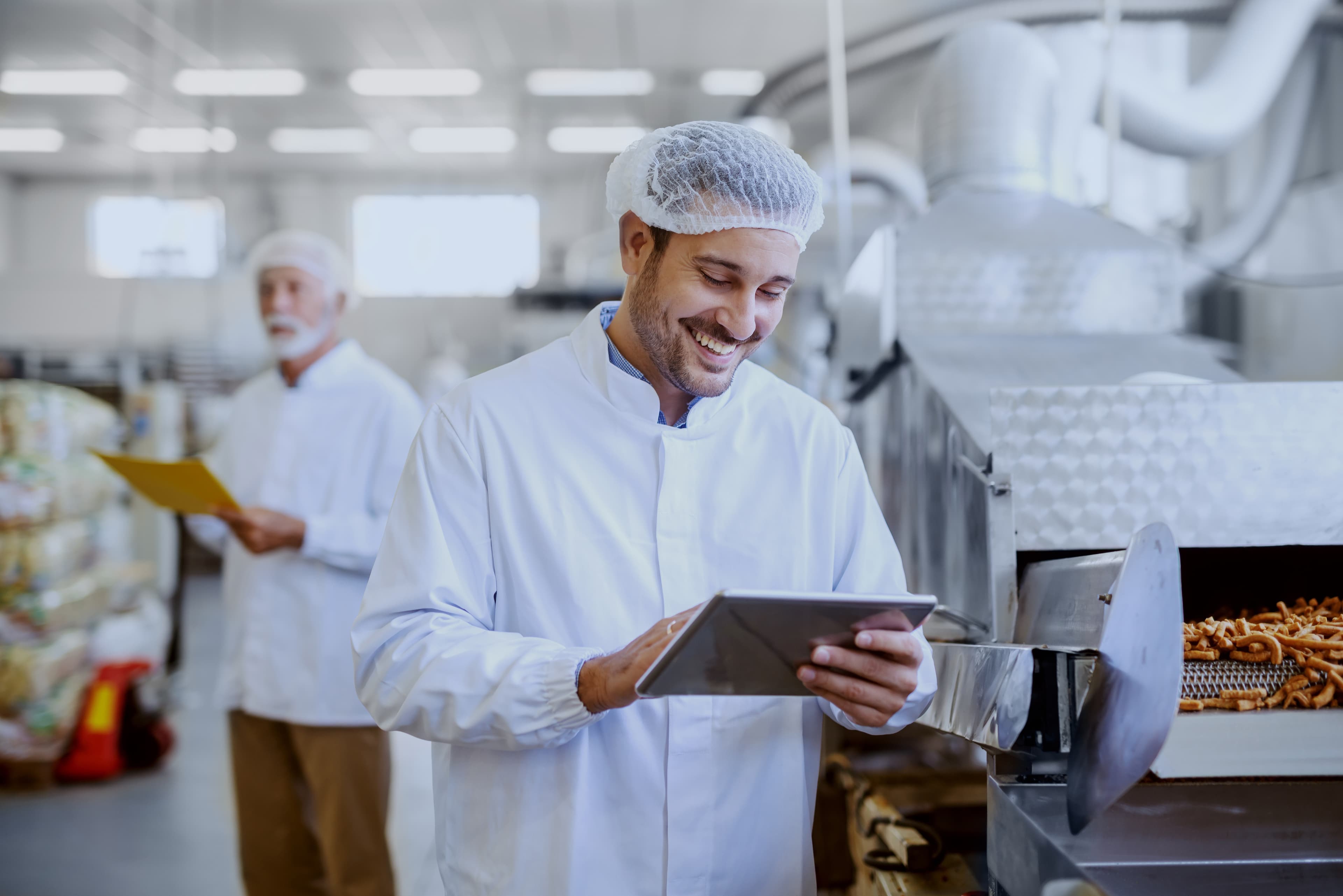
A recipe management system is software diligence that manages the complex relationships and processes related to production recipes. They store the recipes, enable food and beverage recipe modification, generate data required for production records, and even furnish the power to launch tasks and processes accordingly.

From multiple batches and types of products to timely deliveries across different destinations, logistics always pose a considerable challenge. This is even more so for the food manufacturing industry, where food items, often perishable are subjected to delays and longer routes due to mismanagement, leading to reduced quality and often even spoilage and thereby giving rise to customer dissatisfaction. The solution? Inecta’s transport management system integrated within Food ERP! So what exactly