Food Safety compliance for the produce industry explained
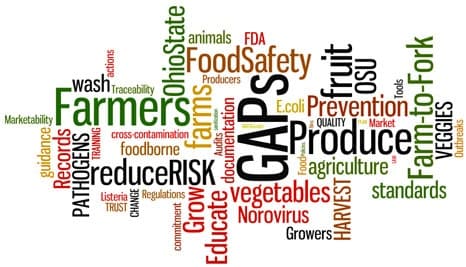
In recent years, food safety compliance and regulations have become more and more strict, and for good reason. With the introduction of the Food Safety Modernization Act, the FDA has issued several mandates in which all of those who toil in the produce industry must abide by.
Recent Outbreaks
Recent breakouts of E. Coli and Salmonella have put regulators on high alert, and as a result are cracking down on standards for produce long before the product hits the marketplace or grocery store. Disease prevention has become the primary concern for the FDA, with an estimated 48 million cases of foodborne illnesses reported each year according to the Centers for Disease Control and Prevention. Over the past 7 years, the FDA has worked towards revitalizing food safety compliance for produce with the Food Safety Modernization Act. Signed into law back in 2011 by President Obama, the FSMA allows the FDA to zero in on foodborne illness prevention rather than maximizing efforts in damage control once an outbreak occurs.
Impact on Produce Industry
This pursuit could not be more important when it comes to the produce industry, as we’ve seen a large number of reported cases of foodborne illnesses come from leafy greens and other products. One of the biggest elements of the new preventive approach to food safety was the establishment of science-based, minimum standards for the produce industry. This applies for all facets of the produce industry; everything from growing, harvesting, packing and distribution of produce must abide by these standards. These standards are intended to cut down on risk of contamination that could potentially lead to substantial health consequences. The FDA has also worked closely with other government organizations to strengthen efforts in keeping produce safe. With their work with the U.S. Department of Agriculture, the FDA has been able to gather information on issues surrounding produce safety. The USDA offered their expertise while the FDA drafted proposals.
The Digital Age of Food Safety

These new regulations imposed on the produce industry make it all the more important for the people involved in it to keep track of their product at all stages of production. Growers, packers and distributors are inclined to enlist the help of a top-notch ERP solution to keep their product in good standing order, and ensure they are abiding by the regulations developed by the FDA with the help of organizations like the USDA. The dawn of the digital age has kickstarted a movement towards accurate and efficient means for streamlining processes. The trend is clearly evident, with major conglomerates like Walmart acknowledging the importance of keeping produce safe. Walmart has taken strides in improving produce safety by requiring all their produce growers, packers and distributors to track their products via Blockchain technology. Thanks to cutting-edge traceability from Blockchain, customers will be able scan a bag of salad and see if it is a part of a product recall.
Evolution
This necessary evolution within the produce industry is vital to securing the safety of consumers nation-wide, with global entities sure to follow suit if they haven’t imposed similar regulations already. Now, growers, harvesters, packers and distributors must accept accountability when it comes to their product.