
Quota Management Made Simple: Tracking Limits, Loads & Compliance in One System

TL;DR:
Managing fishing quotas across vessels, areas, and seasons is one of the most compliance-sensitive parts of any seafood operation. inecta Food ERP provides structured quota tracking through dedicated ledger entries, connecting catch data to trip records, lot traceability, and VTR compliance documentation, all within a single system built on Microsoft Dynamics 365 Business Central.
Quota Management Is a High-Stakes Balancing Act
For seafood processors, quota management isn't optional, it's the regulatory framework that governs what you can catch, how much, where, and when. Species limits, seasonal allocations, and regional restrictions define the boundaries of every fishing operation. Get it wrong, and the consequences are immediate: fines, lost permits, damaged buyer relationships, and disrupted supply chains.
Yet most seafood businesses still track quota usage the same way they have for years, spreadsheets updated at the end of the day, paper logs passed between vessels and dockside offices, and manual tallies reconciled after the fact. The data exists, but it's scattered across people, locations, and formats.
Why Fragmented Tracking Creates Compliance Risk
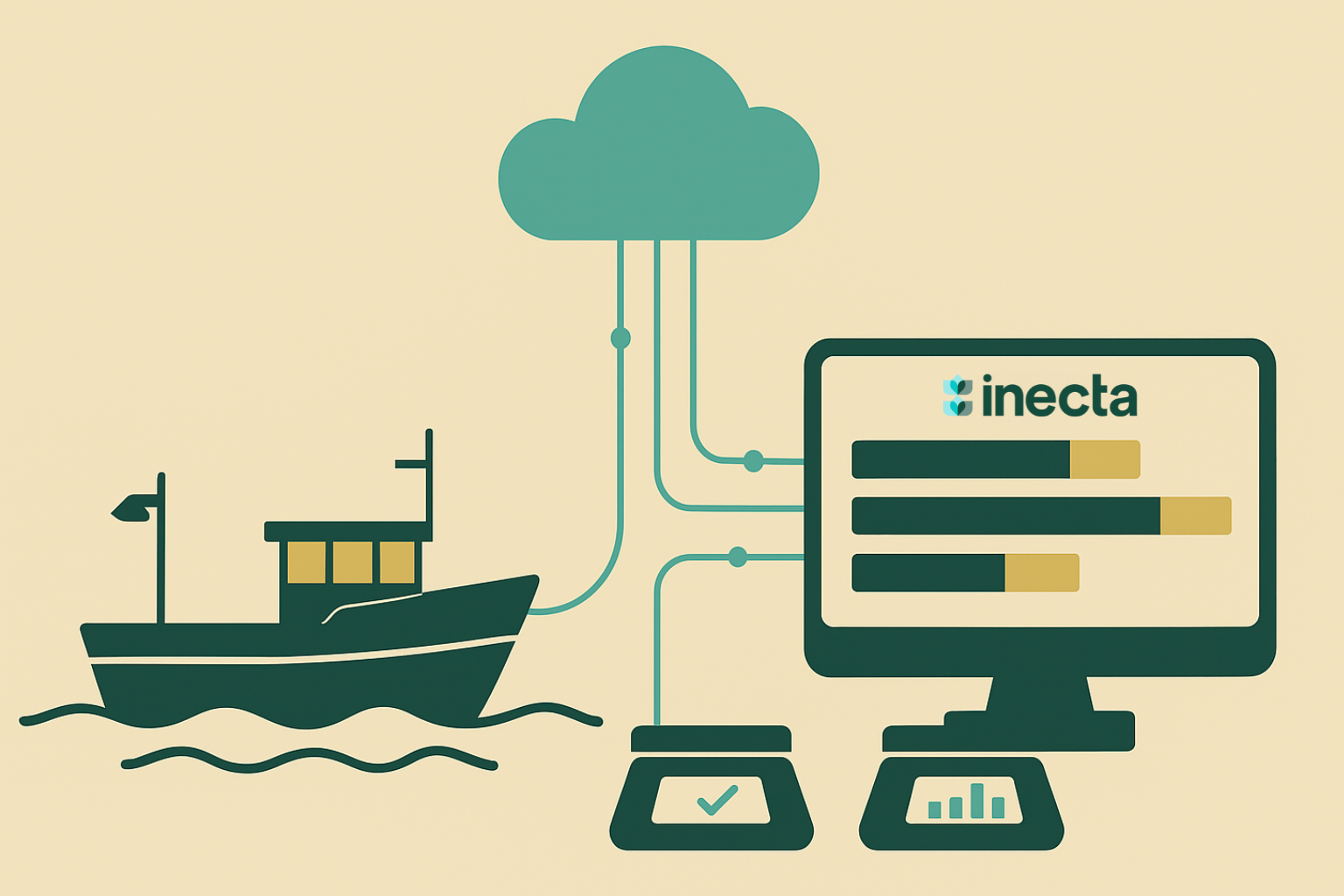
The fundamental problem with manual quota management isn't effort, it's fragmentation. Catch data originates on the vessel. Quota allocations live in a separate spreadsheet or regulatory portal. Trip settlements are handled by accounting. Lot tracking happens in the warehouse. No single person or system holds the complete picture.
When compliance officers need to verify quota status, they're stitching together information from multiple sources, often days after the catch was landed. That delay is where overages happen, documentation gaps appear, and audit findings pile up. The data isn't wrong, necessarily. It's just too late and too scattered to act on.
How inecta Food ERP Tracks Quotas by Vessel, Area, and Season
inecta Food ERP, built on Microsoft Dynamics 365 Business Central, replaces fragmented quota tracking with a structured system designed for seafood operations. Quota management lives inside the ERP alongside trip records, catch data, lot tracking, and financial settlement, not in a disconnected spreadsheet.
The system tracks quota allocations through dedicated objects: each Fishing Ledger Entry records a catch against its quota allocation. Vessel Area Season records define the allocation boundaries, which vessel, which fishing area, which season. Supporting this structure, Fishing Area and Fishing Season definitions establish the regulatory parameters that govern each allocation.
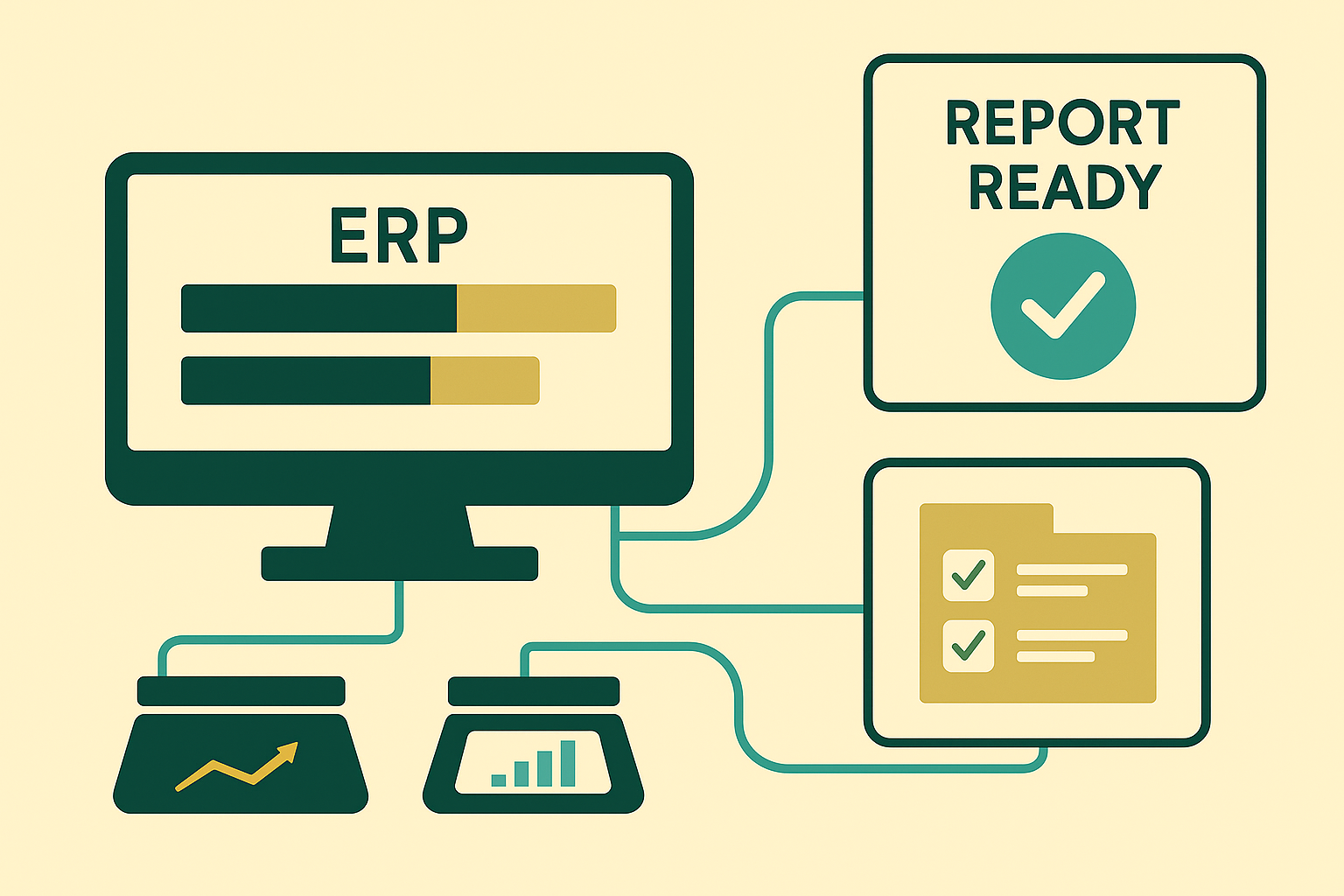
This means every catch entry is recorded against its specific quota context. When a trip closes, its catch data connects to the quota ledger, to the trip's financial settlement, and to the lot records that follow the product through your facility.
Trip Records Connect Catch Data to the Rest of Your Operation
Each fishing trip is captured through a Trip Card, a unified record of the vessel, dates, species, grades, and weights for that trip. Trip Cards are the operational backbone of inecta's fishery management: they connect catch data to quota tracking, drive settlement calculations for crew shares, and feed into lot assignments once product moves from dock to warehouse.
VTR (Vessel Trip Report) compliance documentation is built into the system. Rather than assembling compliance records from scattered sources after the fact, the data is captured as part of normal operations, recorded once and available for reporting when needed.
One System Eliminates the Gaps Between Departments
The real advantage of managing quotas inside your ERP, rather than alongside it, is connectivity. When quota tracking, trip records, lot traceability, inventory management, and settlement calculations all live in the same platform, every department works from the same data.
Operations sees what was caught and where it stands against seasonal allocations. Finance has accurate trip-level cost data for settlements. Quality and compliance teams can trace any lot back to its trip, vessel, and quota context. No rekeying, no reconciliation spreadsheets, no waiting for someone to update a shared file.
For companies managing multiple vessels, areas, and seasons simultaneously, this connected view replaces the patchwork of tools that most seafood operations have accumulated over the years.

FAQ
1. What is quota management in inecta Food ERP?
inecta tracks fishing quota allocations by vessel, area, and season through dedicated Fishing Ledger Entries. Each catch entry is recorded against its quota allocation and connected to trip records, lot tracking, and financial settlement.
2. Does inecta support VTR compliance reporting?
Yes. Vessel Trip Report compliance documentation is built into the system, drawing from trip and catch data recorded during normal operations.
3. How does quota tracking connect to other parts of the system?
Quota data connects to trip records, crew settlement calculations, lot traceability, and inventory management, all within a single platform built on Microsoft Dynamics 365 Business Central.
Ready to bring your quota tracking into one system?
Learn how inecta Food ERP connects catch data, trip records, and compliance documentation for seafood operations.
Request a demo: https://www.inecta.com/contact
Learn more about inecta Food ERP: https://www.inecta.com/food-erp