Lessons to Be Learned from COVID-19 for Agriculture

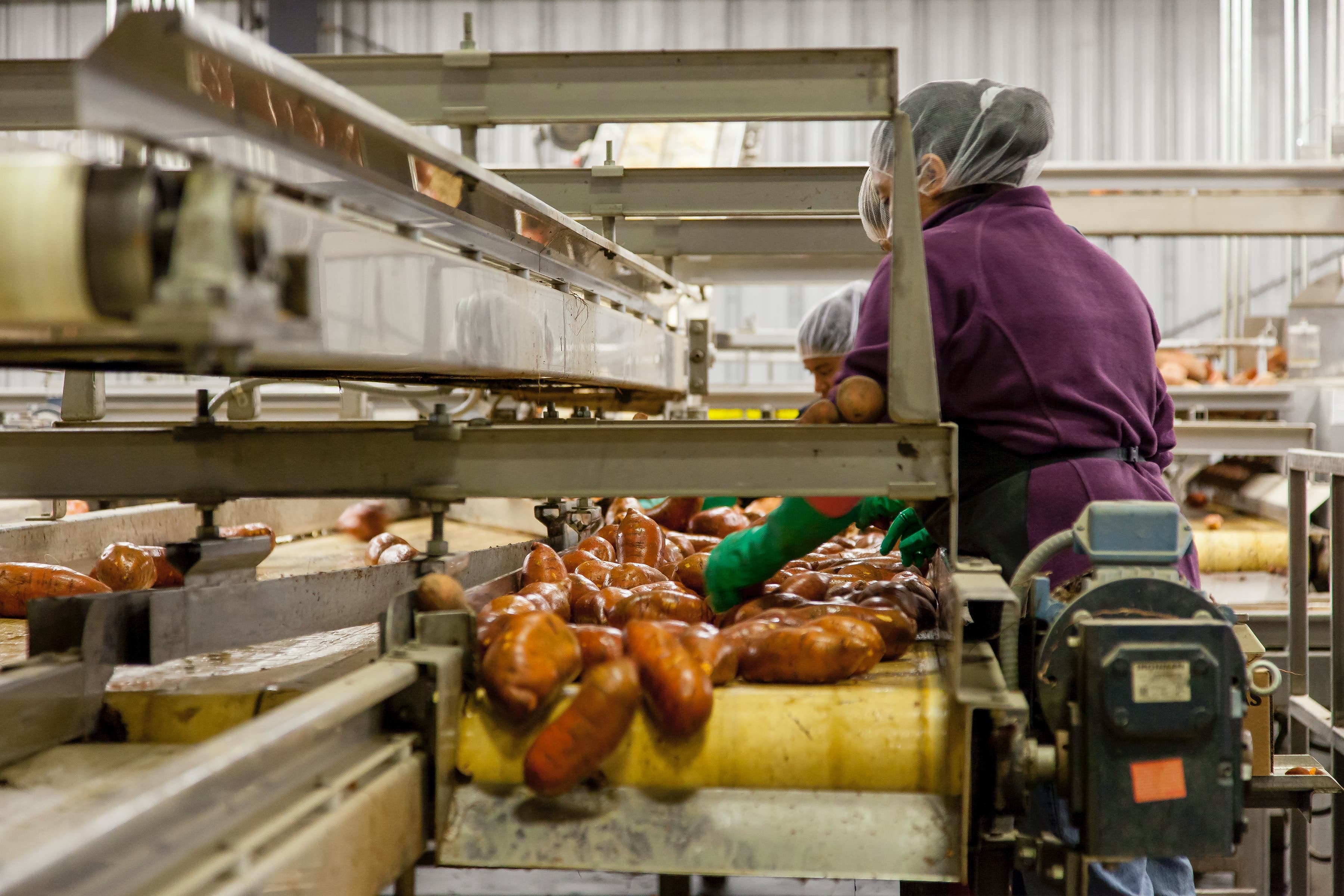
The coronavirus pandemic caused a lot of disruptions in the food supply chains, especially the food manufacturers and produce manufacturers faced a lot of difficulties in gathering the required raw materials and enough labor. The food and produce suppliers were unable to meet the demands and the whole situation can be labeled as a crisis.
Now that the coronavirus is starting to settle down a little, we should take a glance at the world and must learn the lessons that this pandemic taught us.
First of all, the USDA or the United States Department of Agriculture should take charge and be the primary federal agency to coordinate and oversee all agricultural activities. It should start with stabilizing the economy with food security being considered as domestic security. The domestic and global supply chains are the crucial components of agriculture, so they must be made accessible for the produce growers. The USDA should provide adequate funding to ensure that the farmers and ranchers have enough supplies to stable themselves and their business, so in case there is another catastrophe, the economy and food supply chains would not be affected as they were due to the coronavirus.
It is also recommended that Agriculture should be the top priority for the testing and distribution of all sorts of personal protection equipment. Without adequate food security, the system can collapse very easily. We also witnessed meat plants being the hotspots and epicenters of coronavirus outbreaks, they should be properly monitored for their cleanliness and their transparency. Produce growers, who mainly grow seasonal produce were also affected badly, they should get the chance for delayed field hearings, especially for the produce growers in Georgia and Florida.
The USDA should also focus on long-term plans, rather than short-term plans. Long-term policies remove the uncertainty with the produce growers and food manufacturers. It makes it easier for them to plan ahead and in this current economy, we need that. The economy will take some time to be stable again, meanwhile, the USDA should provide every opportunity for farmers to help with regards to that.
It is said that the bad times provide the toughest and more resilient people. This can be true for the interactions between the state and federal governments. The ease in communications between these two sections of the government shows that there is less communication gap, so it is relatively easier for the authorities to come up with better policies that suit the produce growers and ranchers at the grass-root level. The policies that will help them to stabilize their businesses. It would be geared for a specific state rather than one policy for every state.
We have been through a crisis of a lifetime and it is high time that we start planning for life after it. But this time, instead of focusing on being quick to stabilize everything, we should be focusing on a better and more stable approach. One approach might be the use of Food ERP and Produce ERP. The use of this software can help the food manufacturers and food producers in the smart management of the produce and resources. It might take a little more time but we would be doing things right and in case there is another pandemic, produce growers would be able to satisfy the food needs.