
Why Lot Tracking Begins With Accurate Inventory

TL;DR
Traceability is only as reliable as the inventory data behind it. If quantities, locations, or lot balances are inaccurate, even the most advanced lot-tracking system breaks down. For food manufacturers, distributors, and processors, inventory accuracy is the foundation that enables true end-to-end traceability.
inecta Food ERP ensures every lot movement, adjustment, and consumption is recorded in real time, so traceability is not just documented, but dependable.
Traceability Fails When Inventory Can’t Be Trusted
Many companies believe they have traceability because they can search for a lot number.
But when a recall, audit, or customer inquiry happens, confidence collapses if:
-
On-hand quantities are wrong
-
Locations don’t match reality
-
Consumed lots don’t reconcile
-
Adjustments are made manually
-
Inventory records lag behind operations
Traceability isn’t just about knowing where a lot has been, it’s about knowing how much of it exists, where it is now, and what it was used for.
Without accurate inventory, lot tracking becomes a guessing game.
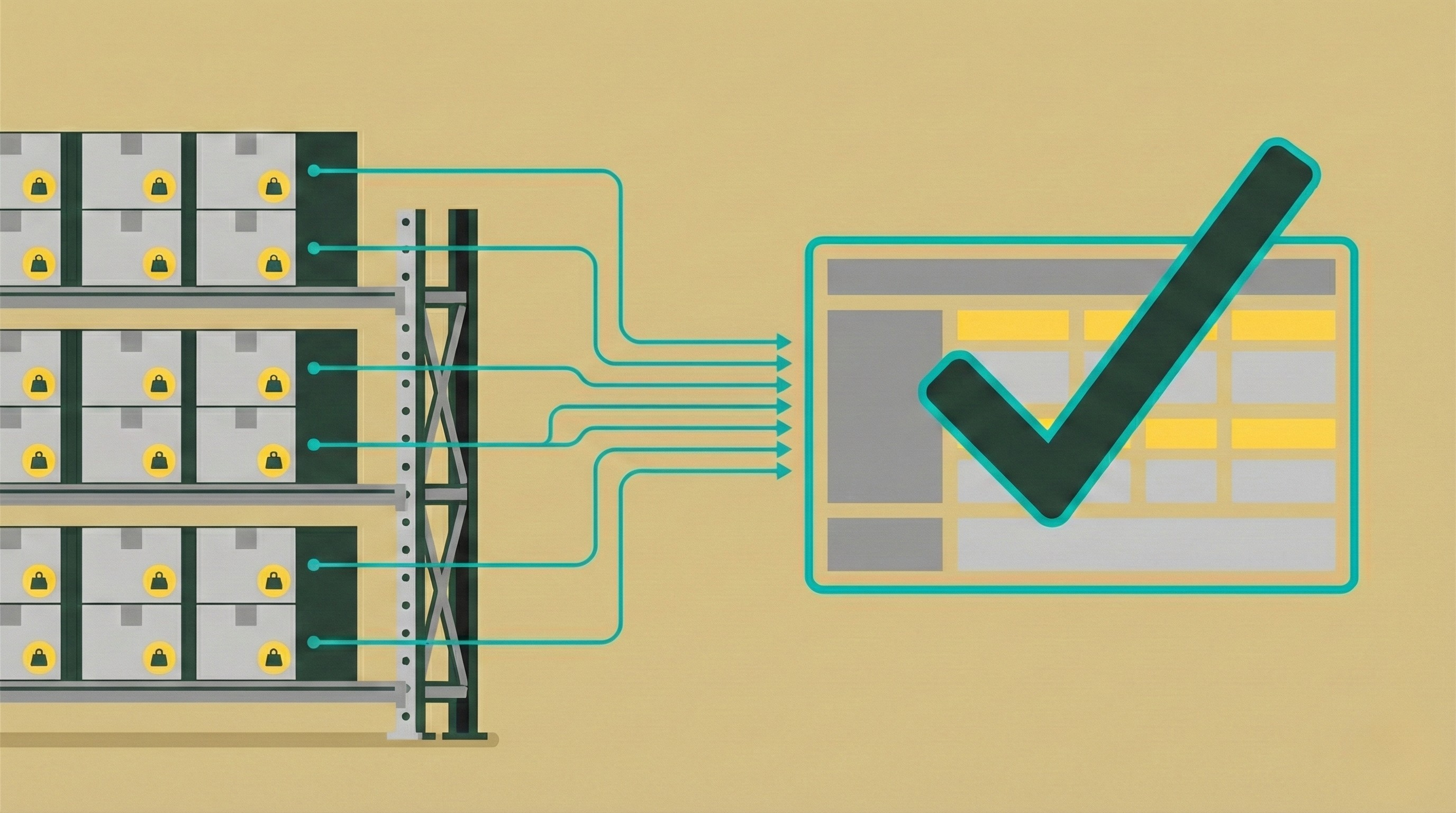
Inventory Accuracy Is the Backbone of Lot Traceability
Lot tracking relies on a simple truth:
You can’t trace what you can’t accurately count.
If inventory is inaccurate, downstream traceability breaks in critical ways:
-
Recalls over-scope or under-scope affected product
-
QA teams can’t confirm exposure
-
Customers lose confidence
-
Regulators flag inconsistencies
Accurate lot tracking requires:
-
Real-time inventory movements
-
Lot-level quantity validation
-
Location-level visibility
-
Consumption tied to production
-
Controlled adjustments with audit trails
Traceability is not a reporting function, it’s an operational discipline.
Manual Inventory Processes Undermine Traceability
The most common traceability gaps originate on the floor.
Typical causes include:
-
Paper pick lists
-
Manual transfers
-
Spreadsheet adjustments
-
Delayed transaction posting
-
Multiple systems tracking the same inventory
Each manual step introduces delay or error. Over time, those small errors compound into traceability failures.
inecta Food ERP eliminates these blind spots by:
-
Enforcing real-time inventory transactions
-
Recording lot movements automatically
-
Validating quantities at every step
-
Preventing off-system adjustments
When inventory is always current, lot tracking stays intact.
Production & Consumption Must Be Lot-Accurate
Traceability often breaks during production.
Common issues:
-
Lots consumed without confirmation
-
Partial usage not recorded
-
WIP balances drifting from reality
-
Yield discrepancies masking lot errors
inecta ensures:
-
Every lot consumed is explicitly recorded
-
Production output inherits lot lineage
-
WIP is visible and traceable
-
Yield variances are flagged immediately
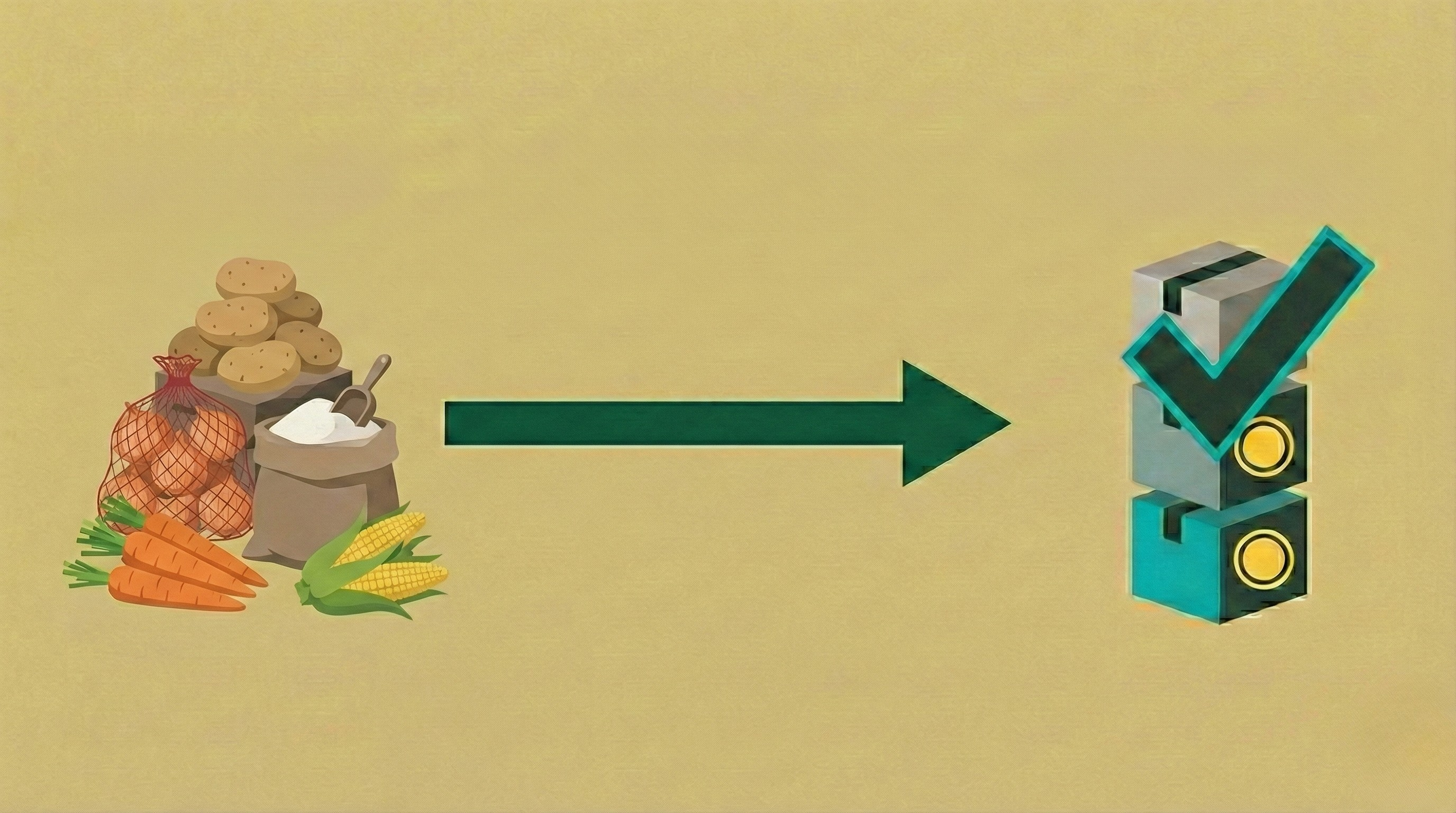
This preserves full backward and forward traceability, from raw material to finished product.
Accurate Inventory Protects Recall Scope & Compliance
In a recall, inaccurate inventory creates two equally dangerous outcomes:
-
Over-recall: destroying safe product and revenue
-
Under-recall: regulatory exposure and brand damage
Regulators expect traceability records to align with inventory balances.
inecta supports compliance by:
-
Maintaining continuous lot balance accuracy
-
Recording adjustments with justification
-
Enforcing location-level traceability
-
Producing recall-ready reports instantly
Accurate inventory narrows recall scope and strengthens compliance defensibility.
Real-Time Inventory Turns Traceability Into Insight
When inventory is accurate in real time, traceability becomes proactive.
Teams can:
-
Identify at-risk lots early
-
Track expiration exposure
-
Analyze yield and shrink by lot
-
Improve supplier performance
-
Strengthen customer trust
Traceability stops being a regulatory burden and becomes an operational advantage.
FAQ
1. Why does inventory accuracy matter for lot tracking?
Because lot traceability depends on knowing exact quantities, locations, and movements at all times.
2. Can you have traceability without real-time inventory?
No. Delayed or inaccurate inventory data breaks lot lineage and recall accuracy.
3. How does ERP improve traceability accuracy?
By enforcing real-time inventory transactions, automated lot tracking, and audit-ready records.
4. What causes most traceability failures?
Manual processes, delayed postings, spreadsheet adjustments, and disconnected systems.
Traceability doesn’t start at the report, it starts on the floor.
When inventory is accurate, lot tracking works the way it should.
See how inecta Food ERP helps organizations build traceability on a foundation of real-time inventory accuracy.
Learn more about inecta Food ERP: https://www.inecta.com/food-erp