
Quality Control Without Chaos: How to unify Certs, Documentation & Recall Readiness
TL;DR
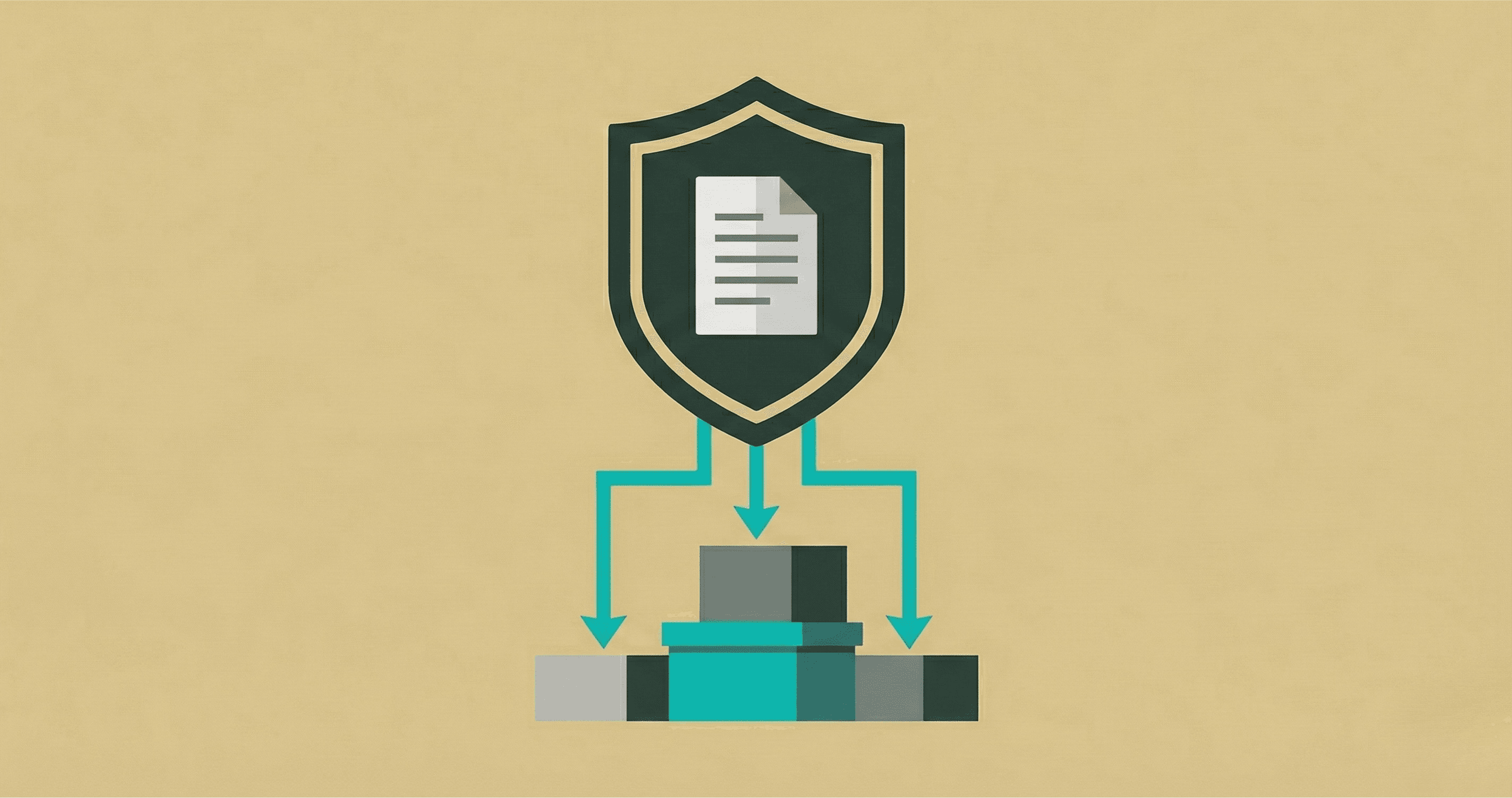
Quality control only works when certifications, documentation, and recall processes are connected not scattered across systems, spreadsheets, and file folders. When QA data lives outside operations, businesses lose visibility, slow down recalls, and increase compliance risk.
inecta Food ERP unifies quality control, certificates, documentation, and recall workflows into one system so food businesses stay compliant, audit-ready, and recall-prepared without operational friction.
Quality Control Breaks When Information Is Fragmented
Most food businesses don’t fail audits because they lack processes.
They fail because information is fragmented.
Common realities include:
- Certificates stored outside the ERP
- QA documentation detached from inventory and lots
- Manual approval workflows
- Recall plans that look good on paper, but aren’t testable
- Compliance data that lags behind operations
Quality control doesn’t fail all at once.
It erodes quietly until a recall, audit, or customer inquiry exposes the gaps.
True QC requires connected data, not disconnected documents.
Quality Control Must Live Inside Operations
Quality control often gets treated as a parallel process separate from production, inventory, and shipping.
That’s where problems begin.
When QC lives outside operations:
- Lots are approved without context
- Holds are applied too late
- Certificates aren’t enforced consistently
- QA teams react instead of control
inecta embeds quality control directly into operational workflows:
- QA checks tied to lots and inventory movements
- Holds enforced at the system level
- Approval gates integrated with receiving and production
- Quality status visible in real time
Quality becomes enforceable, not advisory.
Certificates & Documents Are Only Valuable When They’re Linked
Most companies have certificates.
The issue is access, relevance, and enforcement.
Disconnected certificates lead to:
- Missing documentation during audits
- Certificates applied to the wrong lots
- Expired certs going unnoticed
- Manual document chasing
inecta centralizes and enforces documentation by:
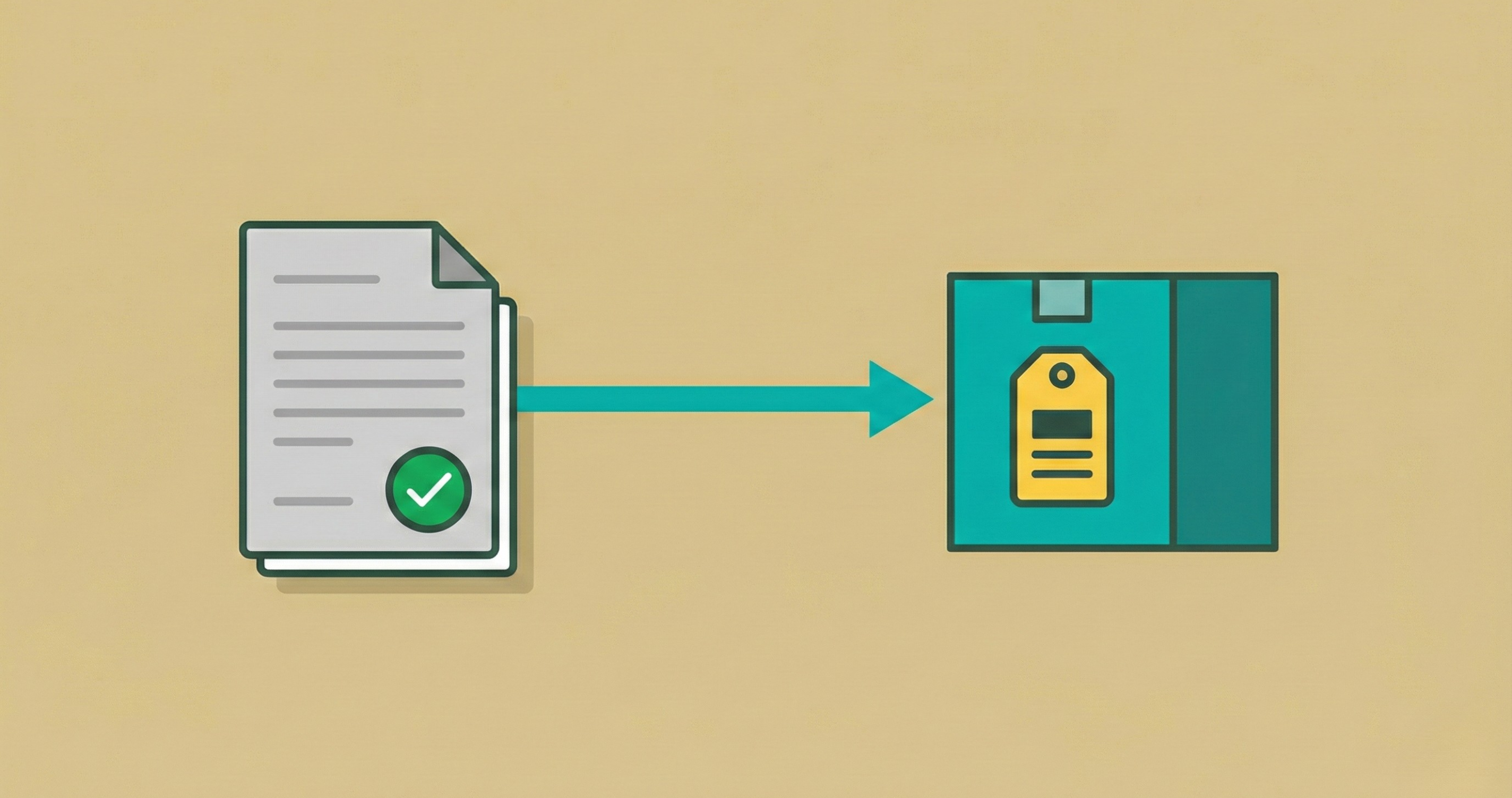
- Linking certificates directly to lots, vendors, and products
- Checking certificate requirements against lot, vendor, and product records
- Surfacing document expiry dates and certificate status across lots
- Making certs instantly accessible for audits or customers
Documentation stops being a filing exercise and becomes an operational control.
Recall Readiness Is a Daily Discipline , Not an Emergency Plan
Every food company has a recall plan.
Few can execute one cleanly.
The difference comes down to data integrity.
Recall challenges usually stem from:
- Incomplete lot lineage
- Inventory mismatches
- Manual traceability reports
- Unclear quality status history
- Slow document retrieval
inecta makes recall readiness continuous by:
- Maintaining real-time lot traceability
- Preserving quality status history by lot
- Linking certs, inspections, and holds to affected product
- Generating recall reports instantly
When recall data is always current, execution becomes controlled not chaotic.
QA, Compliance & Operations Need a Single Source of Truth
Quality control touches multiple teams:
- QA
- Operations
- Inventory
- Finance
- Compliance
- Customer service
When each team sees different data, trust disappears.
inecta aligns all stakeholders by:
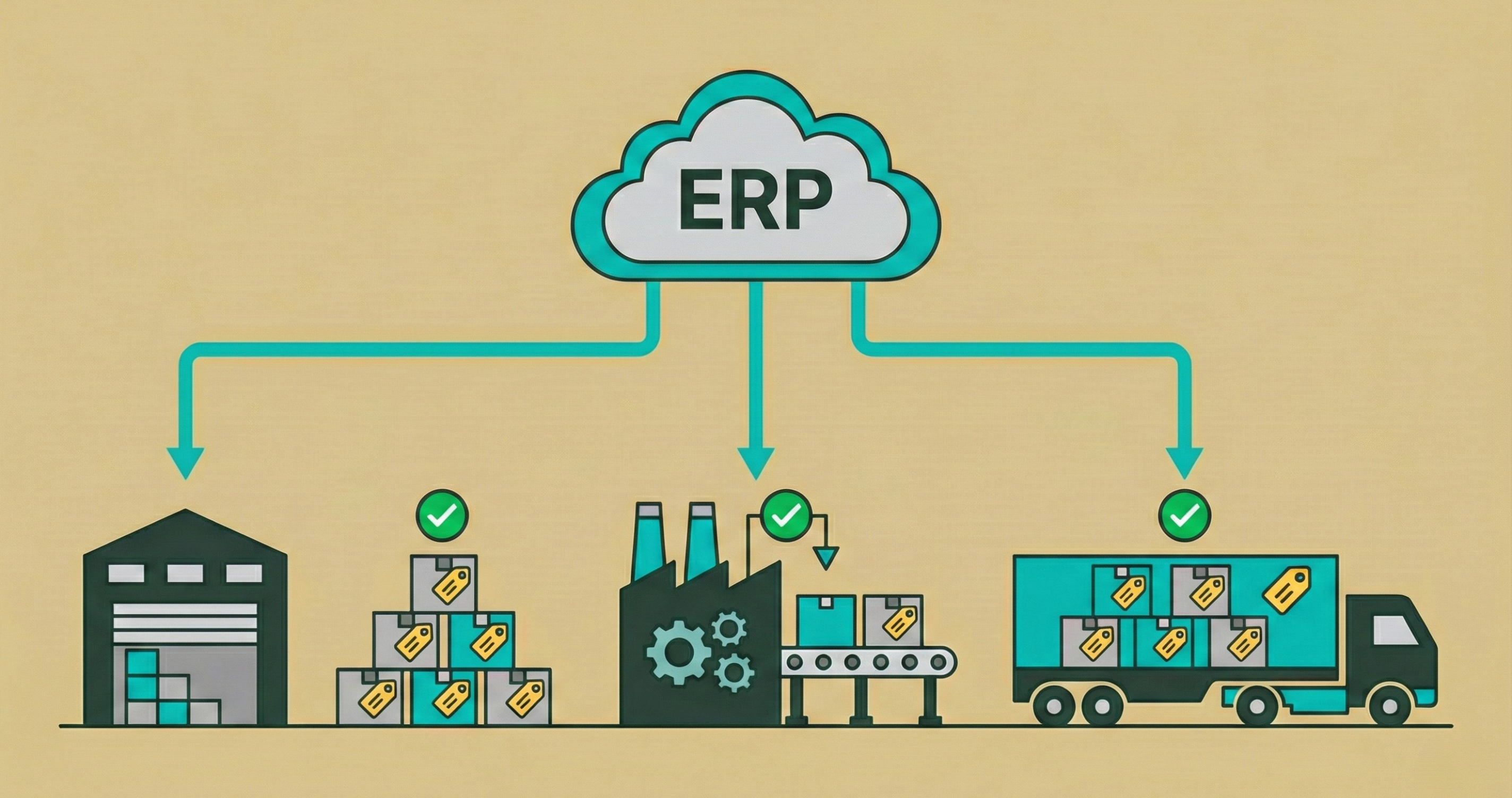
- Using one system for QC, inventory, and documentation
- Ensuring quality status flows through production and shipping
- Providing audit-ready history without reconciliation
- Eliminating shadow systems and spreadsheets
Quality decisions become shared, transparent, and defensible.
Better Quality Data Means Faster Decisions & Fewer Disruptions
When QC data is unified:
- Holds are applied earlier
- Non-conforming product is isolated faster
- Documentation requests are answered instantly
- Audits become confirmations not investigations
- Customers trust your process
Quality control becomes a business enabler not a bottleneck.
FAQ
1. What does quality control mean inside an ERP system?
It means QA checks, holds, approvals, and documentation are enforced directly within operational workflows.
2. Why is document management critical for compliance?
Because certificates and QA records must be accurate, current, and linked to the correct lots to pass audits and recalls.
3. How does inecta improve recall readiness?
By maintaining real-time lot traceability, quality history, and documentation in a single system.
4. Can quality control slow down operations?
Manual QC can. System-driven QC actually prevents disruptions by catching issues earlier.
Quality control isn’t about more paperwork it’s about better data.
When certificates, documents, and recall workflows are unified, compliance becomes predictable and operations stay resilient.
Learn more: https://www.inecta.com/food-erp