
The Marine Stewardship Council or “MSC” label is a symbol of sustainability, wherein all brands that earn the label are committed to the betterment of our ocean’s populations. The label is only granted to those companies whom work actively towards the sustainability of our earth’s oceans. Catchers and packers need to be cognizant of the fish populations of the world, and work in cooperation with environmentalists to maintain healthy populations of certain species based on their status.
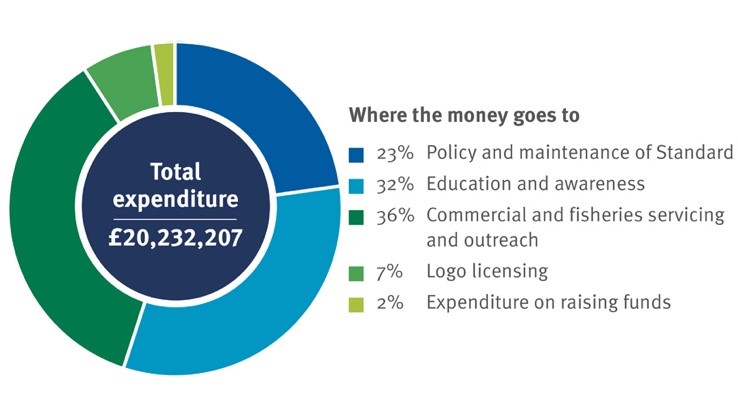
But how can we identify all of the ocean’s fish populations when most of these species reside in different parts of the globe? It’s up to the fisheries to take stock in what remains of a certain fish population, and actively work to avoid the overfishing of this specific population. It’s all about setting up responsible management systems that adhere to international fishing protocols that foster a sense of community within the seafood industry. We are on the precipice of putting one of our best sources of protein in jeopardy simply because of our collective abuse of limited fish populations. The MSC label aims to change all of this. They intend to reward seafood products that work actively to secure the sustainability of our oceans, and fish populations so that generations after can enjoy nutritious seafood for years to come. The hope is that customers will recognize the MSC label and acknowledge the product’s superior quality and commitment towards sustainability on behalf of our oceans. In the late 90s, the Marine Stewardship Council consulted dozens of leading scientists, marine biologists and environmentalists and they together created the standard for sustainable fishing. This standard provides a list of criteria by which seafood companies can be honestly and fairly judged based on their commitment (or lack thereof) to sustainable fishing practices. The money that the MSC earns goes towards the progression of sustainable fishing practices across multiple platforms. You can see the breakdown below courtesy of the Marine Stewardship Label website.
iNECTA is proud to be serving seafood companies that have taken this call to action seriously and have worked tirelessly to maintain their commitments to sustainability for the benefit of their own businesses, but more importantly for the good of these precious fish populations. The distinguished blue label of MSC offers the consumer peace of mind knowing they are buying sustainably caught seafood. The MSC label can already be found on thousands and thousands of seafood products worldwide. The MSC standard is comprised of three major principles:
- Fisheries must leave enough fish in the ocean to allow for sustainable reproduction of the population so that fishing could, in essence, go on forever.
- The fisheries must be actively working toward minimizing their negative impact on the environment. This is to encourage the strength and growth of all the oceans’ living organisms.
- The fisheries must be efficiently managed to foster the established commitment towards sustainability.
It’s in our best interest to heed the warning of MSC. If we do not encourage the sustainability of our oceans, good nutritious seafood will become more of a luxury item rather than a commonly consumable meal.