
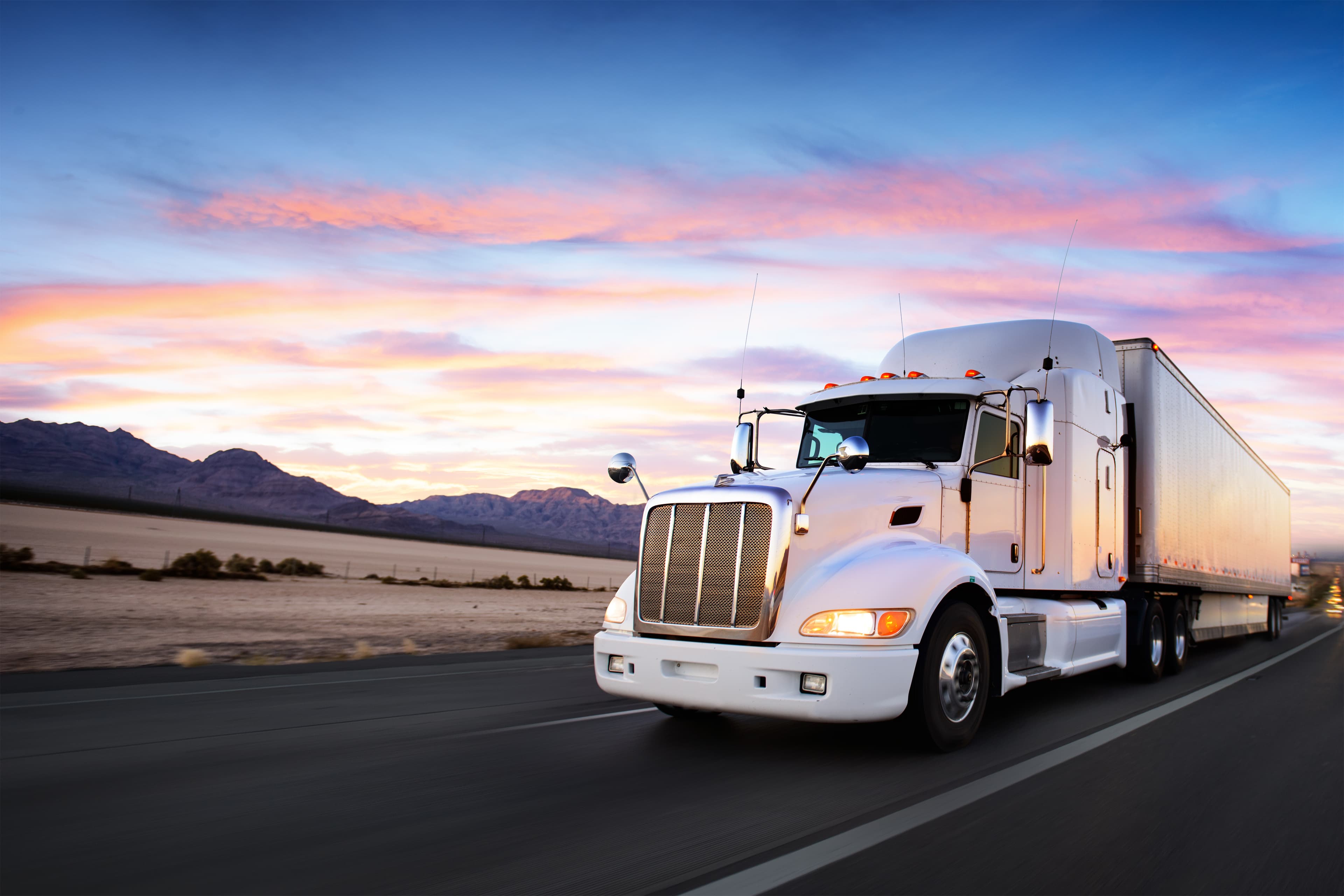
From multiple batches and types of products to timely deliveries across different destinations, logistics always pose a considerable challenge. This is even more so for the food manufacturing industry, where food items, often perishable are subjected to delays and longer routes due to mismanagement, leading to reduced quality and often even spoilage and thereby giving rise to customer dissatisfaction. The solution? Inecta’s transport management system integrated within Food ERP! So what exactly is a transport management system and why is it so important to have this feature in your ERP?
A transport management system is software that practically handles all transport-related logistics, decoding the entire process. Right from supply chain management, to lifecycle management and monitoring production for ensuring on-time deliveries, a transport management system is your one-stop-shop for all. It ensures that all products reach where they need to, on time and in the best possible condition, which in the food industry is of the utmost importance.
Advantages of Transport Management for Food ERP
Planning, Execution & Optimization: TMS integrated with Food ERP not only ensures a simplification of the entire planning process across each stage of the supply chain but also optimizes operations. Delivery points, routes, carrier types, and changing schedules, this system provides an integrated solution with real-time tracking and data of shipments, schedules, potential delays, and more.
Usability & Accessibility: Produce ERP with an effective transport management system that automatically facilitates documentation ensuring accessibility to real-time data, all in one space thereby creating a smooth end-to-end transaction for the facility.
Reduced Costs: ERP for food with TMS software reduces the responsibility on human resources for planning and managing the entire distribution process. This system integrated within the ERP for the food and beverage industry thus not only reduces the amount of manpower a facility needs to hire but also reduces costs by preventing food spoilage and contamination due to transport and distribution-related issues.
Customer Satisfaction: At the end of the day, customers want quality and delivery without delays. Food ERP with transport management system ensures that all transportation and distribution-related issues are resolved without issues beforehand, facilitating smooth and timely delivery for the customers, which at the end of the day is all that matters, a hassle-free transaction.
What’s next for Transport Management for Food ERP
With exponential technological advancements, transport management systems are also evolving, constantly growing to become more robust and resilient. From faster responses to integration with machine learning, the scope of its usability is expanding.
AI Integration: With strides in AI and machine learning, transport systems have the potential to integrate the same. Using historical information and data through machine learning, the systems can accurately forecast transit and delivery time and make accurate recommendations for planning and optimization.
Digital Assistance: Digital assistants such as chatbots can be used to establish faster communication between customers and the facility, providing real-time data and tracking directly for the customers, facilitating a transparent flow of operation for customers.
Block-Chain: With the highly connected features of blockchain technology, integration with transport management for food ERP can improve traceability across the supply chain, with real-time data accessible across carriers, shippers, and customers while ensuring the safety of information.
ERP has made operational efficiency a prerequisite to survival. With TMS integrated with ERP, not only are the overall efficiency standards increased, businesses tend to save a bundle in associated costs. With return on investment being the driving force among food producers, Food ERP with an integrated TMS is how food producers not only survive but thrive in the industry.