RFID TECHNOLOGY: THE NEXT BIG THING
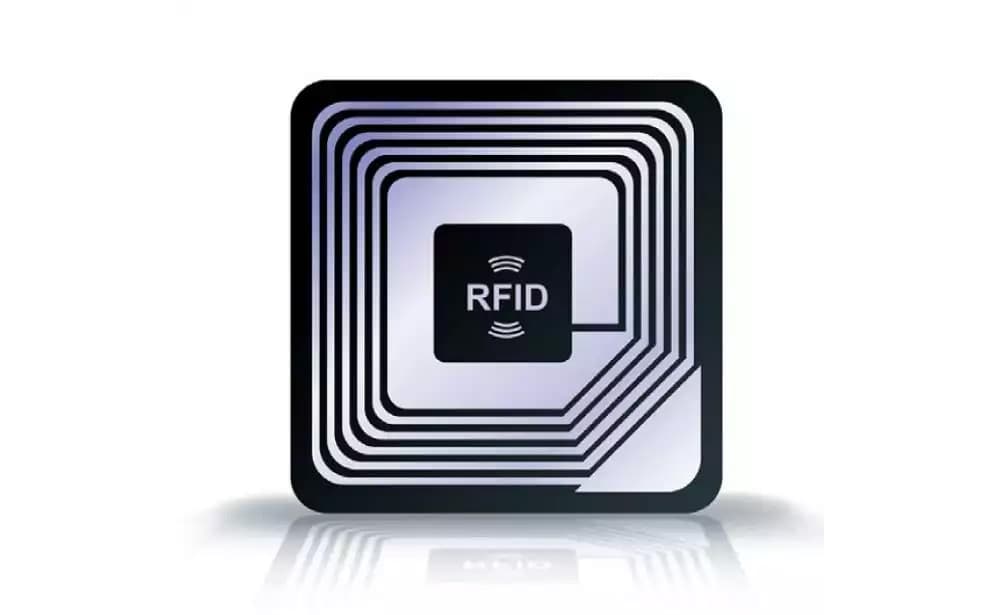
One of the up and coming technologies in the world of operational efficiency is Radio Frequency Identification (RFID). RFID is a know-how leveraging radio waves to unreceptively identify a tagged object.
Radio Frequency Identification works through a small electronic device more often than not a microchip with stored information. These devices although quite small in size can still hold large amounts of data. The scanners used to read these devices can also provide enough electricity to allow them to read the microchip.
What is an RFID Reader?
An RFID Reader is the mind of the RFID system and a prerequisite for operation. Readers, also called interrogators, are devices that transmit and receive radio waves in order to communicate with RFID tags. RFID readers are typically divided into two distinct types:
- Fixed RFID readers
These readers stay in one location and are mounted on walls, on desks, into portals, or other stationary locations.
- Mobile RFID Readers
Mobile readers are hand-held tools that permit for elasticity when reading RFID tags while still being able to connect with a host computer or smart device.
Types of RFID Readers
Barring fixed and mobile RFID readers, following are the other basis to differentiate RFID readers:
- Connectivity Options– Wi-Fi, Bluetooth, LAN, Serial, USB, Auxiliary Port
- Available Utilities– HDMI, GPS, USB, Camera, GPS, GPIO, 1D/2D Barcode, Cellular Capabilities
- Processing Capabilities– OnBoard Processing, No OnBoard Processing
- Power Options– Power Adapter, PoE, Battery, In-Vehicle, USB
- Available Antenna Ports– No External Ports, 1-Port, 2-Port, 4-Port, 8-Port, 16-Port
How Can RFID readers be used?
The generic applications of RFID readers are as follows:
- Inventory Tracking
- Supply chain management
However, the uses are more specialised and can be differentiated based on company and industry. The major differentiator of RFID application is the fact that it identifies individual items quickly and efficiently when compared to the traditional systems.
To dig deep into specific application let’s look at the following example:
One classic application of RFID readers is its use in Food ERP software. A company which has leveraged RFID by integrating it with its technology is iNECTA.
A gold certified partner of Microsoft, iNECTA offers RFID technology in iNECTA food erp solutions. To speak volumes of which lets look at the benefits driven from it:
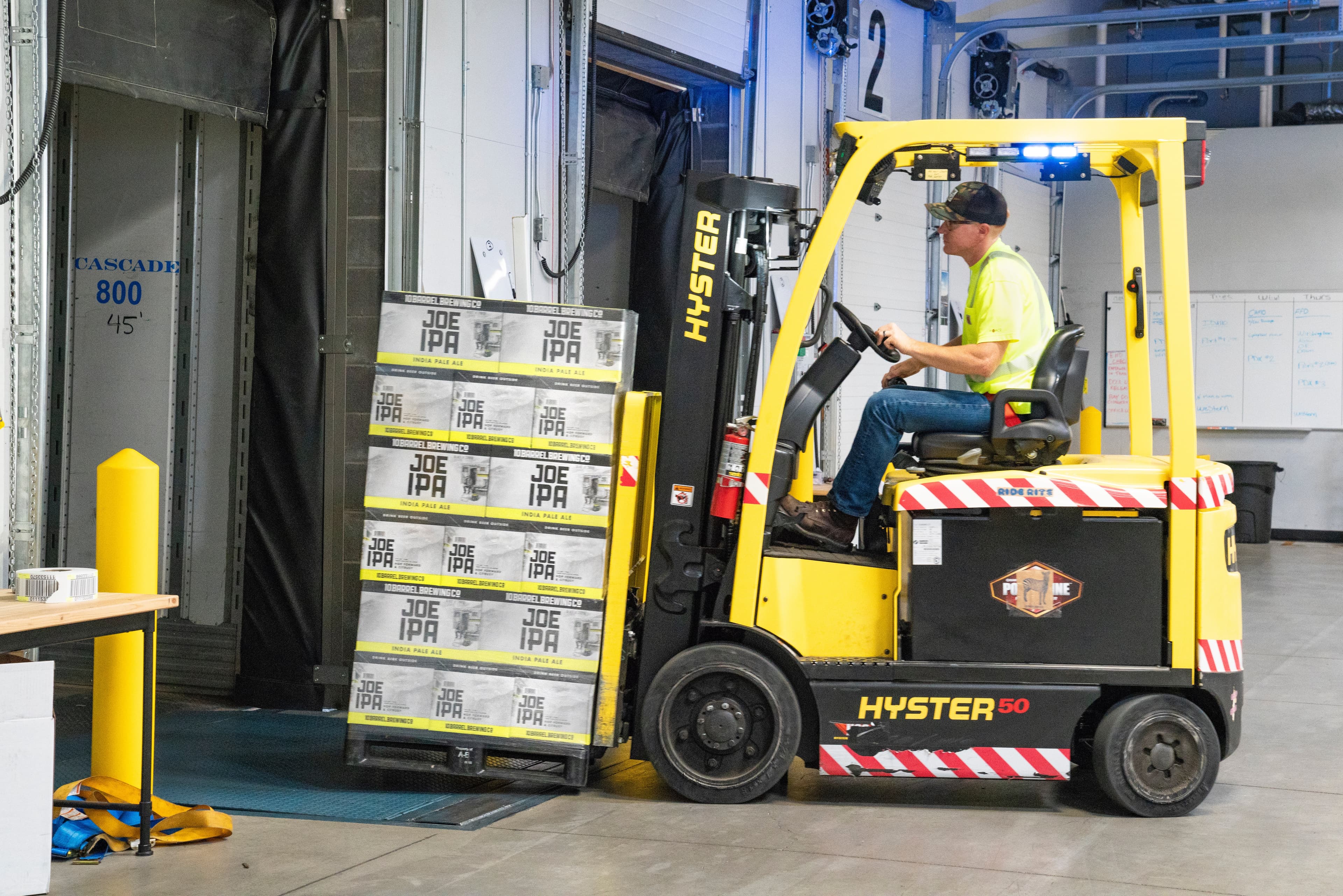
- Warehouse Management
With RFID technology, maximum visibility and efficiency is up for grabs in high volume, rugged environments from industry leading read rates and exceptional read accuracy to superior RF sensitivity thus bringing warehouse management to the table
- Inventory management
RFID technology enables inventory tracking mechanism wherein items are tracked at entry/exit points as well as transition points within a facility
- Transportation
With RFID, tracking location of inventory at all times is possible as one can understand where it is headed and not only make transportation efficient but also secure transportation and avoid theft at the same time.
By bringing RFId technology to the table, iNECTA differentiates itself from other food ERP solutions, speaking volumes of how useful RFID integration to a software is. With every company seeking to drive process efficiency to a new high and transaction cost to a new low, RFID technology has emerged as the next big thing. For, RFID is how the best of food solutions are differentiating themselves from the rest.