Customization in Food Manufacturing
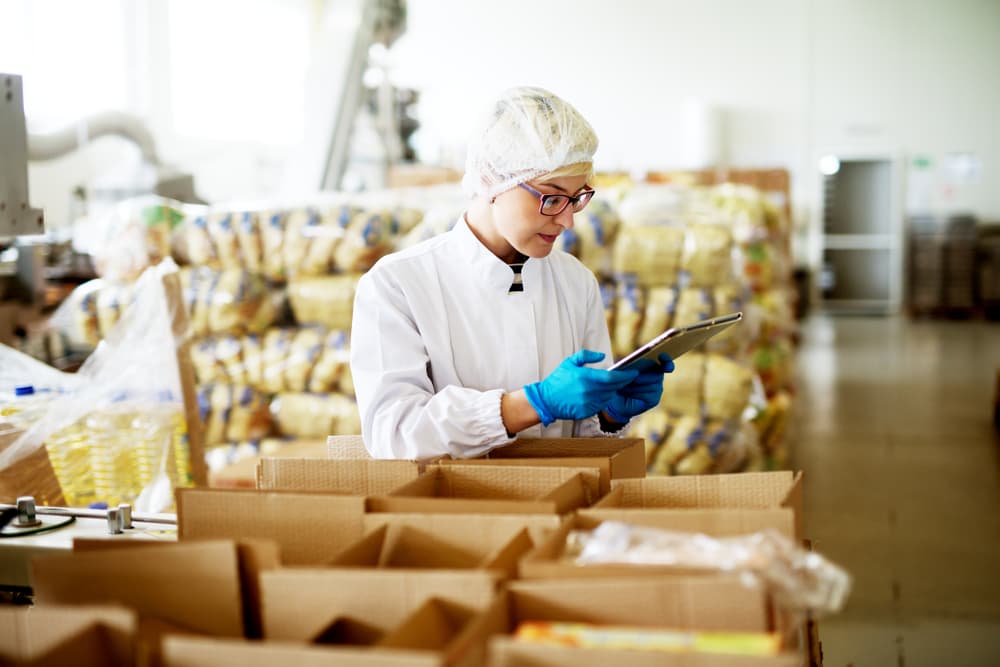
Food manufacturers have seen a sizable increase in demand for customization and have done their best to heed the call and offer customizable options to consumers. However, there is a desire for more automated customization. As it stands, customization is largely conducted via human interaction rather than automation. Food manufacturers are allocating a considerable amount of effort to implementing automatic customization capabilities. The IIoT or Industrial Internet of Things has improved automation across the board, however, customers are left a bit wanting in regard to customization. With the fantastic innovations made to automation, devices can connect and communicate with one another, and with workers within a particular industry. This technology has supplemented food manufacturing in many ways yet has not been fully realized in the world of customization. As a result, many companies are venturing outwards, putting this technology to the test to offer customers personalized options that fosters a connection between the brand and themselves.
There’s a large margin for improvement, as even some of the biggest names and brands still rely on human interactions to execute customizations on orders and shipments. Some experts say that the genesis of the demand for customization began with a simple marketing campaign from Coca-Cola which featured different names on cans and bottles. People loved finding custom bottles and cans of Coke with their individual name. This was just a glimpse of what kind of demand there is for customization.
The problem is trying to get this level of customization produced at an automated level. Imagine a food product that can be molded to fit a customer’s precise preference based on diet and taste. Like a carton of ice cream that is customized based on the amount of sugar or dairy content that the customer desires. The issue with this concept is finding a way to enhance production lines to fit more than the “one size fits all” programming that currently exists in factories. This type of customization through automation would require heightened networking of production lines. However, leveraging IIoT devices, and machinery, factories could program machinery to react to custom orders made by customers automatically.
It makes sense that technology has been developed to cater to this demand, and thanks to cutting-edge SCADA software, custom orders can send a signal to the machine and automatically process the custom order seamlessly every time. The intangible value of customers getting not only the product they desire, but in the exact variation of the product they desire is immeasurable. Have you ever thought to yourself something like, “I wish these potato chips were less salty”? Well, with premier automation technology, signals can be sent to the machinery which will allow the production line to acquiesce the request instantly, and the machinery will dispense less salt and make for satisfied customers that will appreciate their preferences being met.
There’s still a long way to go for automation. Hopefully, with the help of futuristic technology, more and more products will become customizable. The sky is the limit, because there isn’t a single product that you own that can’t apply this concept to. People want what they want, and they want to be more specific about what they want in the future.