
Cloud ERP: The Next Big Thing
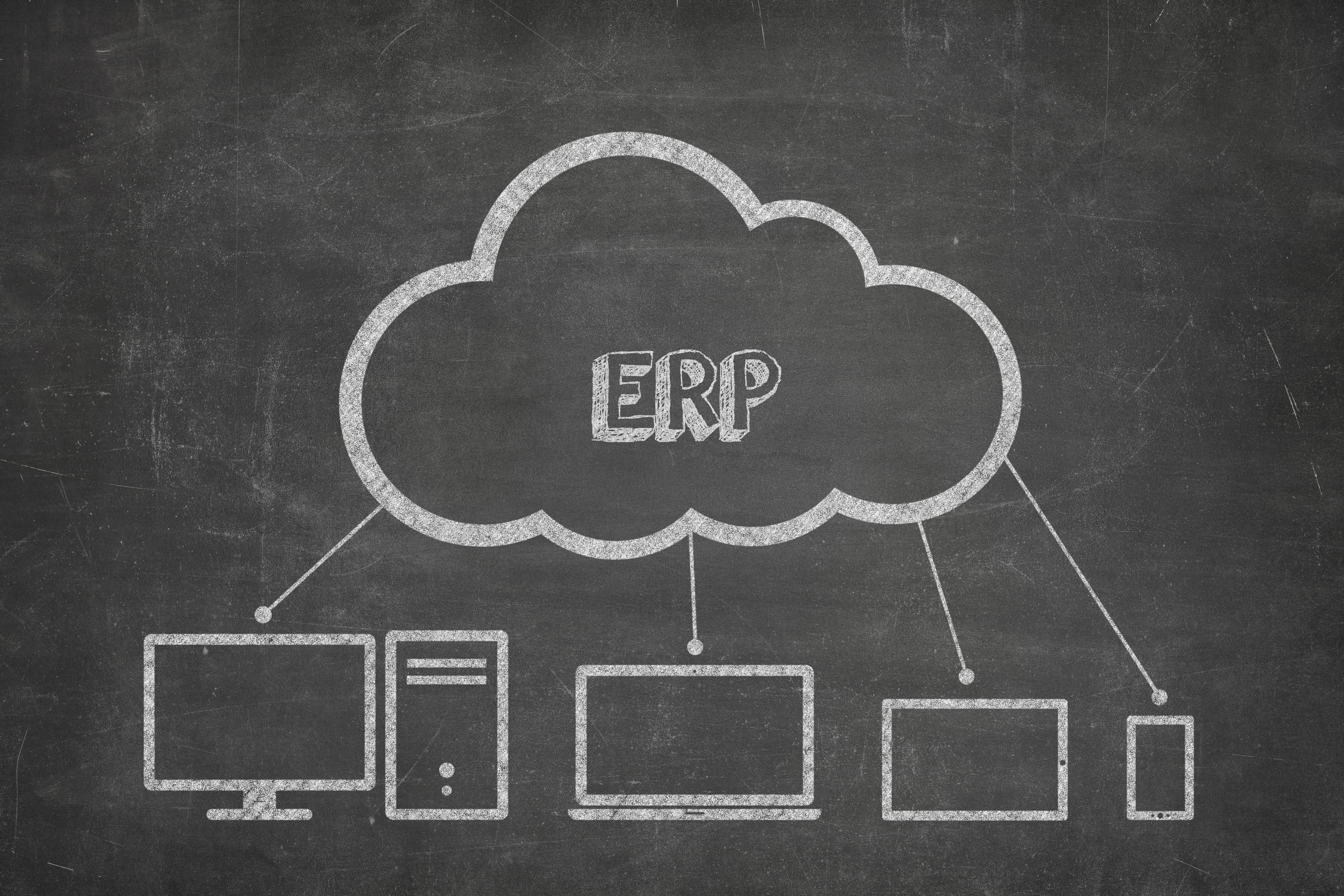
Technology has evolved exponentially, witnessing game-changing innovations with each passing day. To speak volumes of this from the first ERP system created in 1972 to the introduction of the earliest versions of cloud computing-based ERP system in 1998, ERP-based technology constantly evolves with newer, innovative structures and processes. This growth across industries has led to the popularity of cloud ERP, which is what makes it the next big thing. So, one may wonder, what exactly is cloud-based ERP, and how it has transformed industries like food manufacturing to bring about operational efficiency.
Pros of Cloud-Based Platforms
As you may or may not already know, cloud-based systems offer the ability to access your information from any capable device. This means that you are no longer tethered to on-premises operating systems. With a cloud-based platform, all of your business's information can be accessed from anywhere at any time. This offers you and your business ultimate mobility and flexibility, having the ability to access precious data from anywhere your work takes you. This format is becoming more and more necessary for ERP, as businesses require instant access to their data from multiple geographical locations at once.
Advantages of Cloud ERP for Food:
Scope for Innovation: Cloud-based food ERP provides flexibility and scope to make changes in the supply systems and processes without disrupting the functionality of the software. It also ensures that the quality of the end product, despite the expansion, is maintained.
Inventory Accuracy: Across all organizations in the food and beverage industry, inventory poses a major issue. Since a large number of ingredients, especially within the processing units are extremely perishable, inventory management becomes a key issue. Cloud-based ERP for the food manufacturing industry provides faster and detailed traceability of ingredients and makes allocation easier, upstream, and downstream. This also reduces costs incurred for holding inventory, counters food wastage by accurate tracking of perishable items, and minimizes delays due to the unavailability of ingredients.
Mitigate Risks & Improve Security: Food regulatory bodies such as FDA often introduce rules and regulations that need to be complied with. A food and beverage cloud-based ERP system integrates HACCP as well as FSMA rules within its automated software allowing due compliance and thereby mitigating potential hazards. Moreover, within this system, data security and server maintenance are the responsibility of the service provider, thereby reducing the financial burden and risks of keeping data safe.
Reduced Costs: A cloud-based food manufacturing ERP has comparatively lower costs as the system does not require the hardware for computing systems. It also eliminates the need to keep in-house IT support for the food ERP system, as all IT issues are handled by the software provider at the data center.
What’s next for Cloud ERP?
Cloud ERP is constantly evolving with newer additions and updates, making the process as efficient as ever. A large number of SMBs have incorporated this technology within their systems. According to experts, the system may incorporate disruptor technologies such as artificial intelligence as well as machine learning, further optimizing the overall process of cloud ERP. This move could be revolutionary for the food manufacturing industry.
With profit being the name of the game, efficiency is what food producers need to stay and win. This makes cloud-based ERP a hot commodity in the food manufacturing industry, as price or product differentiation is what separates the best of food manufacturers from the rest.