
Insights and guides for food industry professionals, from ERP implementation to supply chain optimization.

Food by nature is a perishable item prone to contamination and spoilage. With widespread stress on food safety and hygiene due to the pandemic, food traceability has become a prerequisite for all companies operating within the sphere. Food safety organizations and bodies such as the FDA have implemented rules and regulations. Under FDA’s new blueprint, establishments need to maintain documentation of processes for listed food products, as a move towards improving traceability, reducing contamina
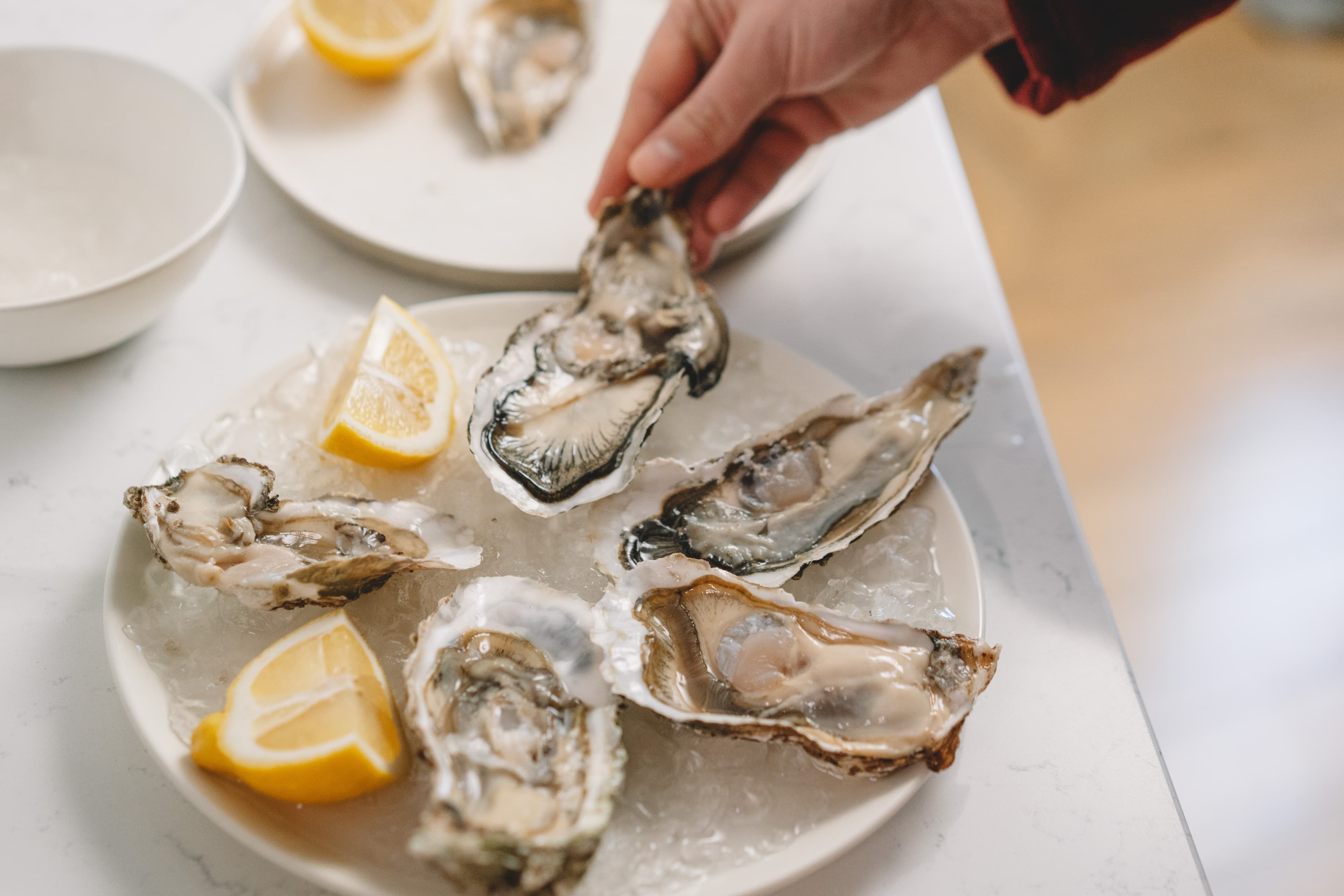
One of the hottest debates in the seafood industry around the world has been about seafood consumption during the summer season. Owing to factors such as freshness and quality control, not all seafood is sustainable to consume in the scorching heat.
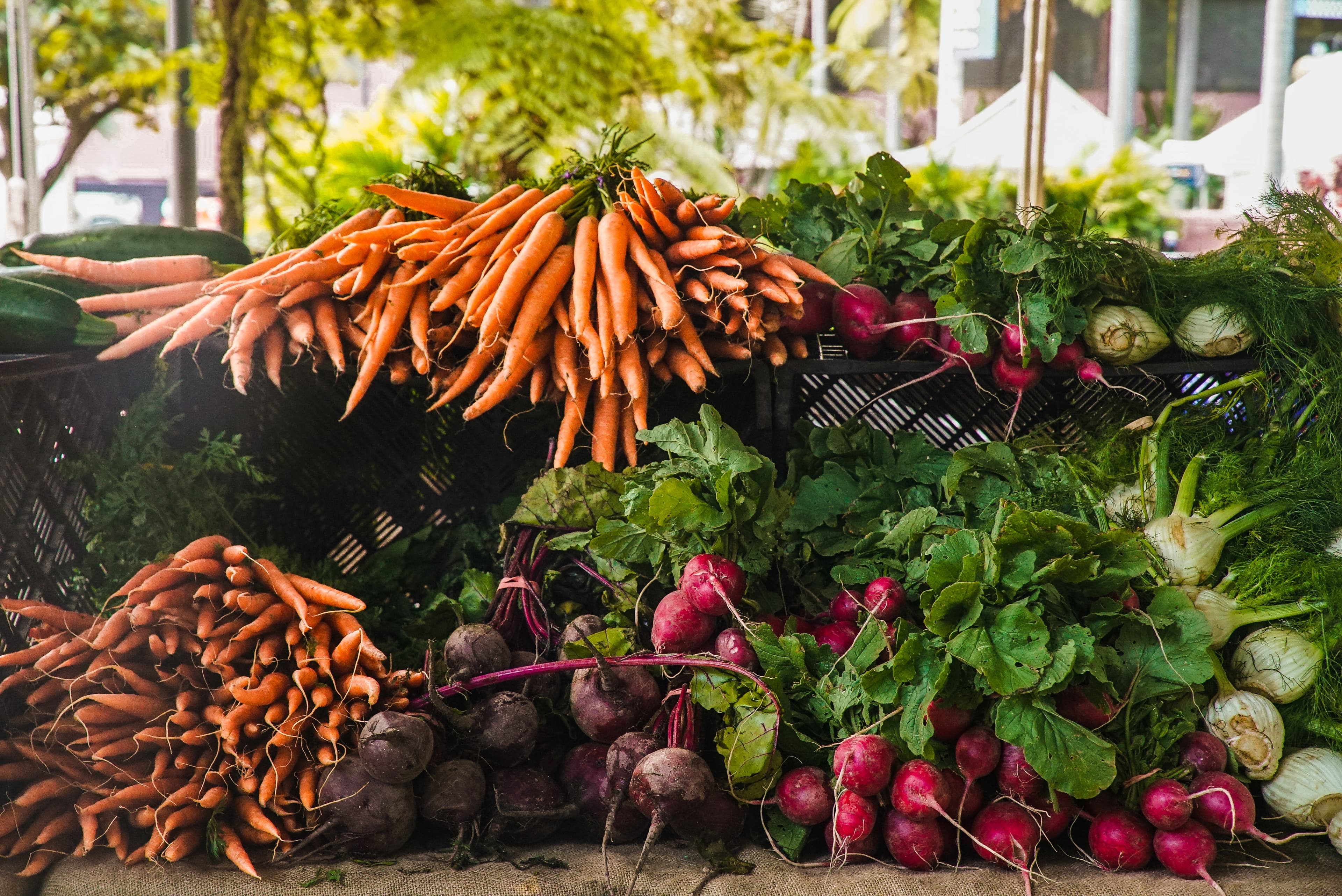
Over the years as the world population was increasing the only thing which gained significant importance was food production and this was achieved through usage of chemicals, pesticides, preservatives etc. But over a period of time people have now realized the importance of organic food as a means of living a healthy life. The term “organic” here refers to the process of how certain foods are produced. Organic foods are grown or cultivated without the use of chemicals, artificial hormones and GM
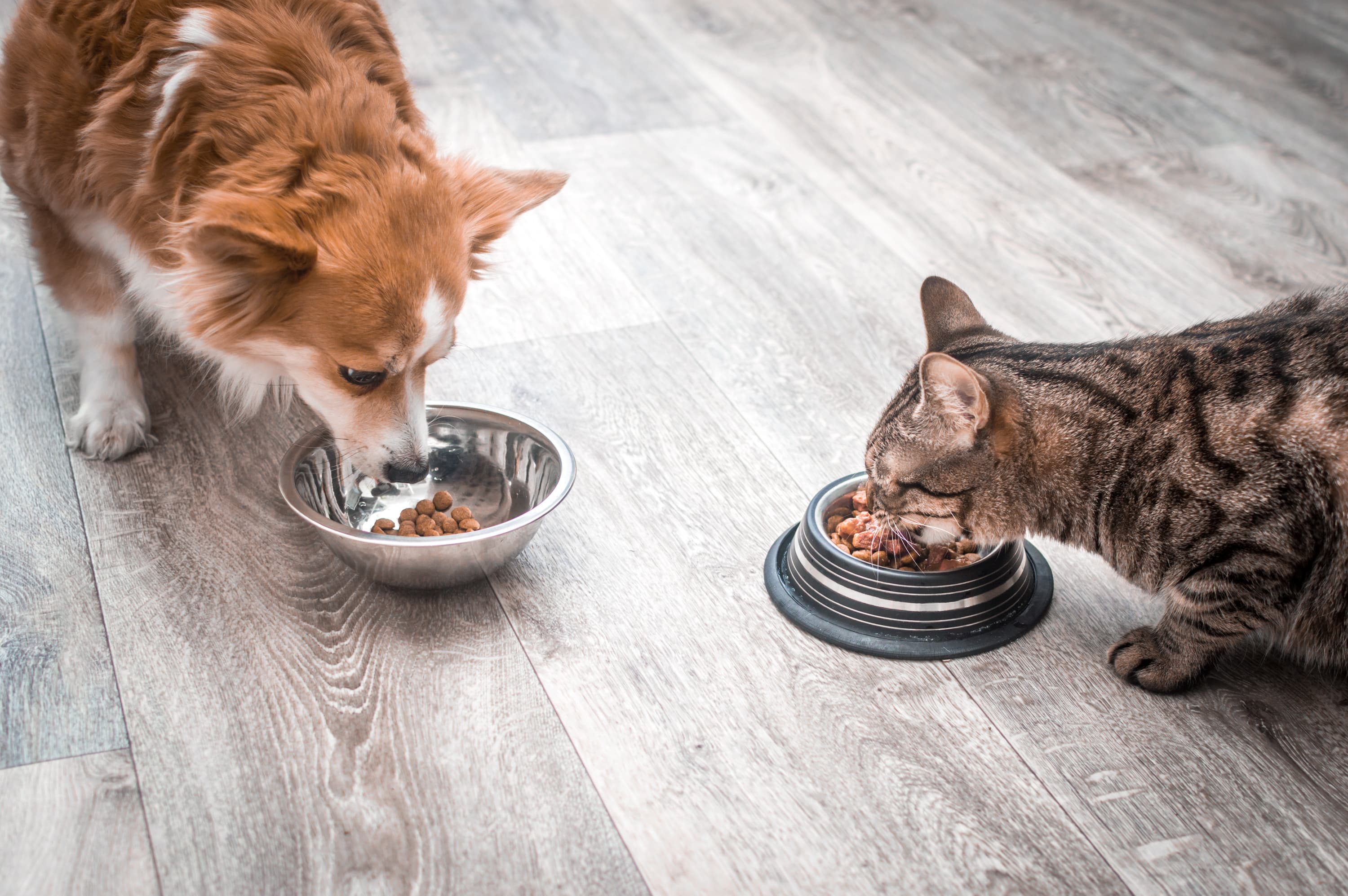
We adore our pets and want what’s best for them. That means providing our furry friends with the best possible nutrition to promote better health and longer lives. This starts fundamentally with conscientious Pet Food Manufacturers who know how to make an excellent product that passes the test for customers and vets alike. But even Pet Food Manufacturers need a helping paw from time to time. That’s why Pet Food Manufacturers of all sizes should consider adopting a Food ERP solution like INECTA F
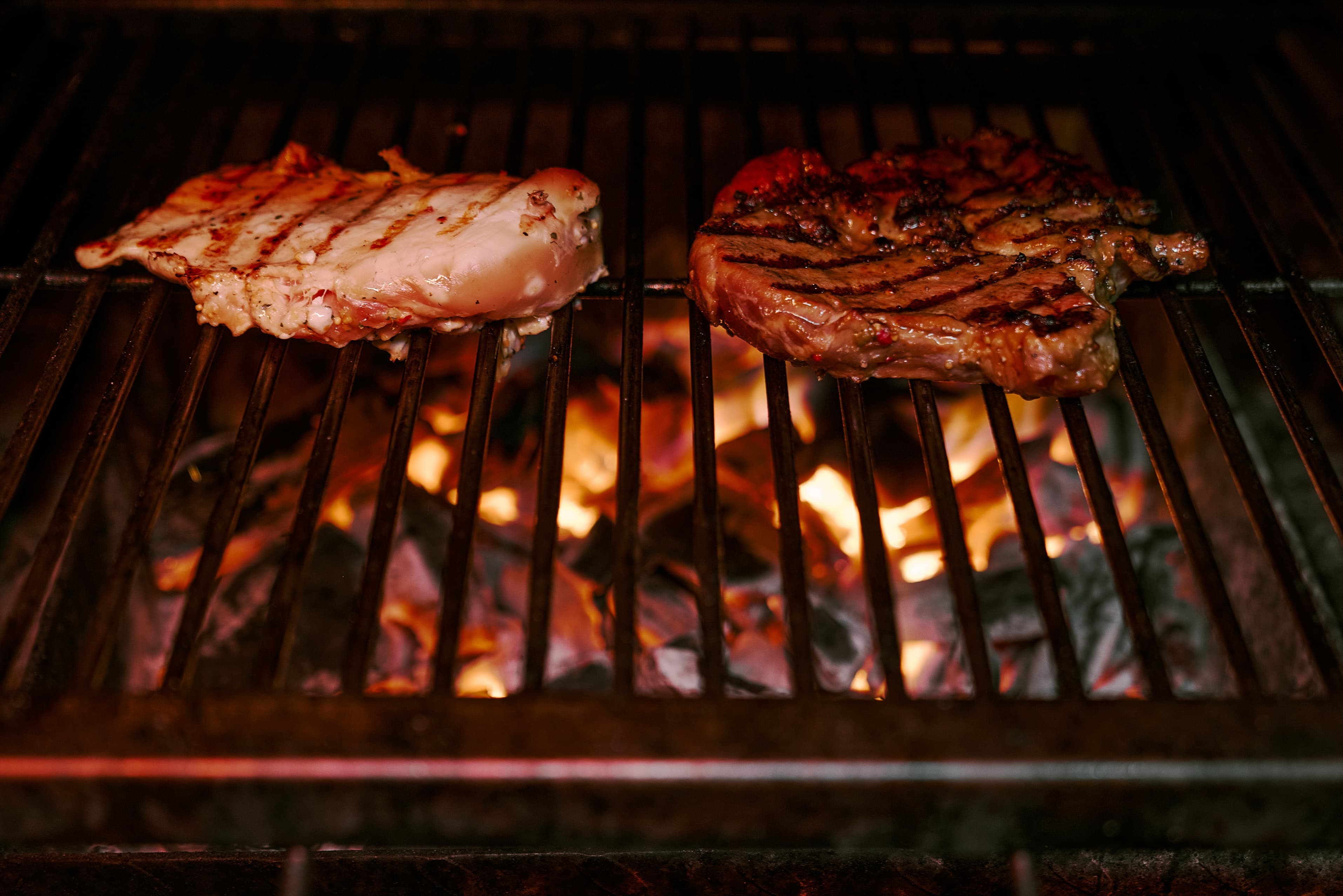
It’s BBQ season, and that means breaking out that dry-aged brisket and slapping it down on the grill. Or maybe you’re a person who prefers the simpler pleasures of a beef frankfurter or a char-grilled hamburger, either way, you’re going to need a lot of meat this summer. The companies responsible for processing and supplying that meat for this summer’s BBQ season need efficient operational methods to meet the demand.

It’s National Wine Day, and that means thousands of people across the U.S. will be uncorking their favorite Chardonnay or Pinot Noir and celebrating the day properly. At INECTA, this to be the perfect opportunity to examine how wine businesses in the U.S. and abroad can benefit from a modern enterprise resource planning (ERP) solution like INECTA Food. There’s a lot that goes into the production of a fine bottle of wine. From planting the vines to growing the grapes to maturity, it’s a long proc
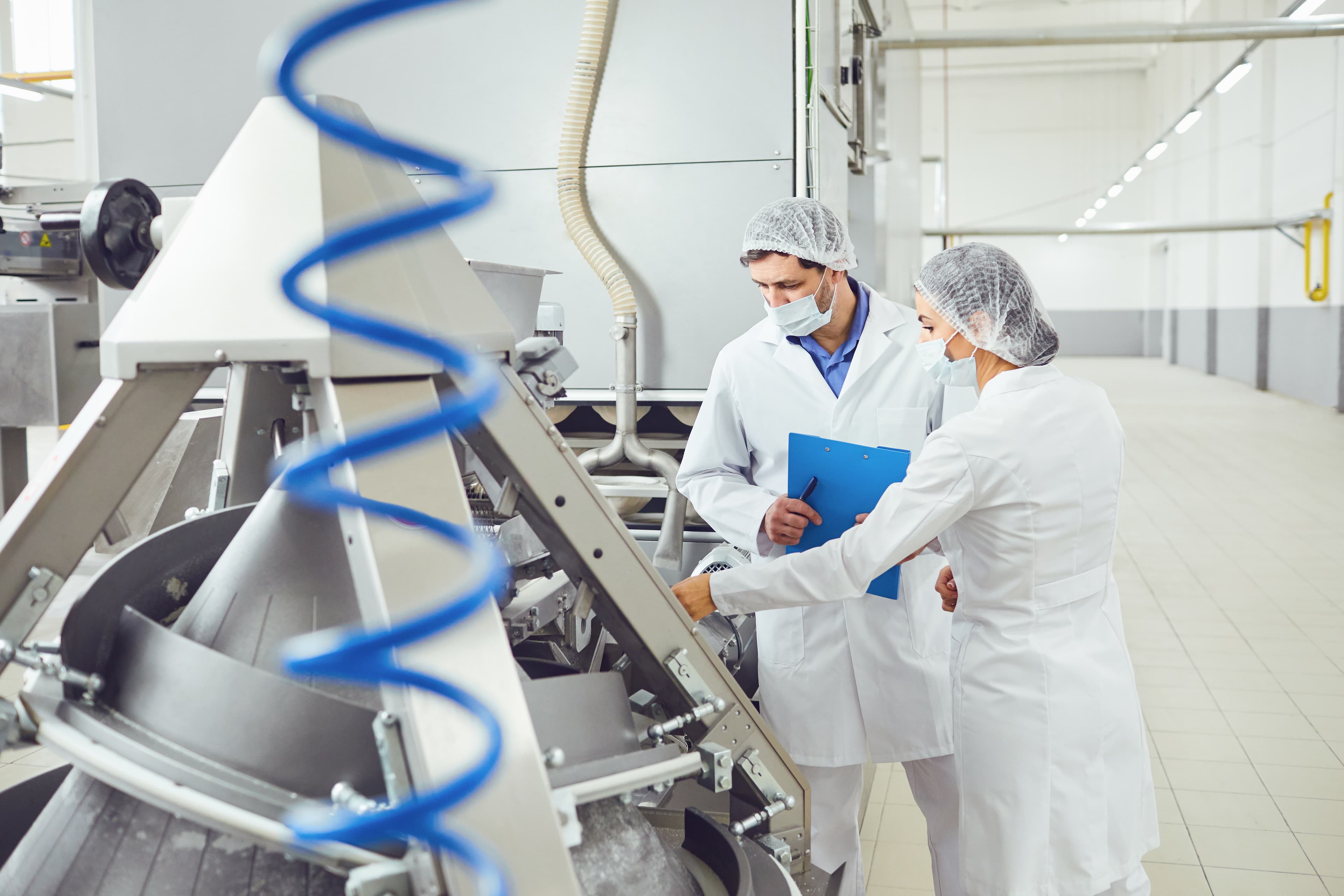
With an industry as vast and complicated as Food Manufacturing Food ERP becomes a no brainer. To speak volumes of this some of the prerequisites food manufacturers with installed food ERP solutions enjoy are as follows:
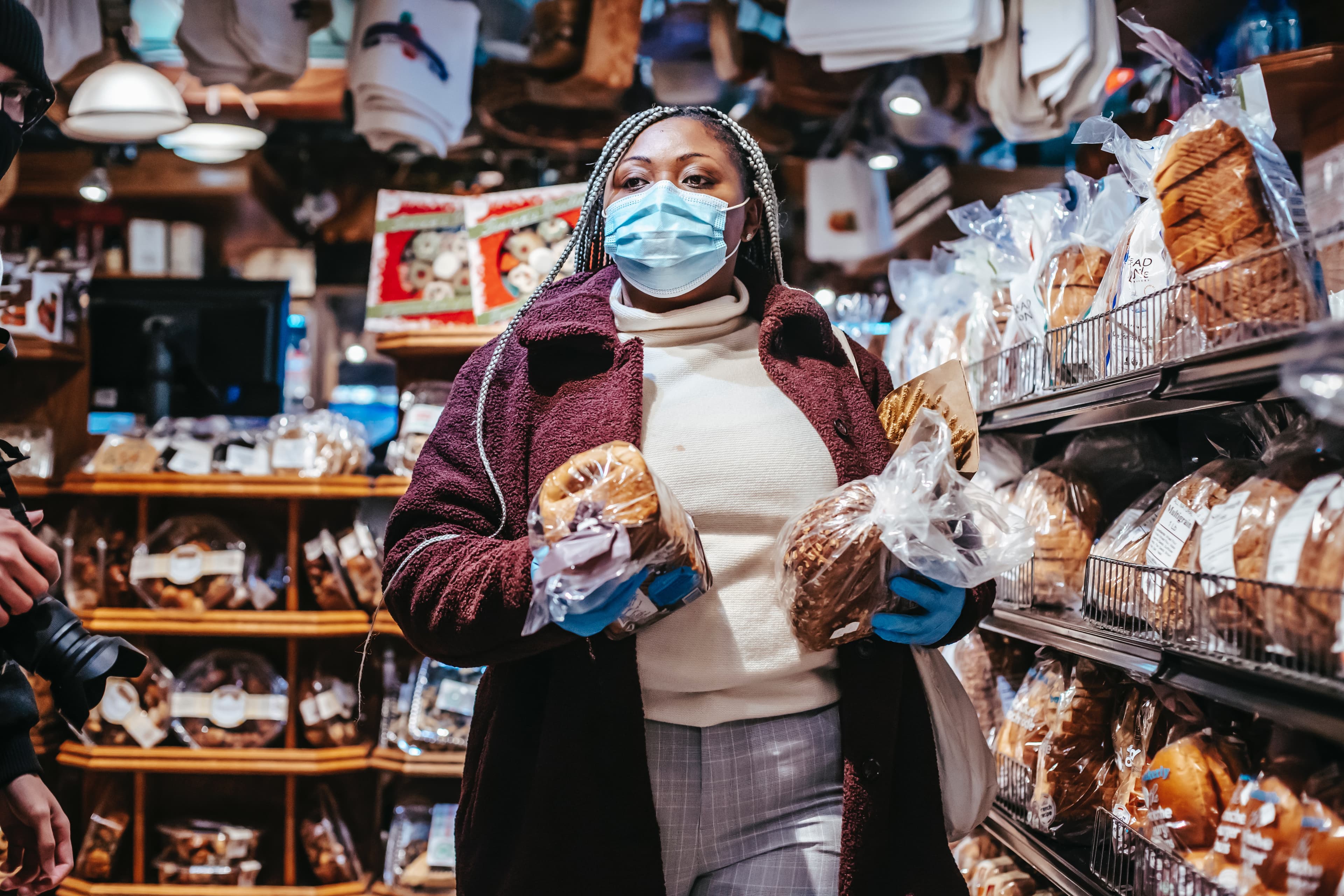
The past year and change have taken quite a toll on the food manufacturing space. As the COVID-19 pandemic abates, we take stock of what food manufacturers were able to accomplish throughout 2020 and even now well into 2021. Supply chains were adversely affected by the restrictions imposed by the virus, and food manufacturers were forced to develop elaborate, and at times difficult workflows in order to deliver their products to their respective customers. No small feat indeed, as the pandemic h
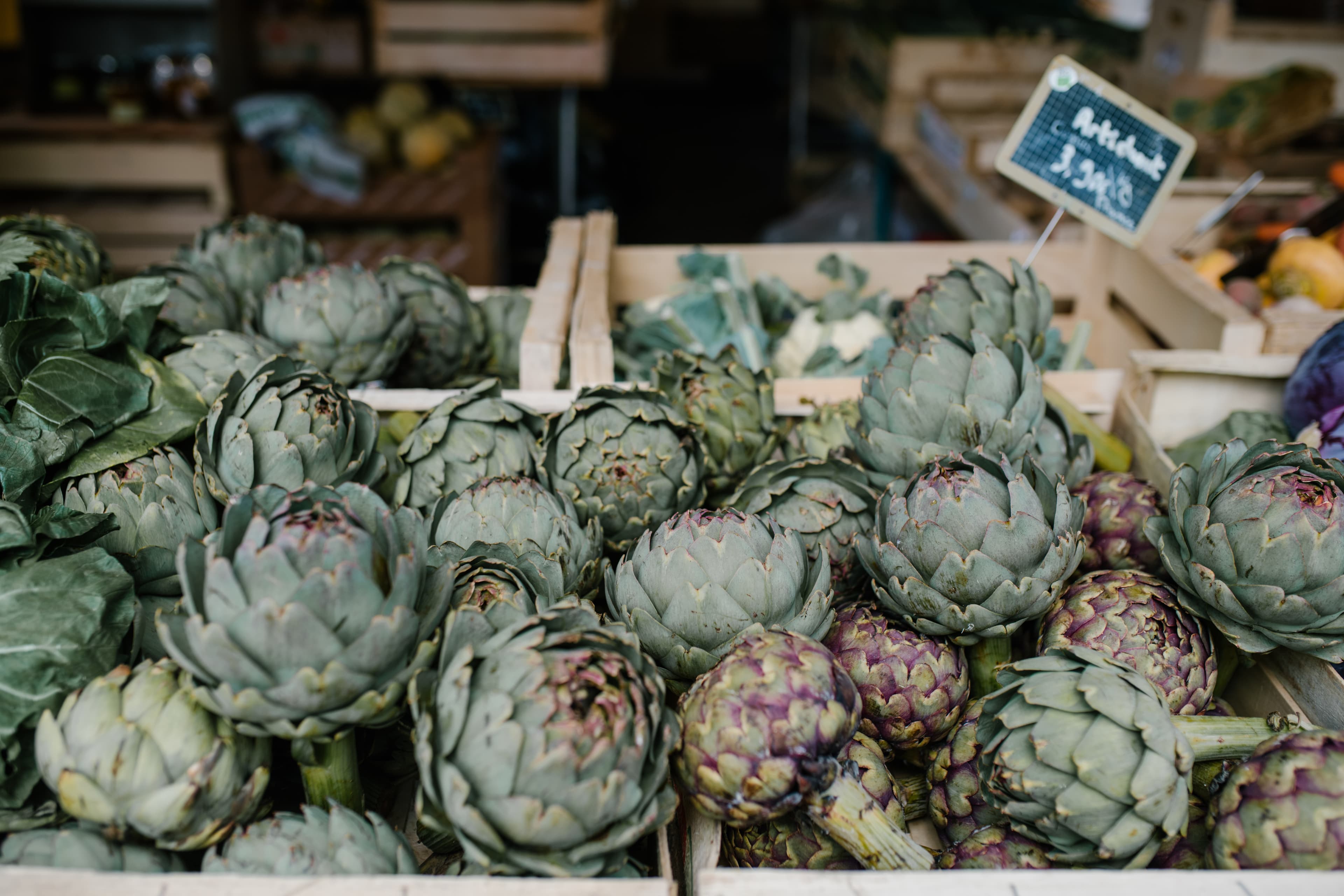
The “Spring” season also known as springtime which succeeds winter and precedes summer is one of the best times for cultivation as it provides us with favorable conditions such as:

Gone are the days when grading, sorting and packaging were done with labor intensive techniques. With operational efficiency being the name of the game, egg producers too have had to adapt to the new norm of Food ERP.

It’s not really a secret why many companies specializing in wine and spirits have resorted to integrating an ERP solution like INECTA Food. For one, like other beverage businesses, wine and spirits businesses have a laundry list of processes that they must execute on a daily basis in order for their operation to remain in pristine order. These processes are typically mired in tedious and manual task execution through spreadsheet data entry and other similar accounting tools. Wine & spirit co

In the quest for quality food served at the consumer's plate, one of the trends that have swept across the seafood processing industry is Quality Control (QC). In hindsight, Quality Control is a process through which seafood processors seek to improve food quality.