
Insights and guides for food industry professionals, from ERP implementation to supply chain optimization.
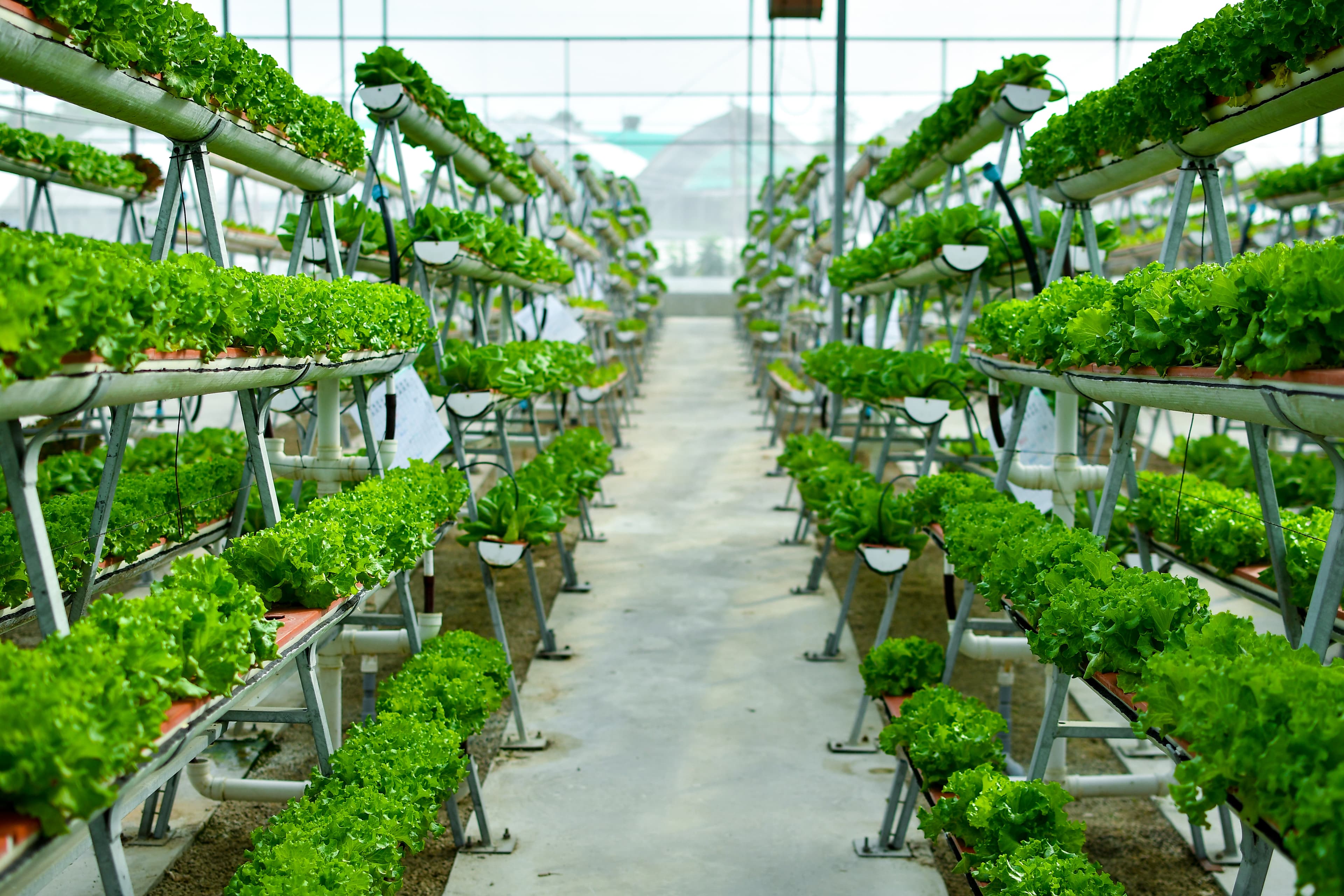
Vertical farming has created a flurry of excitement in the farming and production sector, offering new innovation in the field that could lead to a more streamlined, and economically responsible process to help meet the needs of global consumers. Vertical farming also offers a more sophisticated food production method in the face of climate change, which farmers and members of the industry have been battling for years. In this article, we explore what vertical farming is, the added benefits, and
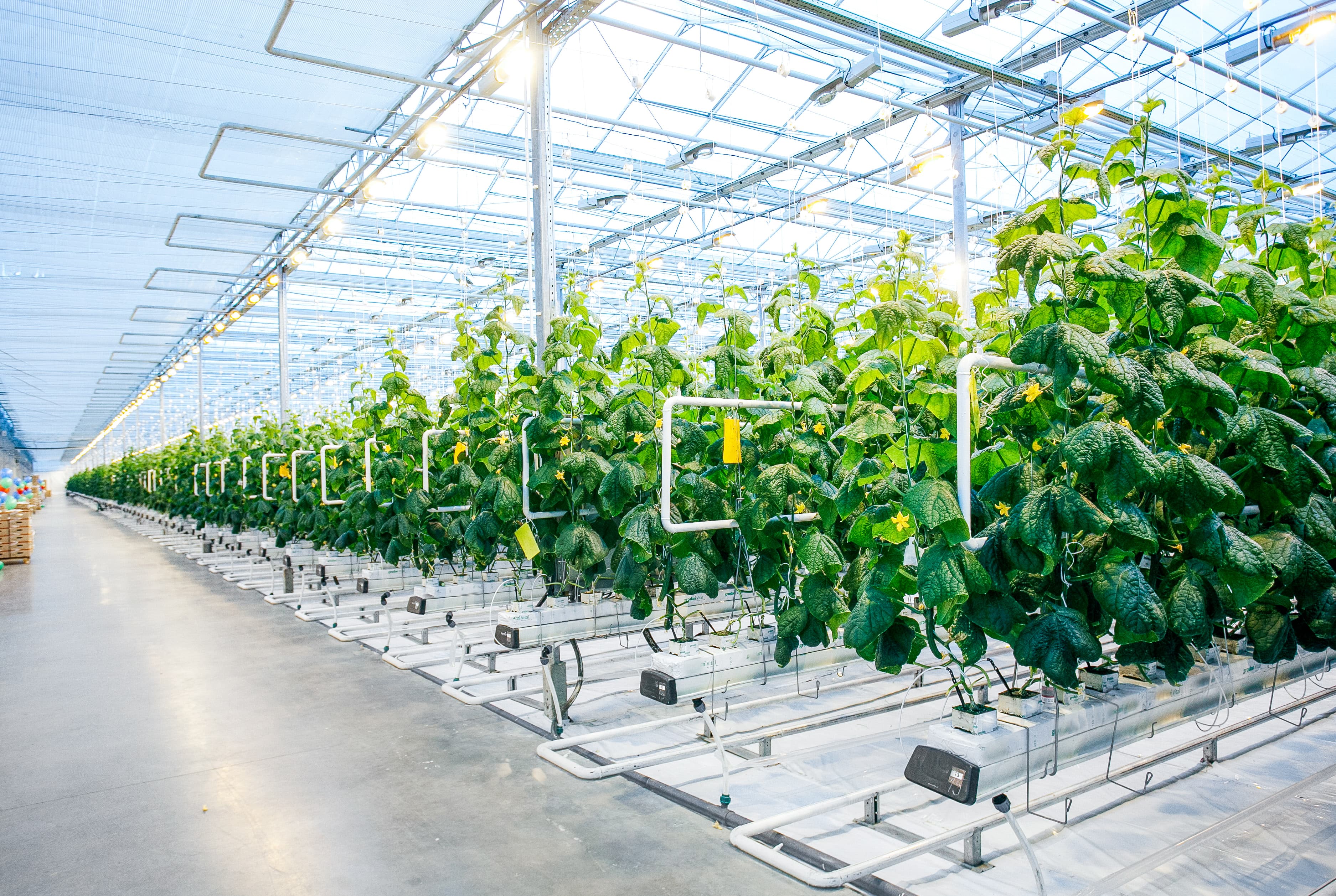
Field and Greenhouse Management:
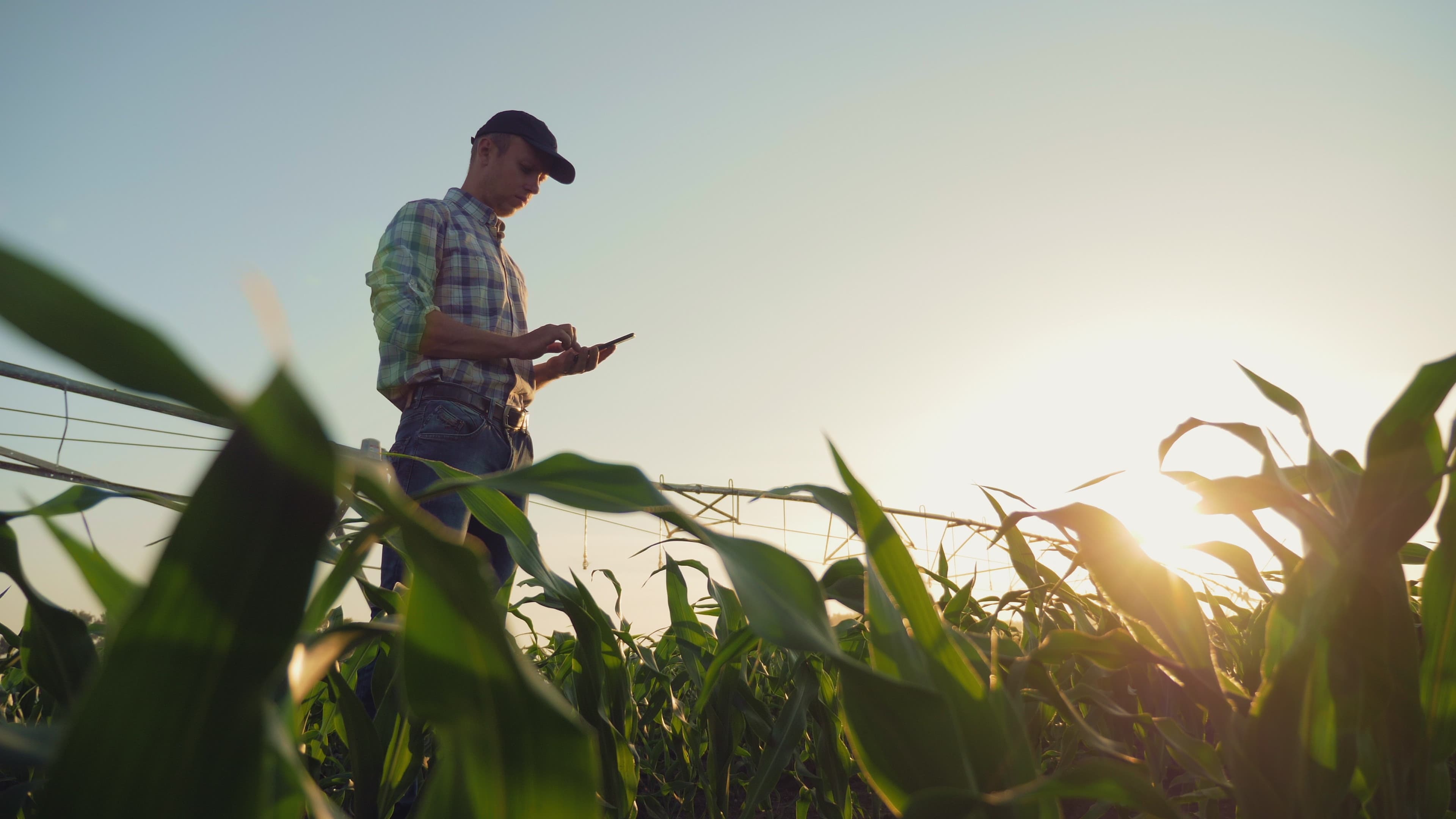
For Produce businesses market dominance is the end game. This might entail specific objectives like boosting profitability or expanding your product lines, but the aim at the end of the day is to adhere to standards and make money.
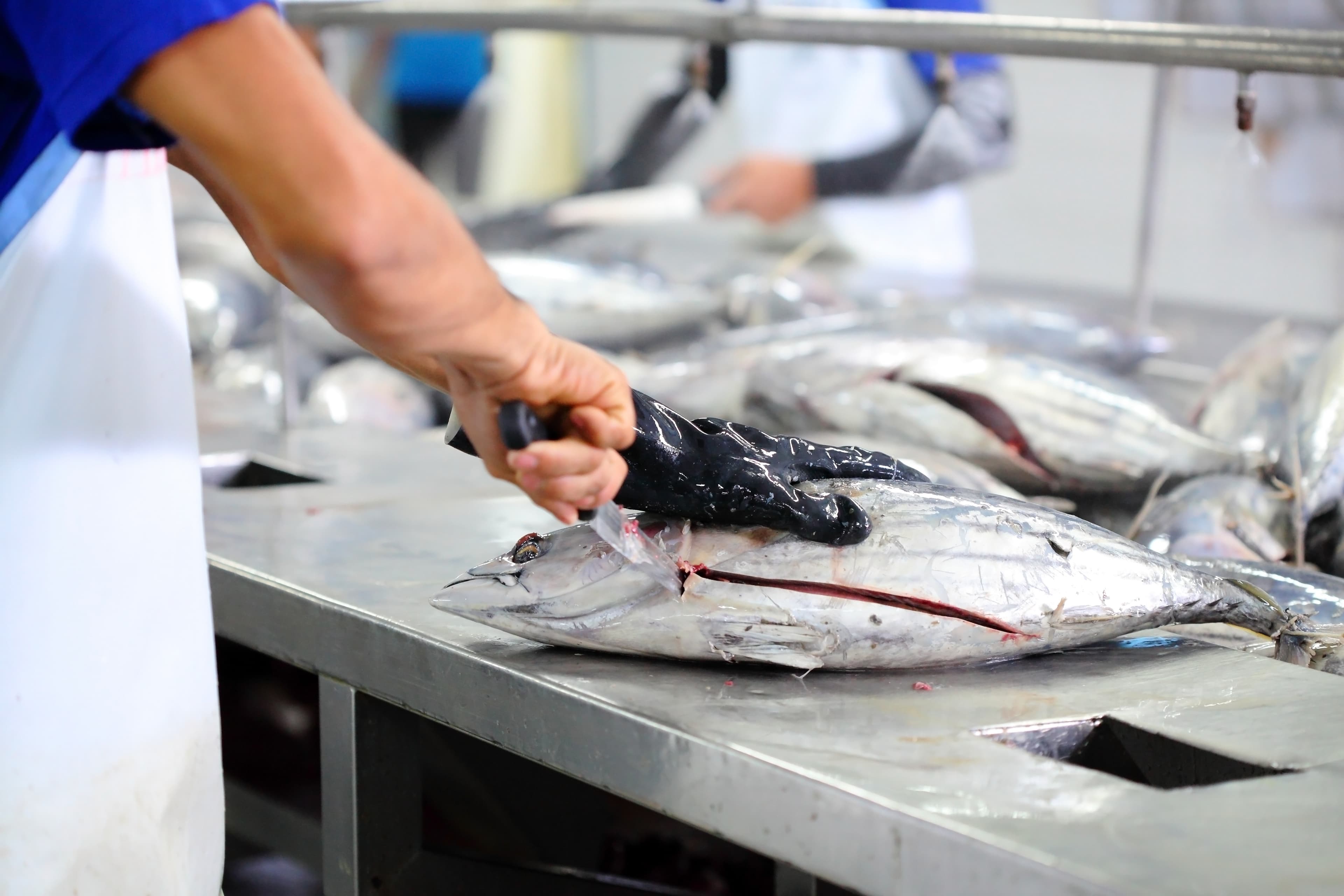
The Seafood Industry is a field where a lot of activities happen side by side simultaneously and every activity demands utmost care and planning. Starting from procuring seafood right up to the customer’s plate each step needs to be scrutinized and monitored in real-time for attaining customer satisfaction. To make this process effective and seamless, an effective seafood ERP system needs to be leveraged upon.
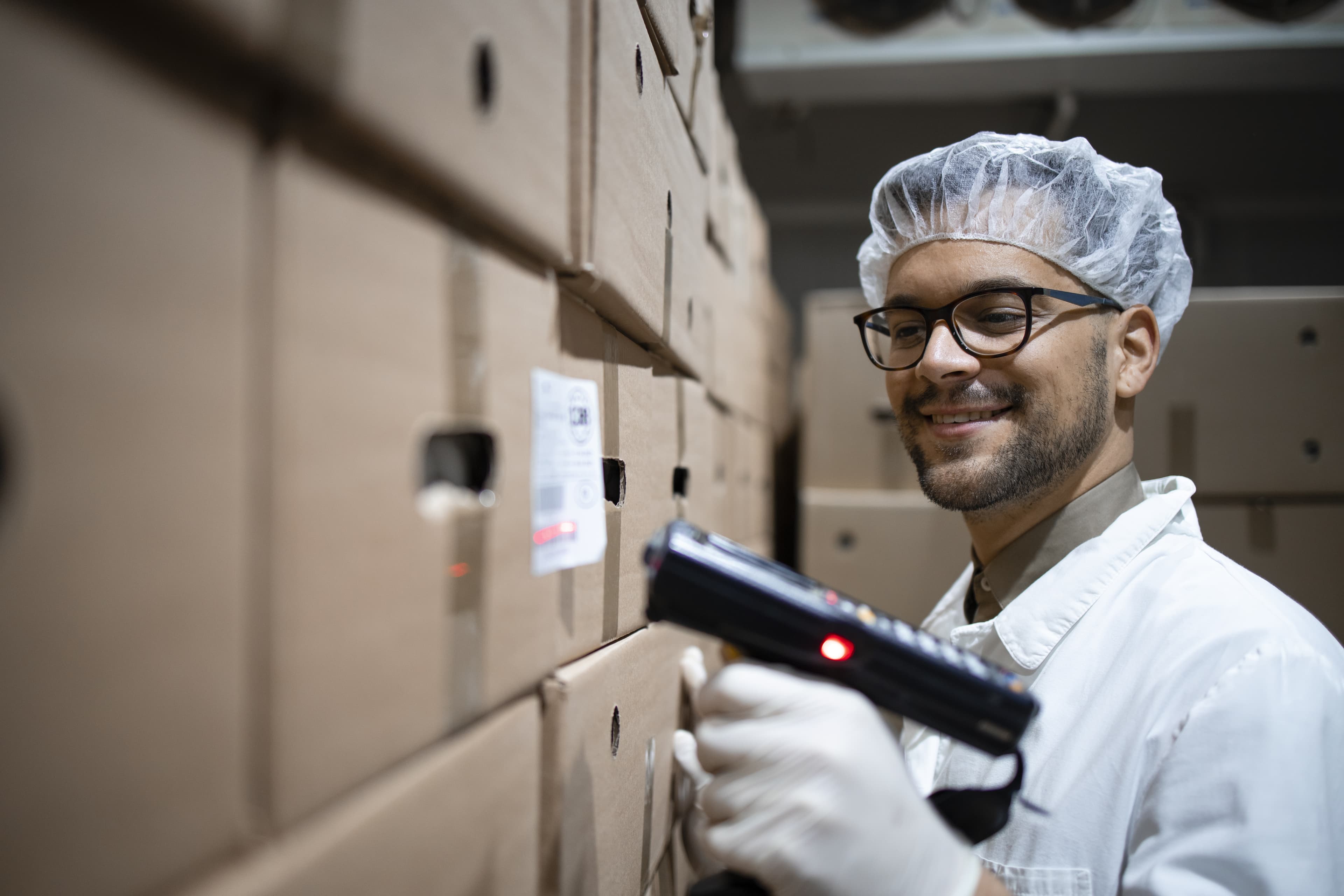
The coronavirus pandemic is an unprecedented event that occurred in the year 2019, putting global supply chains (SCs) into the focus of a wider public. The main concern for food warehouse managers was the well-being and safety of employees. After observing the effects of a global shutdown, food warehouse managers have proven themselves resilient in the face of disruption. They have learned how to effectively adjust workflows to ensure safety and manage an influx in online consumer demand. Proact

A recipe management system is software diligence that manages the complex relationships and processes related to production recipes. They store the recipes, enable food and beverage recipe modification, generate data required for production records, and even furnish the power to launch tasks and processes accordingly.

From multiple batches and types of products to timely deliveries across different destinations, logistics always pose a considerable challenge. This is even more so for the food manufacturing industry, where food items, often perishable are subjected to delays and longer routes due to mismanagement, leading to reduced quality and often even spoilage and thereby giving rise to customer dissatisfaction. The solution? Inecta’s transport management system integrated within Food ERP! So what exactly
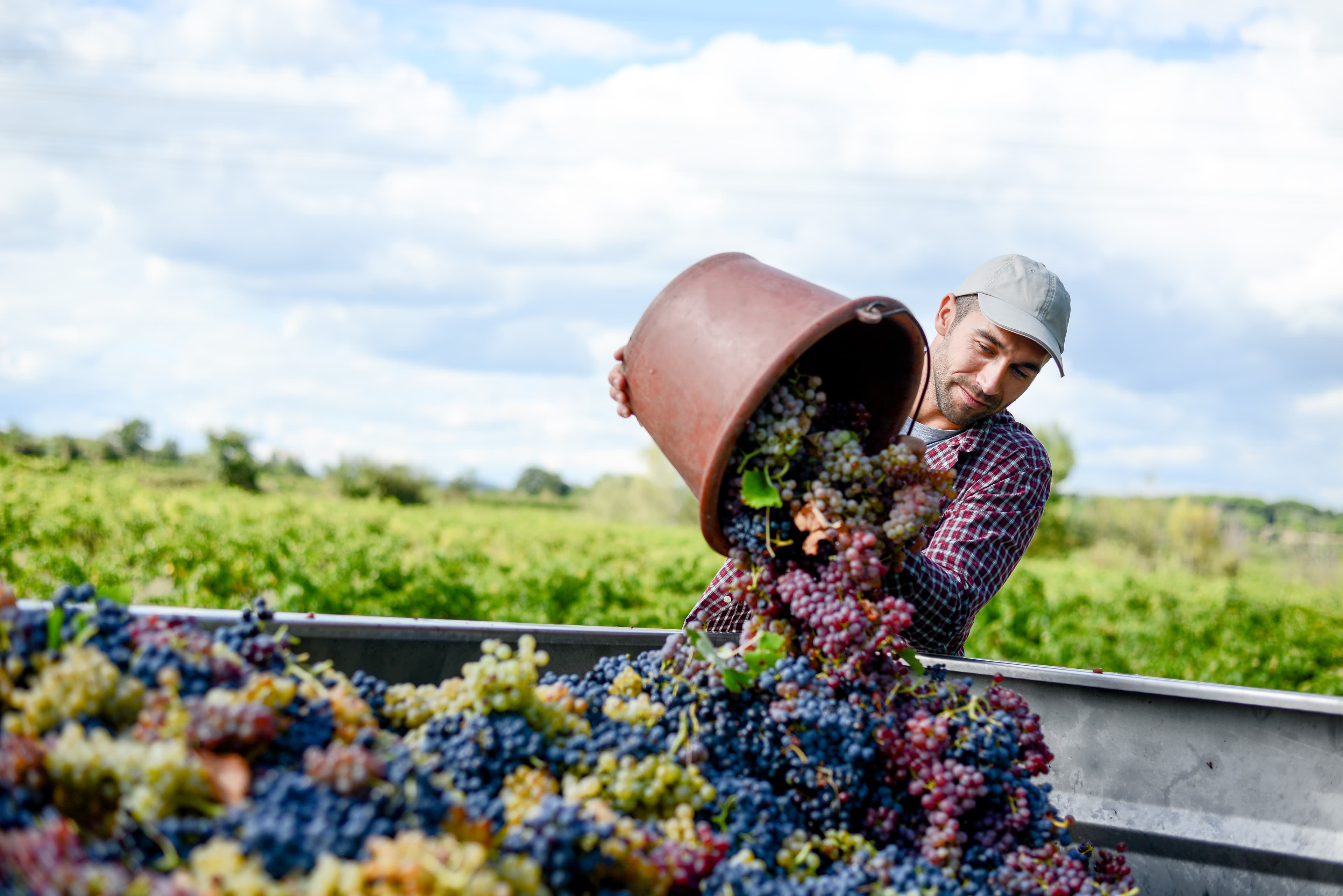
From the harmful effects of humidity in the rainy season to the decaying effects of high summer temperatures: all manufacturing, and processing businesses handling fresh produce need food ERP.

The business world continues to evolve as digital platforms and solutions arise at every turn. Any business that wants to thrive in the next decade or so needs to start implementing digitization efforts in their business to remain efficient and relevant.
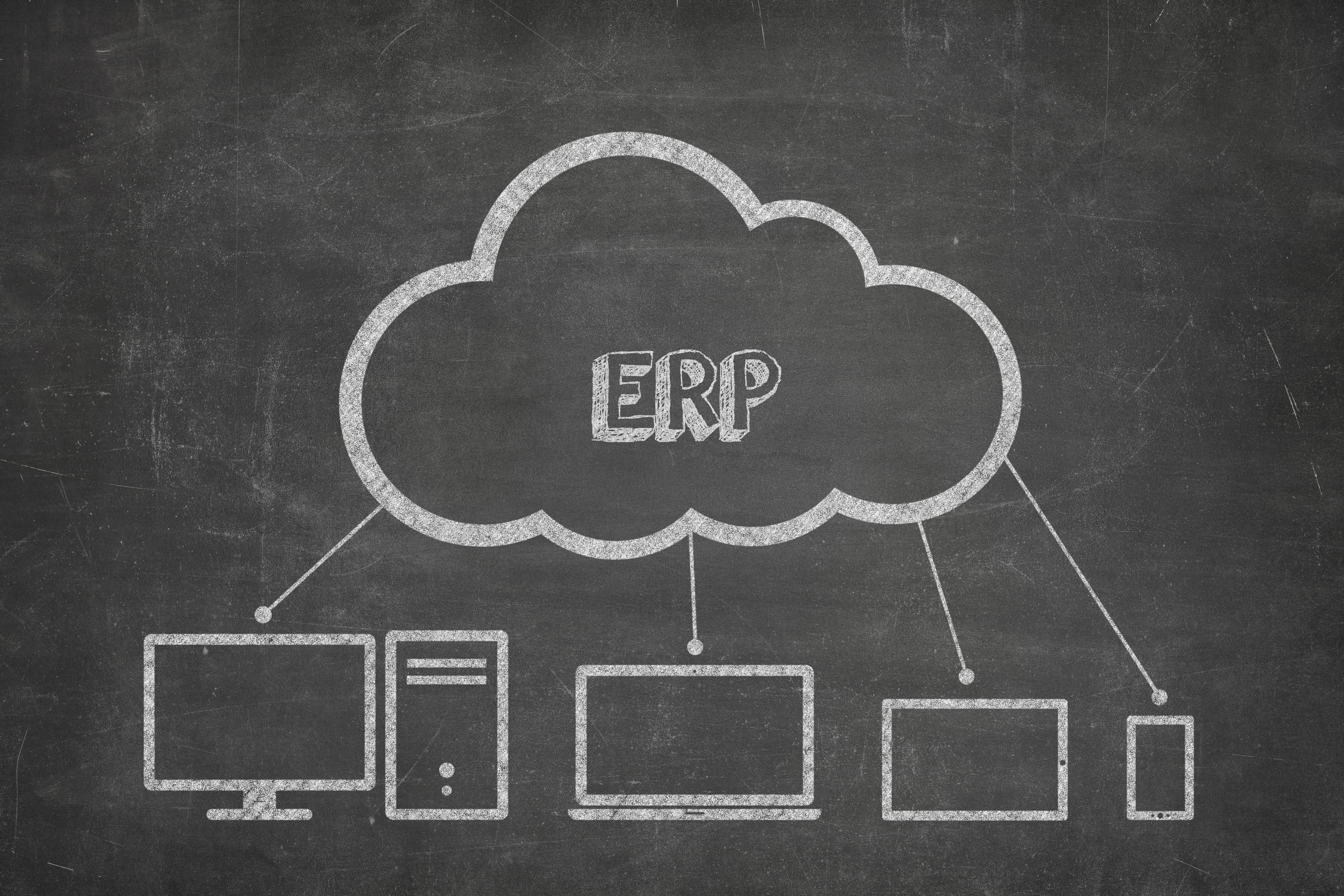
Technology has evolved exponentially, witnessing game-changing innovations with each passing day. To speak volumes of this from the first ERP system created in 1972 to the introduction of the earliest versions of cloud computing-based ERP system in 1998, ERP-based technology constantly evolves with newer, innovative structures and processes. This growth across industries has led to the popularity of cloud ERP, which is what makes it the next big thing. So, one may wonder, what exactly is cloud-b
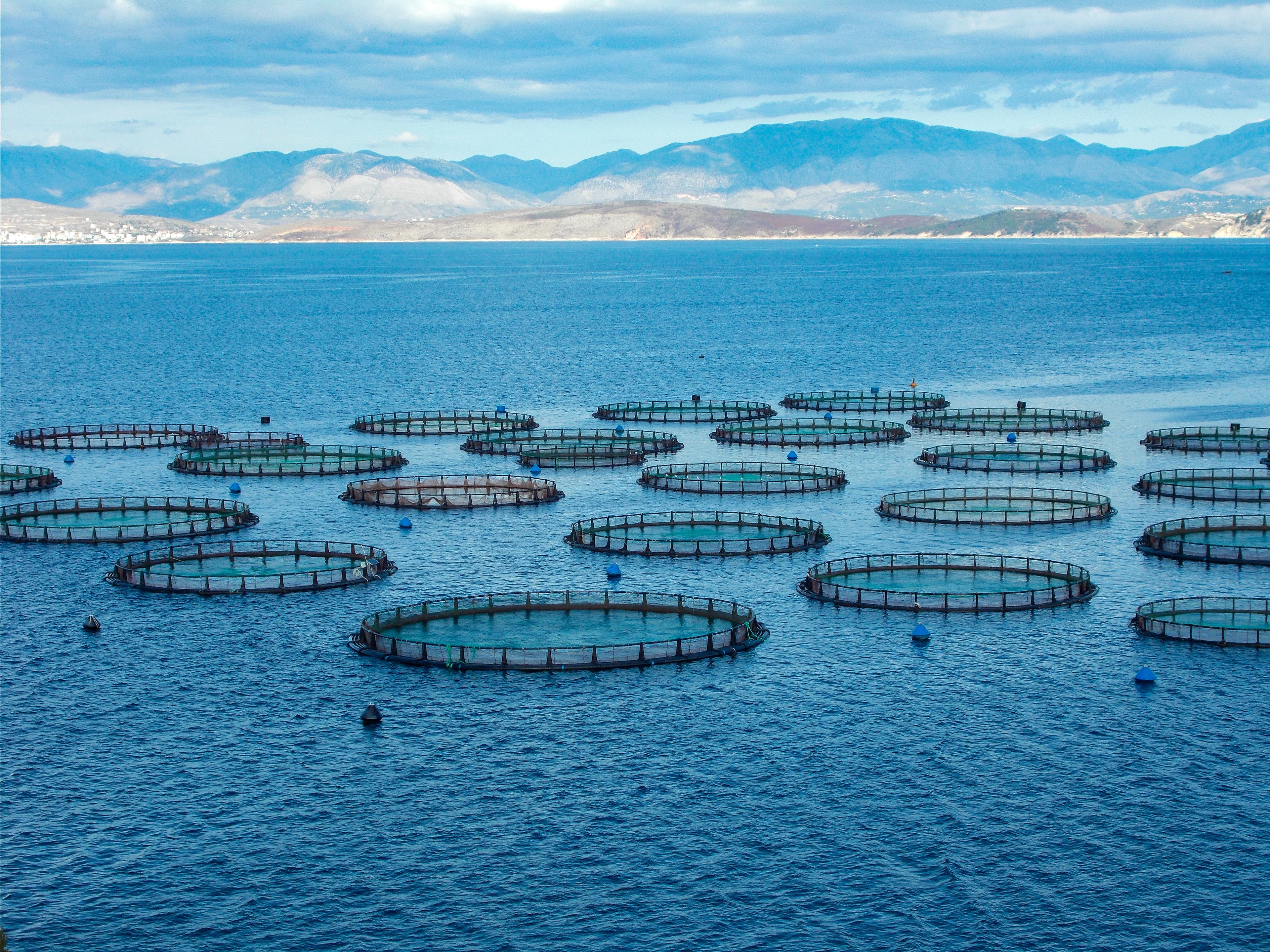
With the USA seafood market worth $102 billion, over 50% of all seafood producers across the country procure through aquaculture. So, what is aquaculture? Aquaculture, also known as aquafarming, is the breeding, cultivation, rearing, and harvesting of aquatic organisms such as fish, crustaceans, mollusks, algae, etc. in a controlled environment across a part or all stages of their lifecycle. It can be done in ponds, lakes, ocean coastal waters, and even land tanks. Broadly aquaculture can be cla