
SEAFOOD ERP SOFTWARE
Seafood ERP software for catch, processing, and distribution
inecta Food ERP handles catch and harvest intake, catch weight across the full supply chain, cold-chain traceability, SIMP and FSMA 204 compliance, and seafood-specific yield management. Built on Microsoft Dynamics 365 Business Central.


WHY GENERIC ERP FAILS SEAFOOD COMPANIES
The five places standard ERP breaks down on catch, processing, and cold chain
Without inecta
- Wild-catch and aquaculture intake records live on paper tags and spreadsheets, disconnected from production and ERP financials
- Catch weight (sold by weight, inventoried by piece) breaks generic ERP inventory math and creates invoice variance
- FSMA 204 First Land-Based Receiver CTE and SIMP import records demand specific KDEs that bolt-on tools can't generate consistently
- Yield variance through filleting, portioning, and processing rarely ties back to incoming raw material quality
- Cold-chain breaks during transfer and shipping create shelf-life and food-safety risk that disjointed systems can't quantify
With inecta
- inecta captures vessel, catch location, catch date, species, and grade at offloading. Pickup data flows directly into production orders and producer settlements without manual transcription.
- Native catch weight handling across purchasing, processing, warehousing, and sales. Tare weight deduction at every step. Weight-based invoicing matches what the customer actually receives.
- First Land-Based Receiver CTE captures TLC, vessel, catch location, and catch date at offloading. SIMP import data captured at receipt against NMFS-approved species lists.
- Sort, grade, and portion yields tie to incoming lot composition. Yield variance reports surface root cause: raw material grade, species mix, or process drift.
- Temperature-zone tracking from cooler to truck. FEFO picking with customer shelf-life rules. Temperature deviation alerts route to QA with automatic hold on affected lots.
0%
Customer retention rate
0+
Years in food and beverage
0+
Food industry verticals
0%
Cloud-based on Microsoft Azure
WHAT INECTA SEAFOOD ERP DELIVERS
Seafood-specific functionality built on Microsoft Dynamics 365 Business Central
Catch and harvest tracking
Capture vessel, catch location, catch date, species, grade, and quantity at offloading or harvest. Records become the foundational lot data for all downstream production, traceability, and reporting.
Catch weight management
Native variable-weight handling across the entire supply chain: purchasing, processing, warehousing, and sales. Tare weight deduction at each step. Invoicing matches actual shipped weight, not assumed unit weight.
Cold-chain traceability
Temperature-zone tracking from intake cooler through processing, blast freezing, finished-product storage, and shipping. Shelf-life rules per SKU and customer. FEFO picking with expiration warnings.
Lot traceability and recall
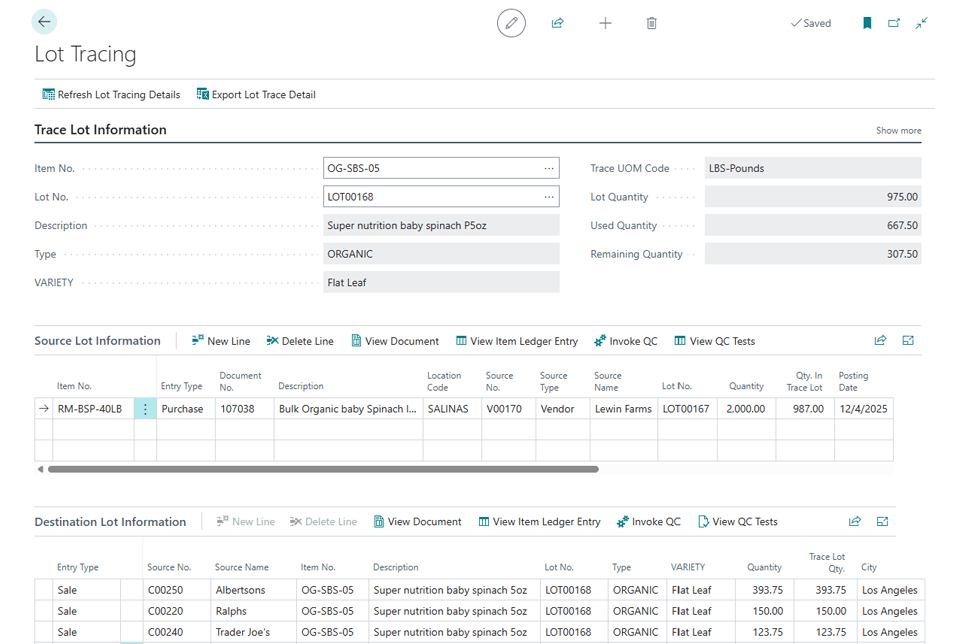
Forward and backward trace from any lot in one query. FSMA 204 KDE/CTE capture at First Land-Based Receiver, Receiving, Transformation, and Shipping events. Mock recall workflow runs the same logic as a real recall.
Species, grade, and SIMP compliance
Species master with NMFS-approved imported species, grade categories, country of origin, and certification tags (MSC, ASC, BAP). Seafood Import Monitoring Program (SIMP) documentation captured at receiving.
Multi-warehouse and multi-plant
Run multiple processing facilities, cold-storage warehouses, and distribution centers on a single Business Central tenant. Transfer inventory between locations with full cost tracking maintained end-to-end.
CATCH AND HARVEST INTAKE
What you capture at the dock or pen becomes the foundation for everything downstream
Wild-catch and aquaculture intake is the first event in the seafood supply chain. inecta captures it as a structured lot record: vessel or farm site, catch or harvest location, date, species, grade, and quantity. The data flows directly into production orders, lot traceability, FSMA 204 records, and producer settlements without manual transcription from paper tags or pickup tickets.
- Vessel offloading capture with TLC assignment for First Land-Based Receiver CTE
- Aquaculture harvest records with farm site, pen identification, and harvest date
- Electronic logbook integration for wild-catch operations
- Species master with NMFS-approved imported species and SIMP designations
- Grade tagging and catch-weight capture at offloading
CATCH WEIGHT AND YIELD MANAGEMENT
Native variable-weight handling across the entire supply chain
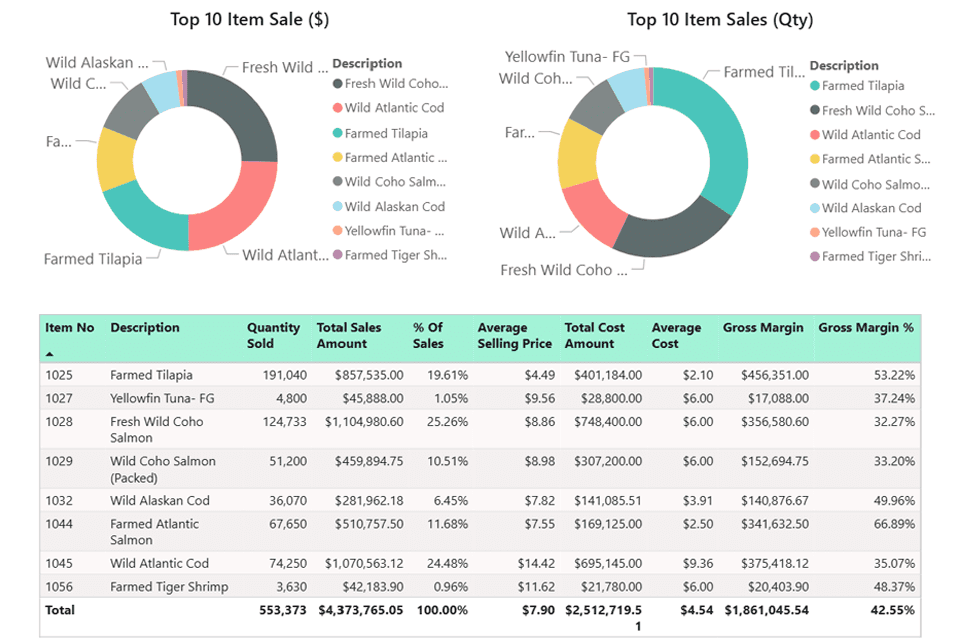
Seafood is sold by weight but inventoried by piece. Whole fish, fillets, and portions all carry both a count and an actual weight on every transaction. inecta handles this natively at every step: purchasing receives at actual weight, production tracks input and output weights separately, warehouses pick at piece count with tare deduction, and sales invoices reflect what the customer actually receives. Yield variance through sort, grade, fillet, and portion ties back to incoming raw material quality for root-cause analysis.
- Catch weight handling across purchasing, processing, warehousing, and sales
- Tare weight deduction at every step in the supply chain
- Yield management for sort, grade, fillet, portion, and pack operations
- Co-product allocation for head, frame, skin, roe, fish meal, and other secondary outputs
- Yield variance reports tied to incoming lot composition for root-cause analysis
FSMA 204 AND SIMP COMPLIANCE
First Land-Based Receiver, traceability, and import documentation built in
FSMA 204 takes effect July 20, 2028 and lists finfish, crustaceans, and mollusks on the Food Traceability List. The seafood-specific First Land-Based Receiver CTE requires capture of vessel, catch location, catch date, and TLC at offloading. Beyond FSMA 204, the Seafood Import Monitoring Program (SIMP) requires documentation for species at risk of illegal, unreported, and unregulated (IUU) fishing. inecta captures both alongside lot records, so compliance documentation is a byproduct of normal operations.
- First Land-Based Receiver CTE capture (vessel, catch location, catch date, TLC)
- Receiving, Transformation, and Shipping CTEs with full KDE capture
- SIMP documentation against NMFS-approved species lists
- Electronic sortable records in the FDA-required format within the 24-hour response window
- BAP and ASC certification tags preserved on lot records
COLD CHAIN AND DISTRIBUTION
Temperature-zone visibility from dock to delivery
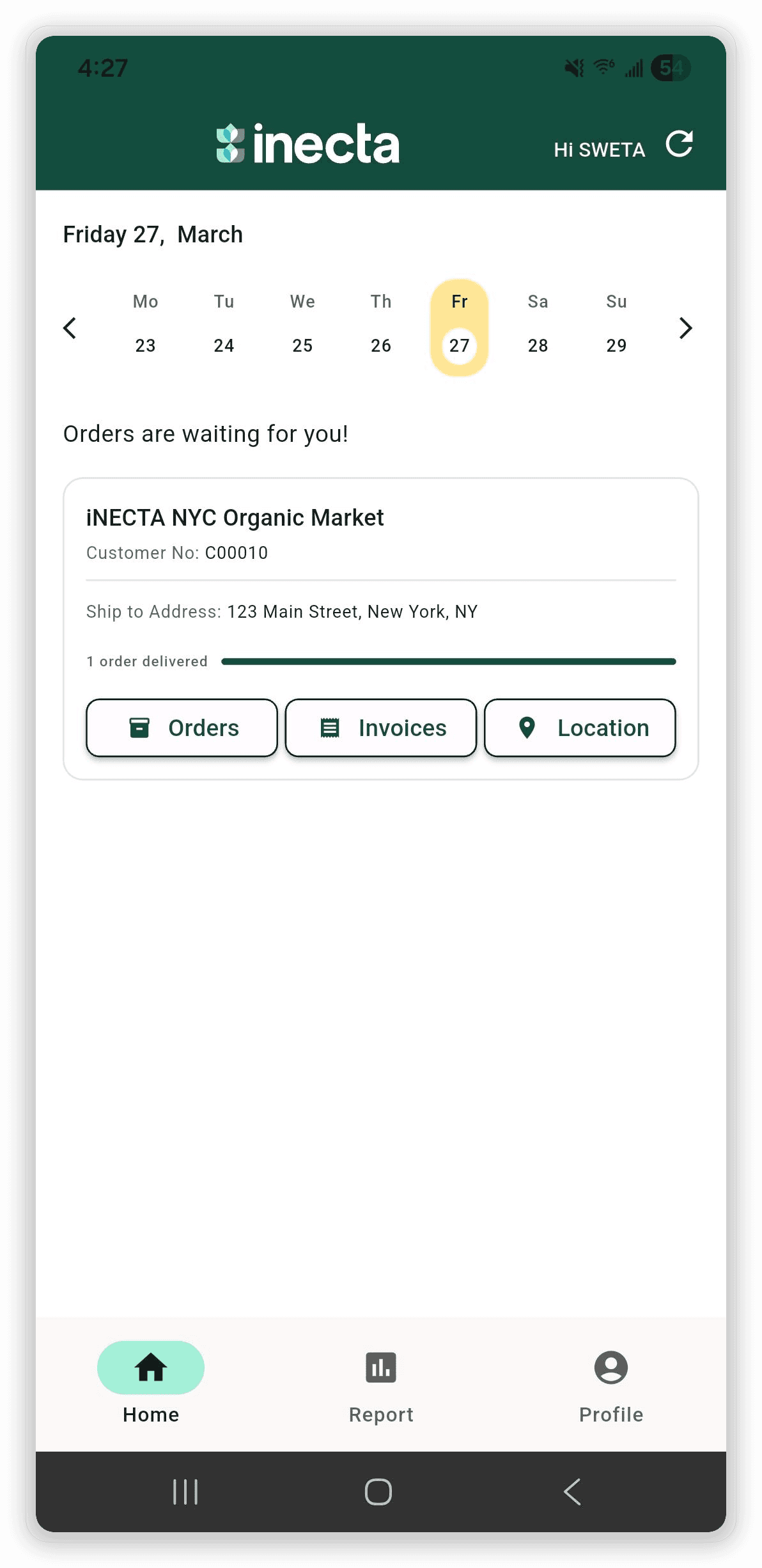
Cold-chain breaks create shelf-life and food-safety risk that disjointed systems can't quantify. inecta tracks temperature zones from intake coolers through processing, blast freezing, finished-product storage, and customer shipment. FEFO picking respects customer-specific shelf-life rules. Multi-temperature route accounting handles mixed fresh and frozen loads. Returnable container tracking, B2B portals for trade buyers, and transportation management run on the same Business Central tenant as production.
- Temperature-zone tracking from cooler through finished-product shipment
- FEFO picking with customer-specific shelf-life rules
- Multi-temperature route accounting for mixed fresh and frozen loads
- Temperature deviation alerts with automatic hold-and-release on affected lots
- B2B e-commerce portal and transportation management on a single tenant
SEAFOOD SUB-VERTICALS INECTA SUPPORTS
One platform, configuration tuned to your operation
Wild-catch processing
Vessel offloading capture, First Land-Based Receiver CTE for FSMA 204, electronic logbook integration, species and grade tagging from dock through finished product.
Aquaculture
Farm site records, harvest date and pen identification, feed and treatment lot tracking, BAP and ASC certification documentation, harvest-to-processing handoff with full chain of custody.
Processing and value-add
Sort, grade, fillet, portion, and pack operations with yield management. Co-product allocation (head, frame, skin, roe, fish meal) tied to primary lots. Recipe management for breaded, smoked, and prepared products.
Cold storage and warehousing
Blast freezing schedules, temperature-zone tracking, FEFO picking, customer shelf-life rules, returnable container tracking, and multi-warehouse inventory across distribution networks.
Seafood distribution
Multi-temperature route accounting, customer-specific pricing, fresh and frozen mixed-load planning, transportation management with carrier integration, and B2B portals for trade buyers.
Trading and import
SIMP documentation capture, NMFS-approved species verification, import-receiving workflows, multi-currency purchasing, and rapid turnaround for fresh seafood with short shelf life.
FREQUENTLY ASKED QUESTIONS
Common questions about inecta Seafood ERP software
Seafood ERP software is an enterprise resource planning system built for the unique requirements of the seafood industry: catch and harvest tracking, catch weight (sold by weight, inventoried by piece), cold-chain visibility, species and grade management, SIMP and FSMA 204 compliance, and end-to-end traceability from vessel or farm to customer. inecta Food ERP is delivered on Microsoft Dynamics 365 Business Central, so seafood companies get a purpose-built system without custom development on top of a generic ERP.
Yes. inecta covers the full seafood value chain on a single Business Central tenant. Wild-catch operations get vessel offloading, electronic logbook integration, and First Land-Based Receiver CTE capture. Aquaculture operations get farm site records, harvest date and pen tracking, and BAP/ASC certification documentation. Processing operations get sort, grade, fillet, portion, pack, yield management, and co-product allocation. Distribution operations get multi-temperature route accounting, B2B portals, and transportation management.
Catch weight is native across the inecta system, not an afterthought. Items sold by weight but inventoried by piece (fillets, whole fish, portions) carry both a count and an actual weight on every transaction. Purchasing receives at actual weight. Production tracks input and output weights separately. Warehouses pick at piece count, then invoice on actual weight. Tare weight deduction happens at each step. Sales invoices reflect what the customer actually receives, eliminating the catch-weight invoicing variance that breaks generic ERPs.
FSMA 204 (Food Traceability Rule, deadline July 20, 2028) lists finfish, crustaceans, and mollusks on the Food Traceability List. inecta captures the Key Data Elements at every Critical Tracking Event the rule requires: First Land-Based Receiver (vessel, catch location, catch date, TLC), Receiving (supplier, item, lot, quantity, receipt date, reference document), Transformation (input lots, output lots, transformation date, new TLC), and Shipping (destination, ship date, item, lot, quantity, reference document). Electronic sortable records produce in the format the FDA expects within the 24-hour response window.
Yes. Seafood Import Monitoring Program (SIMP) documentation captures at receiving for the species NOAA Fisheries has designated as at risk of illegal, unreported, and unregulated (IUU) fishing or seafood fraud. inecta records harvest location, harvest date, gear type, landing location, processing details, and chain-of-custody data per shipment, matched against NMFS-approved species lists. Documentation is preserved with the lot record and available for audit.
inecta has been focused exclusively on food and beverage for 25 years with 99% customer retention, with a US implementation team that has run seafood go-lives across wild-catch, aquaculture, processing, and distribution operations. Newer BC-platform food ERPs offer broader food modules but lack the depth of seafood-specific functionality (vessel offloading, First Land-Based Receiver CTE, SIMP, BAP/ASC, catch weight across the full chain) that comes from running seafood implementations as a primary focus rather than one of many verticals. Both run on Microsoft Dynamics 365 Business Central, so the platform-level capabilities are equivalent. The differentiator is implementation depth in the specific operations seafood companies run.
Implementation time depends on the size and complexity of your operation. A single-facility processor typically goes live in four to six months. Multi-facility operations spanning catch intake, processing, cold storage, and distribution typically take six to twelve months. Implementation runs in phases: discovery, configuration, data migration, training, parallel testing, and go-live. inecta's implementation team works exclusively in food and beverage, so configuration decisions draw on prior seafood implementations rather than generic ERP playbooks.
Yes. inecta Seafood ERP is delivered on Microsoft Dynamics 365 Business Central, so seafood companies get the full Microsoft cloud ERP platform (finance, inventory, sales, purchasing, Power BI, Copilot, Microsoft 365 integration) plus inecta's seafood-specific functions (catch and harvest tracking, catch weight across the supply chain, First Land-Based Receiver CTE, SIMP documentation, cold-chain traceability, multi-plant operations). Automatic cloud updates from Microsoft continue as normal.
RELATED SOLUTIONS
Modules and personas seafood companies use most
Seafood Processor
Sort, grade, fillet, portion, and pack operations with yield management for seafood processing facilities.
Learn more →Seafood Trader
Real-time visibility for traders managing fast-moving inventory with short shelf life, SIMP documentation, and multi-currency purchasing.
Learn more →Aquaculture
Farm site records, harvest tracking, feed and treatment lot management, and BAP/ASC certification documentation for aquaculture operations.
Learn more →Fishery & Vessel Management
Vessel records, electronic logbook integration, and catch documentation for fishing operations.
Learn more →Food Traceability
Full FSMA 204 traceability with KDE capture at every CTE, including the seafood-specific First Land-Based Receiver event.
Learn more →Frozen Food ERP
Lot and date tracking across long frozen shelf lives, FEFO picking with expiry validation, catch weight, and third-party cold-storage visibility for frozen seafood.
Learn more →Ready to see seafood ERP software built on Microsoft Dynamics 365 Business Central?
Book a discovery call. inecta delivers catch and harvest intake, native catch weight, cold-chain traceability, FSMA 204 and SIMP compliance, and full processing-to-distribution coverage on a single Business Central tenant.