
Insights and guides for food industry professionals, from ERP implementation to supply chain optimization.
If at this point, you’re unfamiliar with BC and are looking for a bit more background knowledge, Microsoft Dynamics 365 Business Central is an ERP solution designed and powered by Microsoft. The Business Central product is a part of the parent Microsoft Dynamics brand. For all intents and purposes, BC is an upgrade from Microsoft Dynamics NAV. Business Central is truly the future of ERP, and countless customers have implemented the software and are now reaping the benefits.

One of the up-and-coming trends in the world of operational efficiency is Lot management via seafood ERP. In Layman's language, lot management is a system that enables inventory management before, during and after storage. A lot here refers to a batch of inventory received, stored and shipped from a warehouse to a designated location with specific dates and times.
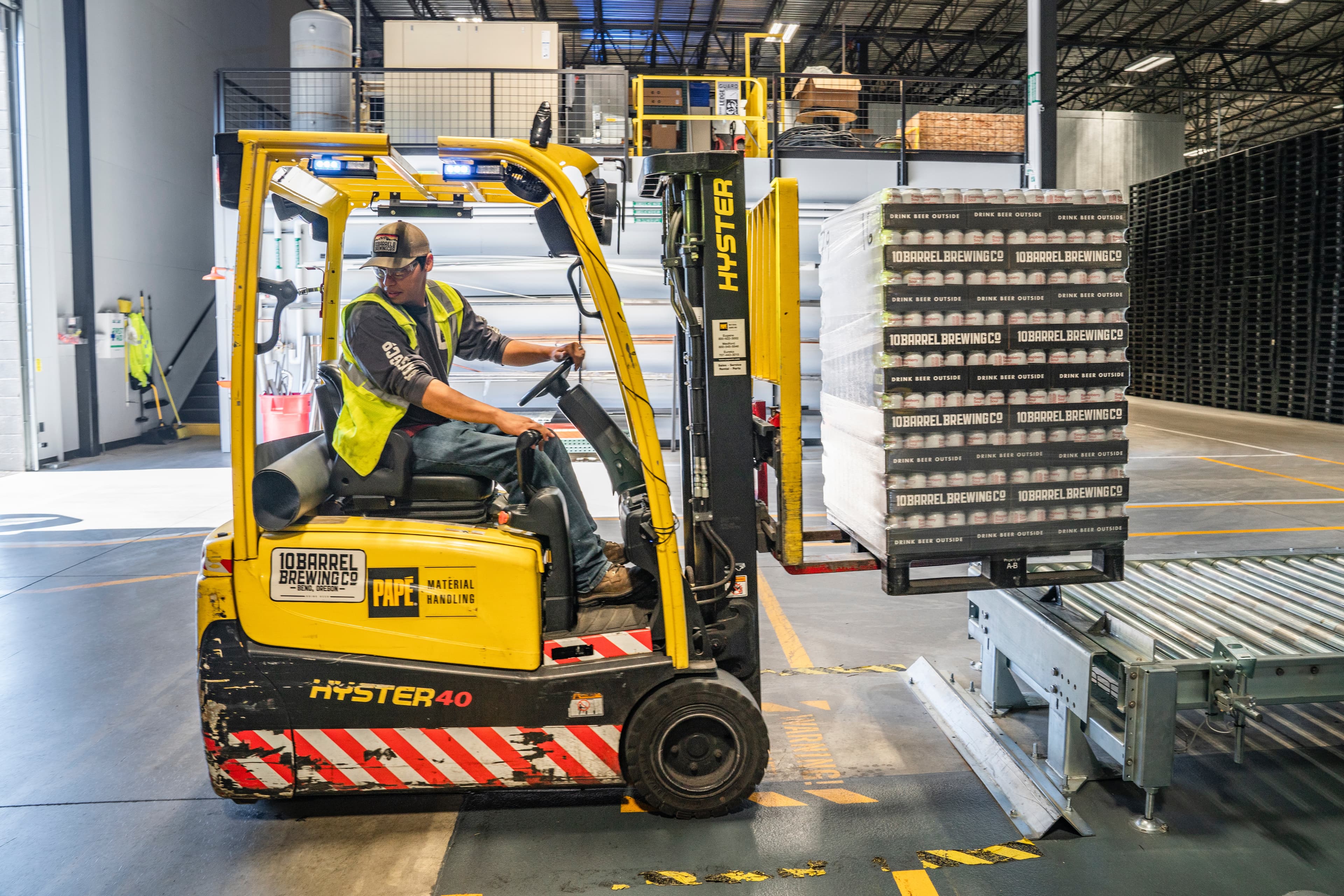
To keep up with the dynamic changes in the global seafood trade there is a need for better management of warehouses. It is to facilitate this need that the warehouse management system (WMS) comes into play.

One of the up-and-coming trends in the world of Food ERP is vessel management. In Lehman’s language, vessel management is a ship or a vessel purchased for the purpose of importing and exporting commodities hence its management becomes a necessity. A food ERP provider with vessel management capabilities takes up numerous functions such as maritime traffic supervision, registration of vessels, permits for entering and leaving the port, and various others.

With food regulatory bodies taking huge strides in their quest for compliance, food safety is now of primal importance making Food ERP a prerequisite. One of the pillars of Food ERP is quality control, a process to eliminate defects and avoid them from being released for use. Thus, each and every ingredient of an item has to adhere to the quality standards at all points from the manufacturing facility to a customer’s table. How to attain Quality Control? The only means to attain effective qualit

One of the up and coming technologies in the world of operational efficiency is Radio Frequency Identification (RFID). RFID is a know-how leveraging radio waves to unreceptively identify a tagged object.
With a pandemic on the loose, food safety has become the new norm and the onus of this lies on the produce packers and shippers of the world. Having said that, the road to food safety is not a walk in the park with regulatory and inventory setbacks being the new normal in the produce industry. This in-turn is the reason produce packers and shippers are unable to sustain profits and eventually go out of business.

We’ve talked a lot recently about the idea of Food ERP on various blogs and white-papers lately, but do we truly understand what it is and why it is so critical? So often, small and medium size food businesses think about the prospect of integrating an ERP solution but lack the information necessary to actually pull the trigger on seeking one.

Just like a coin, ERP implementation has two sides to it. Depending on a host of factors like the size of a firm, the customizations needed and the Microsoft partner chosen a seafood trader can determine whether the ERP system installed is an investment or an expense.
It is no secret that in the produce industry, operational efficiency is what differentiates the best from the rest. This is why produce ERP sells like hot cakes among the produce packers and shippers and has its weight worth in gold. For, more and more produce packets and shippers are getting attracted to the discipline by the desire to integrate and consolidate management information and monitor real-time data at all times.

Seafood traders for long have endured sufferings at the hands of governing agencies. To add fuel to the fire, the high intensity of competition with more and more demanding customers is squeezing in on the margins. This was one of the primary reasons why seafood traders today especially those at a small and medium scale are struggling for a steady cash flow and eventually going out of business.
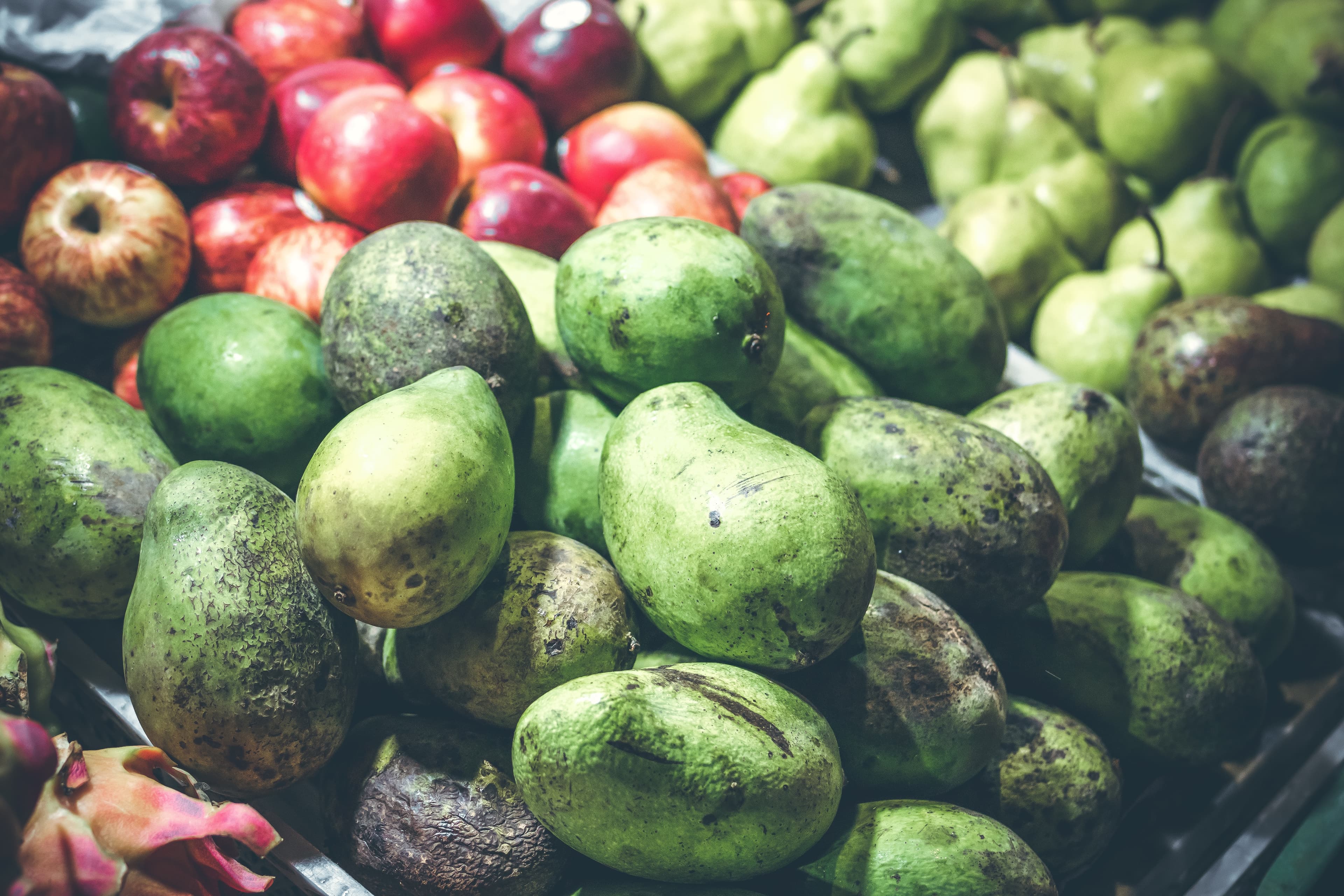
With operational efficiency being the golden goose of the produce industry, produce ERP also referred to as the PPS solution is selling like hot cakes among the produce packers and produce shippers of the world. With food safety regulations breathing down the necks of produce packers and shippers alike, inventory management has emerged as the only means to survive.