Blog Topic
21 articles
For Produce businesses market dominance is the end game. This might entail specific objectives like boosting profitability or expanding your product lines, but the aim at the end of the day is to adhere to standards and make money.
From the harmful effects of humidity in the rainy season to the decaying effects of high summer temperatures: all manufacturing, and processing businesses handling fresh produce need food ERP.
Over the years as the world population was increasing the only thing which gained significant importance was food production and this was achieved through usage of chemicals, pesticides, preservatives etc. But over a period of time people have now realized the importance of organic food as a means of living a healthy life. The term “organic” here refers to the process of how certain foods are produced. Organic foods are grown or cultivated without the use of chemicals, artificial hormones and GM
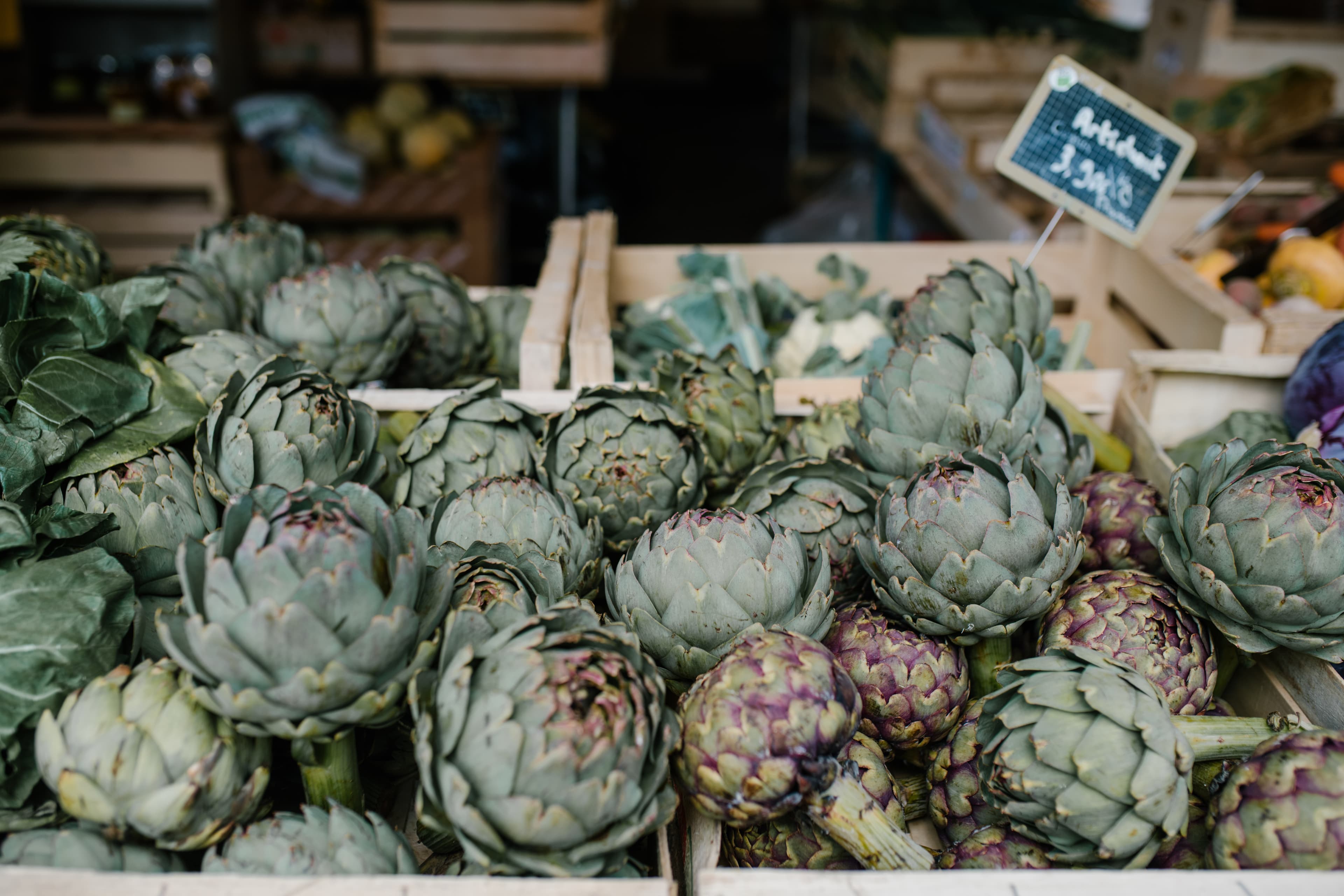
The “Spring” season also known as springtime which succeeds winter and precedes summer is one of the best times for cultivation as it provides us with favorable conditions such as:
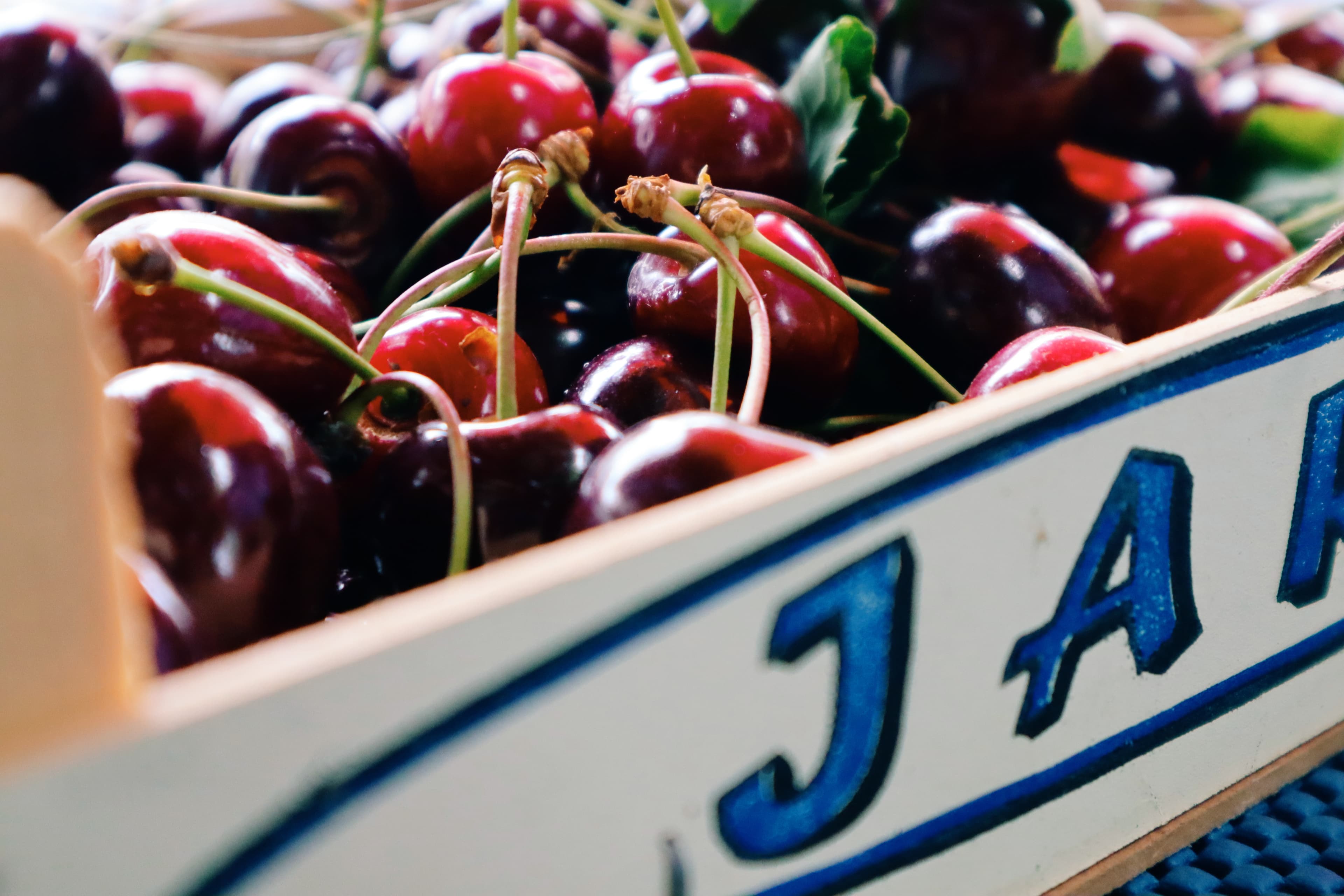
With a pandemic on the loose, food safety has become the new norm and the onus of this lies on the produce packers and shippers of the world. Having said that, the road to food safety is not a walk in the park with regulatory and inventory setbacks being the new normal in the produce industry. This in-turn is the reason produce packers and shippers are unable to sustain profits and eventually go out of business.
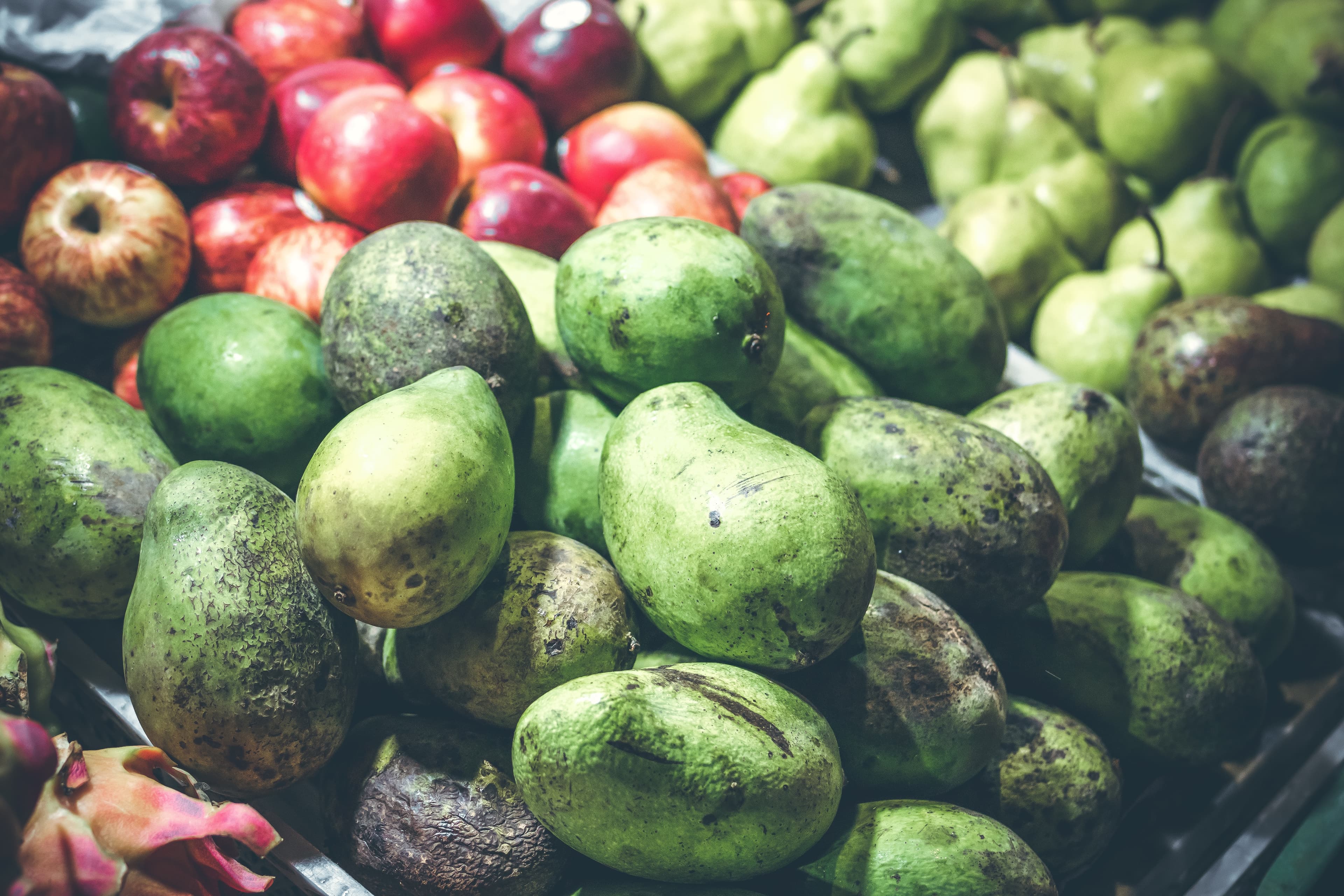
With operational efficiency being the golden goose of the produce industry, produce ERP also referred to as the PPS solution is selling like hot cakes among the produce packers and produce shippers of the world. With food safety regulations breathing down the necks of produce packers and shippers alike, inventory management has emerged as the only means to survive.

In the last decade, ERP has become the new normal of the business world and supply chain management the most proprietary offering it brings to the table. One of the pillars of supply chain management is what we call Transport Management System (TMS). This logistic platform helps to plan, implement and optimise transportation of goods with the help of technology. By taking charge of every incoming and outgoing shipment, it not only ensures compliance but also is the epitome of efficiency.

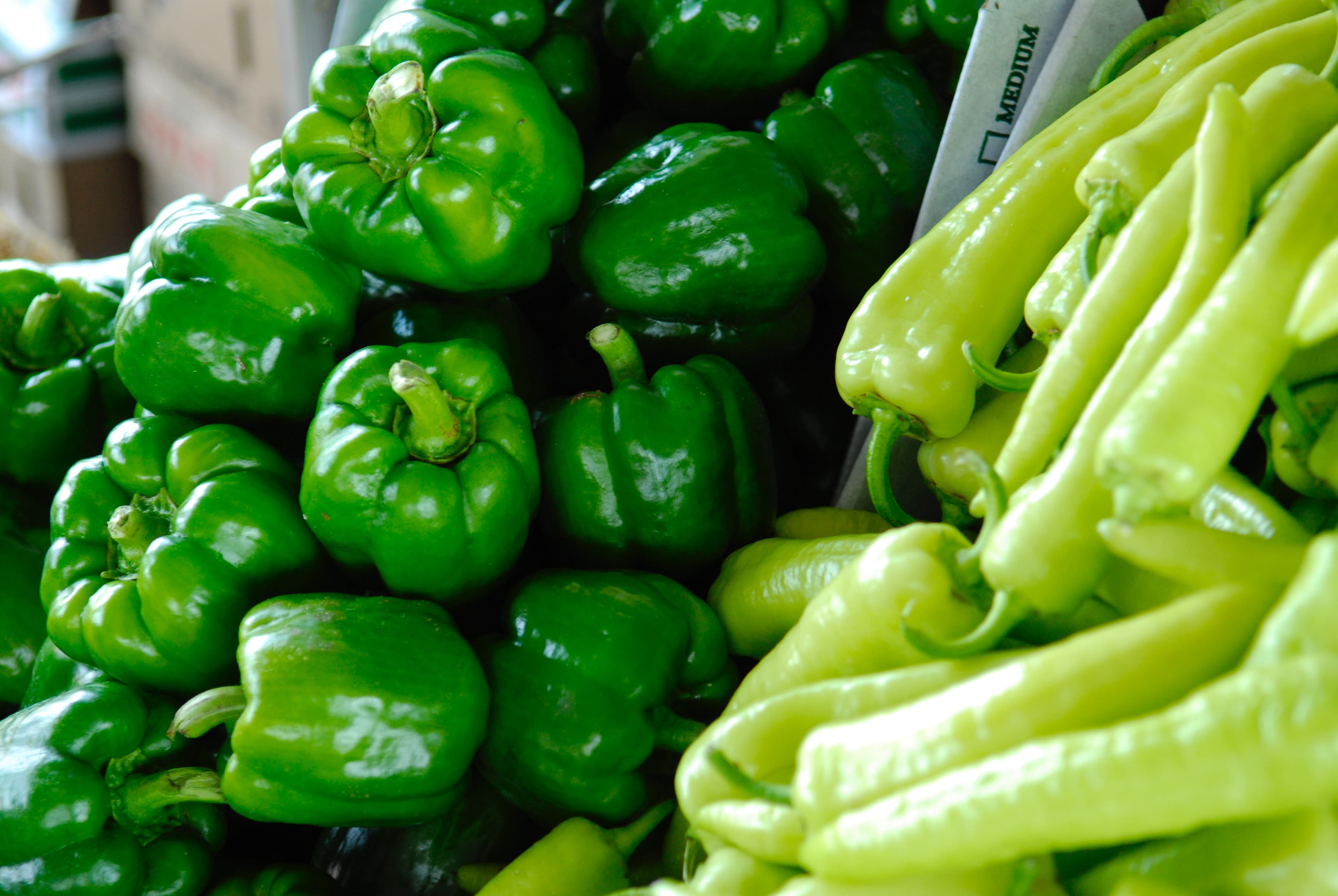
The coronavirus has made its way across the world, decimating the produce industry while making it harder for people to trust the food they consume. In order to make the food industry a bit safer and more trustworthy, certain regulations have been put into place in order to curb the spread of COVID-19 and create a safer environment for imported and exported food, food workers, and the general public.

The coronavirus pandemic caused a lot of disruptions in the food supply chains, especially the food manufacturers and produce manufacturers faced a lot of difficulties in gathering the required raw materials and enough labor. The food and produce suppliers were unable to meet the demands and the whole situation can be labeled as a crisis.

We are currently going through a major historical event in the form of coronavirus pandemic. In order to control the spread of this virus, people are recommended to stay at home and avoid any sort of social interaction. People are moving towards different sources for their produce requirements. People, specifically New Yorkers, are turning towards CSA or better known as community supported agriculture. The CSA delivers the food right from the farm to you and with the people needing to stay at ho