
Blog Topic
99 articles

We’ve talked a lot recently about the idea of Food ERP on various blogs and white-papers lately, but do we truly understand what it is and why it is so critical? So often, small and medium size food businesses think about the prospect of integrating an ERP solution but lack the information necessary to actually pull the trigger on seeking one.

Just like a coin, ERP implementation has two sides to it. Depending on a host of factors like the size of a firm, the customizations needed and the Microsoft partner chosen a seafood trader can determine whether the ERP system installed is an investment or an expense.

It is no secret that in the produce industry, operational efficiency is what differentiates the best from the rest. This is why produce ERP sells like hot cakes among the produce packers and shippers and has its weight worth in gold. For, more and more produce packets and shippers are getting attracted to the discipline by the desire to integrate and consolidate management information and monitor real-time data at all times.

Seafood traders for long have endured sufferings at the hands of governing agencies. To add fuel to the fire, the high intensity of competition with more and more demanding customers is squeezing in on the margins. This was one of the primary reasons why seafood traders today especially those at a small and medium scale are struggling for a steady cash flow and eventually going out of business.
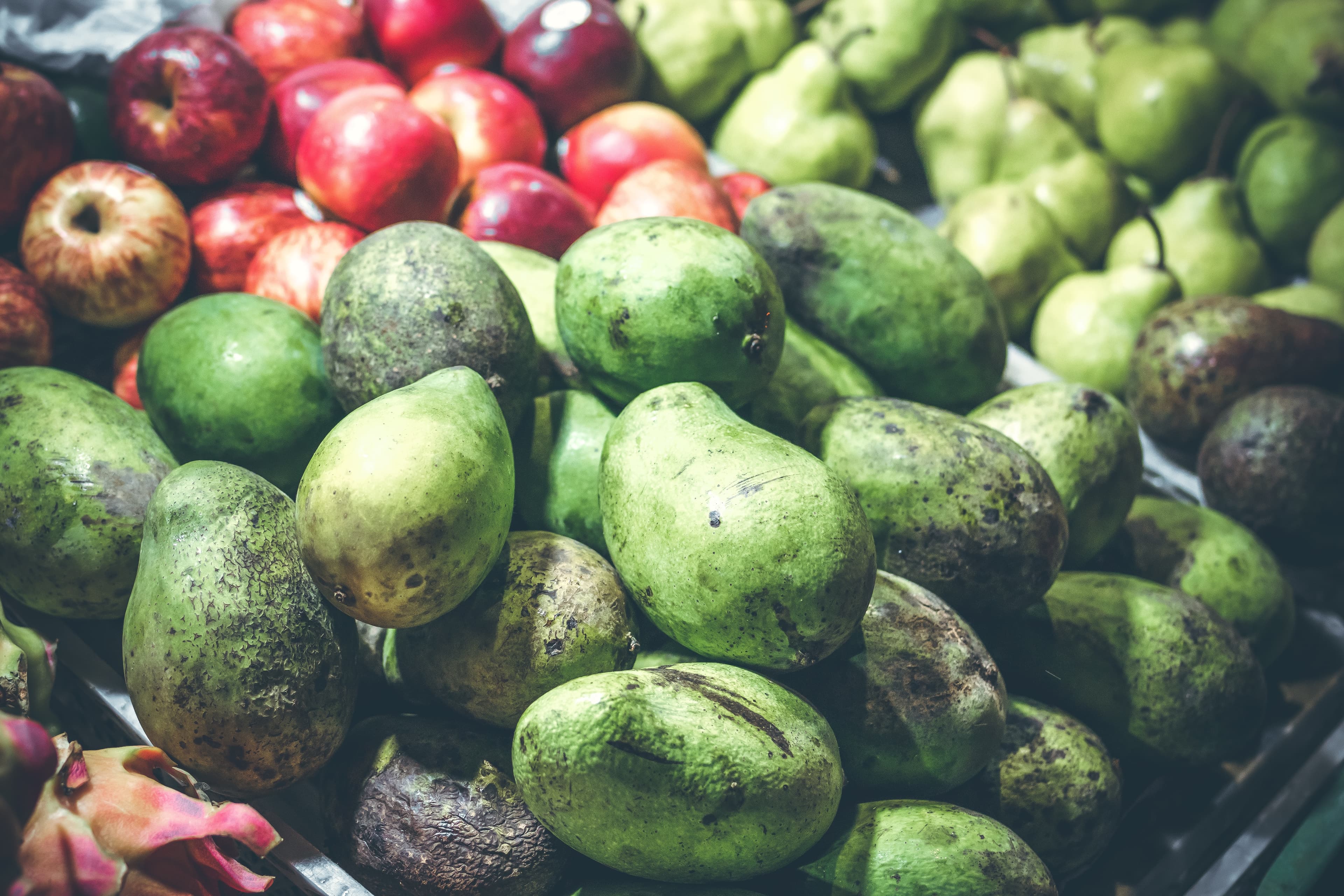
With operational efficiency being the golden goose of the produce industry, produce ERP also referred to as the PPS solution is selling like hot cakes among the produce packers and produce shippers of the world. With food safety regulations breathing down the necks of produce packers and shippers alike, inventory management has emerged as the only means to survive.
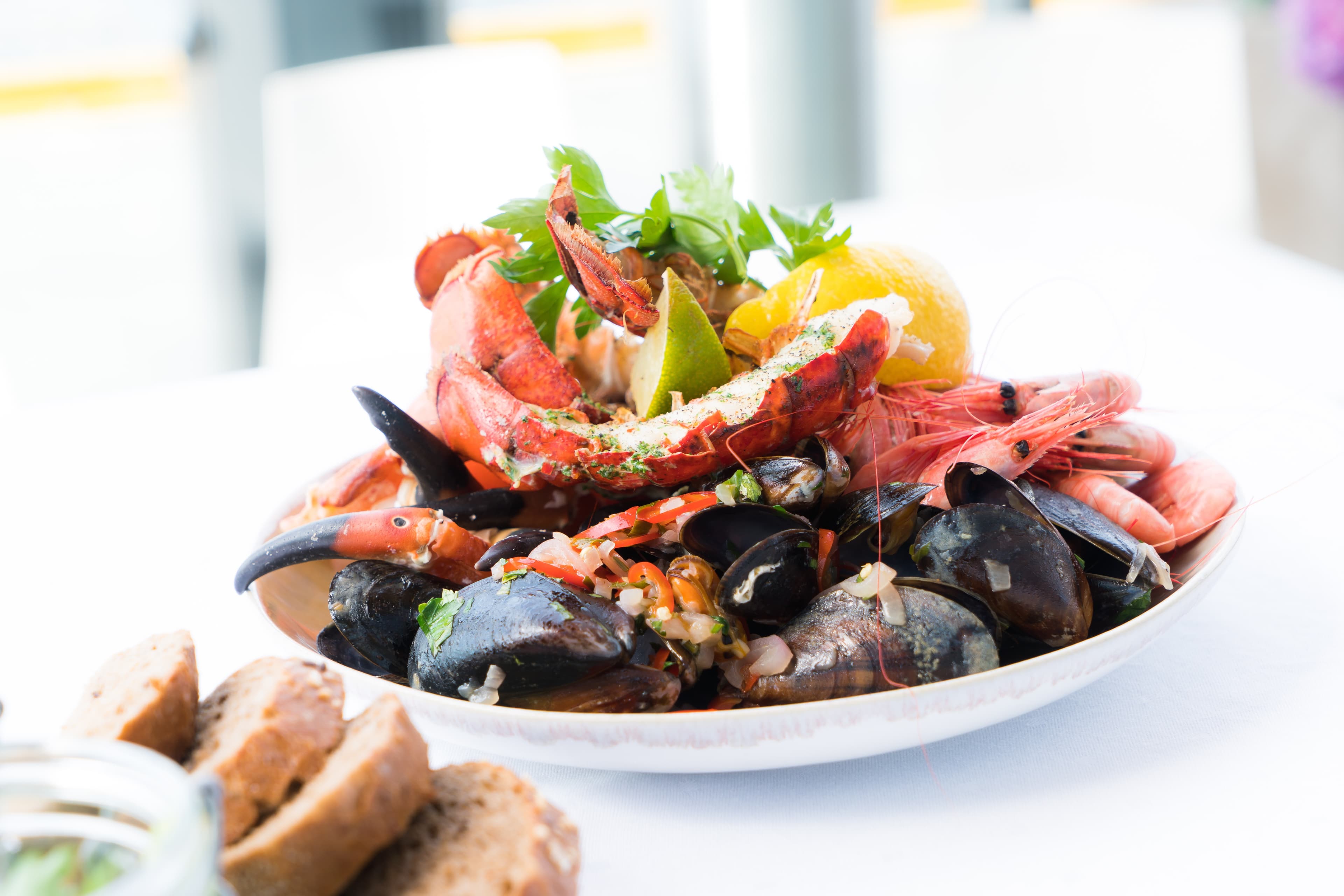
Traditionally seafood traders were reluctant to invest in seafood ERP as it was considered to be an expense with insignificant returns making it a luxury only high end seafood traders could afford.

With ERP being the new golden goose for industries worldwide, the seafood industry too has incorporated this asset. In hindsight, ERP for seafood has raised efficiency standards up a notch and made the supply chain lean and accountable to its core.


From an off-the-shelf systems integration solution to a supply chain and administrative fixer for operational efficiency, ERP has come a long way in the business world. The past decade speaks volumes of how ERP established itself as a flag bearer of efficiency and success. However just like every technology, ERP systems too needs upgrades to stay relevant.
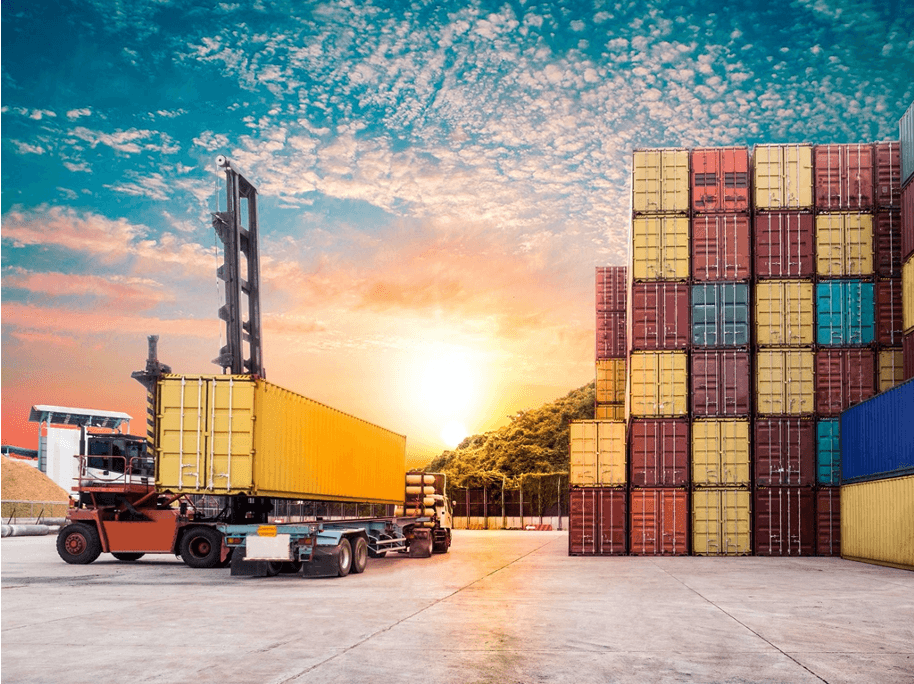
In the last decade, ERP has become the new normal of the business world and supply chain management the most proprietary offering it brings to the table. One of the pillars of supply chain management is what we call Transport Management System (TMS). This logistic platform helps to plan, implement and optimise transportation of goods with the help of technology. By taking charge of every incoming and outgoing shipment, it not only ensures compliance but also is the epitome of efficiency.
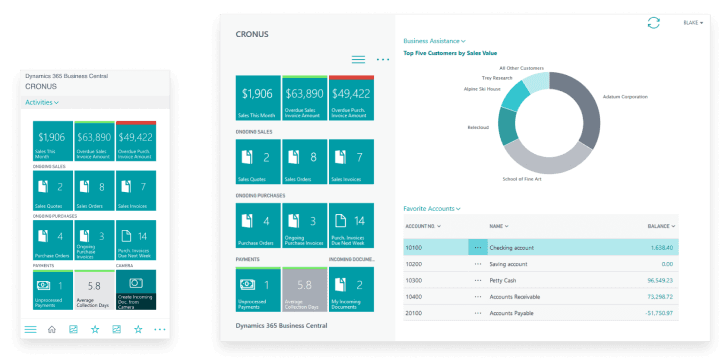
The age-old debate between Business Central and NetSuite has intensified with time. With digitalization, the race to being the best ERP software for businesses across the globe has gone up a notch. With more businesses streamlining their processes, ERP is running wild and it's worth weighing in gold. And so, it all boils down to which ERP solution is better for your business.
INECTA recently sat down with one of its senior ERP consultants, Ruth Lestina, to discuss what customers seem to really appreciate about INECTA's ERP offerings. Ruth Lestina is a highly knowledgeable consultant who has been working with INECTA’s customers for quite some time, and she knows exactly what makes them tick. Her expertise gives her invaluable insight into what businesses are sorely lacking in their current form of enterprise resource planning, and what they desperately need in order t