
Blog Topic
52 articles
One of the up and coming technologies in the world of operational efficiency is Radio Frequency Identification (RFID). RFID is a know-how leveraging radio waves to unreceptively identify a tagged object.

We’ve talked a lot recently about the idea of Food ERP on various blogs and white-papers lately, but do we truly understand what it is and why it is so critical? So often, small and medium size food businesses think about the prospect of integrating an ERP solution but lack the information necessary to actually pull the trigger on seeking one.

Just like a coin, ERP implementation has two sides to it. Depending on a host of factors like the size of a firm, the customizations needed and the Microsoft partner chosen a seafood trader can determine whether the ERP system installed is an investment or an expense.

Seafood traders for long have endured sufferings at the hands of governing agencies. To add fuel to the fire, the high intensity of competition with more and more demanding customers is squeezing in on the margins. This was one of the primary reasons why seafood traders today especially those at a small and medium scale are struggling for a steady cash flow and eventually going out of business.

With operational efficiency being the golden goose of the produce industry, produce ERP also referred to as the PPS solution is selling like hot cakes among the produce packers and produce shippers of the world. With food safety regulations breathing down the necks of produce packers and shippers alike, inventory management has emerged as the only means to survive.


From an off-the-shelf systems integration solution to a supply chain and administrative fixer for operational efficiency, ERP has come a long way in the business world. The past decade speaks volumes of how ERP established itself as a flag bearer of efficiency and success. However just like every technology, ERP systems too needs upgrades to stay relevant.

In the last decade, ERP has become the new normal of the business world and supply chain management the most proprietary offering it brings to the table. One of the pillars of supply chain management is what we call Transport Management System (TMS). This logistic platform helps to plan, implement and optimise transportation of goods with the help of technology. By taking charge of every incoming and outgoing shipment, it not only ensures compliance but also is the epitome of efficiency.
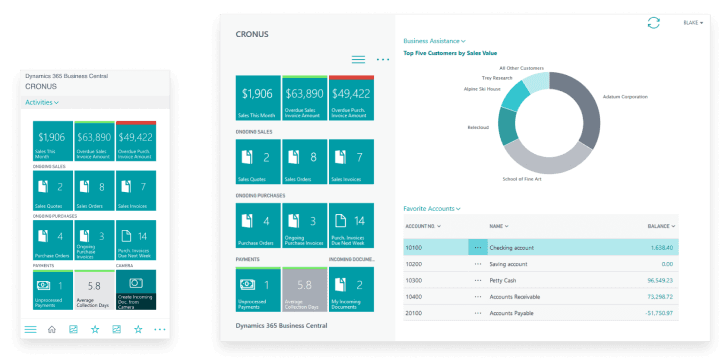
The age-old debate between Business Central and NetSuite has intensified with time. With digitalization, the race to being the best ERP software for businesses across the globe has gone up a notch. With more businesses streamlining their processes, ERP is running wild and it's worth weighing in gold. And so, it all boils down to which ERP solution is better for your business.

Once considered a heavy expense that companies tended to avoid and is now considered an investment with invaluable returns, lot traceability has come a long way in the business world. Lot traceability is defined as a group or a lot of goods manufactured in the same run using the same materials. In this process, each lot is given a specific lot number and all goods produced at once under this lot get the same number. Wherein, a lot number refers to a specified quantity of the item and the associa

NEW YORK, NY – August 3, 2020 –Today, INECTA posted its Seafood Trader-specific solution to Microsoft AppSource, making it fully accessible in App format through Microsoft’s App marketplace. This is the first of many INECTA verticals to be featured through AppSource with multiple food and life science-specific solutions to follow in the near future. INECTA is thrilled to make its services available to Seafood Traders via AppSource where they can leverage the solution's many invaluable features d
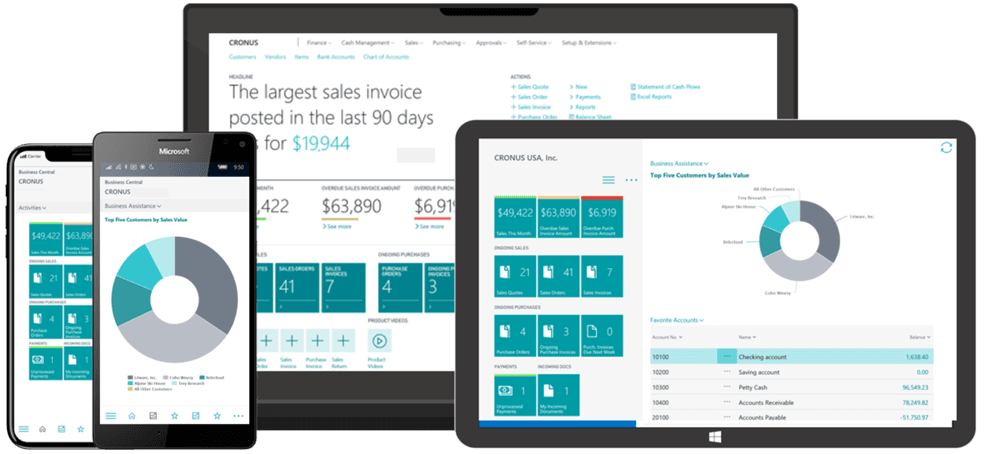
One of the go-to ERP software’s trending today is Microsoft Dynamics 365 Business Central. From streamlining processes to accelerating growth, it is a one stop for all ERP solutions. Multiple objectives such as accurate financial forecast and reporting, supply chain optimization for operational efficiency and a sales boost by prioritizing leads with the least amount of invested resources can be accomplished. Not to mention operations can be run across geographies via cloud all thanks to Business