
Insights and guides for food industry professionals, from ERP implementation to supply chain optimization.

Looking Beyond Usability and Focusing on Automation When discussing the operational system of a company the conversation usually revolves around how to push the right buttons to get a product in and out of the supply chain.

How to Implement FSMA The first order of business for any organization is acknowledging the need to implement and comply with the act. Also, taking inventory of how the company stacks up at the present time is paramount to understanding what needs to be improved in order to become FSMA compliant. Often, companies are already in compliance with other food safety programs such as HACCP, with the FSMA being a “catch-all” for all programs under the food safety umbrella. As far as implementation goes
BRC The BRC Global Standard for Food Safety is a system developed by a collective of food industry participants looking to raise the bar for overall food safety and standards. Retailers, manufacturers and food service organizations alike all had a hand in comprising a detailed system for maintaining food safety standards that is easy to understand.

HACCP (Hazard Analysis Critical Control Points) is a systematic, science-based food safety system used by food manufacturers worldwide. Built on 7 core principles, from hazard analysis to verification, it identifies and controls biological, chemical, and physical hazards in food production. This guide explains what HACCP means, how its principles work, and how it connects to FSMA compliance.
In recent years, food safety compliance and regulations have become more and more strict, and for good reason. With the introduction of the Food Safety Modernization Act, the FDA has issued several mandates in which all of those who toil in the produce industry must abide by.
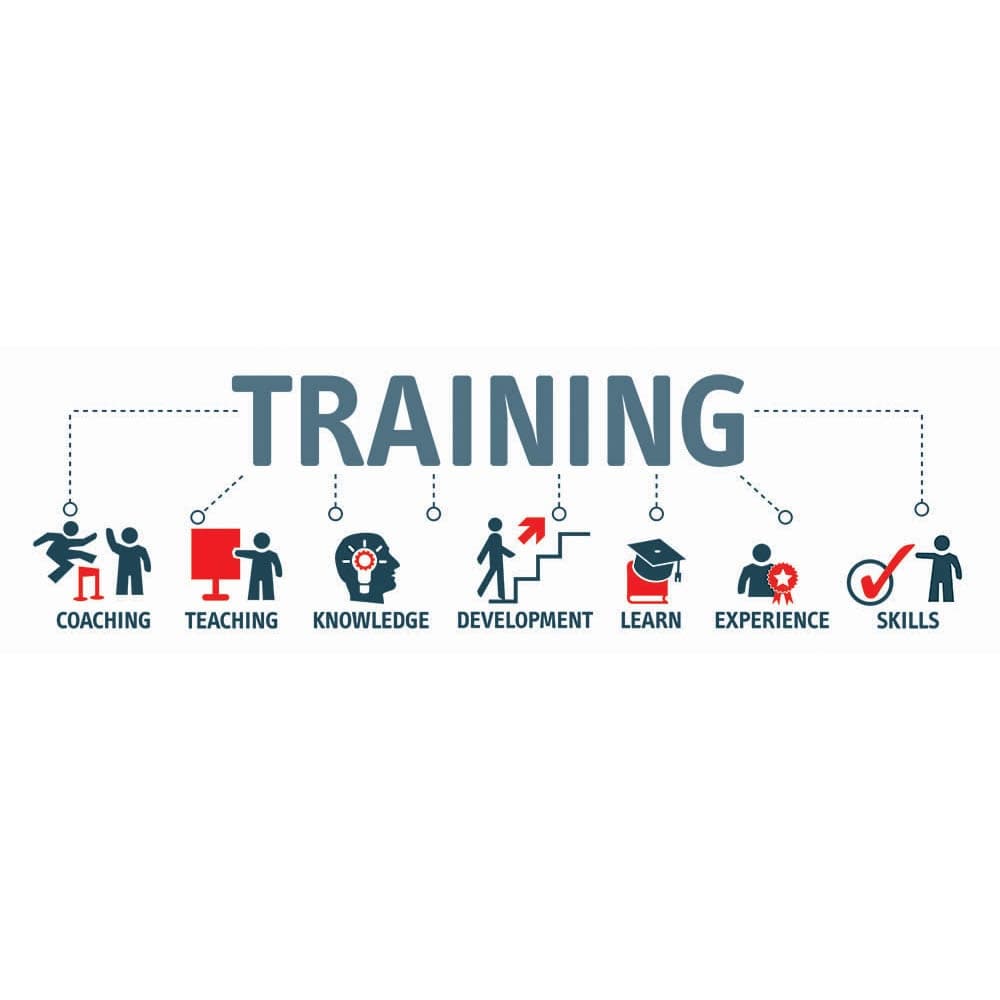
As with any tool, an Enterprise Resource Planning (ERP) system is only as good as its users. Investing the time to properly train your organization is the best way to ensure you get the most out of your investment and give your team the resources they need to efficiently operate. Other benefits of training include:
The Safe Quality Food Program, or the SQF, is known as an extensive food safety program that involves legitimate retailers, owners, and food industry participants across the globe. This program is truly international, which makes it extremely important for the purposes of the importation and exportation of food goods. The SQF has already been recognized by the Global Food Safety Initiative because both movements exist to keep consumers safe by abiding by a specific code designed for all aspects

Enterprise resource planning or ERP performs a number of important functions. It has the ability to integrate the various business units within your organization, streamline your workflows, improve communication and provide usable data and valuable insights. This data is essential to the efficient management of your department or business.
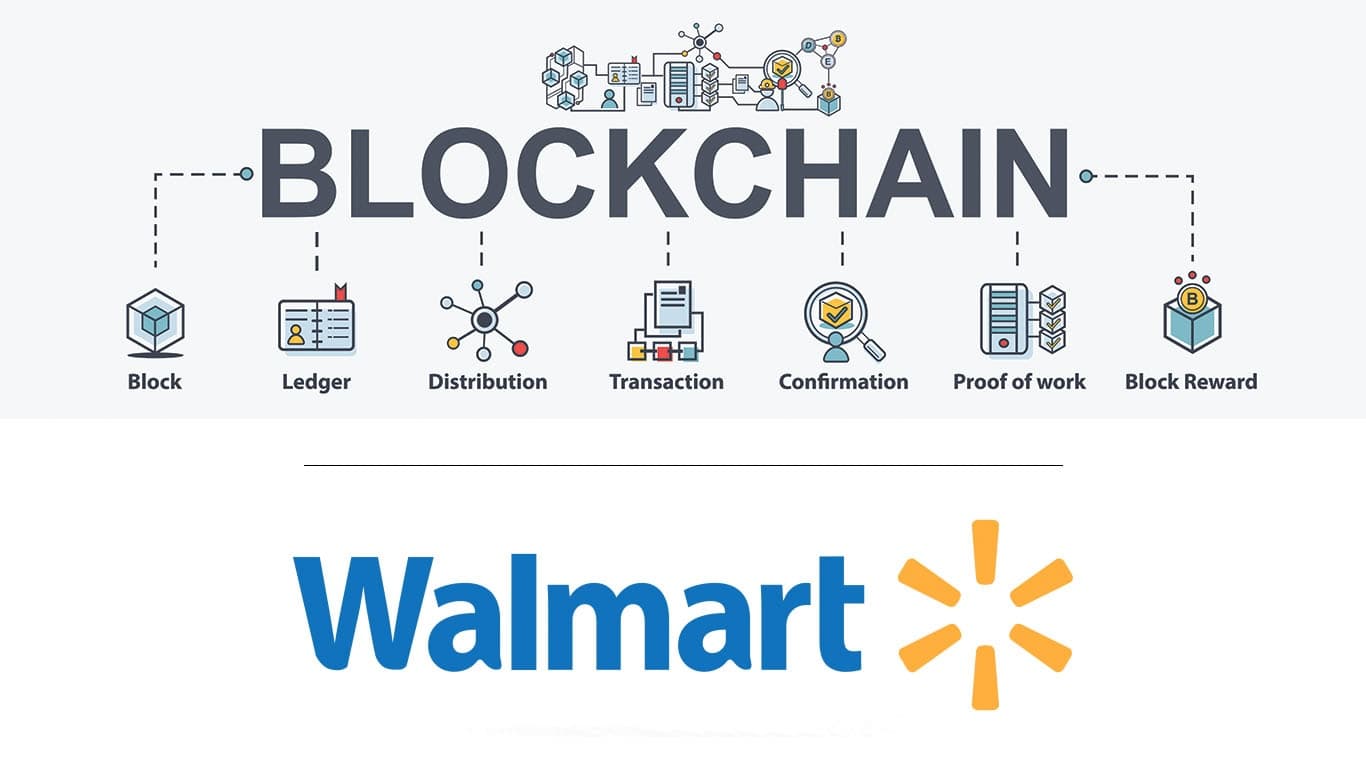
Both Walmart and Sam’s Club have resolved to implement Blockchain technology in effort to improve the quality of their leafy green products. With the most recent outbreak of E. Coli and Salmonella, Walmart is making produce safety a priority. This has major implications for those intending to distribute their leafy green products to the grocery giant. By January 31st, 2019, direct suppliers will be expected to provide one-step-back traceability. Further down the road, the direct suppliers to all

In today’s business landscape, there is one constant across the board. ERP, or Enterprise Resource Planning solutions have been vital for streamlining data throughout multiple platforms. Traditionally this was done on a local server, which was engrained in the company’s main computing system. With the introduction of cloud technology, the ERP solution format has been propelled to new heights. Instead of relying on the company’s own server infrastructure, cloud ERP is connected through the cloud