
Insights and guides for food industry professionals, from ERP implementation to supply chain optimization.
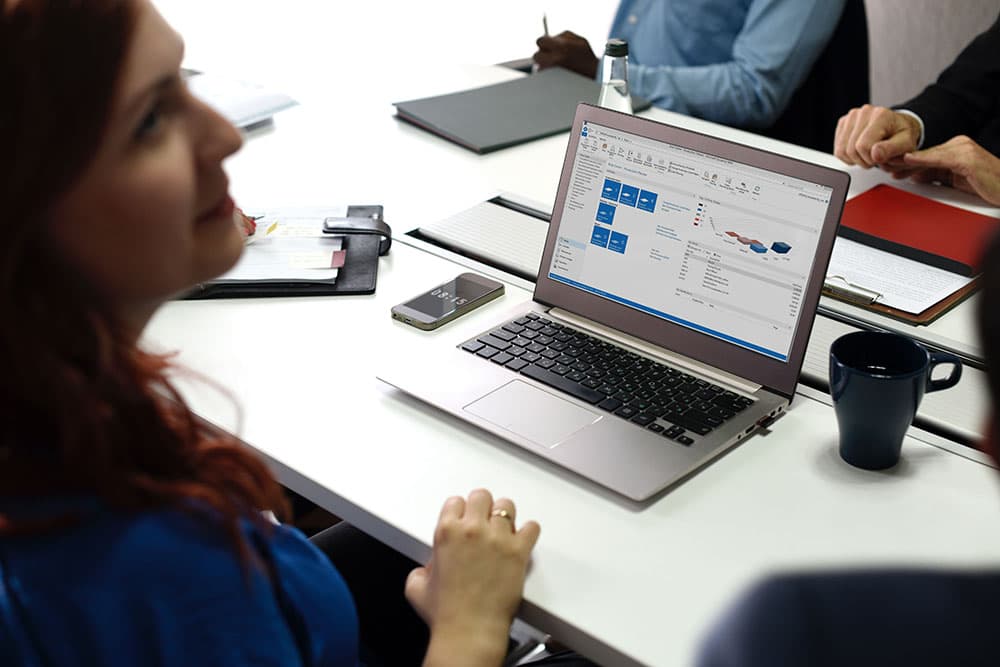
Enterprise Resource Planning (ERP) software is a powerful tool for organizations large and small, unifying business functions and departments. ERP can streamline your business processes and improve performance, speed and results.

Using ERP to Solve Your Enterprise Pain Points In this series of blog posts, we will focus on identifying the most frequent pain points enterprises face with their existing software system deployments and how an ERP solution can help alleviate them.

Data is a critical element of modern business and we generate a vast number of data points on a daily basis. Access to accurate data is essential to all departments within the business but much of this data is duplicated, often many times over. This is not only an incredible waste of time and resources, it increases the chance of errors exponentially.
Upgrading to Microsoft Dynamics 365 Business Central for Existing Microsoft Customers As often happens when software upgrades are released, there’s a bit of confusion in the market. This is particularly true when it’s something as important as your enterprise resource planning (ERP) software. Let us help you make sense of the changes and take advantage of the opportunities.
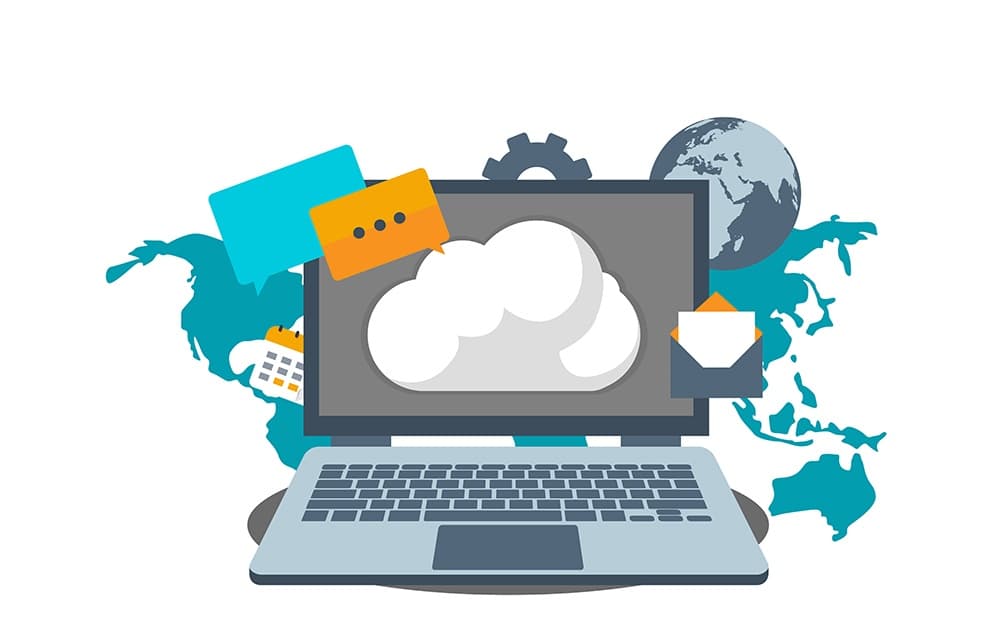
Microsoft has officially announced the launch of Dynamics 365 Microsoft Business Central, a cloud-based business management solution for NAV.

There are many questions that have to be asked when deciding on an ERP system for your company. One of the bigger ones is whether to go for an on-premise or a cloud-based solution. On-premise, as the name suggests is installed on your company servers and computers whereas a cloud-based solution is ERP or Software as a service (SaaS) that is installed and managed off-site and accessed via an internet connection.

Upgrading or taking on a new ERP system is a mammoth task. Different sides of the business might look at it from different angles. It is important to get a system that will help the company achieve their goals and objectives. It has to work for everybody but most importantly, it has to work for the company.
Cloud computing is a term with a nebulous definition. For the purposes of examining Cloud ERP, we won't just talk about “cloud.” Instead, we will look at ERP as it is deployed with three common cloud computing models:

There is an old but relevant saying in business – You can’t manage what you can’t measure. With modern business software, companies have access to a wealth of data, statistics and information.

Everyone in the industry has a nightmare RFP story. Is there any hope to salvage the process? Let’s face it: virtually everyone views technology RFPs as a necessary evil. Your company may be in dire need of a modern ERP, but the thought of diverting productive time to the selection process is no less painful. ERP implementations don’t happen within the same company often, so professionals must learn the intricacies of the selection process in an environment that allows little room for mistakes a

VAR selection can be defining decision in the success of an ERP project. With so many VARs to choose from, the decision to choose a VAR based on experience with your industry or their physical location can be difficult.

Still relying on complicated spreadsheets and QuickBooks to run your critical operations?