
Insights and guides for food industry professionals, from ERP implementation to supply chain optimization.
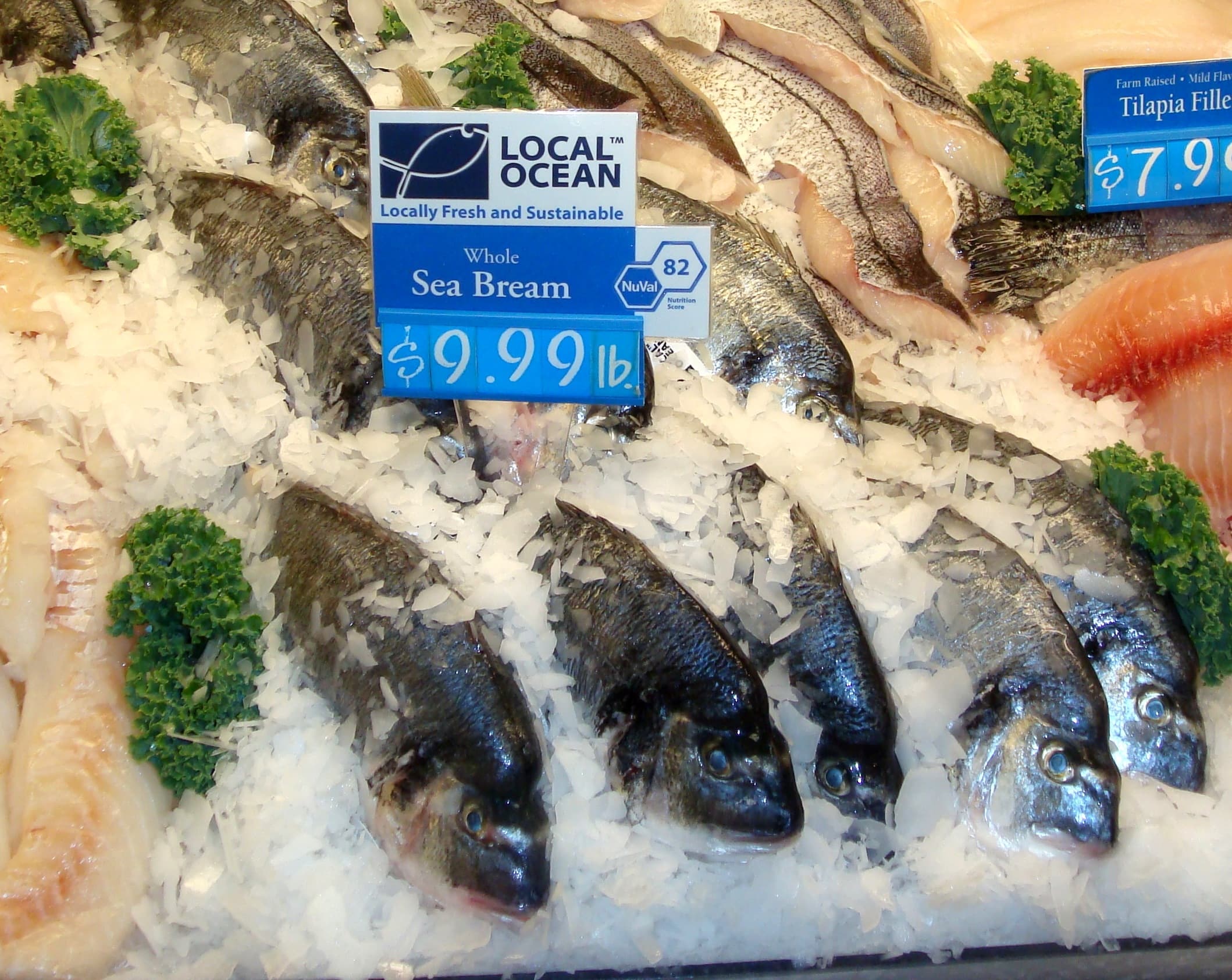
The question of whether or not you should buy local or imported seafood is one that has achieved rapid prevalence in recent years as the trend towards sustainable seafood has progressed significantly. Typically, there is a significant incentive to buying locally sourced food. But does that necessarily pertain to seafood as well? It certainly does for produce.
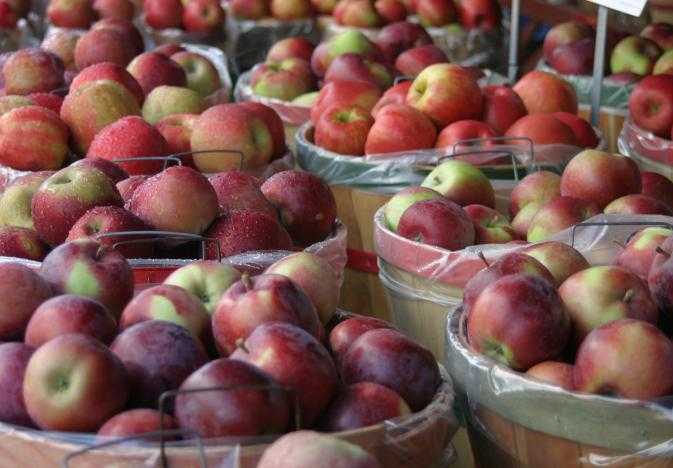
When it comes to packers and shippers of produce products, there are several hurdles to jump over in order to run a business successfully. Packers and shippers have the responsibility of taking the finished product received from the source, and preparing it for its journey to the greengrocer or farmers market, etc. No one cherishes the concept of pinpoint accuracy and precision more than produce packers and shippers. If nothing else, you are dealing with a product that is essentially a ticking t

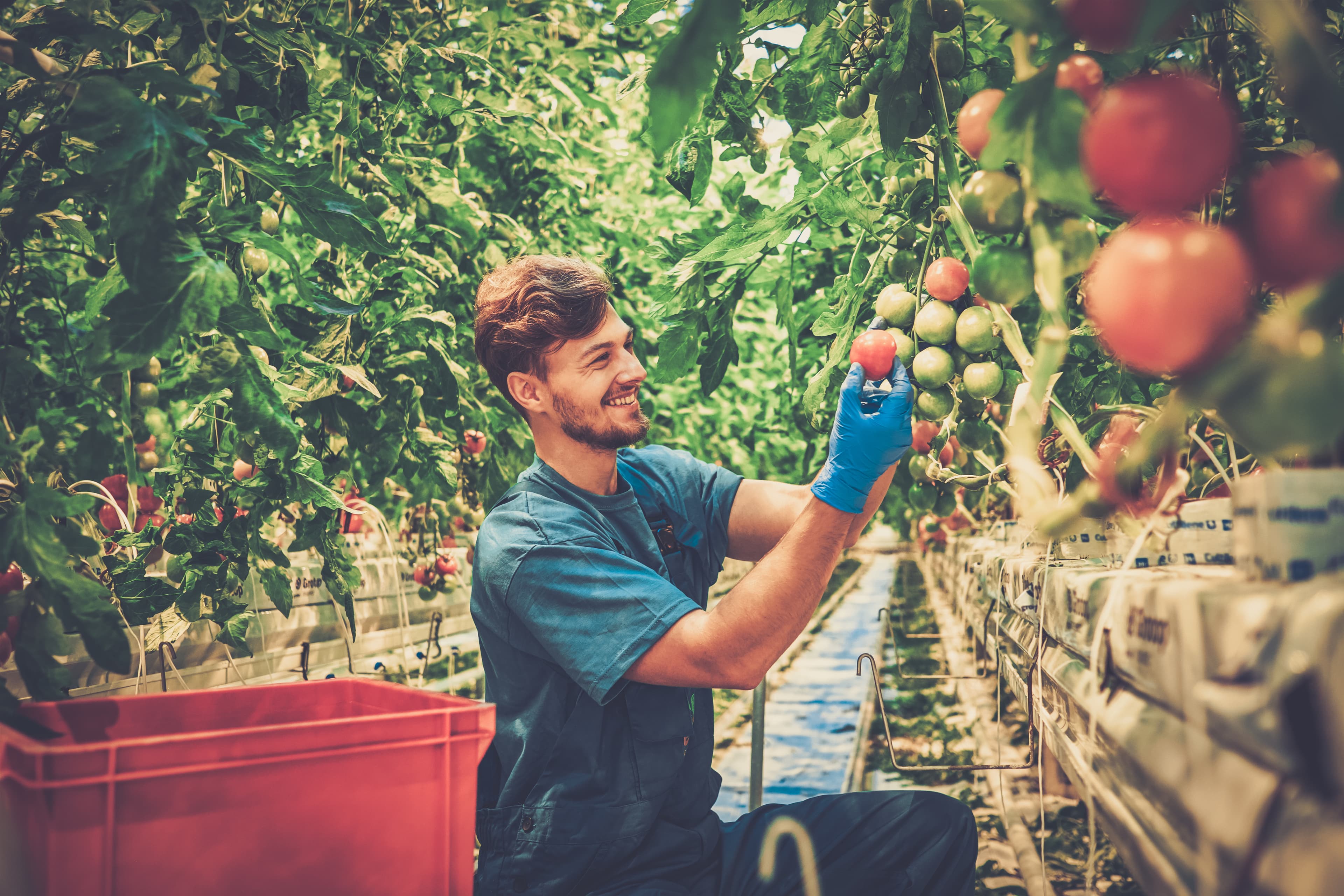
Produce Growers are faced with numerous challenges every sowing and harvesting season. These challenges make it particularly difficult to run a successful business without the help of a top-notch ERP system that can exceed expectations.
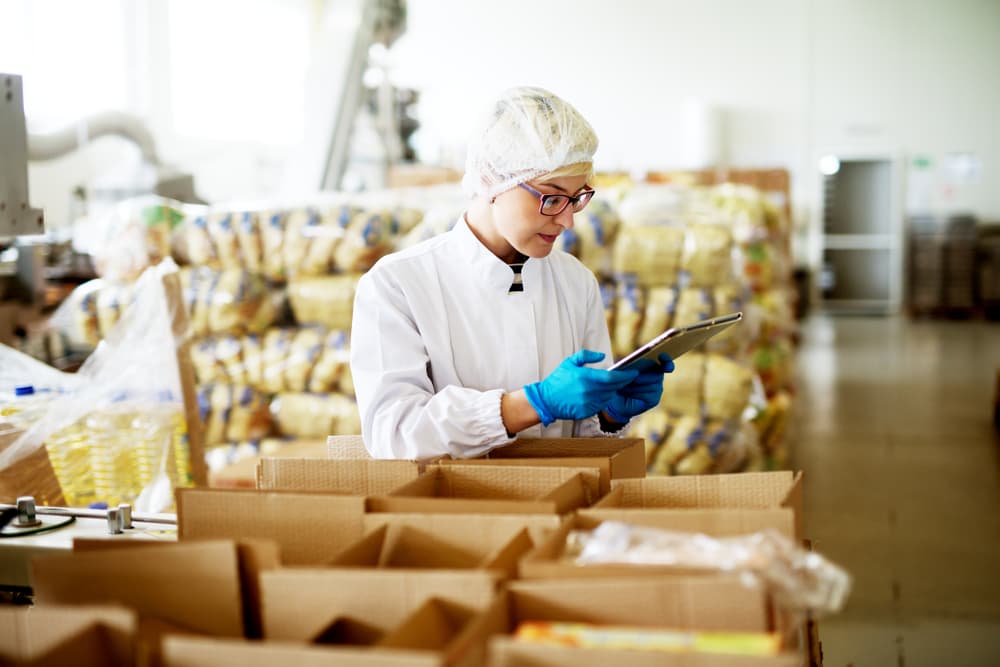
Food manufacturers have seen a sizable increase in demand for customization and have done their best to heed the call and offer customizable options to consumers. However, there is a desire for more automated customization. As it stands, customization is largely conducted via human interaction rather than automation.

Packaging is experiencing a shift in trend. Today, shoppers demand more consumer-friendly packaging that allows them to access their products easier. Consumer packaged goods have always been geared towards consumers’ preferences, so it’s not a surprise that they are answering the call and evolving to meet the demand for convenience.
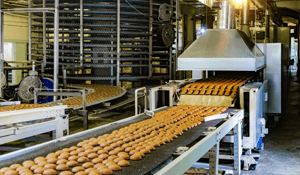
Some of the biggest hazards facing food manufacturers are obvious, but others are less so. There are many threats that loom over any production line in every factory in the world. Employees in the meat, seafood, and other food processing industries face numerous health and safety hazards while on the production line and need to be cognizant of these threats to perform their jobs safely over extended periods of time.
Welcome

By now you’ve probably seen various products boasting the therapeutic qualities of CBD. Though some more conservative in nature would be hesitant to investigate this trend further, companies are trying to market these products for typically anti-cannabis consumers.

The original concept for Bio-labels is derived from the desire to separate organic products from non-organic products. Labeling these products as such helps consumers select organic products following a specific standard that promotes sustainability, animal welfare and the avoidance of genetically modified products that some may consider harmful.
The Marine Stewardship Council or “MSC” label is a symbol of sustainability, wherein all brands that earn the label are committed to the betterment of our ocean’s populations. The label is only granted to those companies whom work actively towards the sustainability of our earth’s oceans.
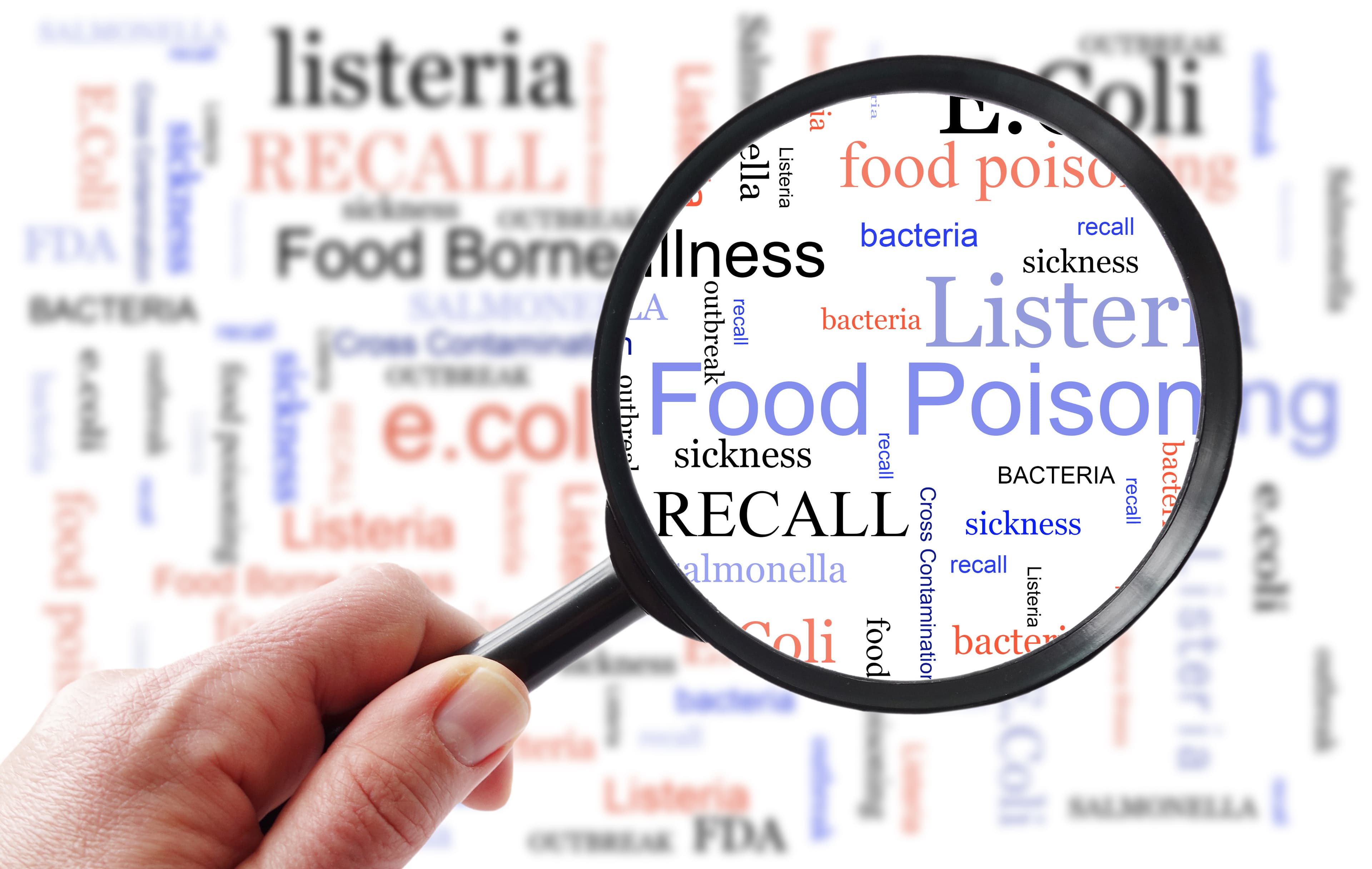
An outbreak investigation is the process of getting to the root of an epidemic and cutting it off at an early stage when possible. It is a crucial practice in public health and can be attributed to saving thousands of lives throughout the lifespan of a single outbreak. These investigations are all key to preventing similar cases in the future, which is an endeavor we can all soundly get behind.