
Insights and guides for food industry professionals, from ERP implementation to supply chain optimization.
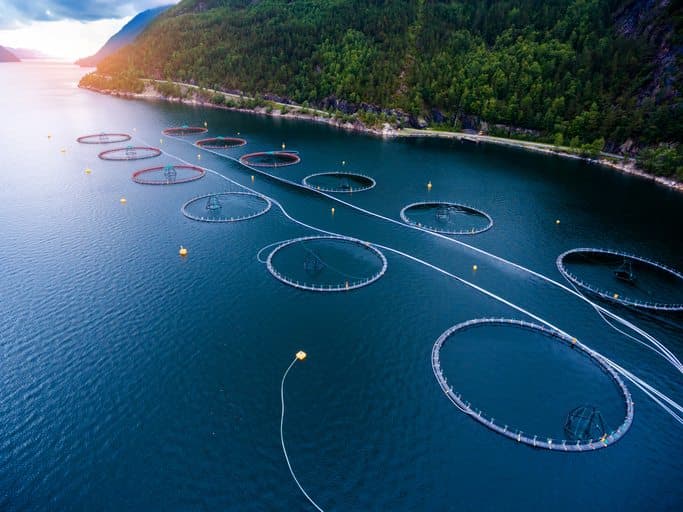
Aquaculture is best described as the cultivation of aquatic animals or organisms for the purpose of controlling conditions as a means for production. The production process varies based on the species that is being farmed. Often, the organisms are comprised of fish, plants and shellfish. Aquaculture is utilized for a myriad of reasons, all serving a specific purpose-mainly consumption.
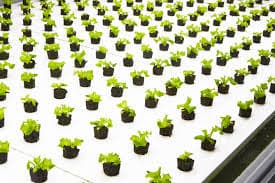
Technology has been fully engrained in the produce industry for quite some time now, but what can we expect for the future? And what about details regarding agriculture technology is vital to understand? At a recent conference hosted by the Produce Marketing Association, the catalysts were highlighted for all that attended. We at iNECTA thought it would be a good idea to discuss in some depth what we’ve learned in regard to what technology is at our disposal to advance agriculture across multipl
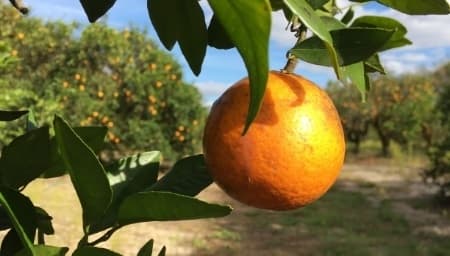
Let’s talk a little about the state of Florida’s agriculture, and what’s in store for the Sunshine State in the future. Obviously, a few things come to mind when you think of Florida produce. Your mind more likely than not jumps straight to citrus, as it does account for a major portion of Florida’s produce industry. However, Florida is facing some issues that are more regulatory in nature.

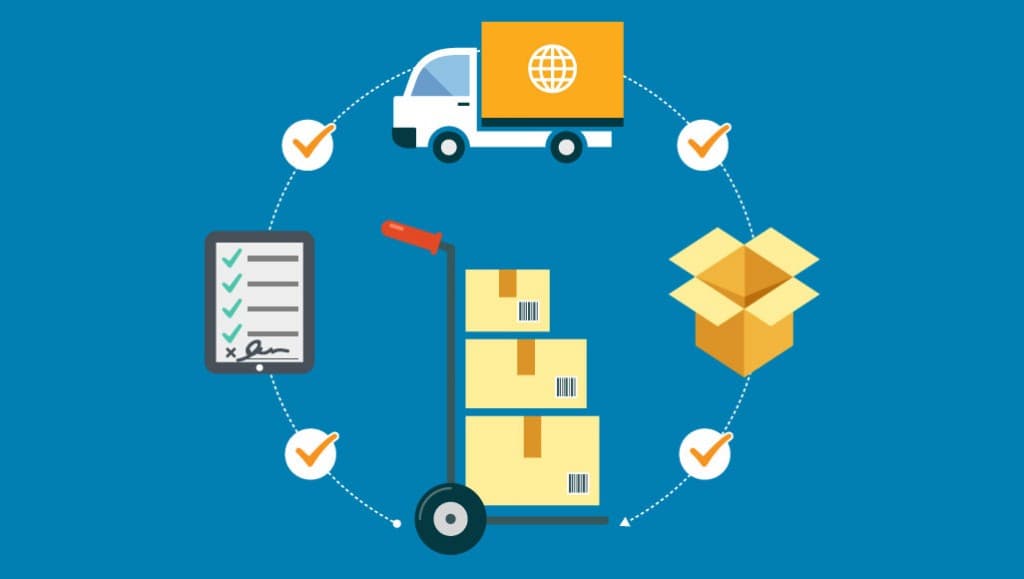
Improving your supply chain to make it more efficient can do wonders in improving your business overall. As a company expands and becomes more complex, so too do the strategies involved in keeping the supply chain efficient and up to par in order to sustain the business. When orders start rolling in, businesses rely on their supply chains to meet the demand and to keep their production, packaging and shipping processes running smoothly in perpetuity.
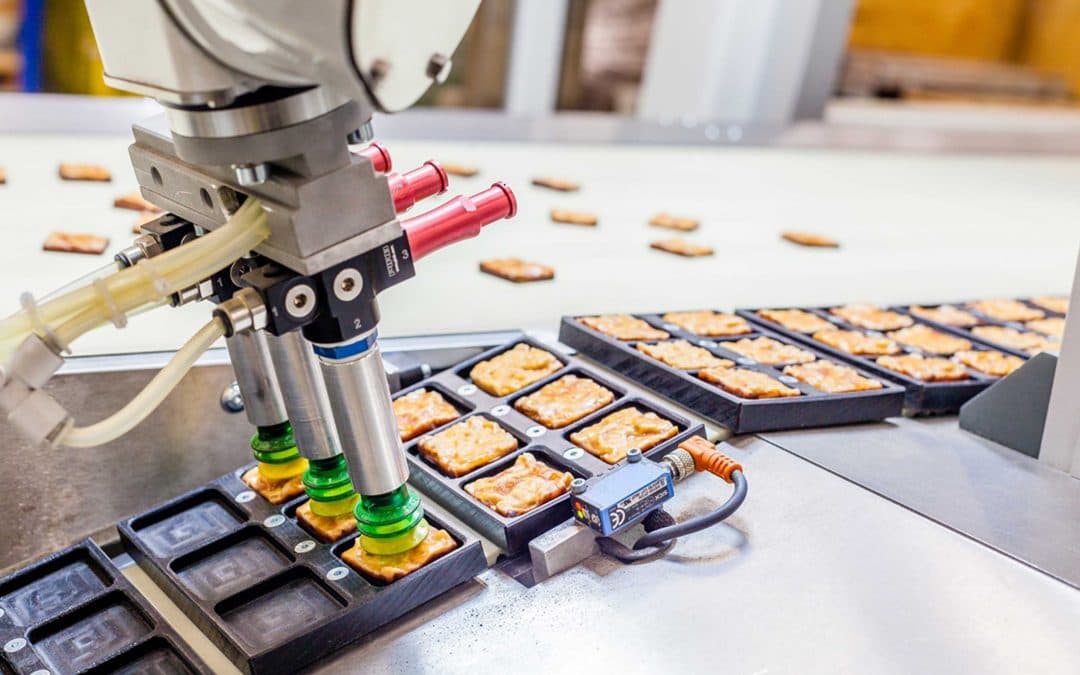
A new year means new trends in regard to the Food production and manufacturing industries. New means of production mean brand new, burgeoning markets that are now just in their infancies. In the interest of looking ahead toward the future, let’s review one of the most anticipated food trends for the year 2019, robotics in the food service and food production industry.
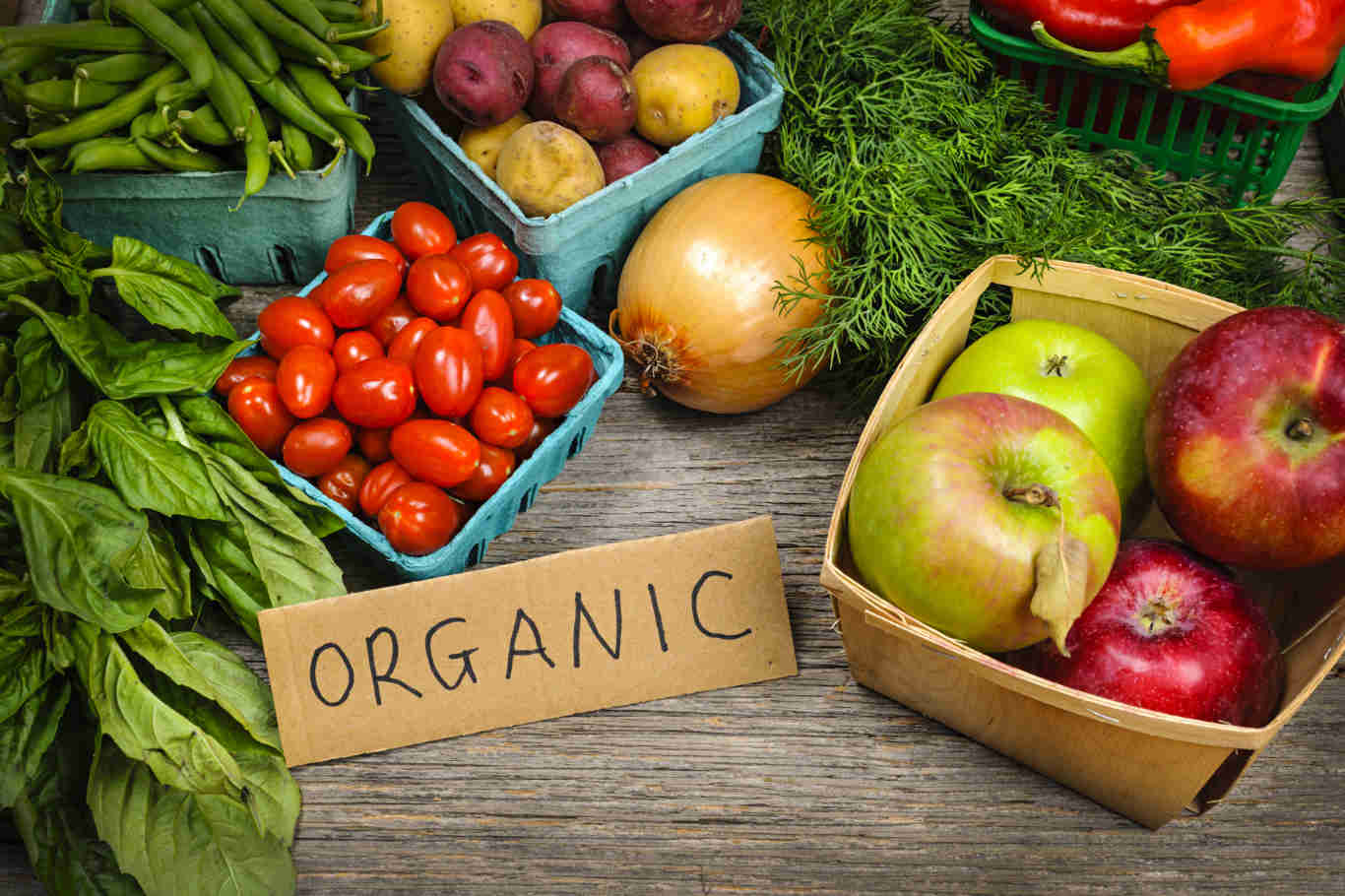
Let’s talk about another food trend that has taken 2019 by storm and is sure to be a presence in the years to come. Market experts first took notice of this trend back in 2017 when they recorded a 30 percent growth of organic grain farm acreage. The decision by a large number of major corporations to move towards organic options has had a massive impact on the farming industry, and not just for fruits and vegetables.
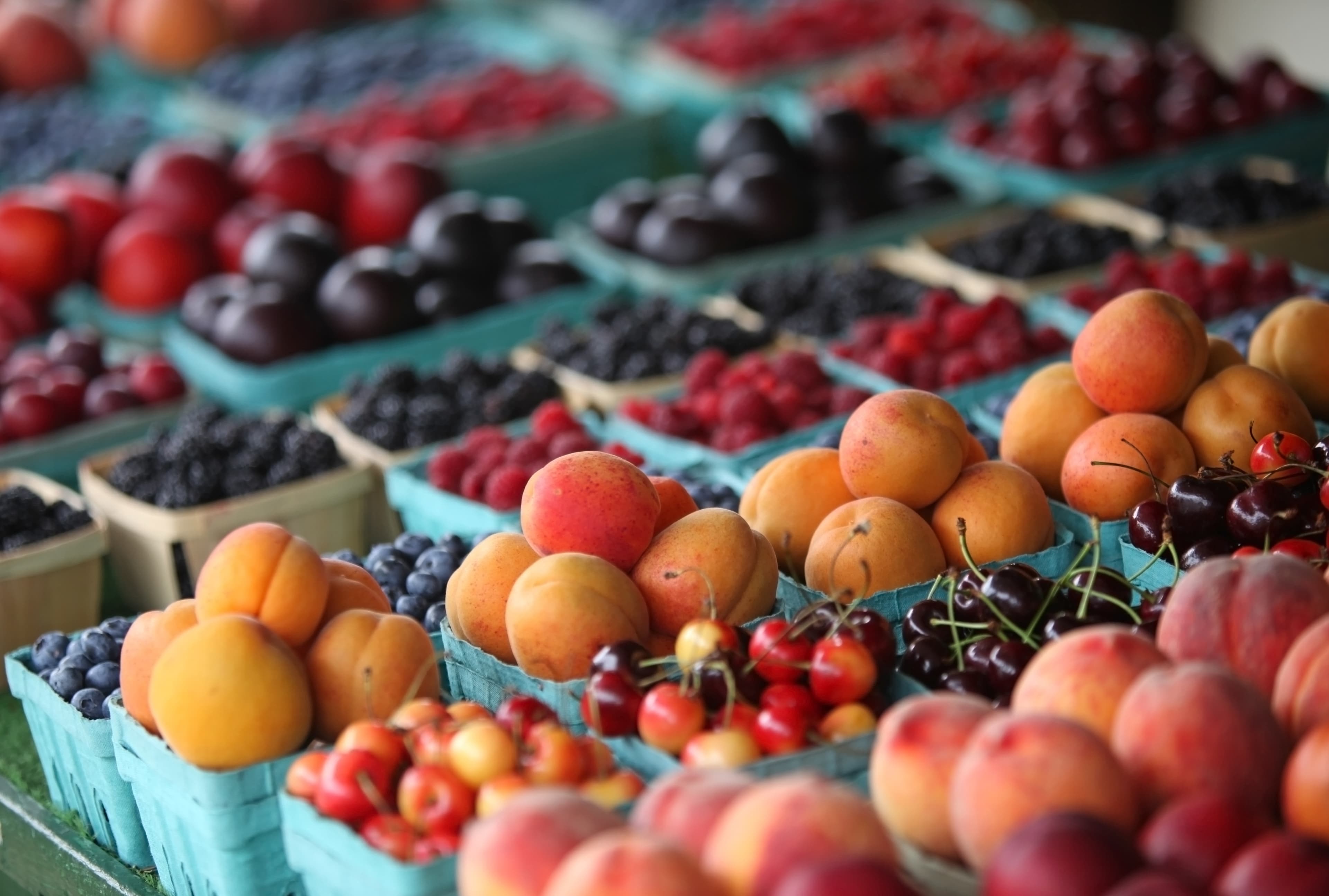
Why do customers gravitate towards certain products? With produce specifically, the issue is less about supply, and more about quality. Actually, if we can speak frankly, quality is really the most important factor that’s in play when customers shop for local produce. Obviously, we’re all privy to all the tricks from the old country. Grading a tomato in real-time based on firmness, shape, and color is still the best way to determine the quality of the product to some purists. However, the produc

There are infinite reasons to adhere to best practices when it comes to food traceability. The food we consume is essential for survival, and that goes beyond just nutrition. Food safety is as important as anything, if not more so. There are several layers involved with food safety. It’s not necessarily all about the response, or often the fallout caused by a foodborne illness of some sort. It can also mean defense against these illnesses taking form in the first place. The first line of defense

The road to a sweeter beverage solution is laden with the remains of failed, and ultimately unhealthy artificial options. With everyone trying to avoid sugar like the plague, the search for the perfect sugar substitute is a never-ending quest. The hope is that eventually our disdain for sugar and its caloric implications will create an evolutionary shift of our palates.
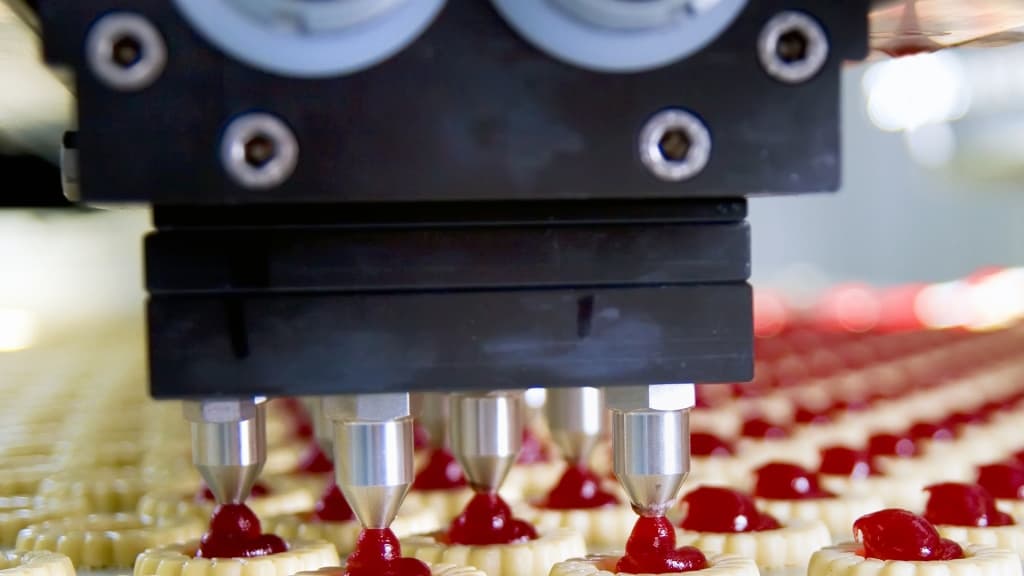
A new year means new trends in regard to the Food production and manufacturing industries. New means of production mean brand new, burgeoning markets that are now just in their infancies. In the interest of looking ahead toward the future, let’s review one of the most anticipated food trends for the year 2019, robotics in the food service and food production industry.