
Blog Topic
19 articles

Looking for a simple way to take your food and beverage business to the next level? You may consider investing in recipe management technology to help you grow and scale effectively. While it can take time and resources to fully implement, we consider this to be a worthwhile investment in your business. Ultimately, customers want to purchase what they can trust, and standardizing your food production and manufacturing process is a tremendous step forward to doing just that.
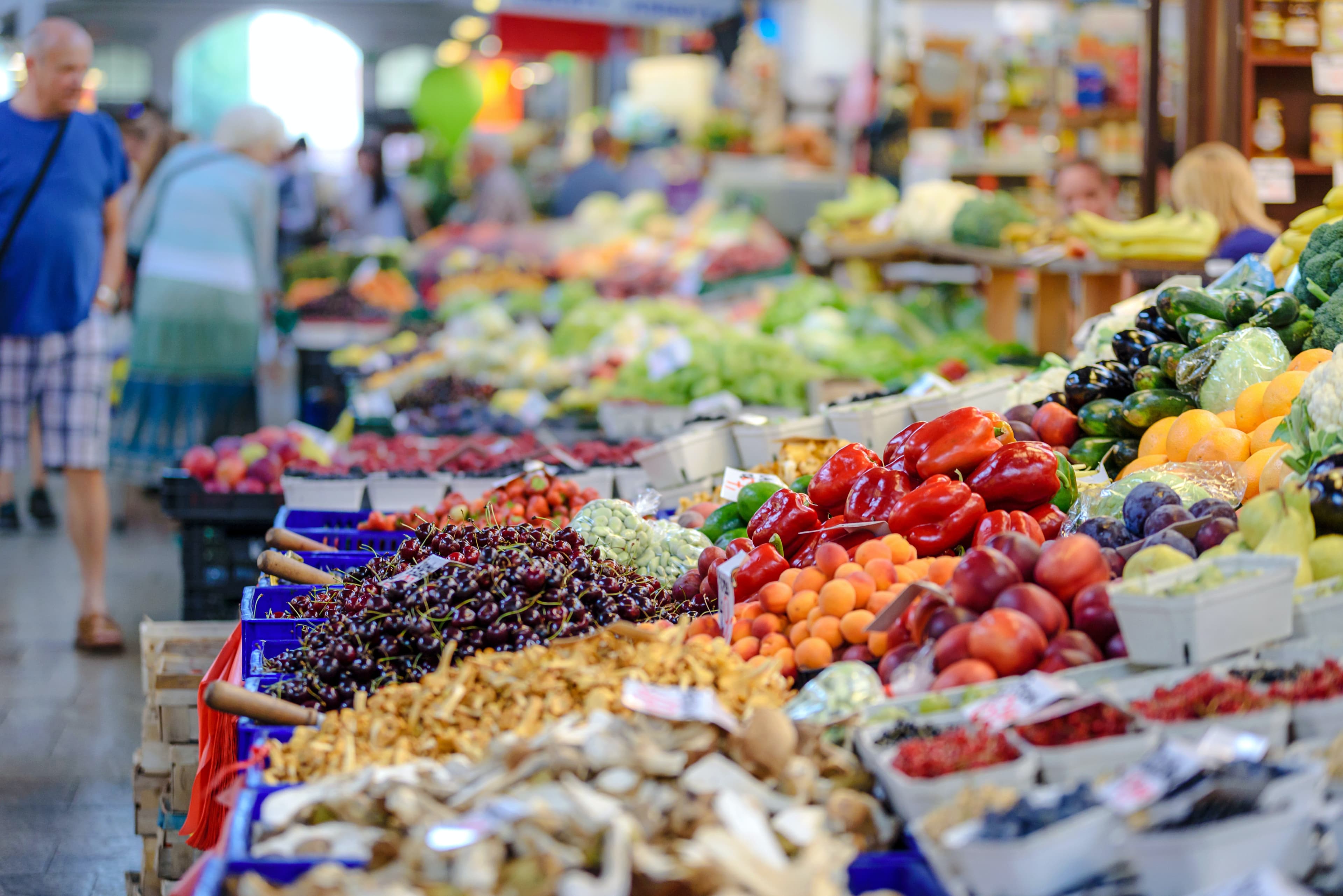
Growers: Are you looking for a tool that offers the potential to boost your revenue, streamline your process and enhance your efficiency? It may be time to abandon the fractional and manual systems of the past and embrace a more comprehensive approach through the use of produce software.
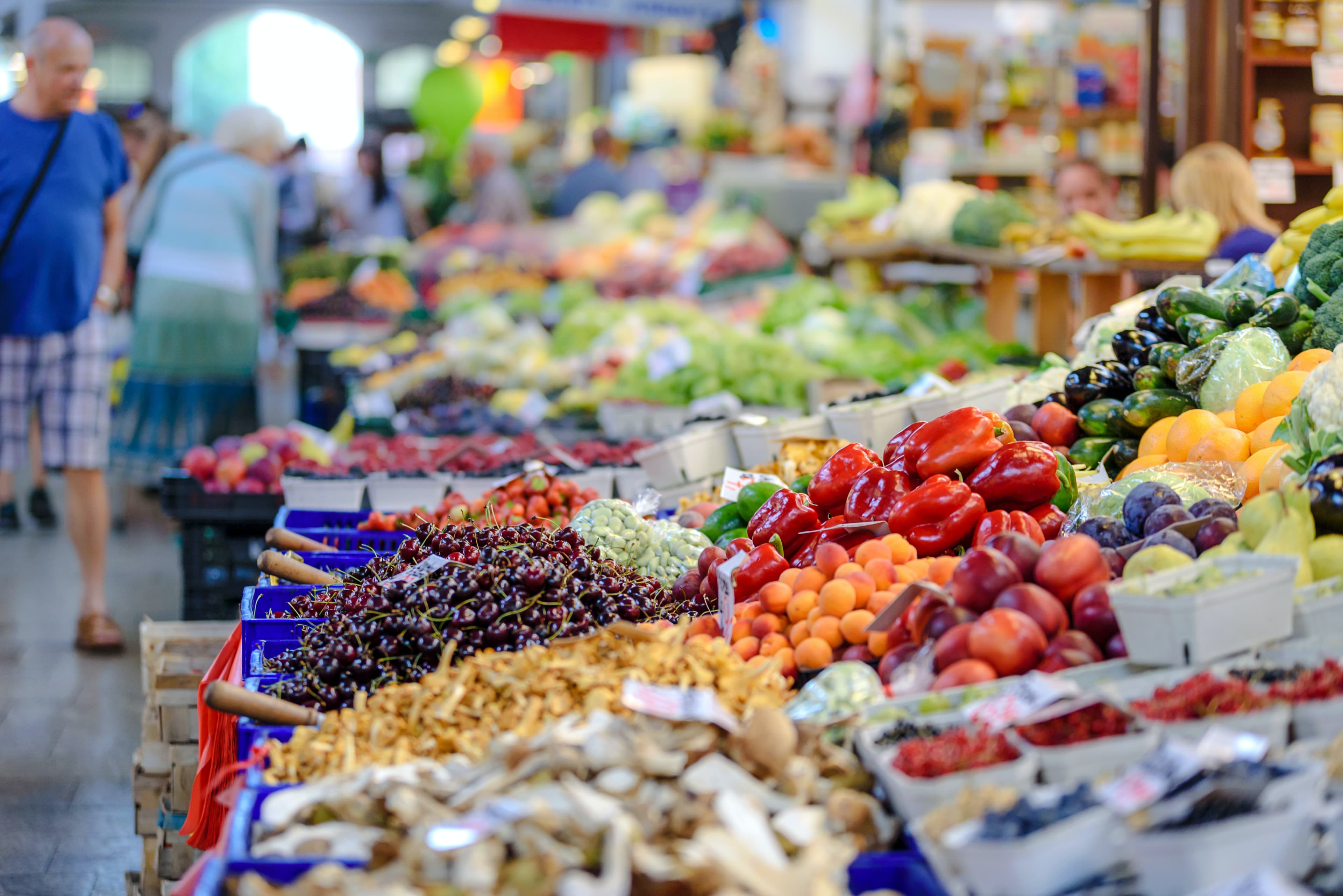
Produce software companies offer you near-endless options for managing your produce manufacturing business. However, not every solution is created equal. Your produce software business benefits most from a centralized, strategically crafted solution that is designed to meet the needs of both the producer and consumer, giving you a seamless experience for strategic management and growth.
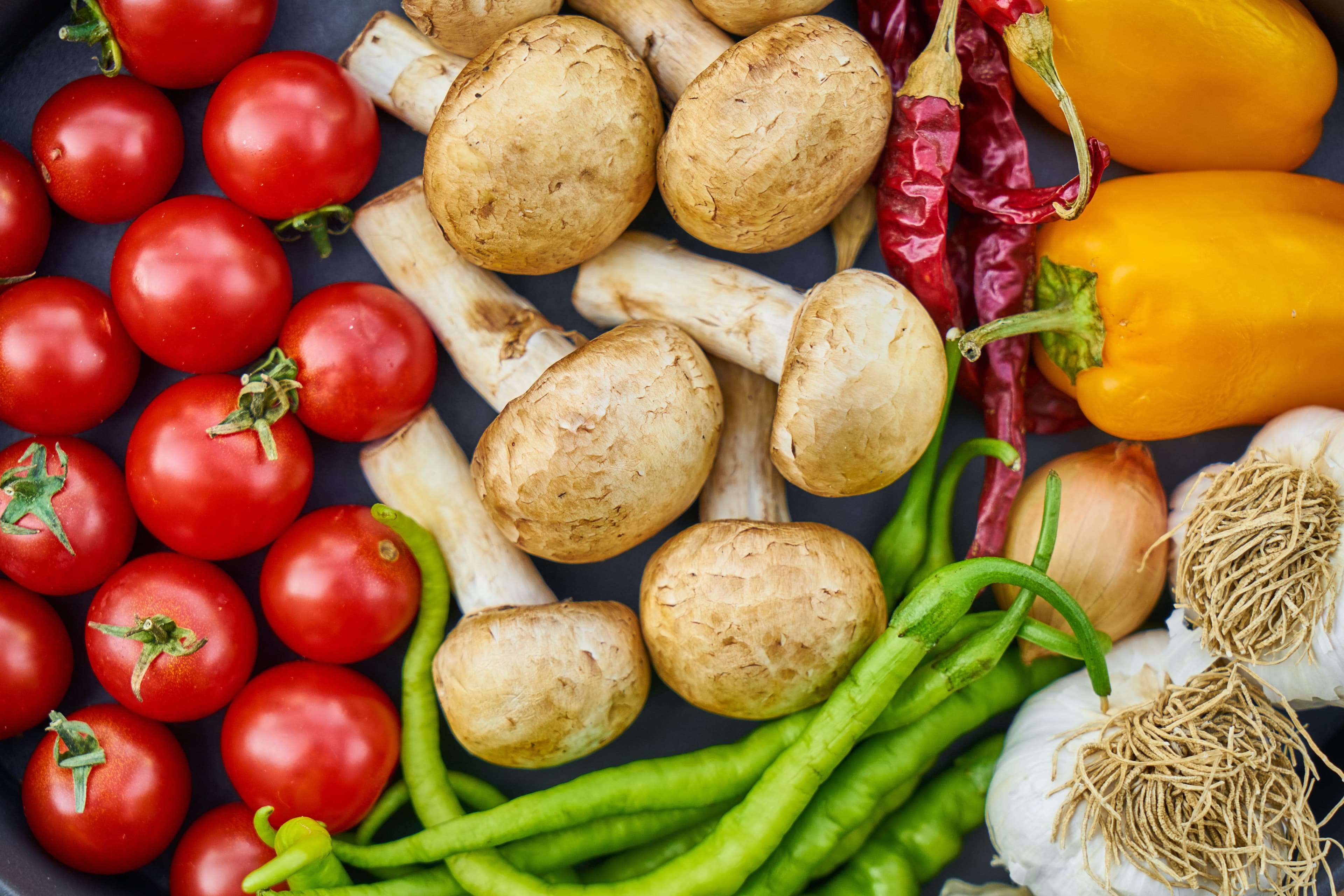
Vertical farming is becoming more popular, as it offers a more sustainable method of food production in environments that aren’t ideal for growing plants. Vertical farming helps to produce different plants using hydroponics and special soil in "grow rooms" where they are vertically stacked and can grow in controlled conditions indoors.
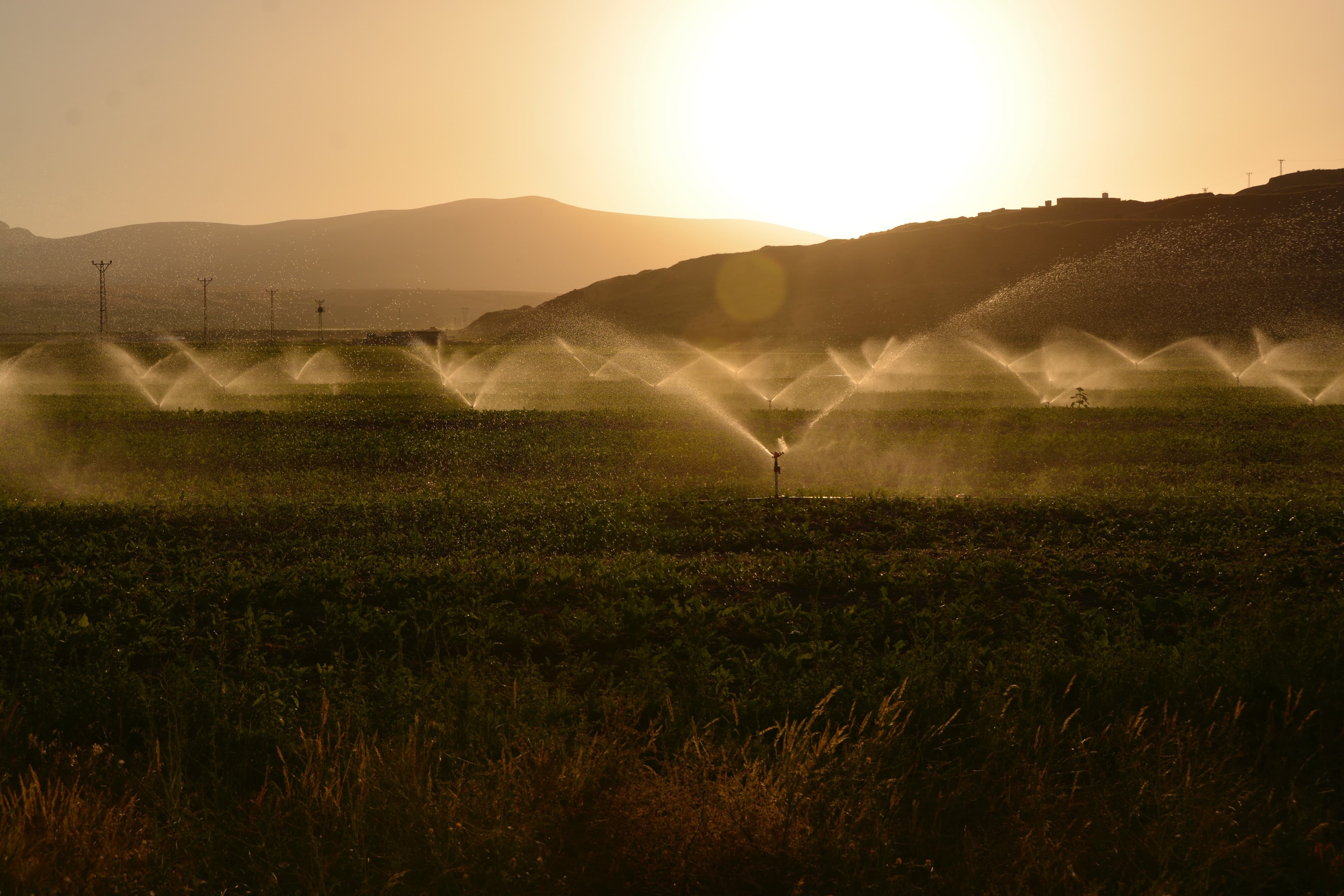
Sustainability is one of the most common trends that food and beverage manufacturers are seeing in 2022, and with the current drought conditions in the Southwestern states, the timing couldn’t have been better! However, with this renewed focus, many business owners are left with the task of simultaneously updating and innovating their current irrigation systems.
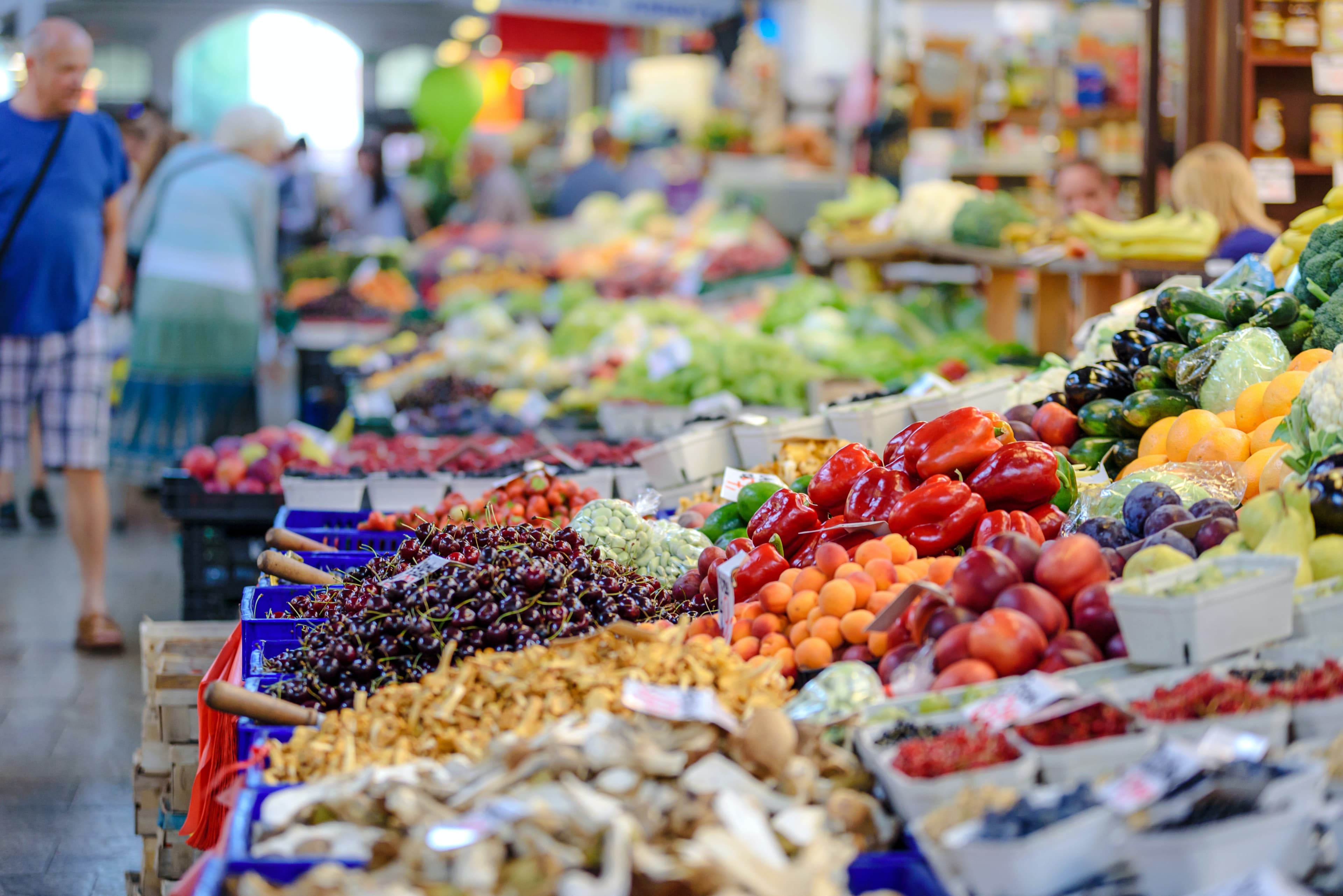
As a produce trader, you face many different challenges in the day-to-day operations of your business. Issues like thin margins, inaccurate reporting, and old business systems are headaches that almost all traders experience.

Food recalls are seeming to be more prevalent than ever as companies deal with difficult growing conditions and compromisation of food quality. Many producers and manufacturers are looking to preventative measures and transparency tools to help them to avoid falling victim to a large-scale recall. In this article, we explore different methods for preventing food recalls, and how cloud-based ERP software solutions are able to assist manufacturers in minimizing different risks throughout the food
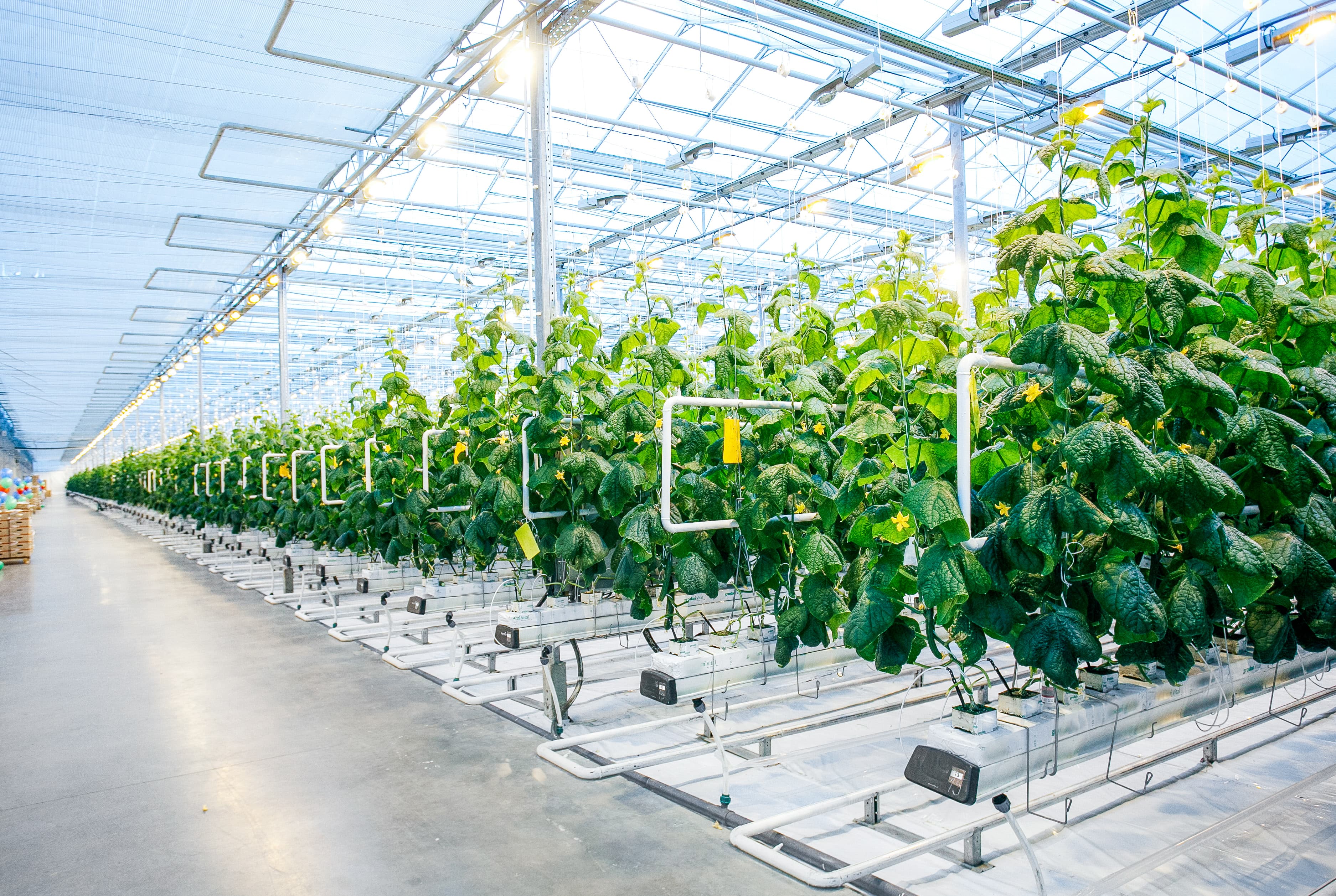
Field and Greenhouse Management:
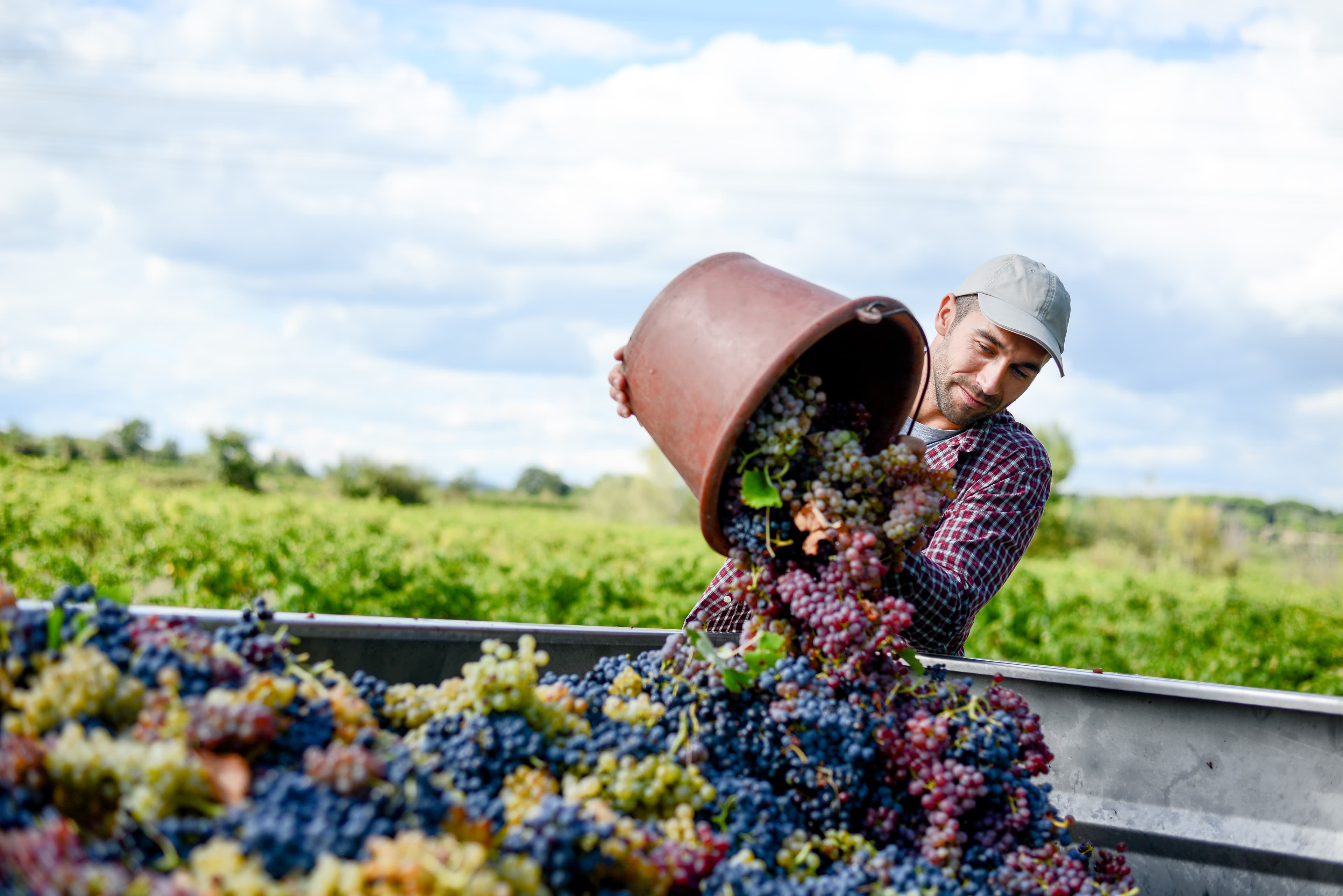
From the harmful effects of humidity in the rainy season to the decaying effects of high summer temperatures: all manufacturing, and processing businesses handling fresh produce need food ERP.
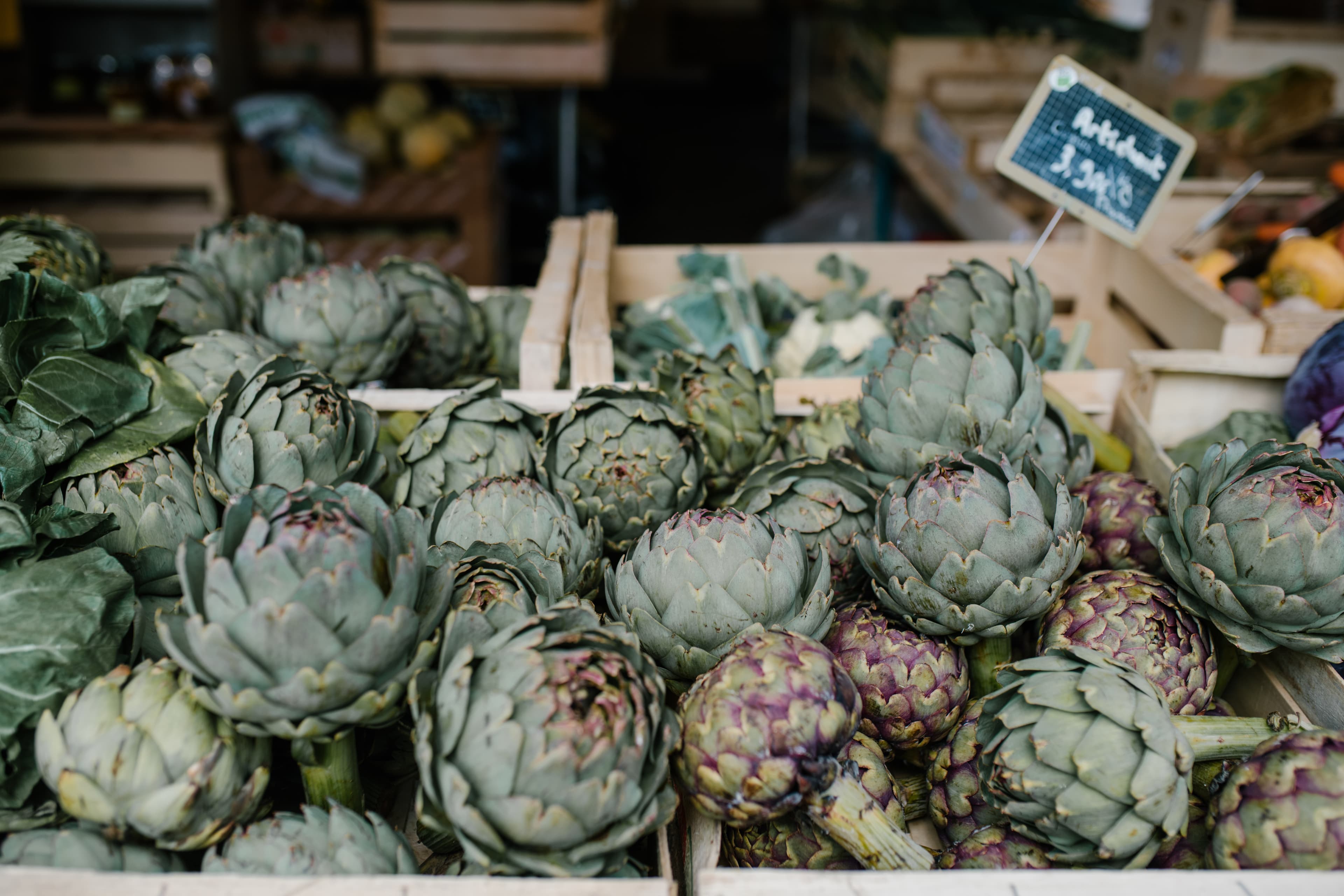
The “Spring” season also known as springtime which succeeds winter and precedes summer is one of the best times for cultivation as it provides us with favorable conditions such as:
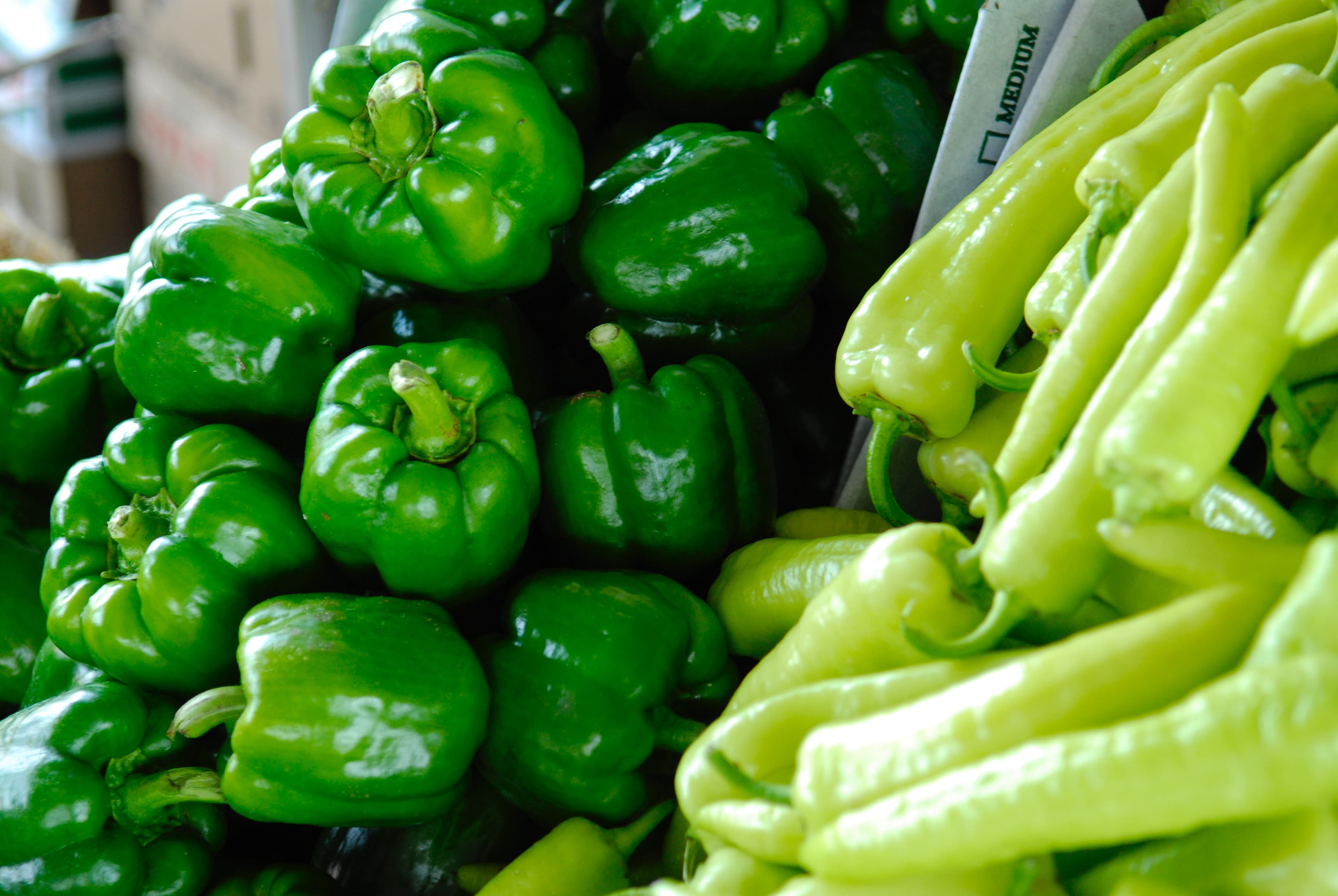
The coronavirus has made its way across the world, decimating the produce industry while making it harder for people to trust the food they consume. In order to make the food industry a bit safer and more trustworthy, certain regulations have been put into place in order to curb the spread of COVID-19 and create a safer environment for imported and exported food, food workers, and the general public.

The coronavirus pandemic caused a lot of disruptions in the food supply chains, especially the food manufacturers and produce manufacturers faced a lot of difficulties in gathering the required raw materials and enough labor. The food and produce suppliers were unable to meet the demands and the whole situation can be labeled as a crisis.