
Blog Topic
20 articles
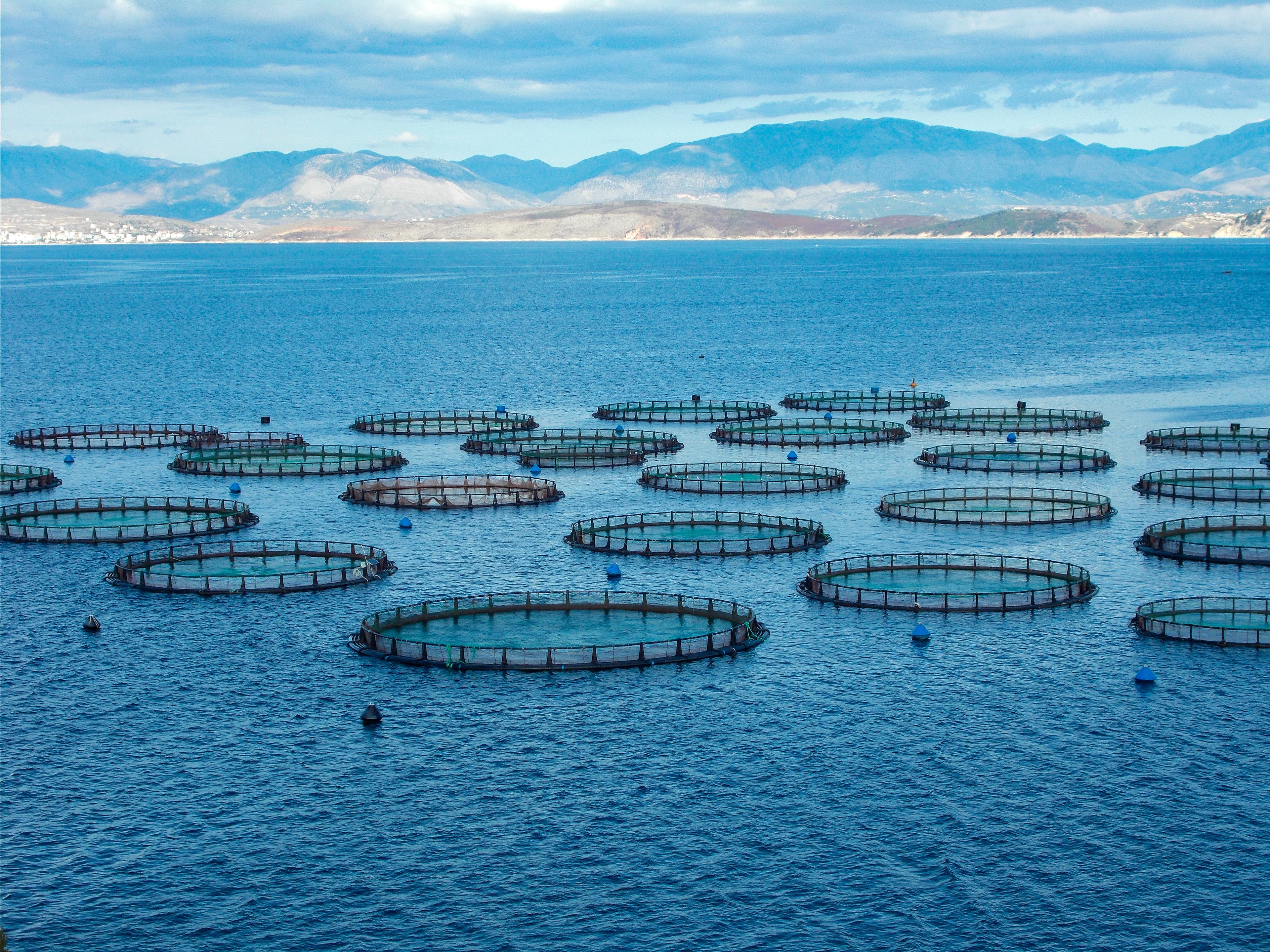
With the USA seafood market worth $102 billion, over 50% of all seafood producers across the country procure through aquaculture. So, what is aquaculture? Aquaculture, also known as aquafarming, is the breeding, cultivation, rearing, and harvesting of aquatic organisms such as fish, crustaceans, mollusks, algae, etc. in a controlled environment across a part or all stages of their lifecycle. It can be done in ponds, lakes, ocean coastal waters, and even land tanks. Broadly aquaculture can be cla
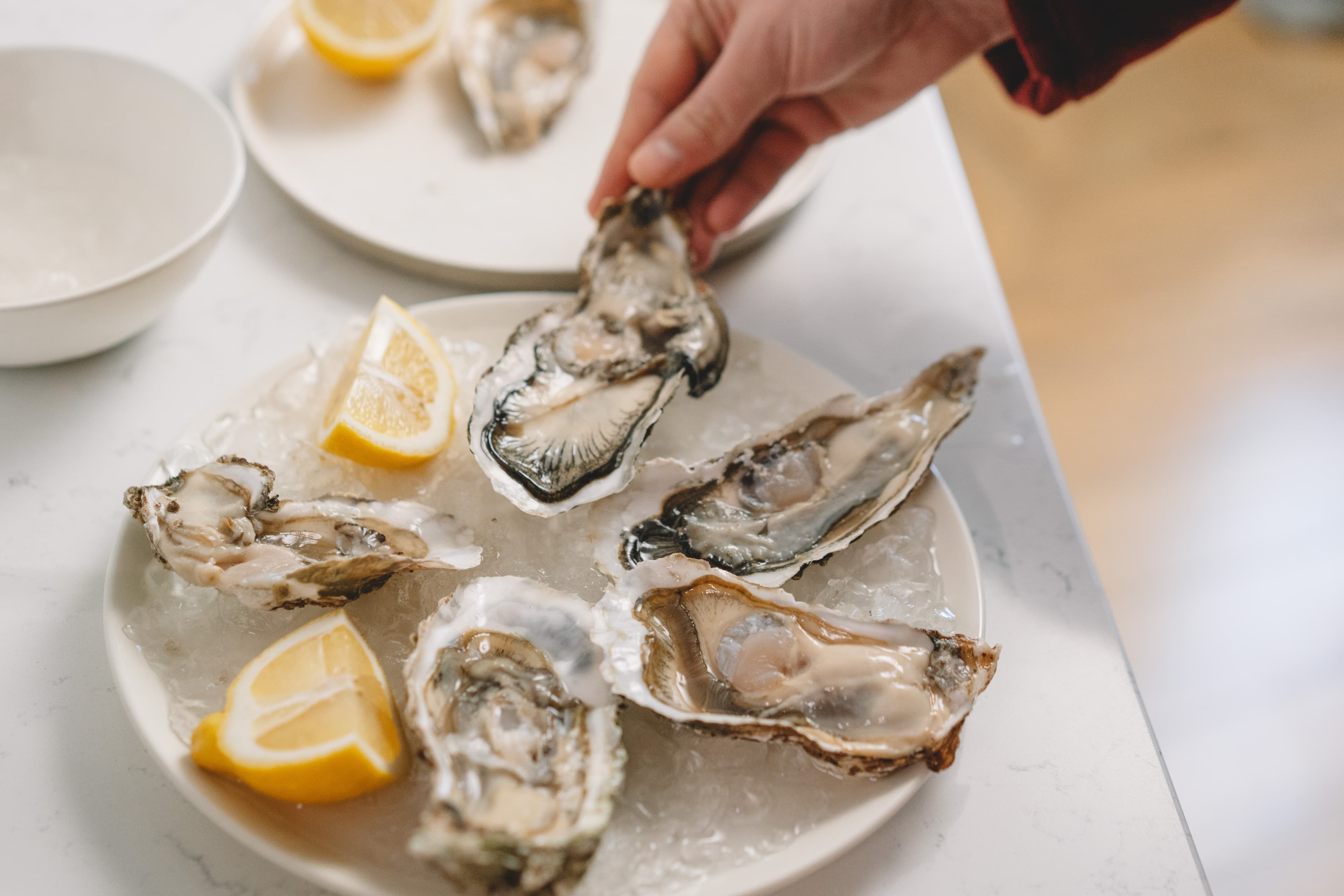
One of the hottest debates in the seafood industry around the world has been about seafood consumption during the summer season. Owing to factors such as freshness and quality control, not all seafood is sustainable to consume in the scorching heat.
One of the up-and-coming trends in the world of operational efficiency is Lot management via seafood ERP. In Layman's language, lot management is a system that enables inventory management before, during and after storage. A lot here refers to a batch of inventory received, stored and shipped from a warehouse to a designated location with specific dates and times.
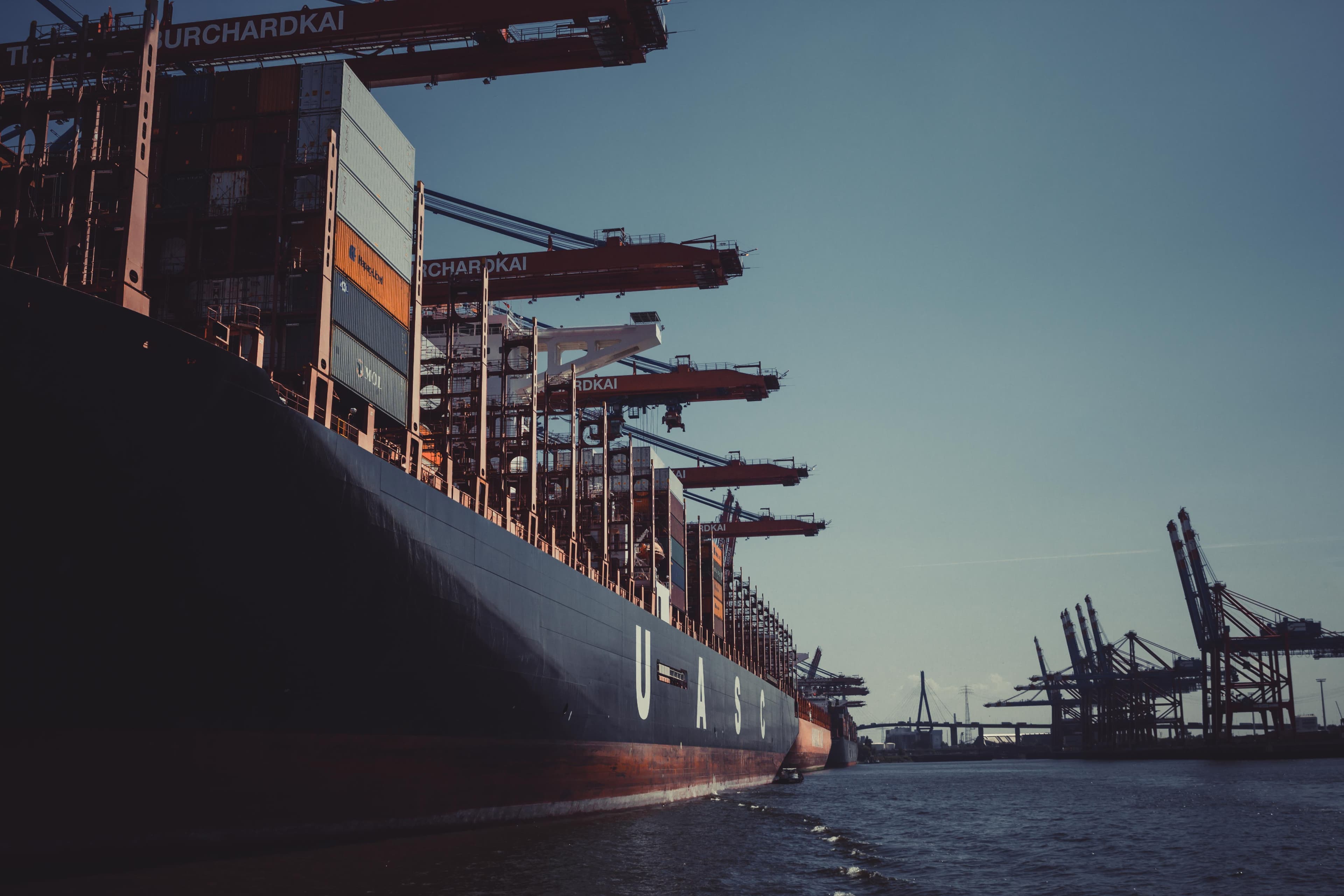
One of the up-and-coming trends in the world of Food ERP is vessel management. In Lehman’s language, vessel management is a ship or a vessel purchased for the purpose of importing and exporting commodities hence its management becomes a necessity. A food ERP provider with vessel management capabilities takes up numerous functions such as maritime traffic supervision, registration of vessels, permits for entering and leaving the port, and various others.
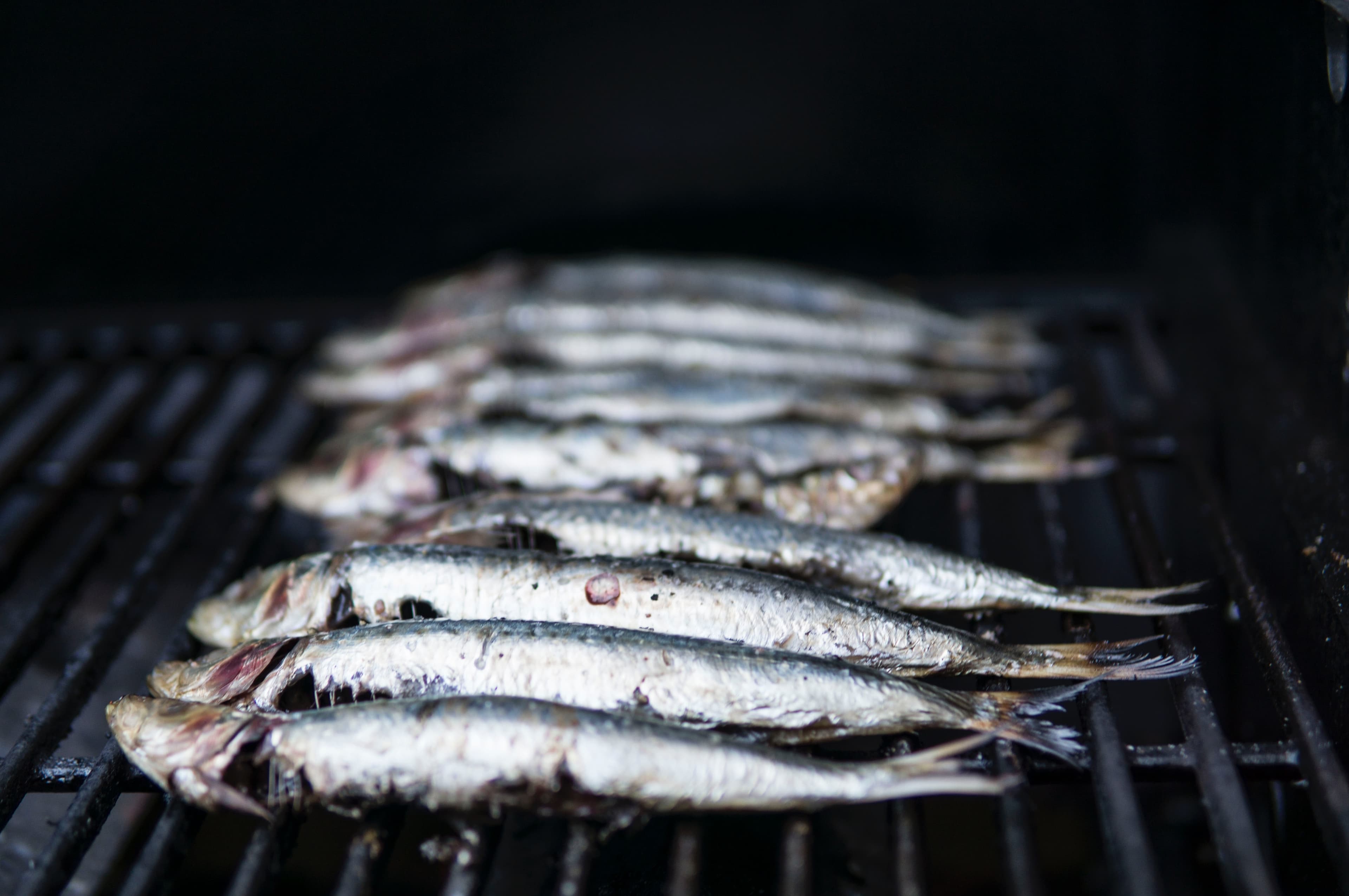
With ERP being the new golden goose for industries worldwide, the seafood industry too has incorporated this asset. In hindsight, ERP for seafood has raised efficiency standards up a notch and made the supply chain lean and accountable to its core.
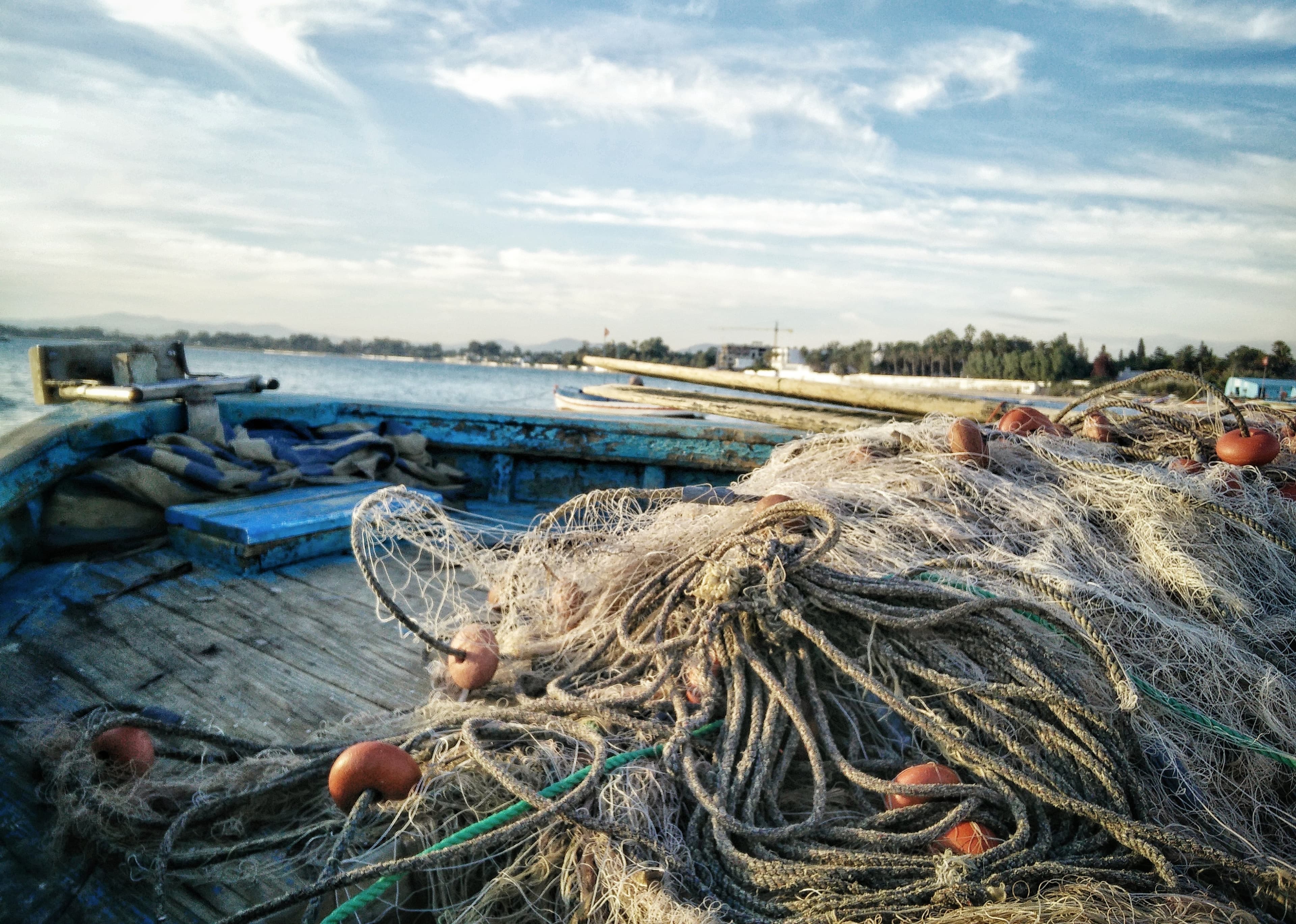
One of the upcoming trends in the world of food ERP is the phenomenon of Catchweight. Catchweight in Lehman’s language is defined as “approximate weight” used by food manufacturers and distributors to manage products where an individual item’s actual weight varies from the standard (quoted) weight.
INECTA recently sat down with one of its senior ERP consultants, Ruth Lestina, to discuss what customers seem to really appreciate about INECTA's ERP offerings. Ruth Lestina is a highly knowledgeable consultant who has been working with INECTA’s customers for quite some time, and she knows exactly what makes them tick. Her expertise gives her invaluable insight into what businesses are sorely lacking in their current form of enterprise resource planning, and what they desperately need in order t

NEW YORK, NY – August 3, 2020 –Today, INECTA posted its Seafood Trader-specific solution to Microsoft AppSource, making it fully accessible in App format through Microsoft’s App marketplace. This is the first of many INECTA verticals to be featured through AppSource with multiple food and life science-specific solutions to follow in the near future. INECTA is thrilled to make its services available to Seafood Traders via AppSource where they can leverage the solution's many invaluable features d
We recently took some time out to have an intimate conversation with one of our valued Seafood customers, Sea Delight, to discuss their experience with INECTA ERP. Sea Delight, LLC was founded in 2006 by Eugenio and Margarita Sanchez, the owners of ADS Seafood, LLC dba Atlantic Fisheries, with the goal of targeting the market with top-quality fresh and frozen seafood products. Through their unyielding commitment to providing superior products, unmatched customer service, and unwavering principle
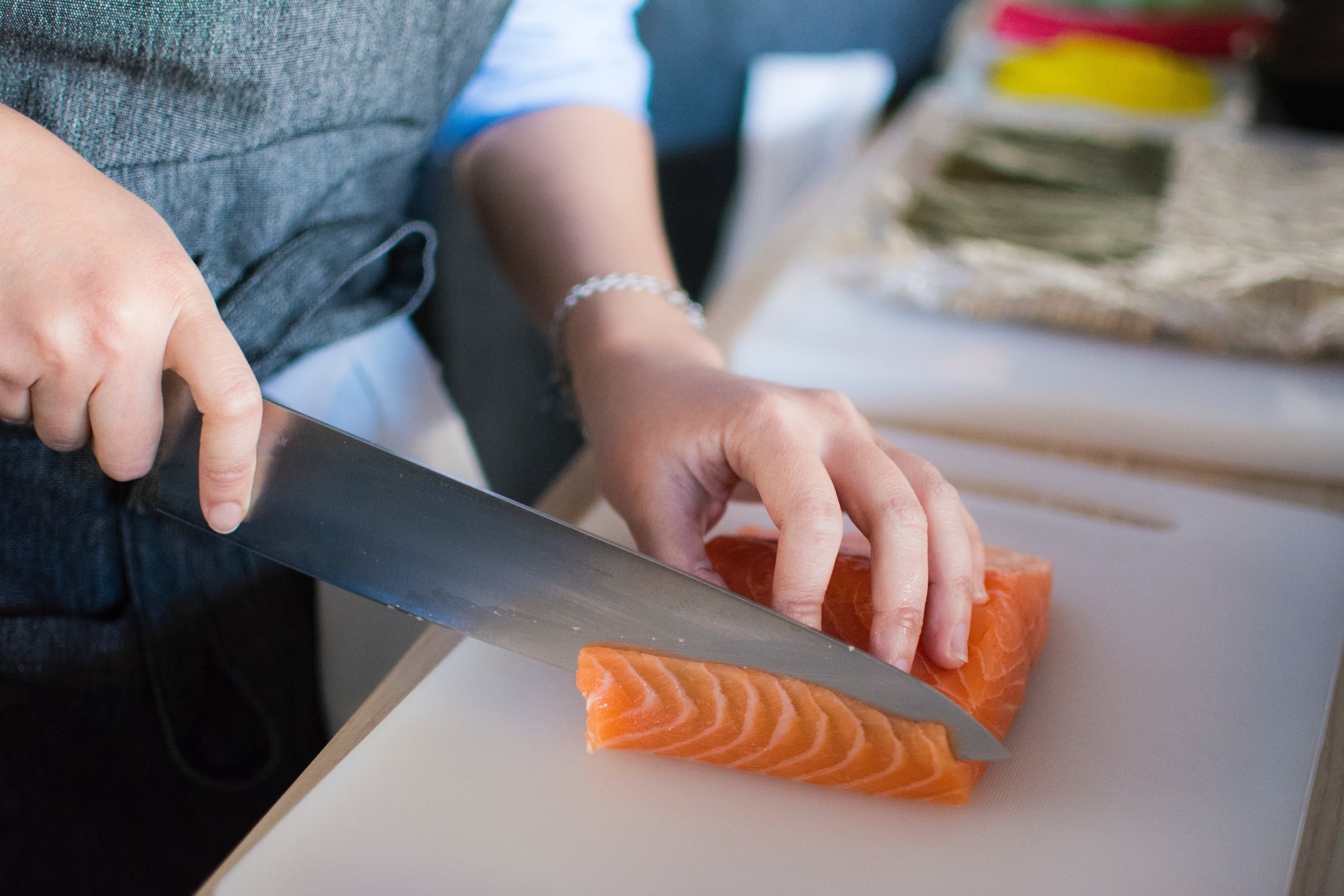
China has begun to halt shipments of salmon from Europe after it was alleged that the industry was linked to a new COVID-19 outbreak in Beijing. Shipments were immediately halted once the virus was discovered on fish chopping boards in Beijing’s Xinfadi market, which is considered the central location of newly reported COVID-19 infections.

Illegal, unreported and unregulated (IUU) fishing has, along with the current pandemic, are doubling down on the hardships being faced by fishermen in this day and age. While the strict food regulations laid down in the wake of COVID-19 are certainly a point of frustration, they can be deemed necessary for the meanwhile.
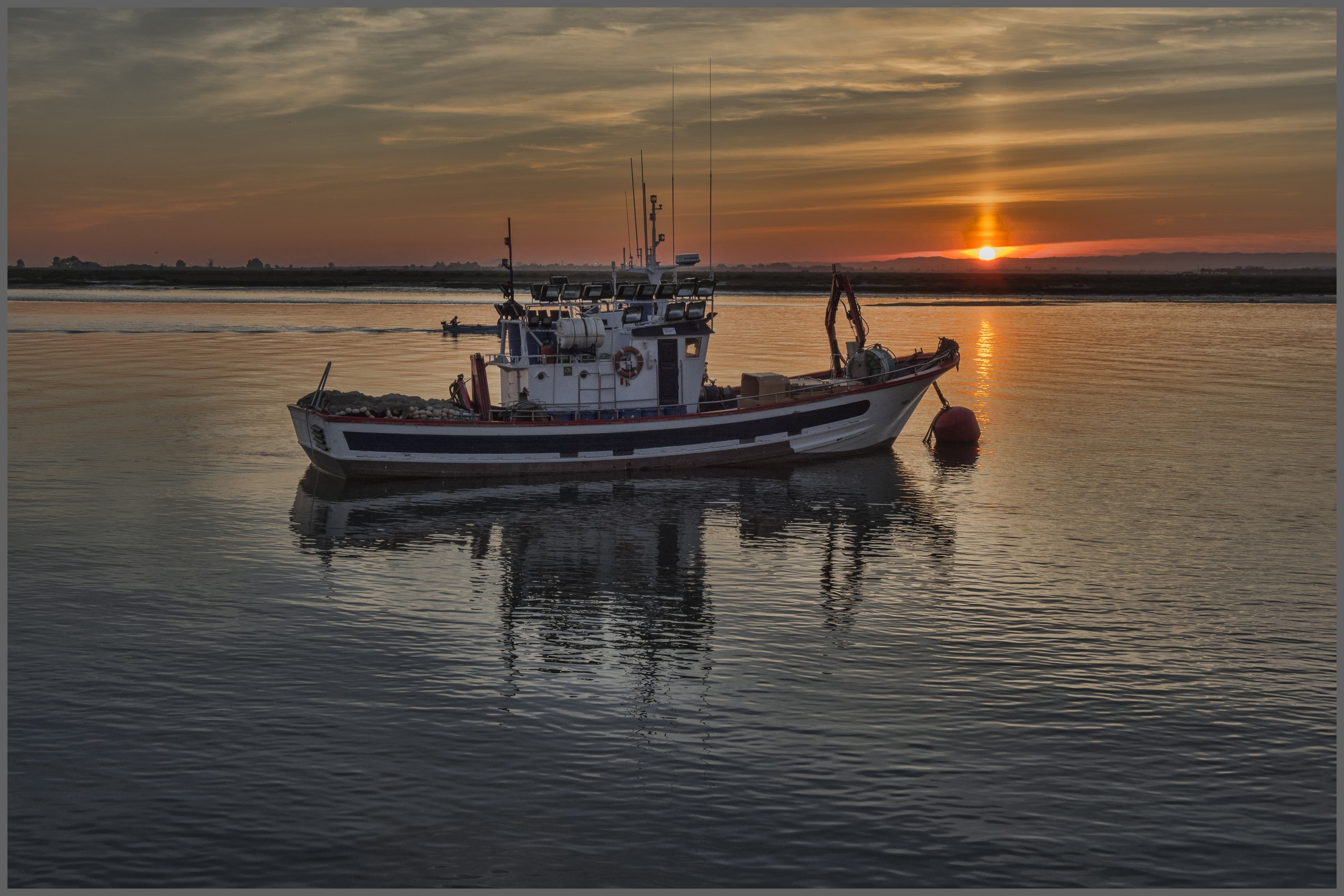
As we’ve already seen in the meat industry within the United States, the seafood industry is now also wary of the possibility of a COVID-19 outbreak specifically in the Pacific Northwest region. In response, seafood traders, processors, and catchers in the Pacific Northwest have drafted rigorous plans to ward off the similar spreading of COVID-19. This task is a lot easier said than done when you consider the closeness in proximity processors work within their workstations. As the summer season