
Blog Topic
20 articles
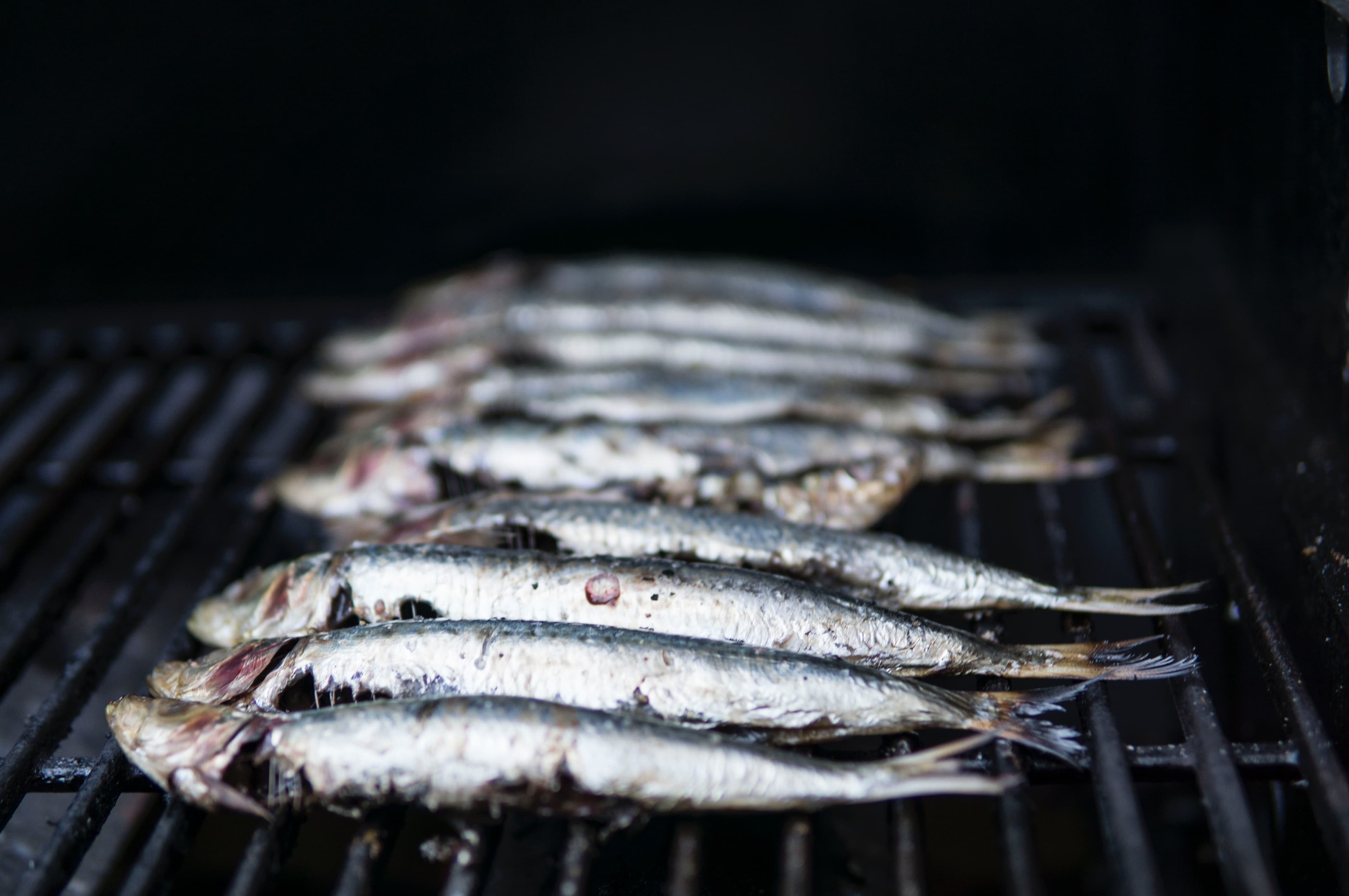
Many food industries have experienced the sting of the pandemic, with COVID-19 rendering the restaurant and hotel business unable to serve. Different types of food providers met with multiple issues and the seafood industry is no different. While having the ability to garner seafood from almost anywhere in the world has been a revelation to restaurants and food producers, the current climate has shown how important it is to have and support local seafood suppliers as well.
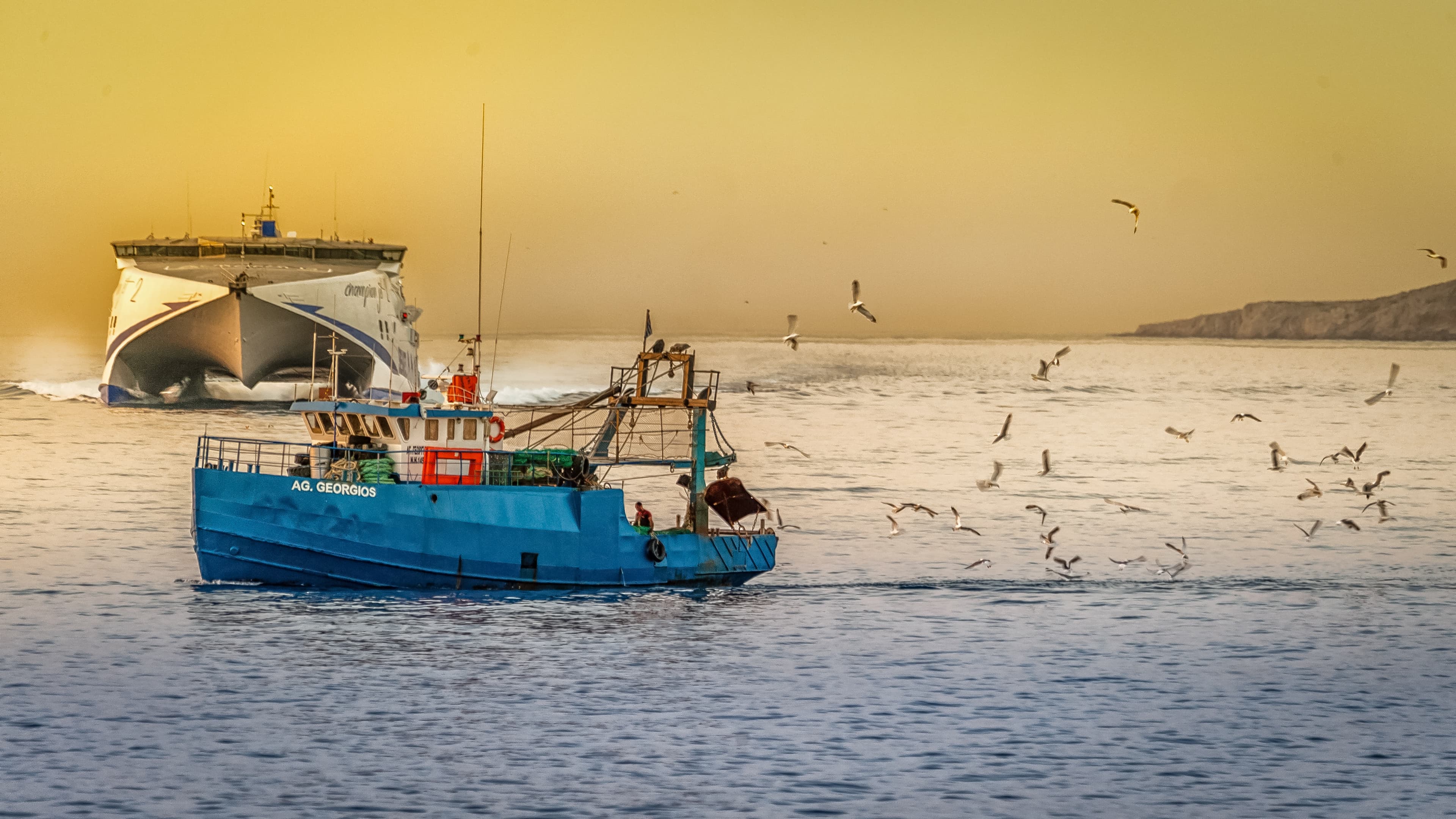
The world is facing a coronavirus crisis and like every industry, it is also affecting the seafood industry. China has seven of the world’s ten busiest ports and eighty percent of the world’s trade by volume is carried out by the sea. Due to the spread of coronavirus, these ports came to a halt. Ships can’t get into the ports, the ones that are already there are stuck at the docks and if the ship came from a Chinese port, they are in floating quarantine zones until the crew is cleared of the vir
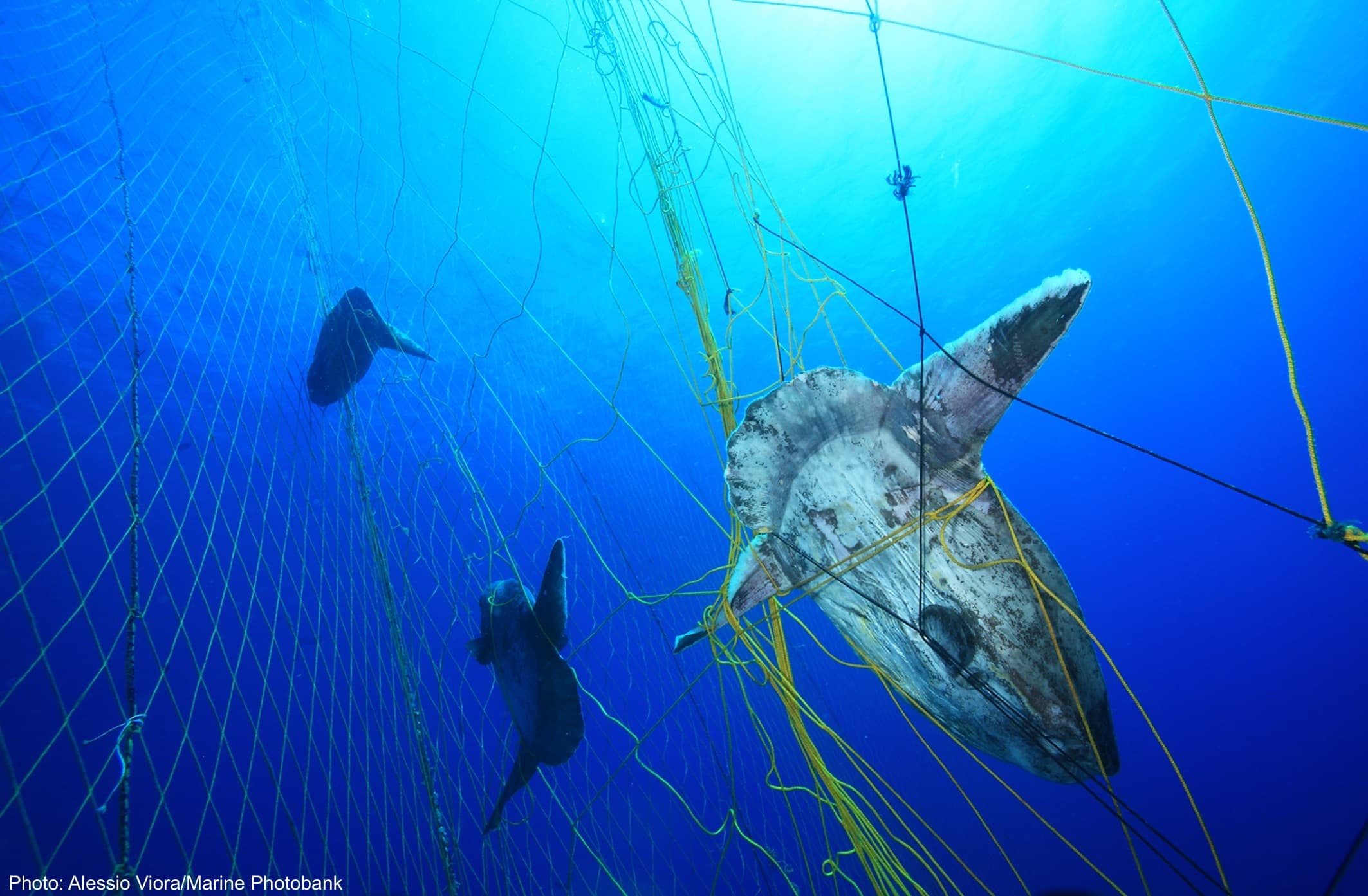
We at iNECTA work with various seafood catchers, traders and processors, so we thought it might be a good idea to discuss something that affects that industry a great deal. Bycatch might be something you can take an educated guess about regarding its definition. Bycatch is an unfortunate circumstance that plagues the seafood industry, and it is a phenomenon that is constantly trying to be remedied within the community. Bycatch, in plain terms, is the incidental capture and death of non-target ma
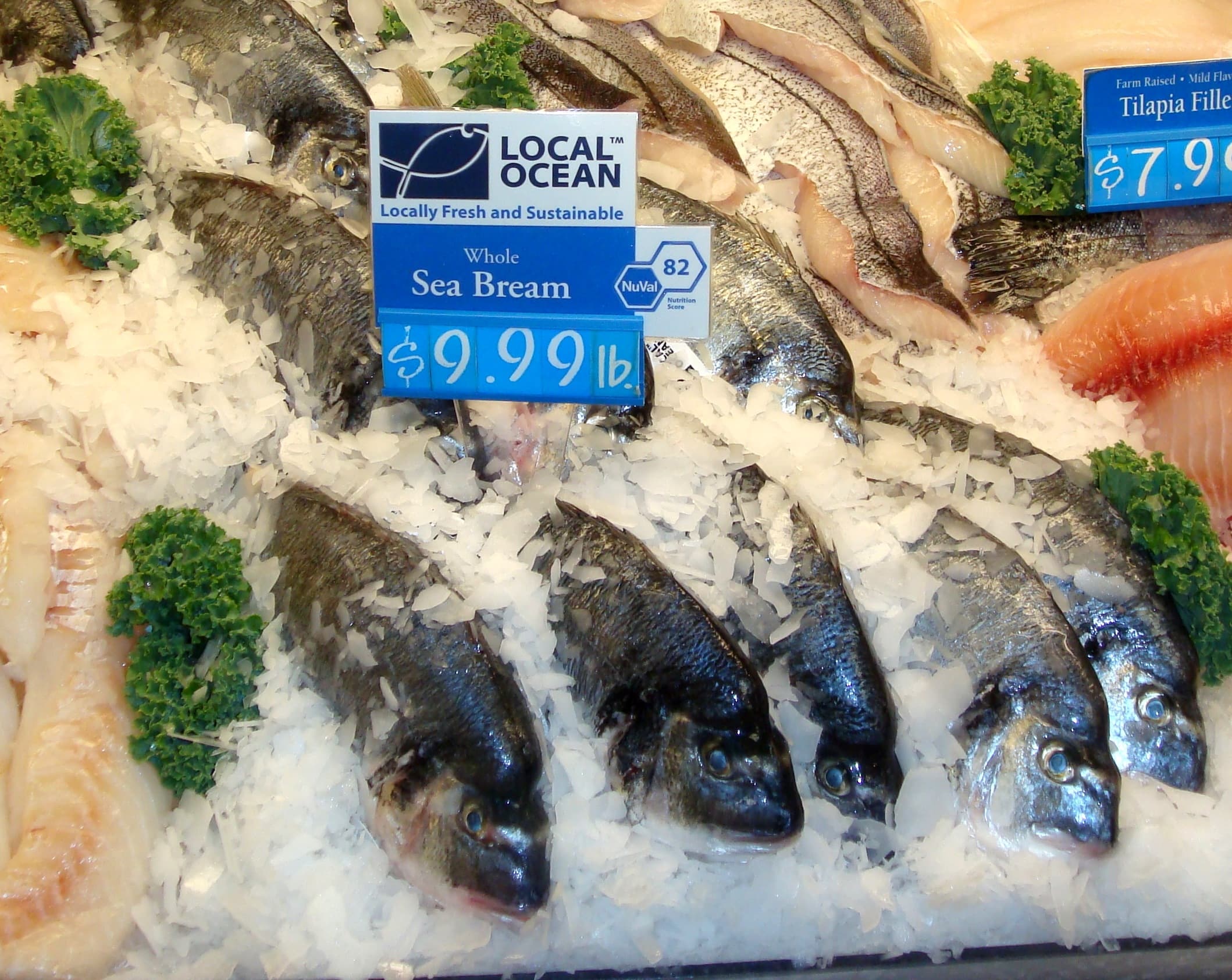
The question of whether or not you should buy local or imported seafood is one that has achieved rapid prevalence in recent years as the trend towards sustainable seafood has progressed significantly. Typically, there is a significant incentive to buying locally sourced food. But does that necessarily pertain to seafood as well? It certainly does for produce.
The Marine Stewardship Council or “MSC” label is a symbol of sustainability, wherein all brands that earn the label are committed to the betterment of our ocean’s populations. The label is only granted to those companies whom work actively towards the sustainability of our earth’s oceans.
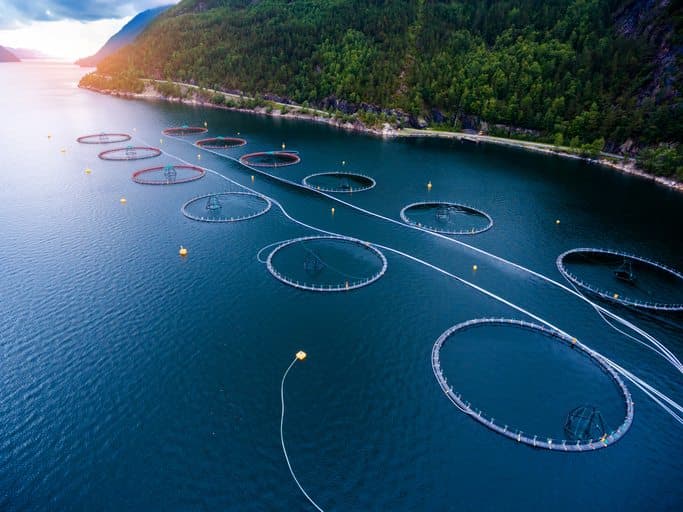
Aquaculture is best described as the cultivation of aquatic animals or organisms for the purpose of controlling conditions as a means for production. The production process varies based on the species that is being farmed. Often, the organisms are comprised of fish, plants and shellfish. Aquaculture is utilized for a myriad of reasons, all serving a specific purpose-mainly consumption.
iNECTA is proud to announce that we have successfully integrated Microsoft Dynamics to Trace Register. Trace Register provides a database to track the complete supply chain of seafood from the vessel to the plate. As the seafood travels through the supply chain, it is very important that the business software report the status and the location of the product as it passes through.