
Insights and guides for food industry professionals, from ERP implementation to supply chain optimization.
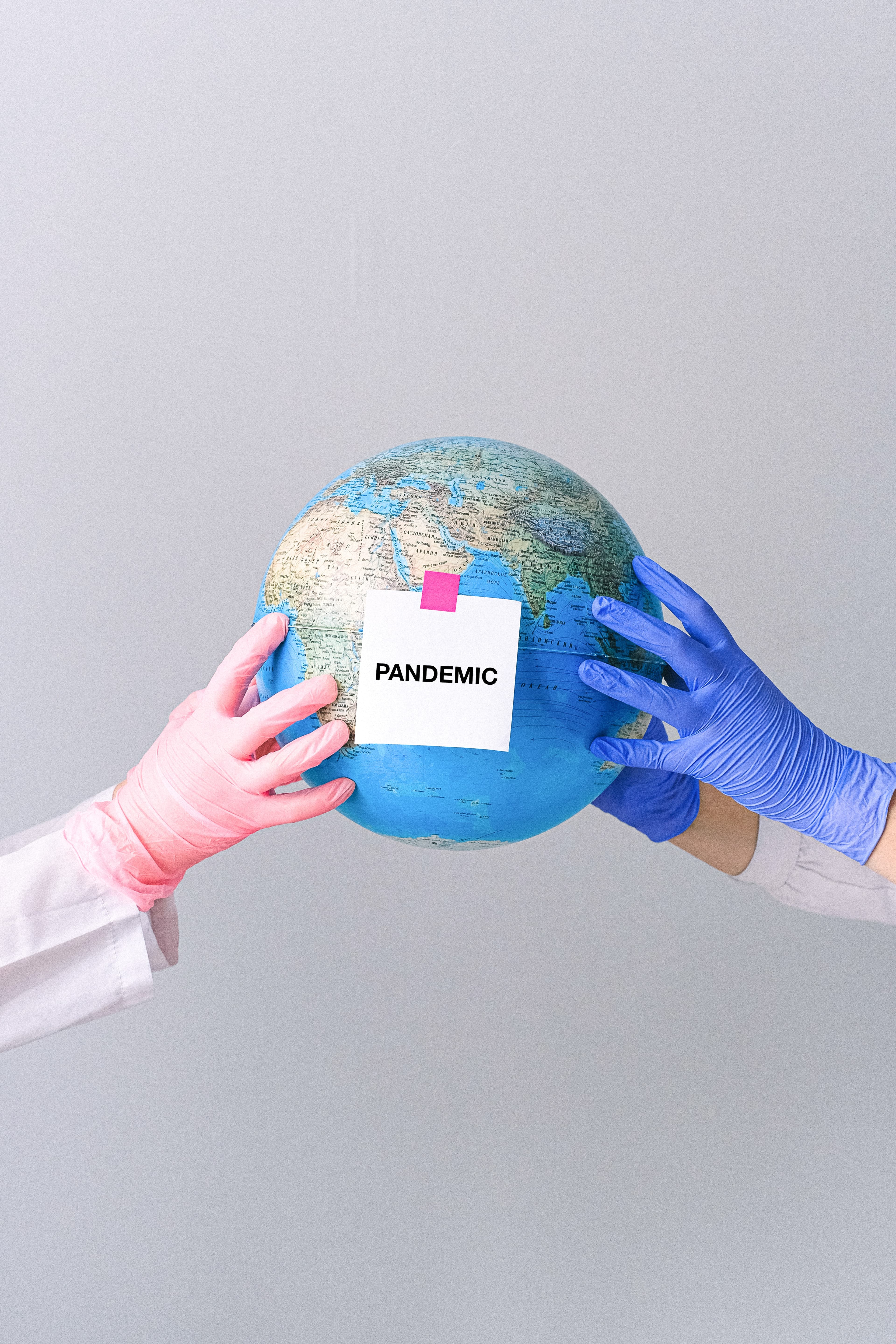
The COVID-19 pandemic has severely impacted the food production industry here and abroad. Whether through social distancing observation or lack thereof, COVID-19 has become an unavoidable obstacle, causing food production to stagnate and the restaurant and hotel industry to suffer. The meat industry alone has seen many factories close down all over the world, including Germany, the Netherlands, and the United Kingdom. According to data from project Unearthed, over 37 virus outbreaks have been re
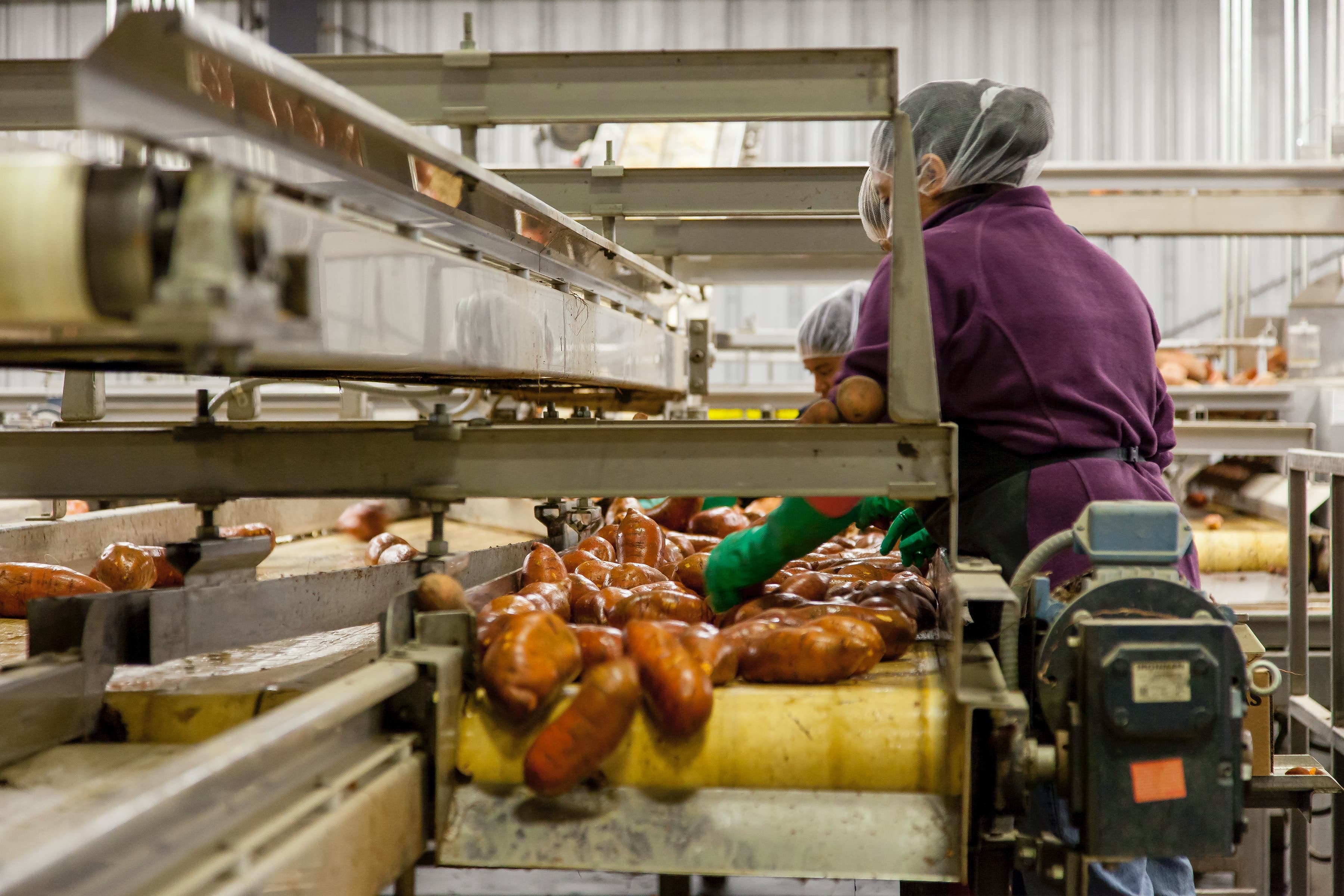
The coronavirus is claiming a massive number of lives in the US, a total of more than what was observed in post-WWII, mass shootings, and terrorist attacks. President Trump continues reiterating multiple times that the US must reopen irrespective of the availability of a vaccine. However, there are millions of essential workers in all states who have been at work during this time, risking their lives to provide us with the comforts of life. Not the least of which is the food manufacturers and fo

In the wake of the current pandemic, the pet food industry doesn’t seem to be experiencing the same setbacks as other food related services and providers. While the initial uptick in the purchase of pet food has tapered off as the months of quarantine have lingered on, pet food companies are still looking to keep up with the increased demand.
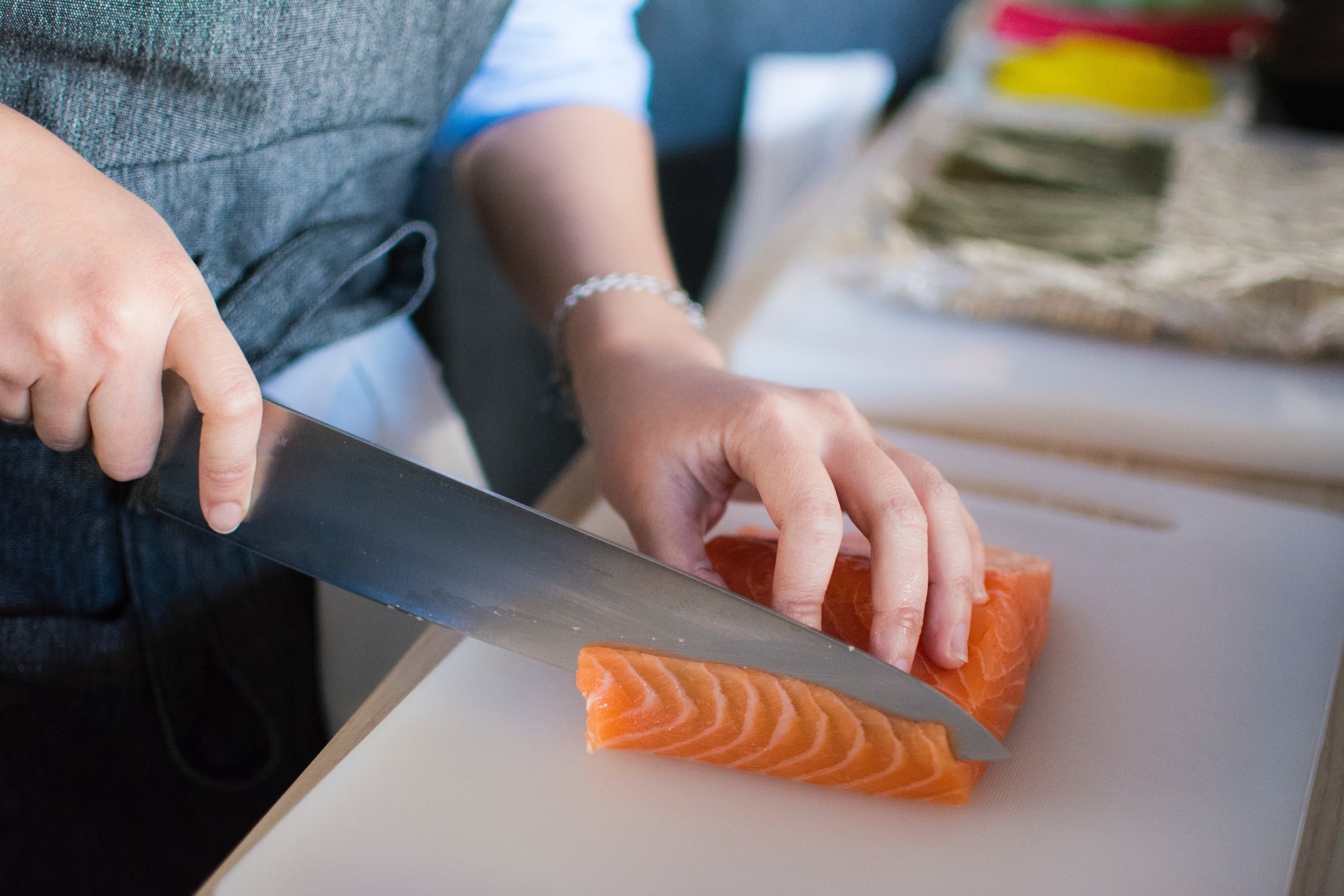
China has begun to halt shipments of salmon from Europe after it was alleged that the industry was linked to a new COVID-19 outbreak in Beijing. Shipments were immediately halted once the virus was discovered on fish chopping boards in Beijing’s Xinfadi market, which is considered the central location of newly reported COVID-19 infections.

The coronavirus pandemic caused a lot of disruptions in the food supply chains, especially the food manufacturers and produce manufacturers faced a lot of difficulties in gathering the required raw materials and enough labor. The food and produce suppliers were unable to meet the demands and the whole situation can be labeled as a crisis.

The pandemic of coronavirus affected practically every industry of the world in one way or another. Lack of workers due to safety reasons, stressed out supply chains, and shortage of raw materials are few of them. Being the critical and essential industry, the food industry had to adapt to the changes and new guidelines. The incorporation of social distancing and contactless delivery masks and gloves were made compulsory.
The food industry is one of the biggest industries in the United Kingdom, contributing over 43.7 billion pounds to the country's economy. More than 450,000 employees are working in this sector and this industry is facing a looming crisis currently. Alongside the economic pressure due to the application of Wage regulation, they are expected to lose a lot of factory staff because of the ongoing situation with BREXIT. The majority of the staff and workers working in the food industry are from the E
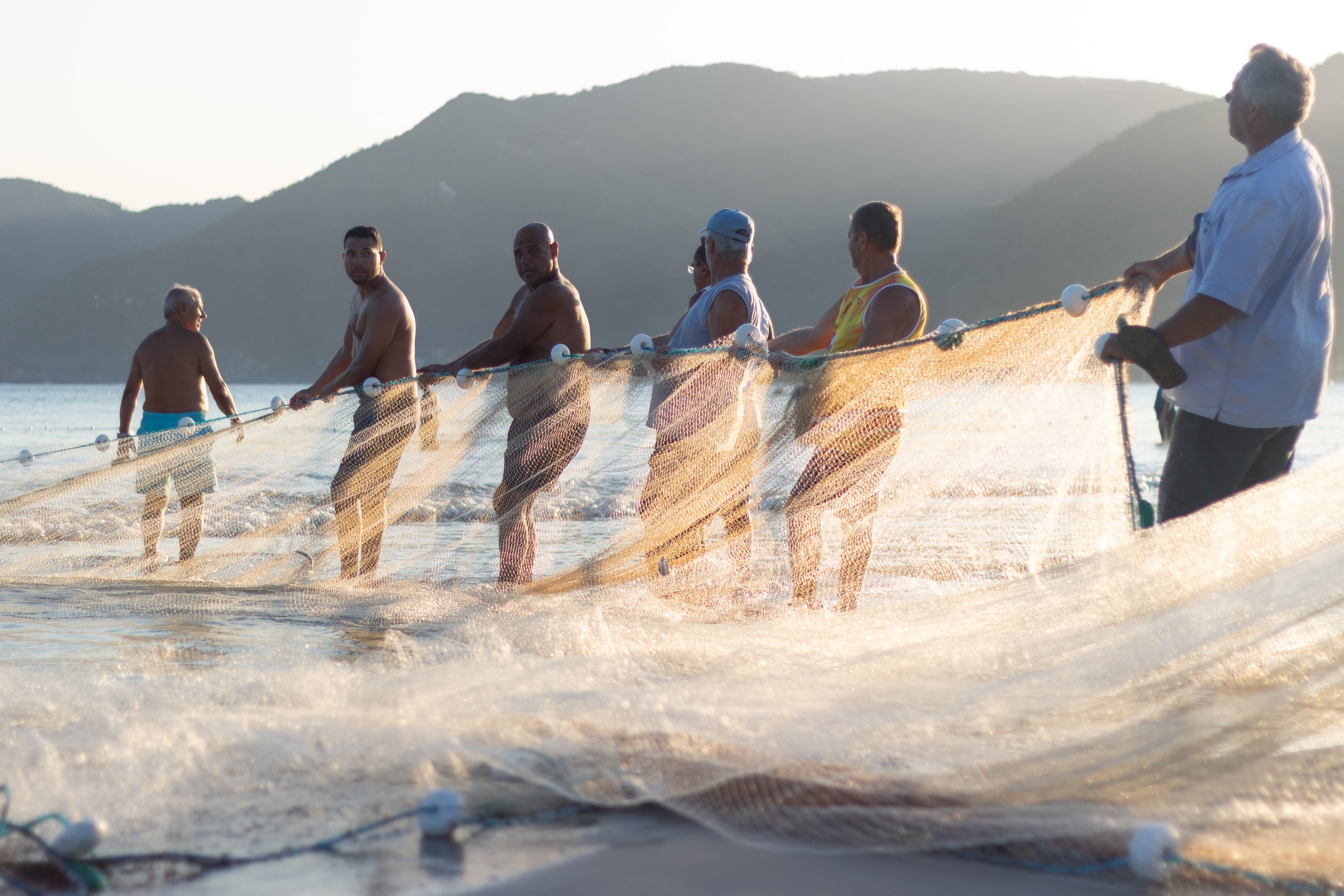
Illegal, unreported and unregulated (IUU) fishing has, along with the current pandemic, are doubling down on the hardships being faced by fishermen in this day and age. While the strict food regulations laid down in the wake of COVID-19 are certainly a point of frustration, they can be deemed necessary for the meanwhile.
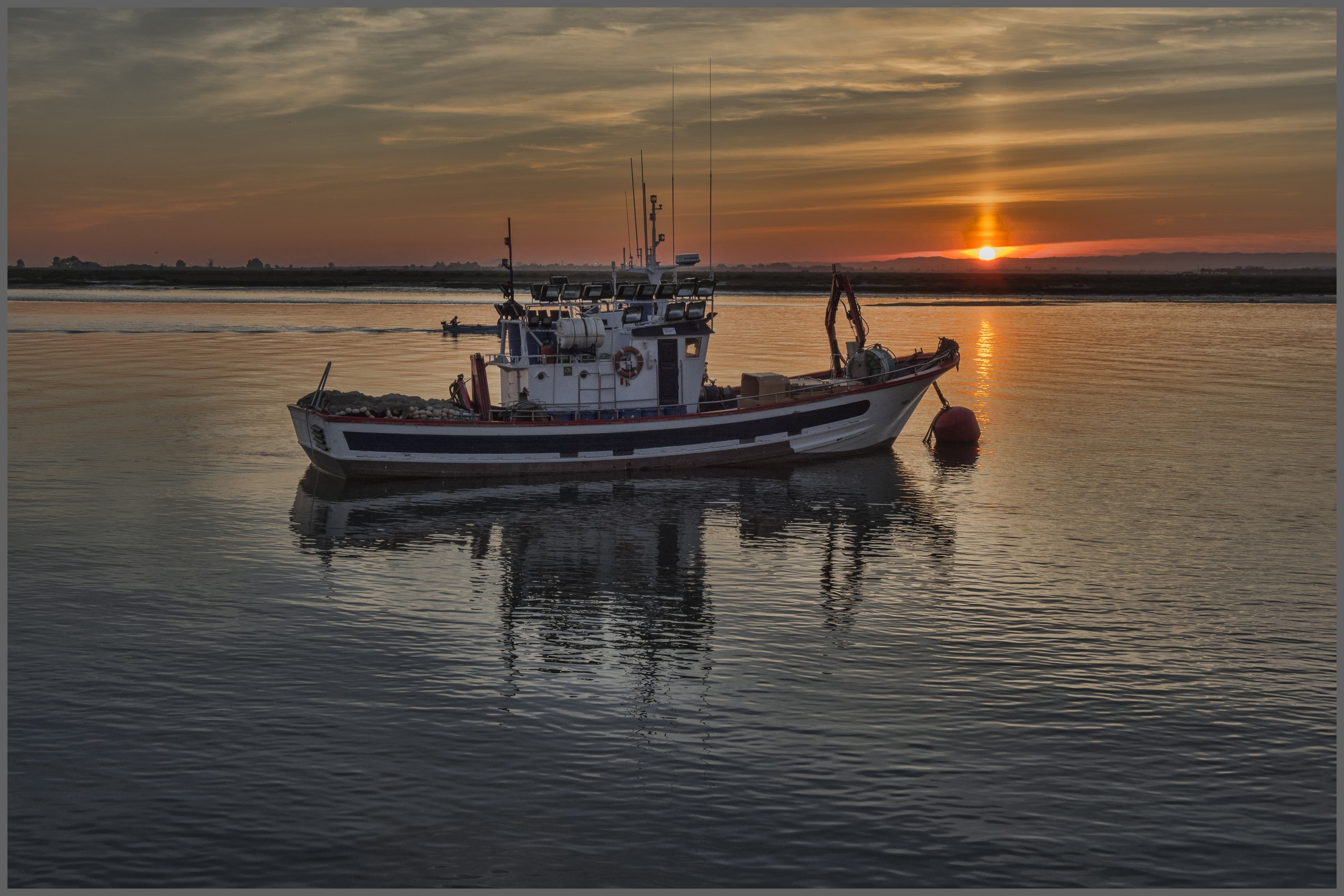
As we’ve already seen in the meat industry within the United States, the seafood industry is now also wary of the possibility of a COVID-19 outbreak specifically in the Pacific Northwest region. In response, seafood traders, processors, and catchers in the Pacific Northwest have drafted rigorous plans to ward off the similar spreading of COVID-19. This task is a lot easier said than done when you consider the closeness in proximity processors work within their workstations. As the summer season
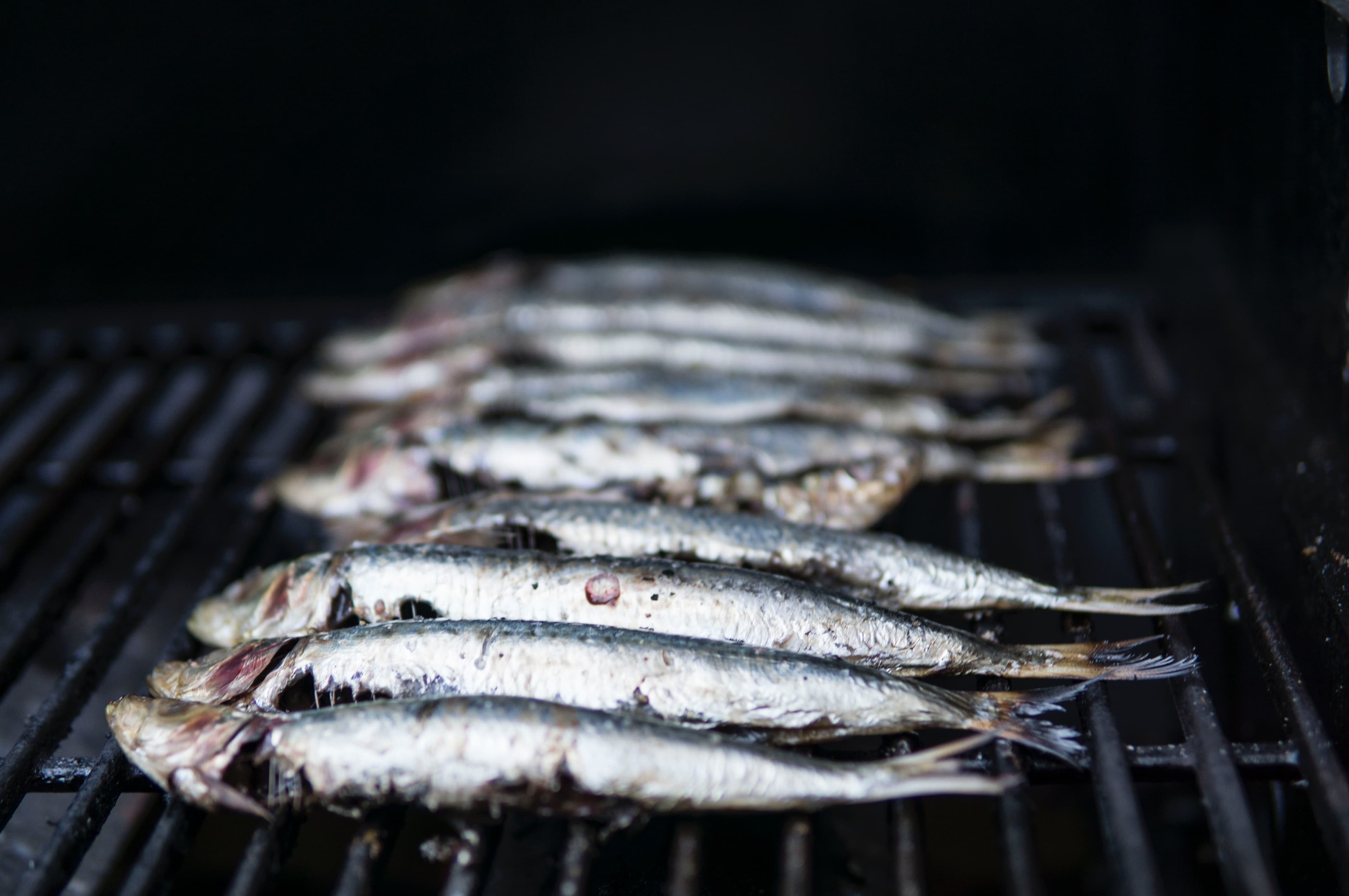
Many food industries have experienced the sting of the pandemic, with COVID-19 rendering the restaurant and hotel business unable to serve. Different types of food providers met with multiple issues and the seafood industry is no different. While having the ability to garner seafood from almost anywhere in the world has been a revelation to restaurants and food producers, the current climate has shown how important it is to have and support local seafood suppliers as well.
While the overall impact of COVID-19 looks to be slowing and food distributors are seeing increases in their output, the industry is still reeling from the devastating blow dealt by the pandemic. Some particular providers, as referenced by Plex Systems, have been trending upwards, influenced by the quarantine and the newfound public interest in personal health and food safety.
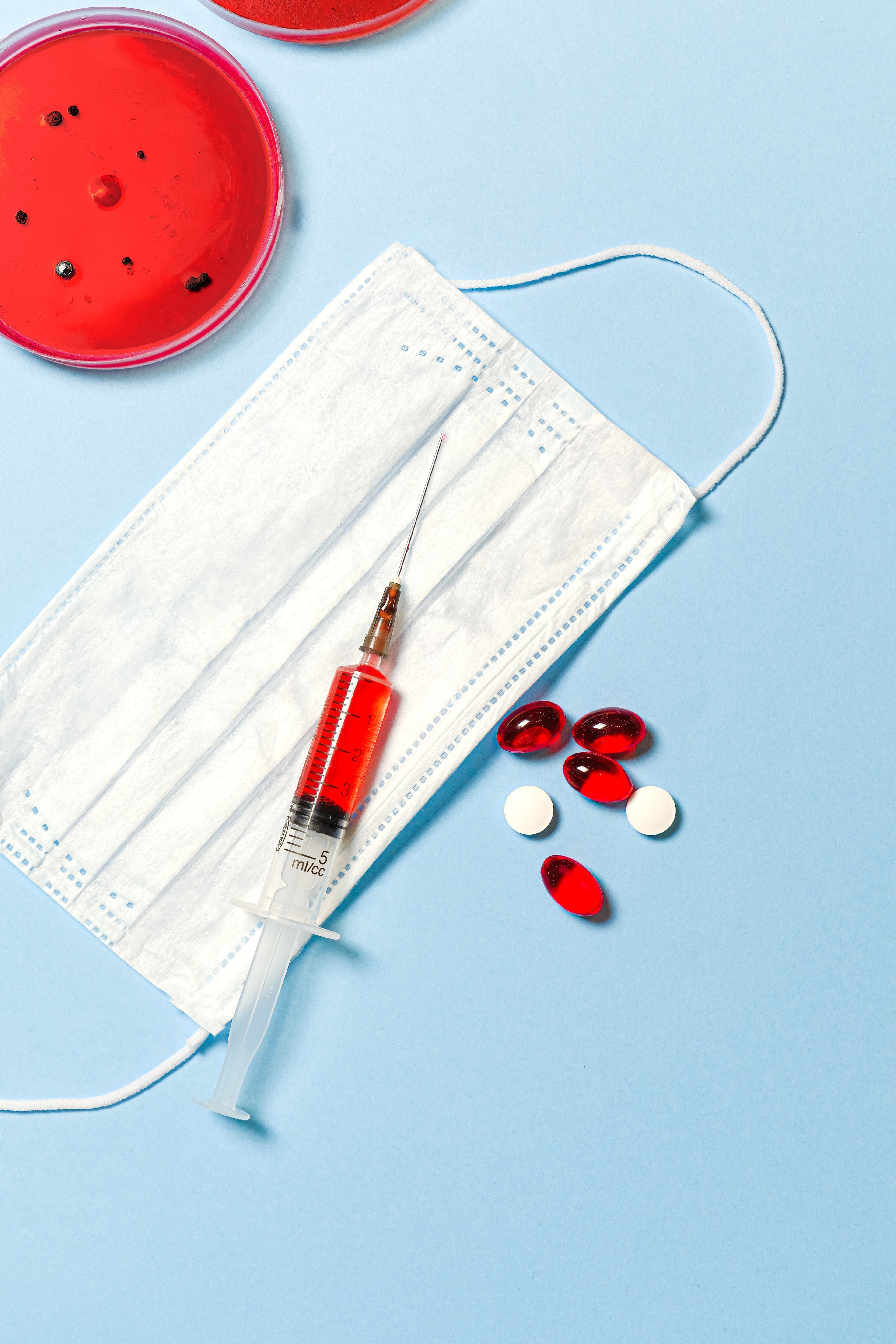
The Coronavirus pandemic does not seem to slow down. But amidst all the chaos and in this case lockdowns and social distancing, life has to continue. The supply chains are all under immense shock. The delivery trucks are not delivering any goods. In order to continue the delivery of the goods, drone technology is being used by the North Carolina Department of transportation. COVID 19 has disrupted the medical supply chain and the medical equipment must be delivered to all the hospitals and medic