
Blog Topic
24 articles
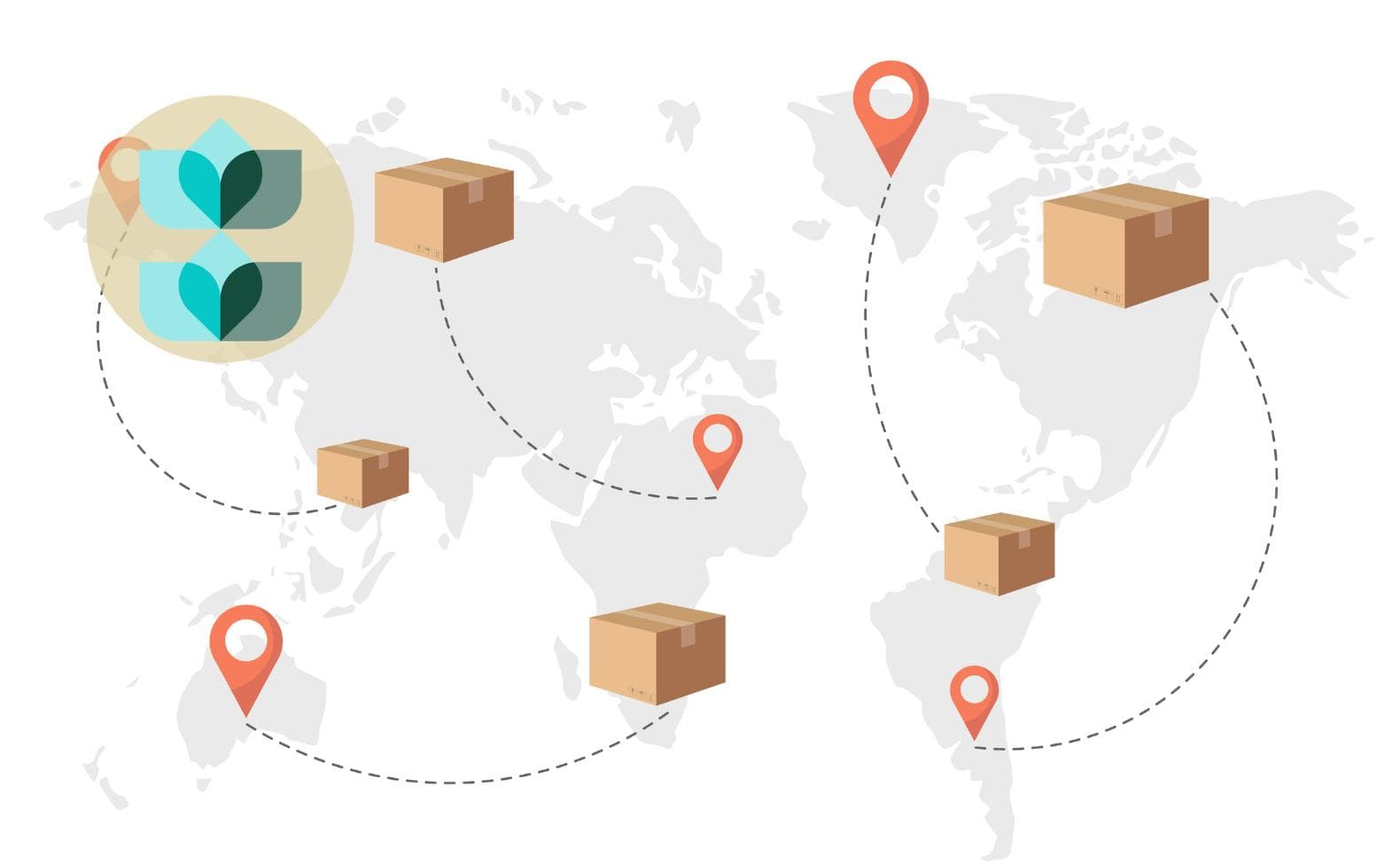
What is Supply Chain Management for the Food Industry? Supply chain management (SCM) is crucial for the food industry as it involves the coordination and management of various activities from food supply to consumption. The food supply chain is complex, and it involves numerous stages from the production of raw materials to packaging, distribution, and retail. Therefore, effective food supply chain management is essential in ensuring that food products are delivered to consumers efficiently, cos
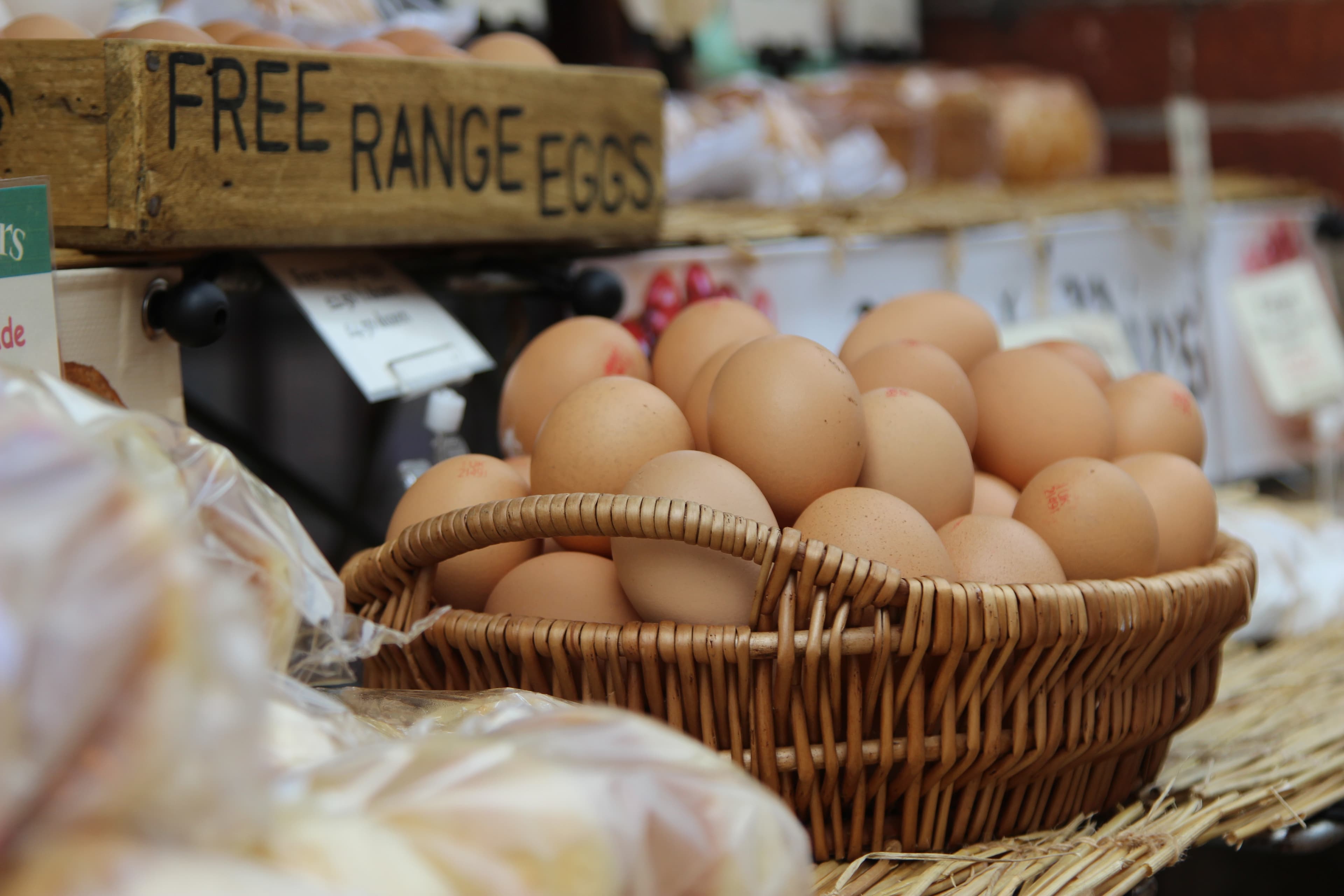
EGG SHORTAGE UPDATE: Unfortunately, we’ve kicked off the year 2023 with some major food shortages and supply chain issues. As the country has continued to battle against supply chain instability from the start of COVID-19, many are still experiencing strain thanks to a complex, multi-step and non-localized supply chain.

Title: Mitigating Risks: Preparing for Holiday Supply Chain Instability (2022)
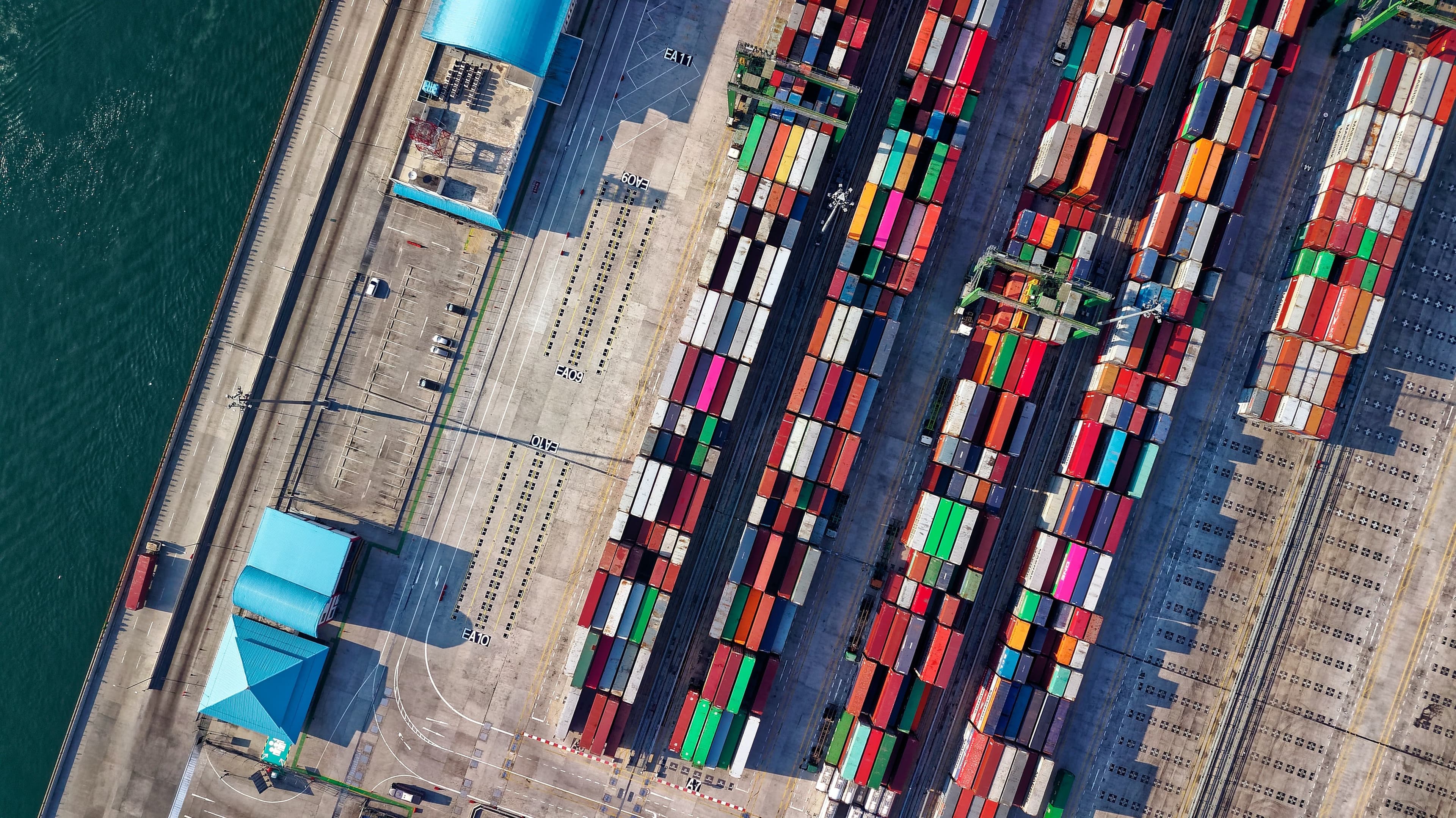
The most magical time of the year is here – and food manufacturers are feeling the additional pressure to keep up with the demand for traditional holiday foods – like turkey, ham, and seafood. Throw COVID-19 into the mix, and you have a recipe for a difficult holiday season for food manufacturers who aren’t prepared.

The holiday season is here, and your consumer base is on the hunt for the next big treat for their upcoming festivities, hastening the holiday rush. The final quarter of the year is the time to ramp up sales and production, iterate on your strategy, and establish your cadence for a fresh start – all of which you can do more efficiently with knowledge of the top holiday food and beverage trends.
![Manufacturing Management Software: A Buyer's Guide for Food Companies [2026]](/_next/image?url=https%3A%2F%2Fzqvyaxexfbgyvebfnudz.supabase.co%2Fstorage%2Fv1%2Fobject%2Fpublic%2Fblog-images%2Faf44ac32-pexels-sora-shimazaki-5673502.jpg&w=3840&q=75)
Manufacturing management software helps food companies plan, execute, and track production. This guide compares ERP, MES, and MRP systems, explains what food manufacturers specifically need, and outlines how to evaluate options.
![Supply Chain Optimization: A Complete Guide for Food Manufacturers [2026]](/_next/image?url=https%3A%2F%2Fzqvyaxexfbgyvebfnudz.supabase.co%2Fstorage%2Fv1%2Fobject%2Fpublic%2Fblog-images%2F54cb6adf-pexels-elevate-1267338.jpg&w=3840&q=75)
Supply chain optimization helps food manufacturers reduce costs, prevent stockouts, and build resilience across procurement, production, and distribution. This guide covers the key pillars, metrics, and technology that make it work.
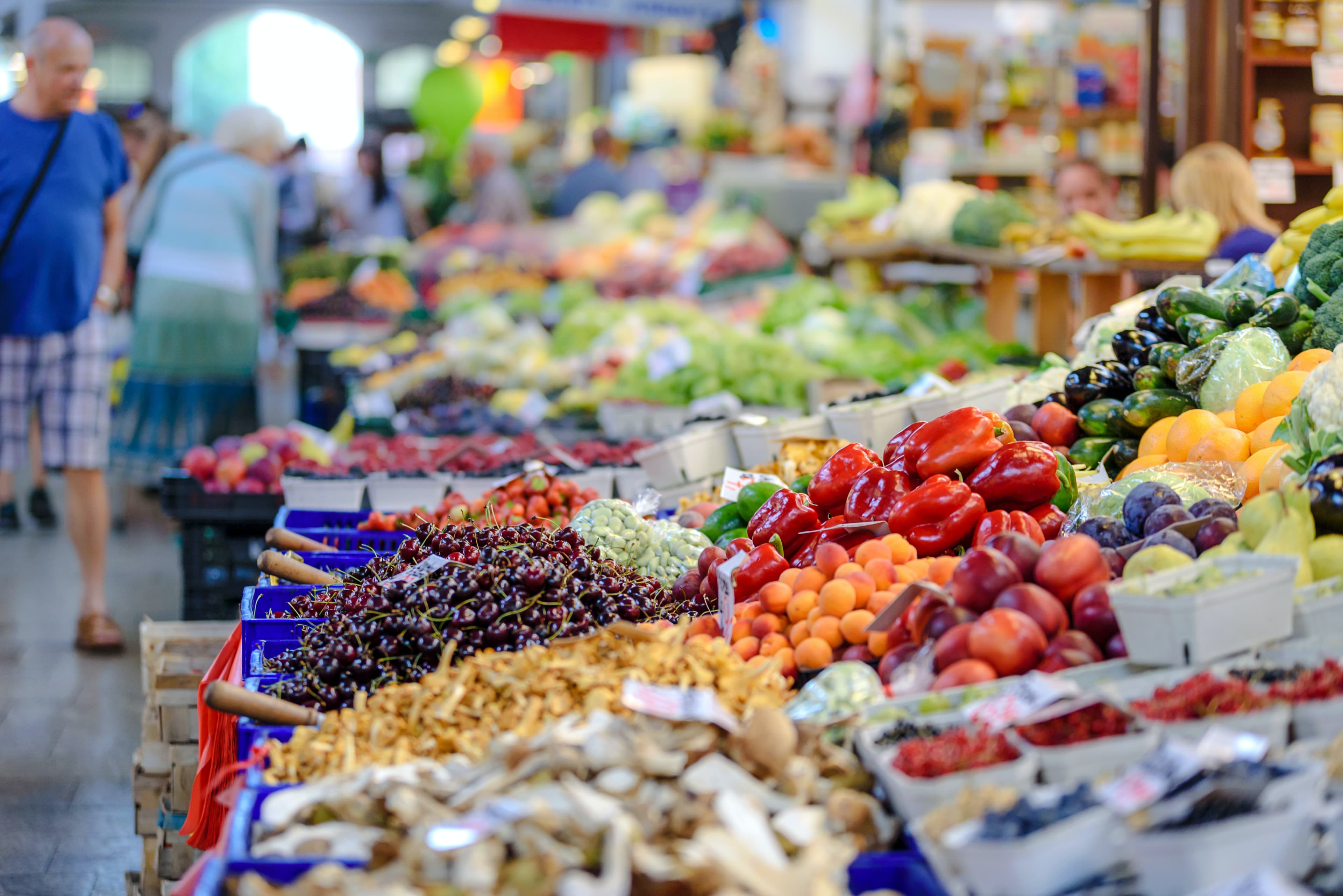
Produce software companies offer you near-endless options for managing your produce manufacturing business. However, not every solution is created equal. Your produce software business benefits most from a centralized, strategically crafted solution that is designed to meet the needs of both the producer and consumer, giving you a seamless experience for strategic management and growth.

In today’s consumer-driven environment, businesses are sparing no expense to protect their brand’s identity, experience, and perception. However, good-natured missteps and inaccuracies could be undermining the very foundation of these efforts – the most recent common example of this being food fraud.
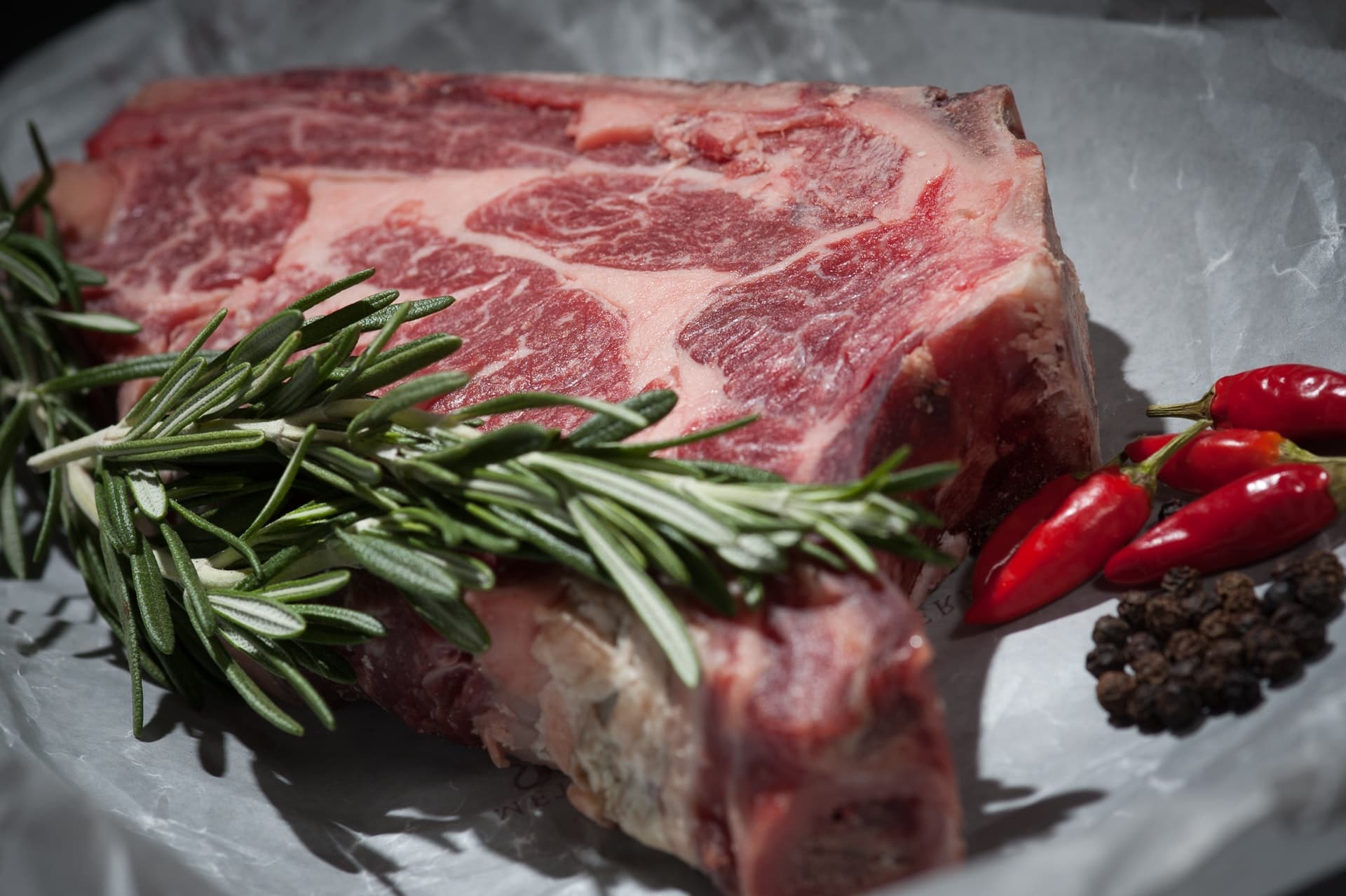
Outbreaks and illnesses tied to some of our most mass-produced food have become commonplace in 2022, putting consumers on high alert regarding their food’s quality and origins. Business owners in the food industry can use this as an opportunity to build brand awareness and loyalty by implementing a high-quality food manufacturing software option at every point in their business.

Businesses at every level of the seafood industry offer unique challenges in management, further highlighting the need for a robust ERP system. To manage incoming needs and consumer risk, food manufacturers in the seafood space often look to enterprise resource planning systems to help manage day-to-day operations and ensure that quality is never sacrificed at any point in the production and distribution process.
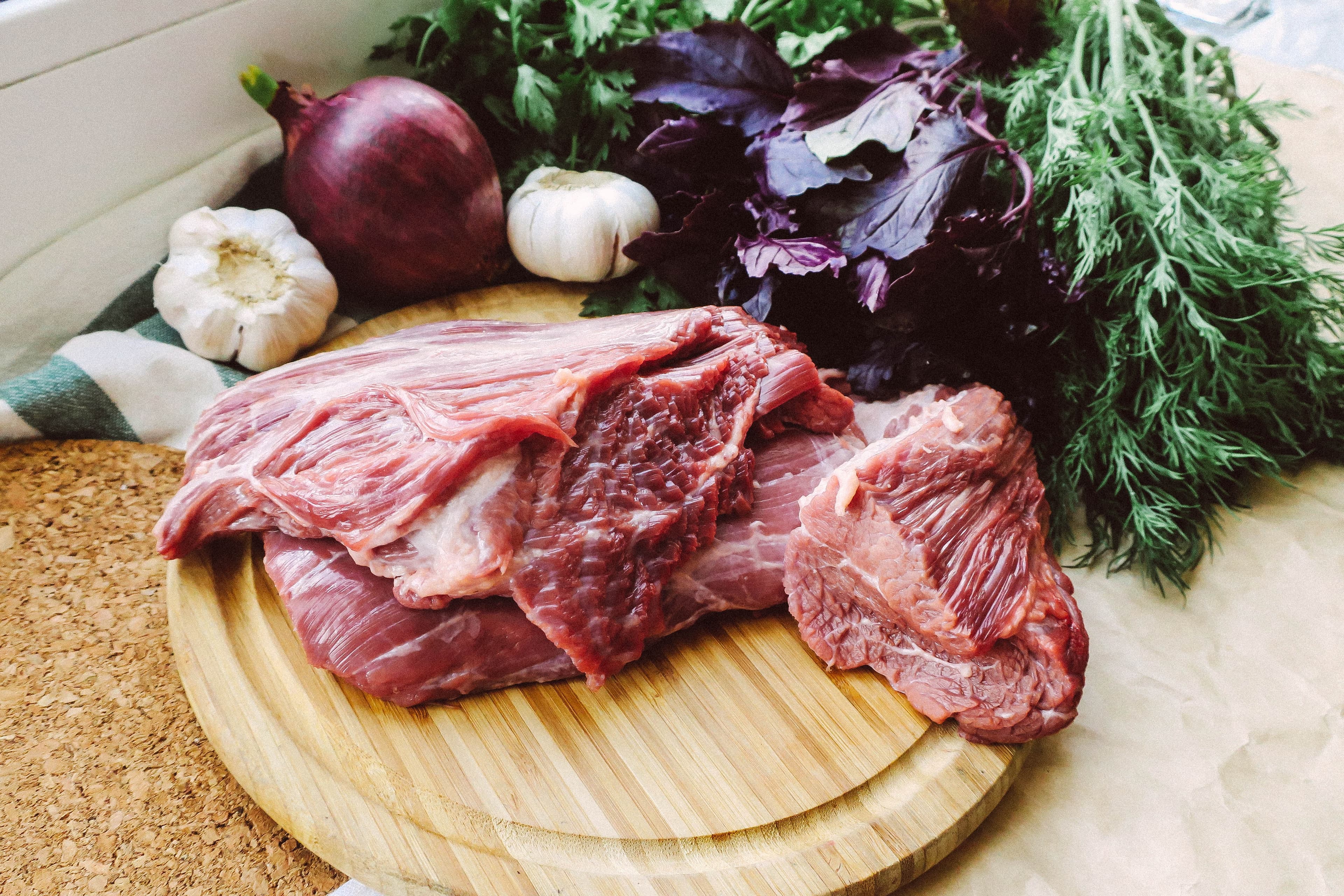
The meat processing industry is one of the core elements of the American manufacturing and distribution network. Despite financial instability in the pre-pandemic era, the level of demand continued to be level, mainly due to the amount of financial assistance that Americans were receiving to offset the effects of market volatility. As financial relief packages come to a close, the meat market suffered limited effects. Looking forward to 2022, we explore what the meat manufacturing and production