
Blog Topic
24 articles
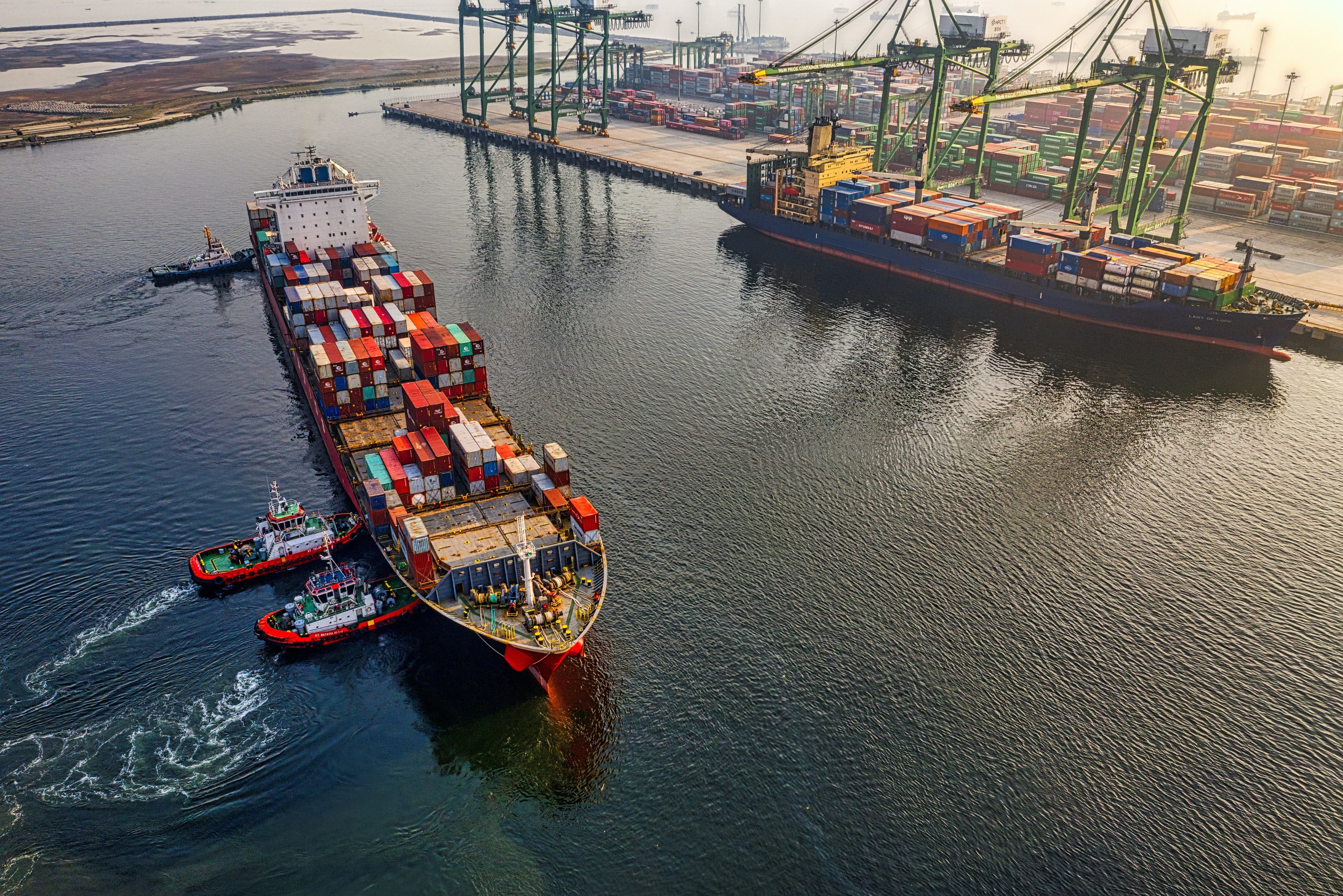
As we round the corner on the most tumultuous two-year period the food and beverage supply chain has ever seen, it’s become evident that this will be another year of learning. Due to the Russian-Ukrainian conflict and other such issues, the global chain is beginning to buckle and break under pressure, sanctions, and other delays. While this has left many industry leaders reeling, it also has provided several worthwhile lessons that businesses can apply to their side of the space. Below, we’re ex

Food and beverage manufacturers are always looking for the next big “thing” to create a breakthrough within the industry. Trends sell, and manufacturers must keep their fingers on the pulse of culture, preferences, and consumer purchase profiles to understand how exactly they can strategize their next big launch. One of the greatest examples of this lies in one of America’s oldest imported drinks: Vodka.
![Supply Chain Planning Software: What It Is & How to Choose [2026 Guide]](/_next/image?url=https%3A%2F%2Fzqvyaxexfbgyvebfnudz.supabase.co%2Fstorage%2Fv1%2Fobject%2Fpublic%2Fblog-images%2F70ef00ac-pexels-emre-vonal-7712535.jpg&w=3840&q=75)
Supply chain planning software helps food manufacturers forecast demand, plan inventory levels, and automate procurement decisions. This guide explains what it does, how it differs from ERP and MRP, and what features to look for.

After having great success with food manufacturers and distributors in North America, Inecta has expanded its reach to the UK and ANZ regions. With the high demand for its software in the underserved regions, it became necessary to hire local support and implementation staff.
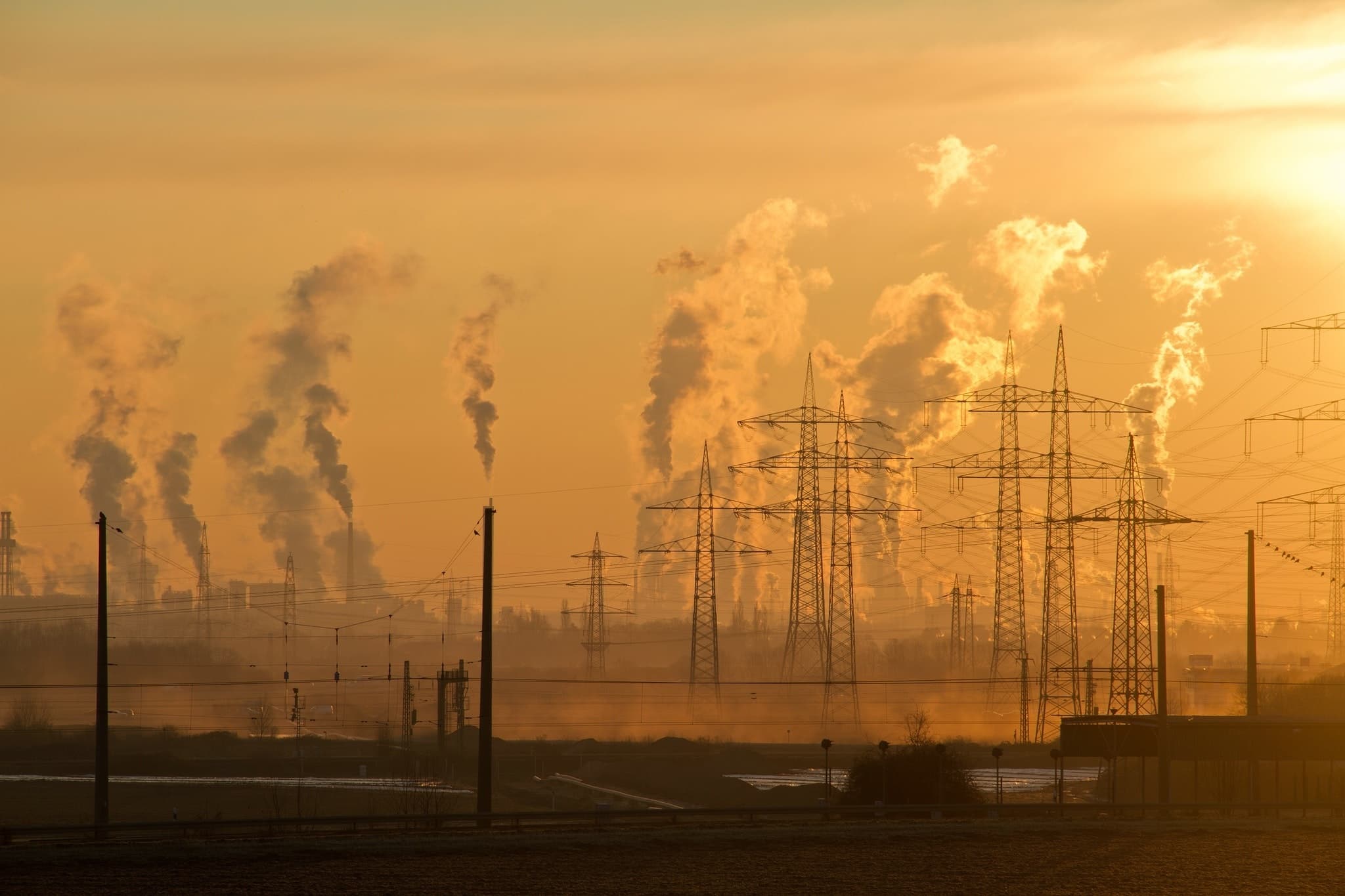
It’s no secret that the West has dealt with severe and prolonged droughts throughout the years, causing cost changes, production shortages, and more. Now, with more recent and severe drought patterns, experts are considering what this could mean for the food supply chain. In this article, we examine different elements of the chain that this drought system could impact, and review more sustainable practices that could be put in place to mitigate risks.

The pandemic of coronavirus has affected daily life in more ways than we can imagine. With the people being advised to stay at home and maintain the social distancing, many industries and supply chains are going through a shock. There are not enough resources for them to function properly.

Every single country on the planet earth is facing a huge crisis amid the coronavirus pandemic, the industries are shutting down or are working at a very minimal capacity. There is a general shortage of workers either due to coronavirus scare or due to the lockdowns in many countries throughout the globe. While different countries are dealing with this pandemic in their own way, all of them have a thing in common, their essential industries are operational to some extent. The food industry is on
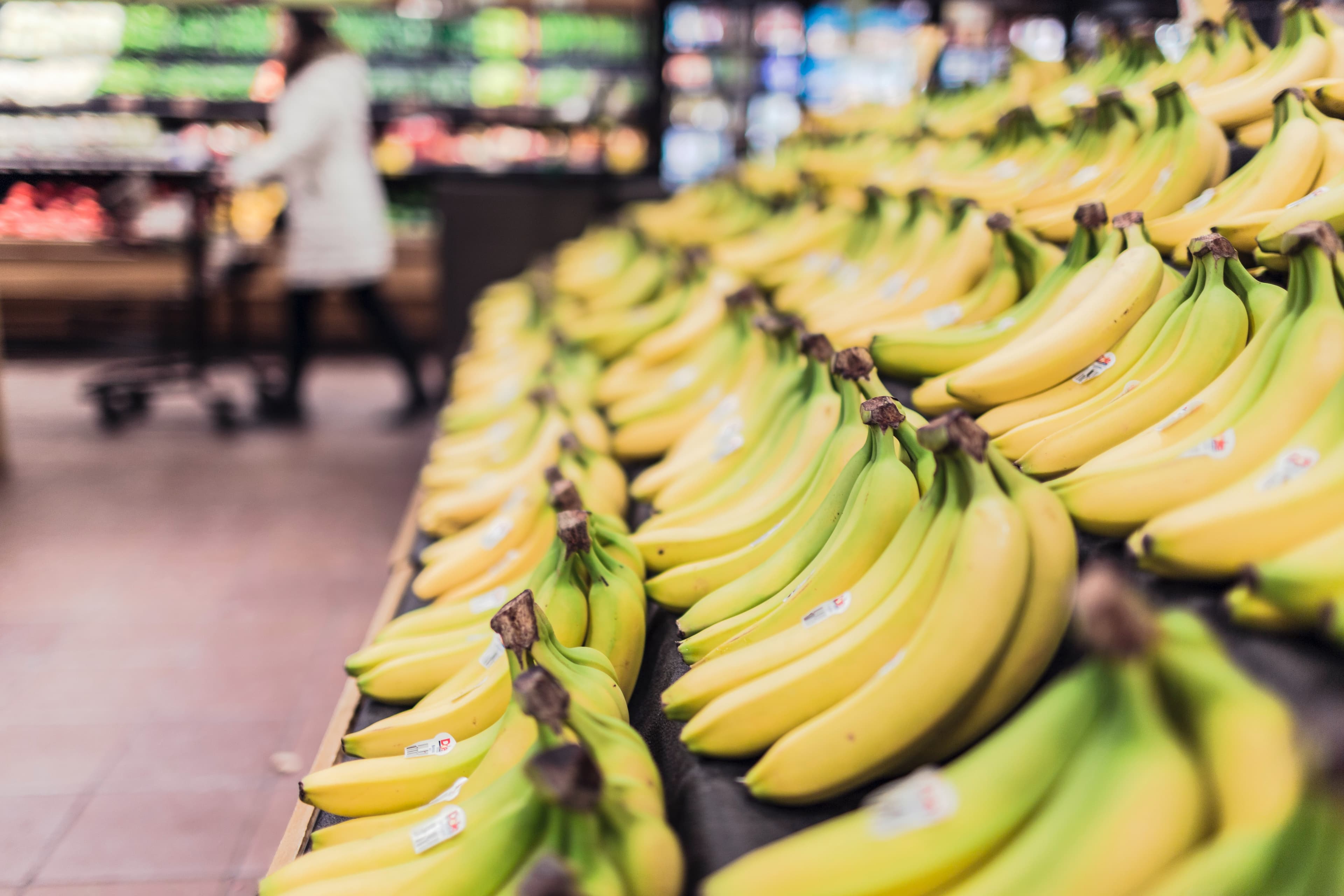
Coronavirus, a global pandemic that has practically affected every single industry in the world, is showing no signs of stopping. The supply chains are in shock and every single manufacturer is trying to figure out the ways to counter it. The weapon that we need to fight this pandemic is the use of personal protective equipment, which is currently great in demand but short in supply. Most of the PPE was built in China, the epicenter of this pandemic. The outbreak of coronavirus in China meant th

Coronavirus pandemic is disrupting everything in the world, the supply chains are in shock, and logistics are facing all sorts of issues. Countries around the globe are coming to a halt in order to prevent the spread of this virus. Just like all the industries, the food industry is also greatly affected by this. The food supply networks of the world are under a great threat, with food shippers limiting the shipments and food distributors having a hard time finding the proper distribution network

Coronavirus pandemic is disrupting everything in the world, the supply chains are in shock, and logistics are facing all sorts of issues. The countries around the globe are coming to a halt in order to prevent the spread of this virus. Just like all the industries, the food industry is also greatly affected by this. The food supply networks of the world are under a great threat, with food shippers limiting the shipments and food distributors having a hard time to find the proper distribution net
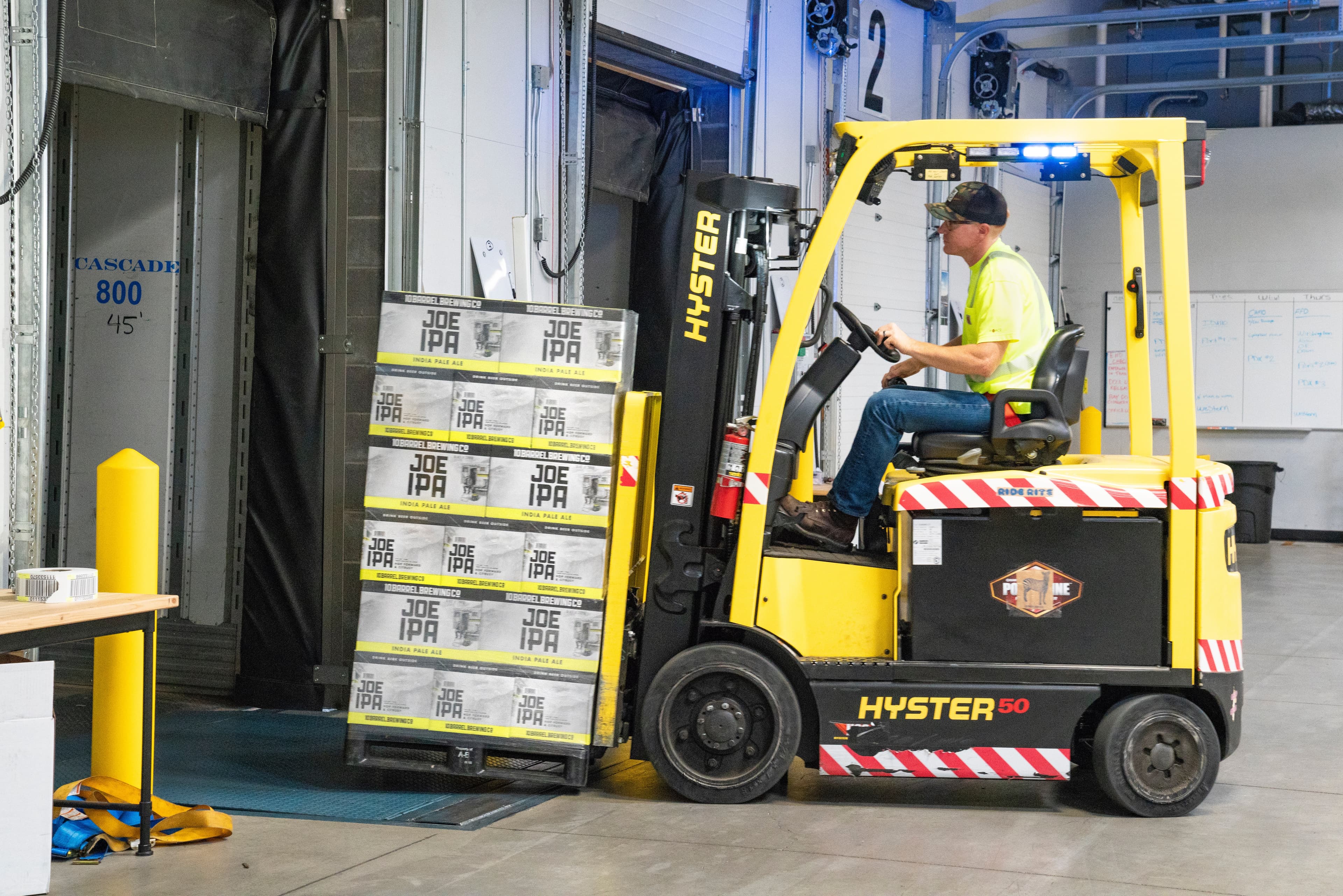
With the spread of the coronavirus in the world, especially in China, the world of commerce is going through a rough time. The factories in China have stopped operating and the ones which are in operation, aren’t operating at full potential. The United States’ markets and manufacturers being highly dependent on the Chinese raw products manufacturers, hence resulting in the supply chain issues.
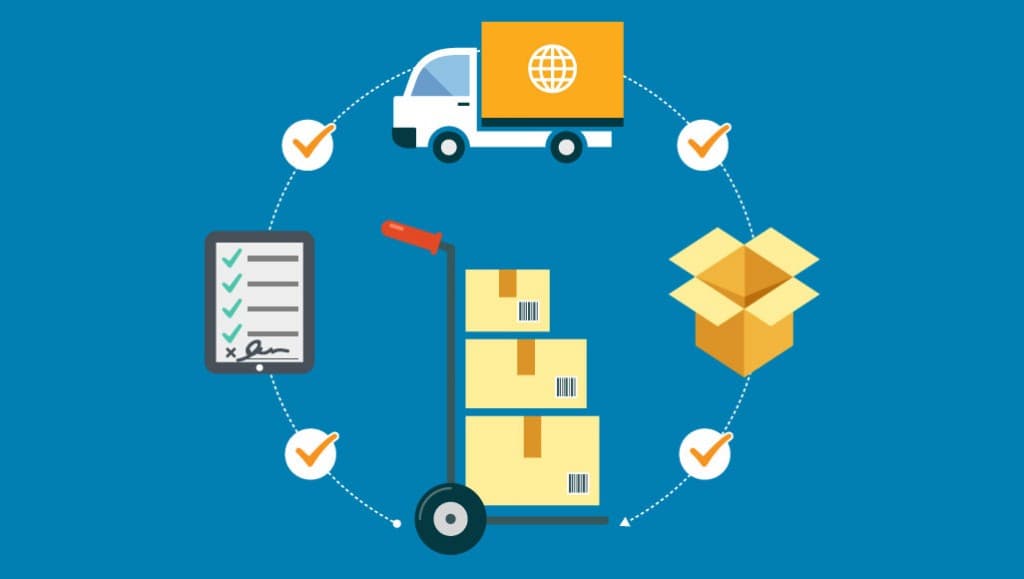
Improving your supply chain to make it more efficient can do wonders in improving your business overall. As a company expands and becomes more complex, so too do the strategies involved in keeping the supply chain efficient and up to par in order to sustain the business. When orders start rolling in, businesses rely on their supply chains to meet the demand and to keep their production, packaging and shipping processes running smoothly in perpetuity.