
Blog Topic
26 articles

We’ve talked a lot recently about the idea of Food ERP on various blogs and white-papers lately, but do we truly understand what it is and why it is so critical? So often, small and medium size food businesses think about the prospect of integrating an ERP solution but lack the information necessary to actually pull the trigger on seeking one.
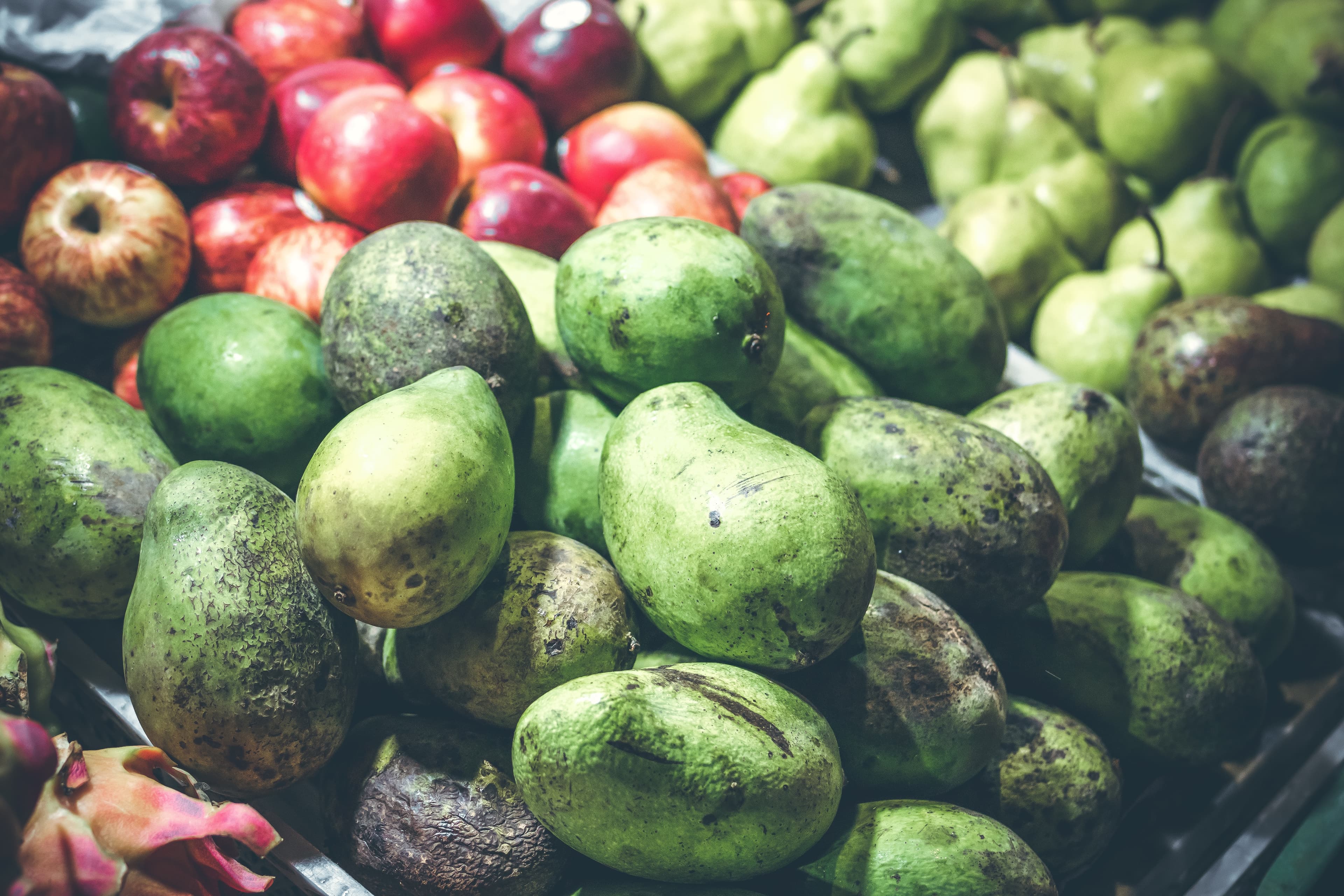
With operational efficiency being the golden goose of the produce industry, produce ERP also referred to as the PPS solution is selling like hot cakes among the produce packers and produce shippers of the world. With food safety regulations breathing down the necks of produce packers and shippers alike, inventory management has emerged as the only means to survive.
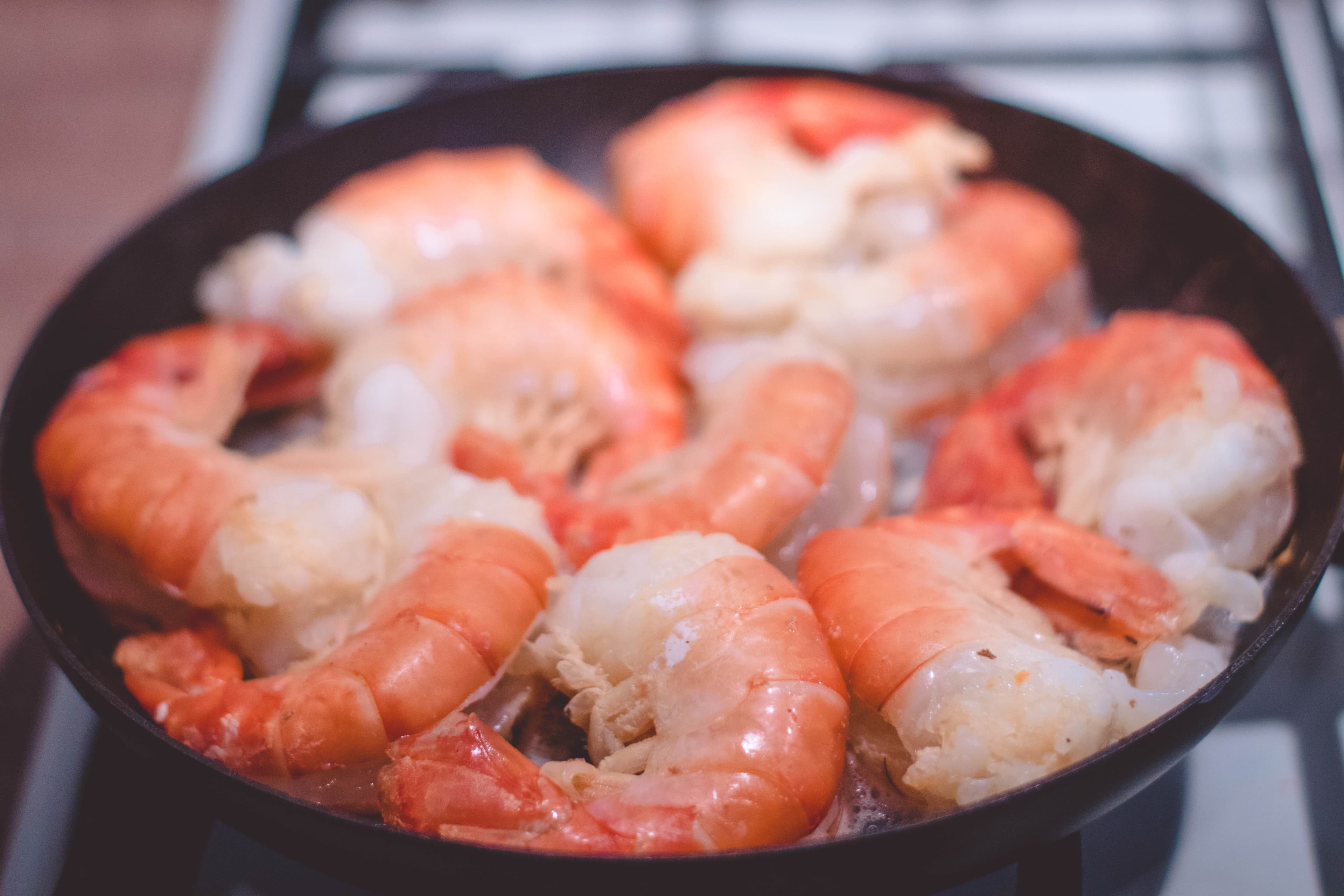
INECTA recently sat down with one of its senior ERP consultants, Ruth Lestina, to discuss what customers seem to really appreciate about INECTA's ERP offerings. Ruth Lestina is a highly knowledgeable consultant who has been working with INECTA’s customers for quite some time, and she knows exactly what makes them tick. Her expertise gives her invaluable insight into what businesses are sorely lacking in their current form of enterprise resource planning, and what they desperately need in order t

Covid-19 has impacted every industry in its own way and the food industry is no different. With food safety being the name of the game, the industry has had to alter its existing practices to adjust to this new environment. Food trading is now under the highest scrutiny as millions of lives hang in the balance. Both food traders and manufacturers alike have had to explore new technologies to adjust to the disruptions the industry is exposed to. To speak volumes, most food manufacturers have auto
In 2020, with the height of the pandemic in focus, it is critical for food processors and producers to adhere to strict food safety regulations. One of the most important food safety programs available is the HACCP.
The food industry has seen a huge interruption in productivity due to the current pandemic. One organization that has taken notice is the American Heart Association. Families already struggling with access to food have been contending with even more hardship in recent months. While the problems aren’t new, the emphasis on them has grown greatly and has made the need for a solution that much more important. The Association is looking for new ideas and it is tapping into the food industry to try a

The current pandemic has spurred food producers to find better ways of keeping up with the demand created by shortages or food plant shutdowns. The technological advancements needed to stay relevant during COVID-19 have opened up new opportunities for the food and drink industry.
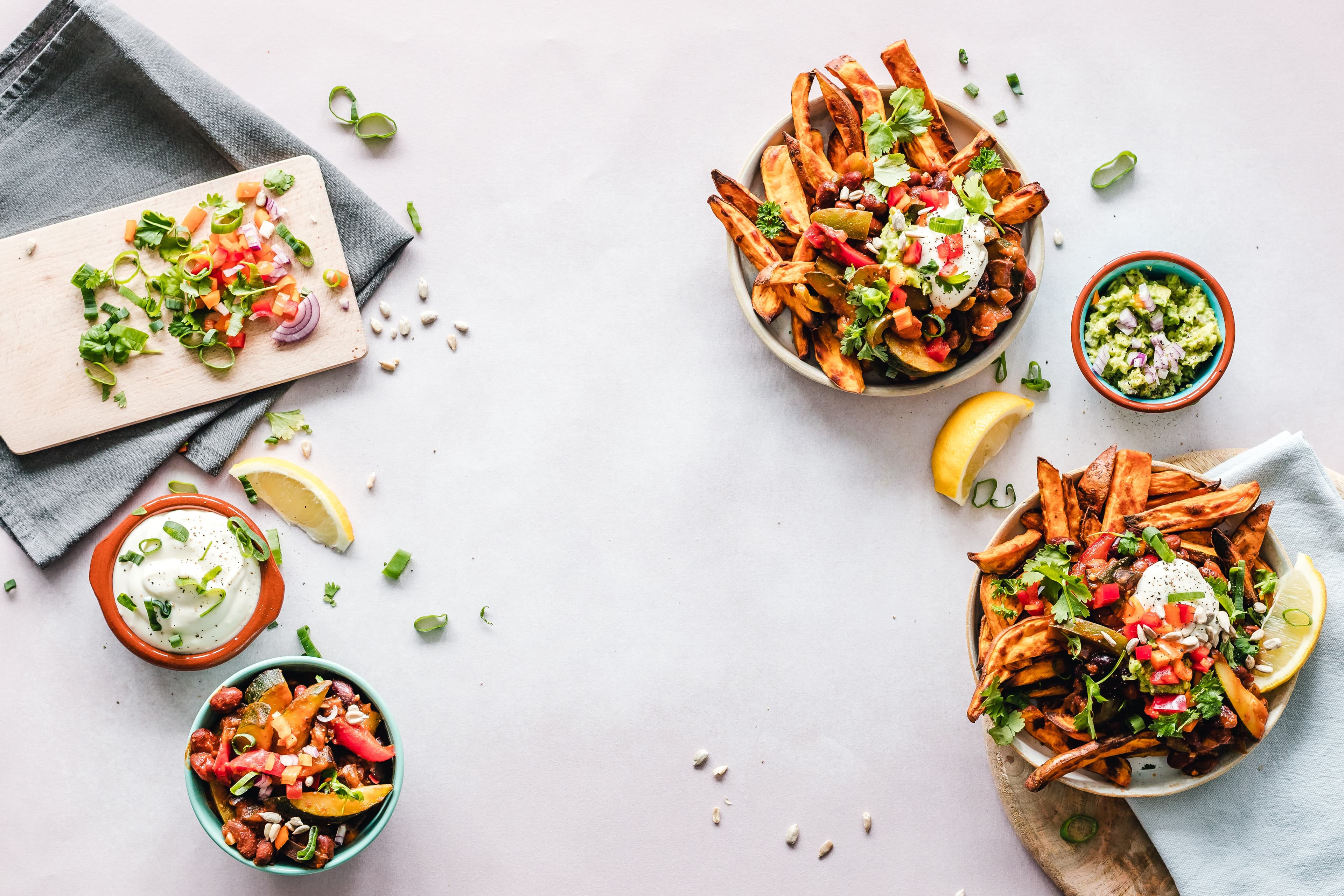
A new report on the state of the food industry that reflects the past three years has shown tremendous growth in the sector. The food industry has seen a 10.7 percent increase since 2017. The overall sales number for the industry reached $158.4 billion, even including the fallout from the current pandemic.
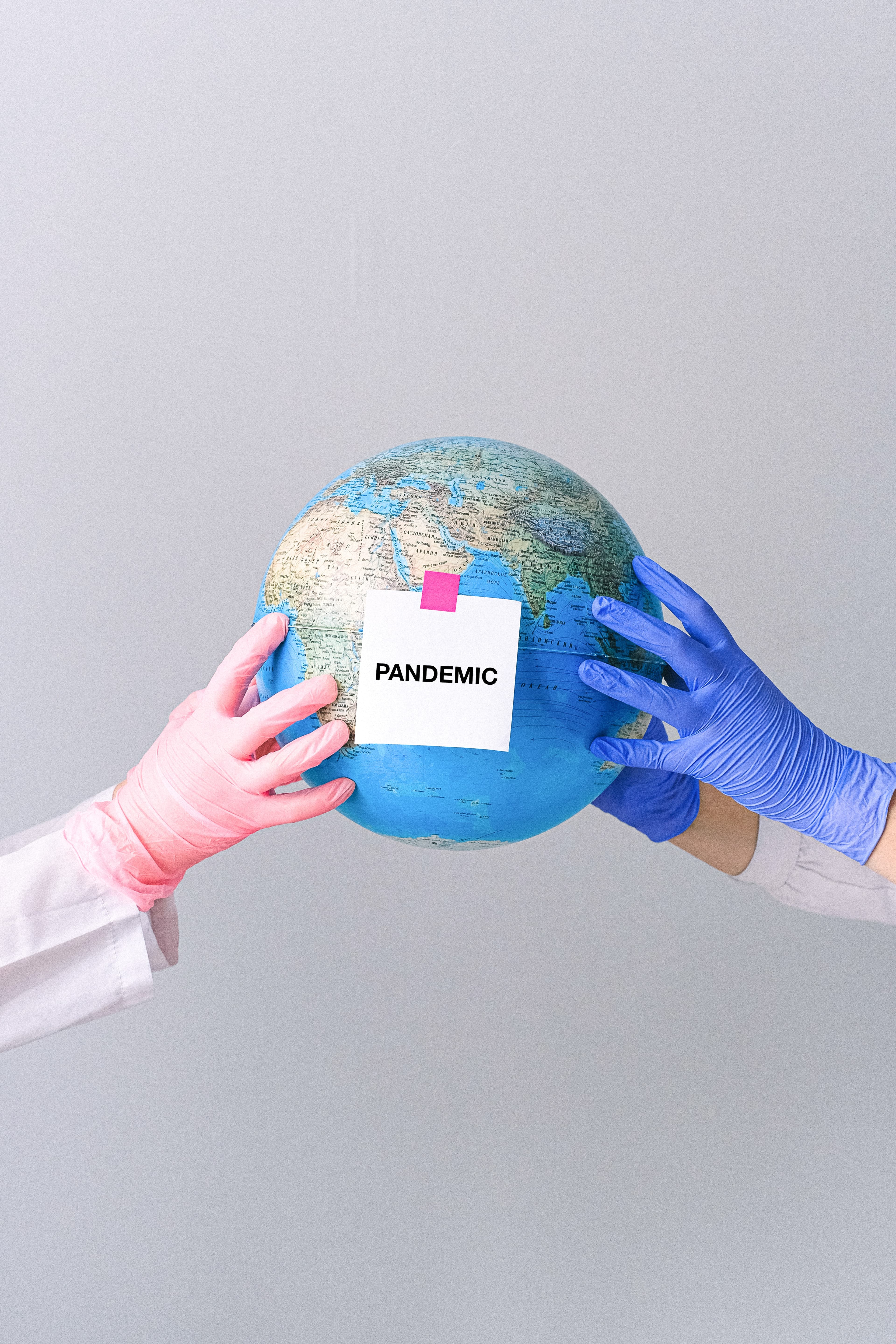
The COVID-19 pandemic has severely impacted the food production industry here and abroad. Whether through social distancing observation or lack thereof, COVID-19 has become an unavoidable obstacle, causing food production to stagnate and the restaurant and hotel industry to suffer. The meat industry alone has seen many factories close down all over the world, including Germany, the Netherlands, and the United Kingdom. According to data from project Unearthed, over 37 virus outbreaks have been re
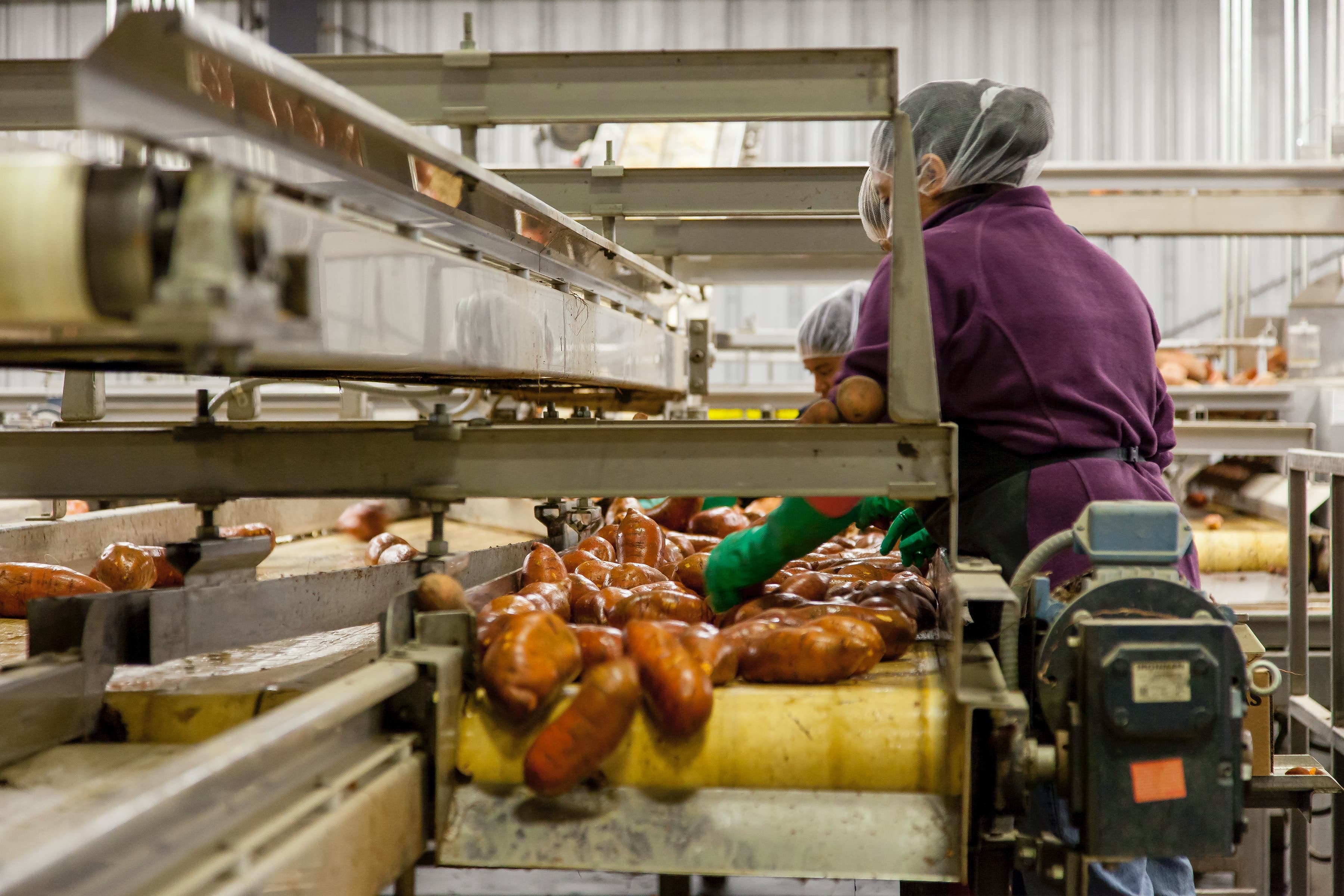
The coronavirus is claiming a massive number of lives in the US, a total of more than what was observed in post-WWII, mass shootings, and terrorist attacks. President Trump continues reiterating multiple times that the US must reopen irrespective of the availability of a vaccine. However, there are millions of essential workers in all states who have been at work during this time, risking their lives to provide us with the comforts of life. Not the least of which is the food manufacturers and fo
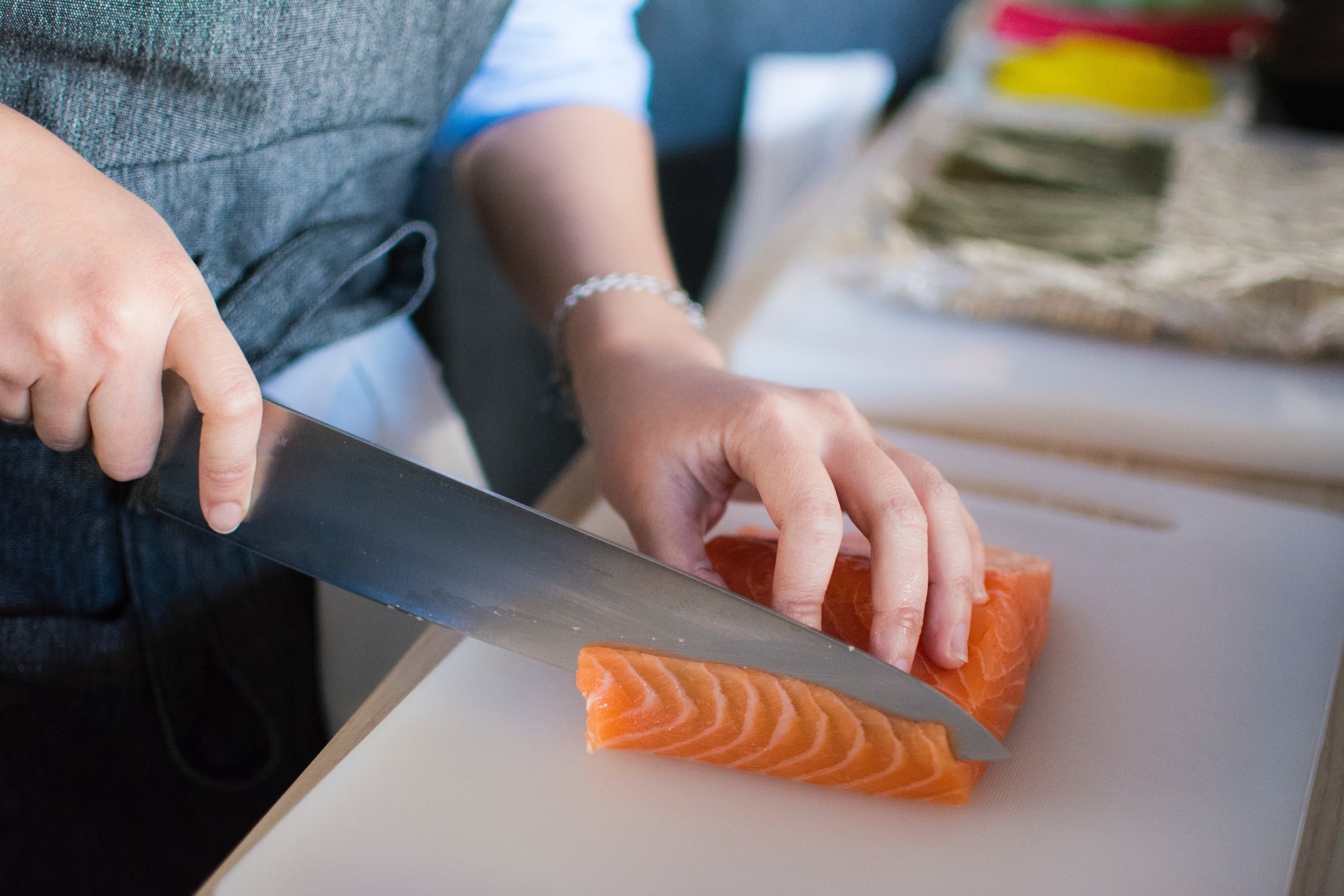
China has begun to halt shipments of salmon from Europe after it was alleged that the industry was linked to a new COVID-19 outbreak in Beijing. Shipments were immediately halted once the virus was discovered on fish chopping boards in Beijing’s Xinfadi market, which is considered the central location of newly reported COVID-19 infections.

The coronavirus pandemic caused a lot of disruptions in the food supply chains, especially the food manufacturers and produce manufacturers faced a lot of difficulties in gathering the required raw materials and enough labor. The food and produce suppliers were unable to meet the demands and the whole situation can be labeled as a crisis.