
Insights and guides for food industry professionals, from ERP implementation to supply chain optimization.

What is SQF? History of SQF and it's Structure SQF Certification Process Why get SQF Certified? What are the Challenges of SQF Certification? What have we learnt about SQF in this Article What is SQF Food safety is a top priority for every food industry stakeholder, from manufacturers and processors to distributors and retailers. One key tool that businesses can use to ensure food safety is the Safe Quality Food (SQF) certification program. SQF is a global food safety initiative management syste
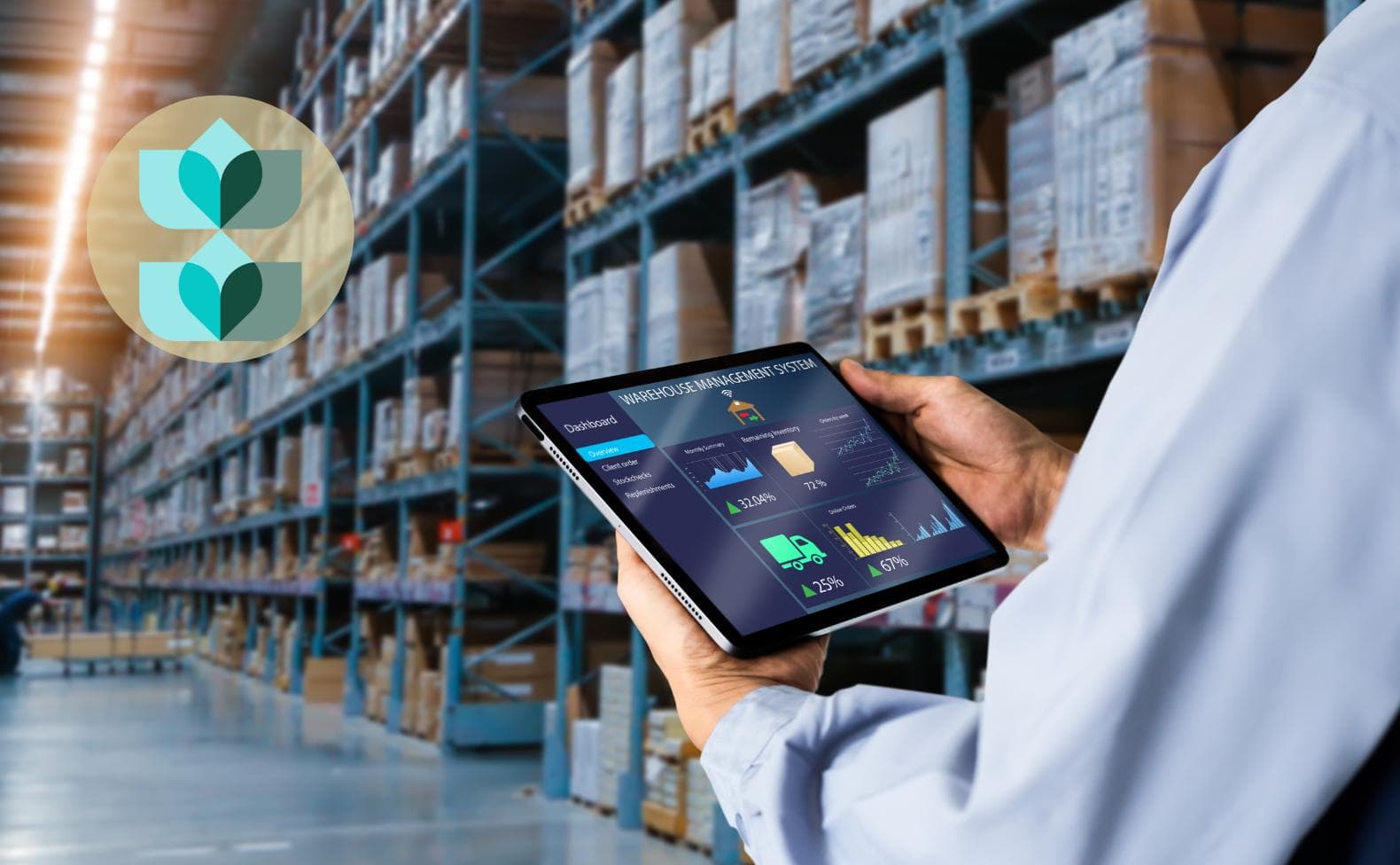
WMS Price Guide 2023: What features do you need? Warehouse operations rely heavily on warehouse management system (WMS), which are essential tools for inventory management, orders, and overall warehouse operations. However, with the multitude of features available in WMS software, it can be challenging to determine which ones are crucial for your business. To help you decide which features to prioritize in a WMS, here are some tips to consider.
Definition of Warehouse Control System (WCS) Warehouse control systems (WCS) play a crucial role in the efficient functioning of a modern-day distribution center. The rise of e-commerce and the demand for faster and more accurate order fulfillment has made WCS a vital component of warehouse management systems (WMS). In this article, we will explore the evolution of warehouse control systems, their components, functions, benefits, implementation, and future trends.

What is a Corrective Action Plan? Corrective action is a crucial component of any food safety management system, including Hazard Analysis and Critical Control Points (HACCP). A Corrective Action Plan (CAP) is a written document that outlines the steps that a food business will take to address any deviations or non-conformities identified during the implementation of their HACCP plan.

Food safety is a critical issue that affects everyone. Ensuring the safety and quality of food products is vital for protecting consumers' health, preventing foodborne illnesses, and maintaining trust in the food supply chain. One essential aspect of food safety is traceability, which refers to the ability to track and trace food products throughout the entire supply chain, from farm to table. Traceability systems enable the identification and recall of unsafe or contaminated products, making it
What is Supply Chain Management for the Food Industry? Supply chain management (SCM) is crucial for the food industry as it involves the coordination and management of various activities from food supply to consumption. The food supply chain is complex, and it involves numerous stages from the production of raw materials to packaging, distribution, and retail. Therefore, effective food supply chain management is essential in ensuring that food products are delivered to consumers efficiently, cos
![HACCP Plan: 7-Step Guide for Food Manufacturers [2026]](/_next/image?url=https%3A%2F%2Fzqvyaxexfbgyvebfnudz.supabase.co%2Fstorage%2Fv1%2Fobject%2Fpublic%2Fblog-images%2Feecf8a94-haccp-plan-what-is-it-how-to-write-one-guide-.jpg&w=3840&q=75)
A HACCP plan identifies food safety hazards at each step of production and establishes controls to prevent them. This 7-step guide covers every HACCP principle with vertical-specific critical limit examples for meat, dairy, seafood, and beverage manufacturers.

How to Fill Out a Bill of Lading: A Comprehensive Guide A bill of lading is an important legal document used in the transportation of goods by sea, air, or land. It serves as a contract between the shipper and the carrier, outlining the terms and conditions of the shipment. The bill of lading also serves as a receipt for the goods being shipped and provides a record of the shipment's condition when it is handed over to the carrier.
Introduction Good Manufacturing Practices, or GMPs, are essential for ensuring the safety and quality of food products in the food industry. Food manufacturers rely on these practices to prevent contamination of raw materials and ensure the consistent quality of their food products. In this article, we will explore the importance of GMPs in the food industry and how they can help food manufacturers produce safe and high-quality food products for consumers. We will examine the key principles of G

Current statistics indicate that only half of the global consumer population truly “understands” how to read a food label, with the other half claiming difficulty due to lack of underlying knowledge or confusing terminology used.
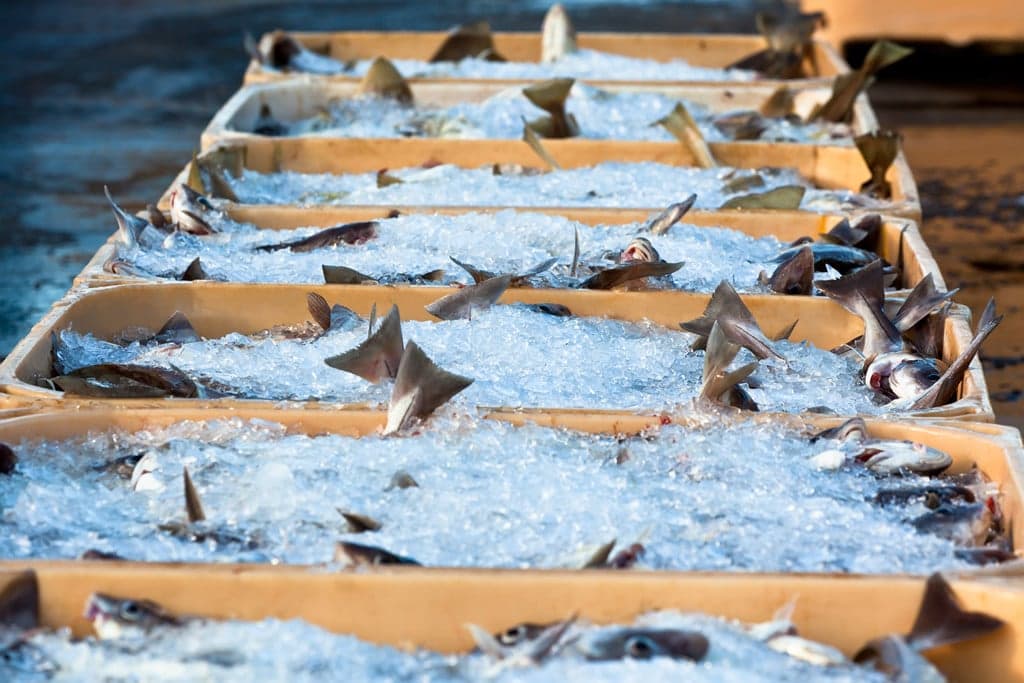
Understanding the differences between fixed weight labeling vs. catch weight labeling allows you to more accurately record the exact weight (or "actual weight") of products coming in and going out, offering you an effective data-driven foundation for any changes you might choose to enact. While both measurements have value, the terms yield different data points in context, both of which are equally important to calculating your accurate statement of profit, certain costs, and more.

Looking for a simple way to take your food and beverage business to the next level? You may consider investing in recipe management technology to help you grow and scale effectively. While it can take time and resources to fully implement, we consider this to be a worthwhile investment in your business. Ultimately, customers want to purchase what they can trust, and standardizing your food production and manufacturing process is a tremendous step forward to doing just that.