
Blog Topic
49 articles
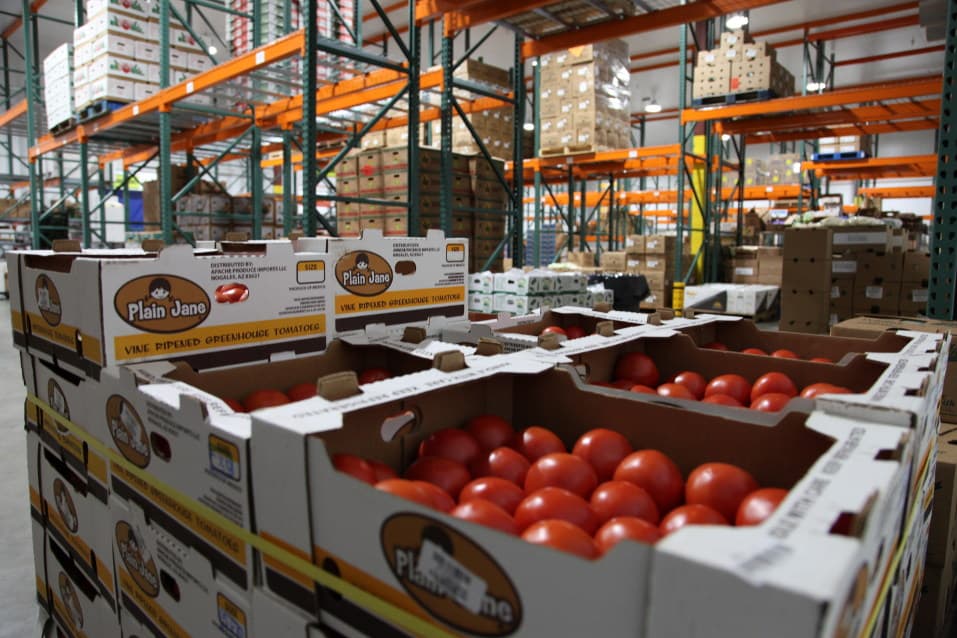
For produce traders, there is always a few unavoidable roadblocks that need to be dealt through efficient means. In response to this common thread, iNECTA Food has created the perfect version of its ERP solution to cater to the specific needs of produce traders everywhere.
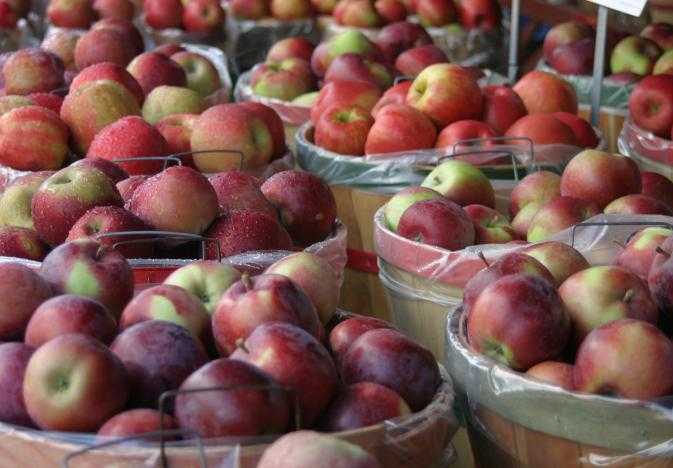
When it comes to packers and shippers of produce products, there are several hurdles to jump over in order to run a business successfully. Packers and shippers have the responsibility of taking the finished product received from the source, and preparing it for its journey to the greengrocer or farmers market, etc. No one cherishes the concept of pinpoint accuracy and precision more than produce packers and shippers. If nothing else, you are dealing with a product that is essentially a ticking t
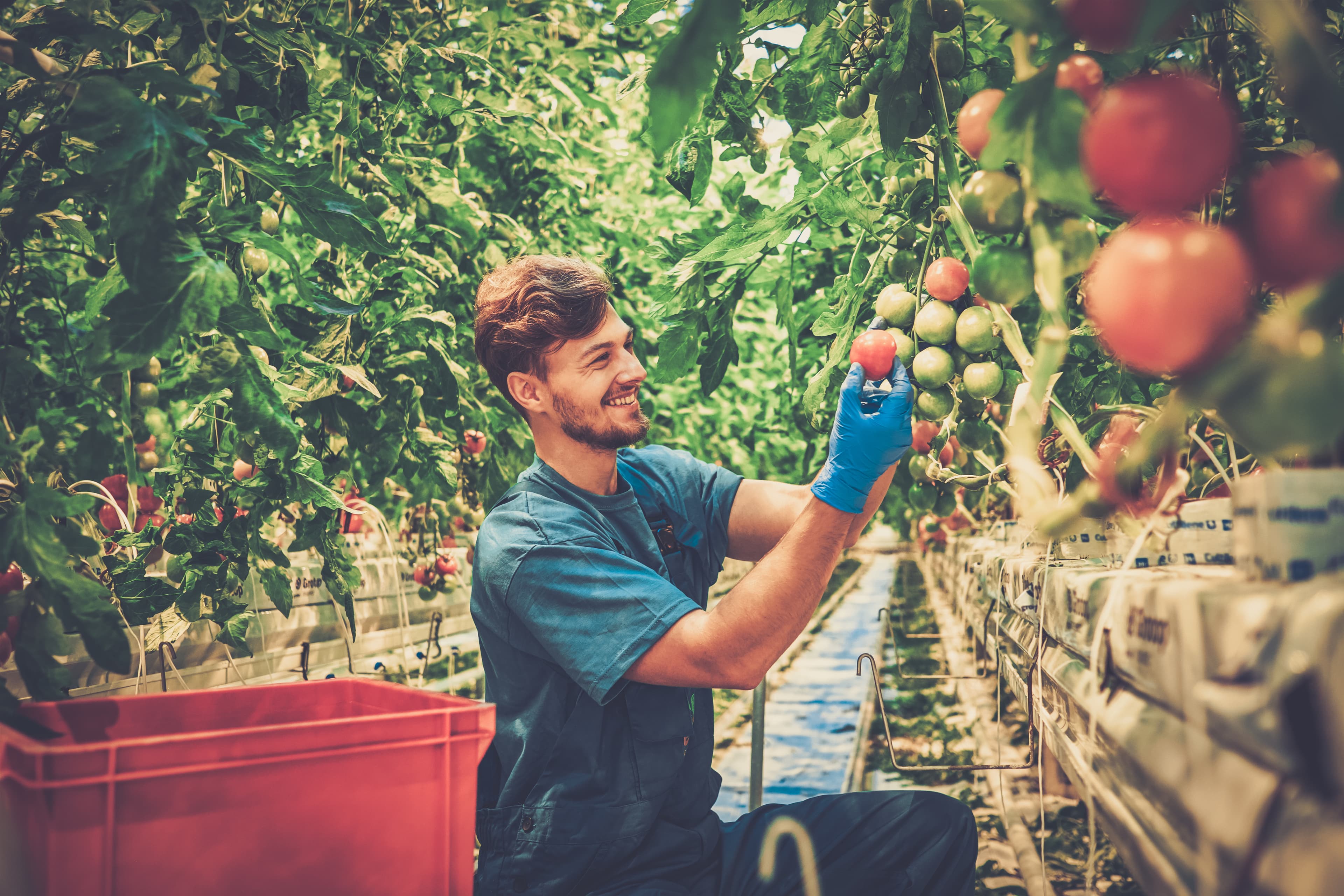
Produce Growers are faced with numerous challenges every sowing and harvesting season. These challenges make it particularly difficult to run a successful business without the help of a top-notch ERP system that can exceed expectations.

Packaging is experiencing a shift in trend. Today, shoppers demand more consumer-friendly packaging that allows them to access their products easier. Consumer packaged goods have always been geared towards consumers’ preferences, so it’s not a surprise that they are answering the call and evolving to meet the demand for convenience.
Some of the biggest hazards facing food manufacturers are obvious, but others are less so. There are many threats that loom over any production line in every factory in the world. Employees in the meat, seafood, and other food processing industries face numerous health and safety hazards while on the production line and need to be cognizant of these threats to perform their jobs safely over extended periods of time.

The original concept for Bio-labels is derived from the desire to separate organic products from non-organic products. Labeling these products as such helps consumers select organic products following a specific standard that promotes sustainability, animal welfare and the avoidance of genetically modified products that some may consider harmful.

There are infinite reasons to adhere to best practices when it comes to food traceability. The food we consume is essential for survival, and that goes beyond just nutrition. Food safety is as important as anything, if not more so. There are several layers involved with food safety. It’s not necessarily all about the response, or often the fallout caused by a foodborne illness of some sort. It can also mean defense against these illnesses taking form in the first place. The first line of defense

The road to a sweeter beverage solution is laden with the remains of failed, and ultimately unhealthy artificial options. With everyone trying to avoid sugar like the plague, the search for the perfect sugar substitute is a never-ending quest. The hope is that eventually our disdain for sugar and its caloric implications will create an evolutionary shift of our palates.
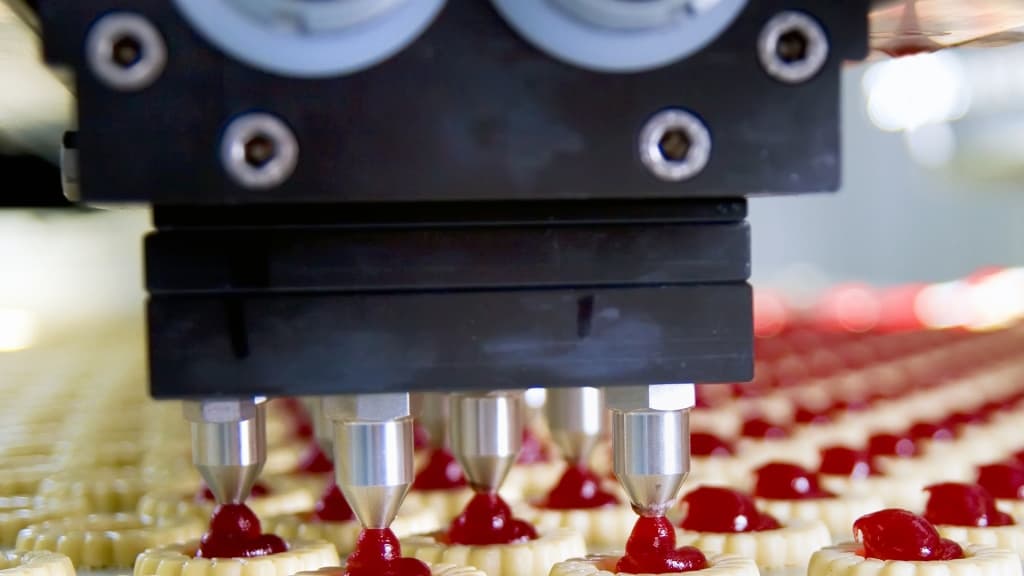
A new year means new trends in regard to the Food production and manufacturing industries. New means of production mean brand new, burgeoning markets that are now just in their infancies. In the interest of looking ahead toward the future, let’s review one of the most anticipated food trends for the year 2019, robotics in the food service and food production industry.
Does anyone really know where their lunch comes from? Should we care? Wouldn’t it be nice if we could start recognizing the taste between cod caught in the Atlantic or the Pacific?
BRC The BRC Global Standard for Food Safety is a system developed by a collective of food industry participants looking to raise the bar for overall food safety and standards. Retailers, manufacturers and food service organizations alike all had a hand in comprising a detailed system for maintaining food safety standards that is easy to understand.
HACCP (Hazard Analysis Critical Control Points) is a systematic, science-based food safety system used by food manufacturers worldwide. Built on 7 core principles, from hazard analysis to verification, it identifies and controls biological, chemical, and physical hazards in food production. This guide explains what HACCP means, how its principles work, and how it connects to FSMA compliance.