
Blog Topic
29 articles


From an off-the-shelf systems integration solution to a supply chain and administrative fixer for operational efficiency, ERP has come a long way in the business world. The past decade speaks volumes of how ERP established itself as a flag bearer of efficiency and success. However just like every technology, ERP systems too needs upgrades to stay relevant.

In the last decade, ERP has become the new normal of the business world and supply chain management the most proprietary offering it brings to the table. One of the pillars of supply chain management is what we call Transport Management System (TMS). This logistic platform helps to plan, implement and optimise transportation of goods with the help of technology. By taking charge of every incoming and outgoing shipment, it not only ensures compliance but also is the epitome of efficiency.

One of the upcoming trends in the world of food ERP is the phenomenon of Catchweight. Catchweight in Lehman’s language is defined as “approximate weight” used by food manufacturers and distributors to manage products where an individual item’s actual weight varies from the standard (quoted) weight.
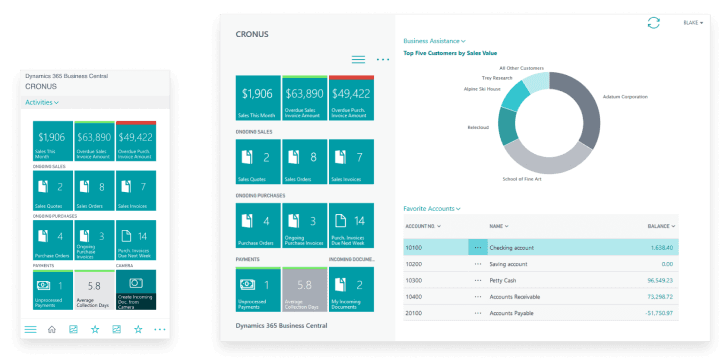
The age-old debate between Business Central and NetSuite has intensified with time. With digitalization, the race to being the best ERP software for businesses across the globe has gone up a notch. With more businesses streamlining their processes, ERP is running wild and it's worth weighing in gold. And so, it all boils down to which ERP solution is better for your business.