
Blog Topic
27 articles
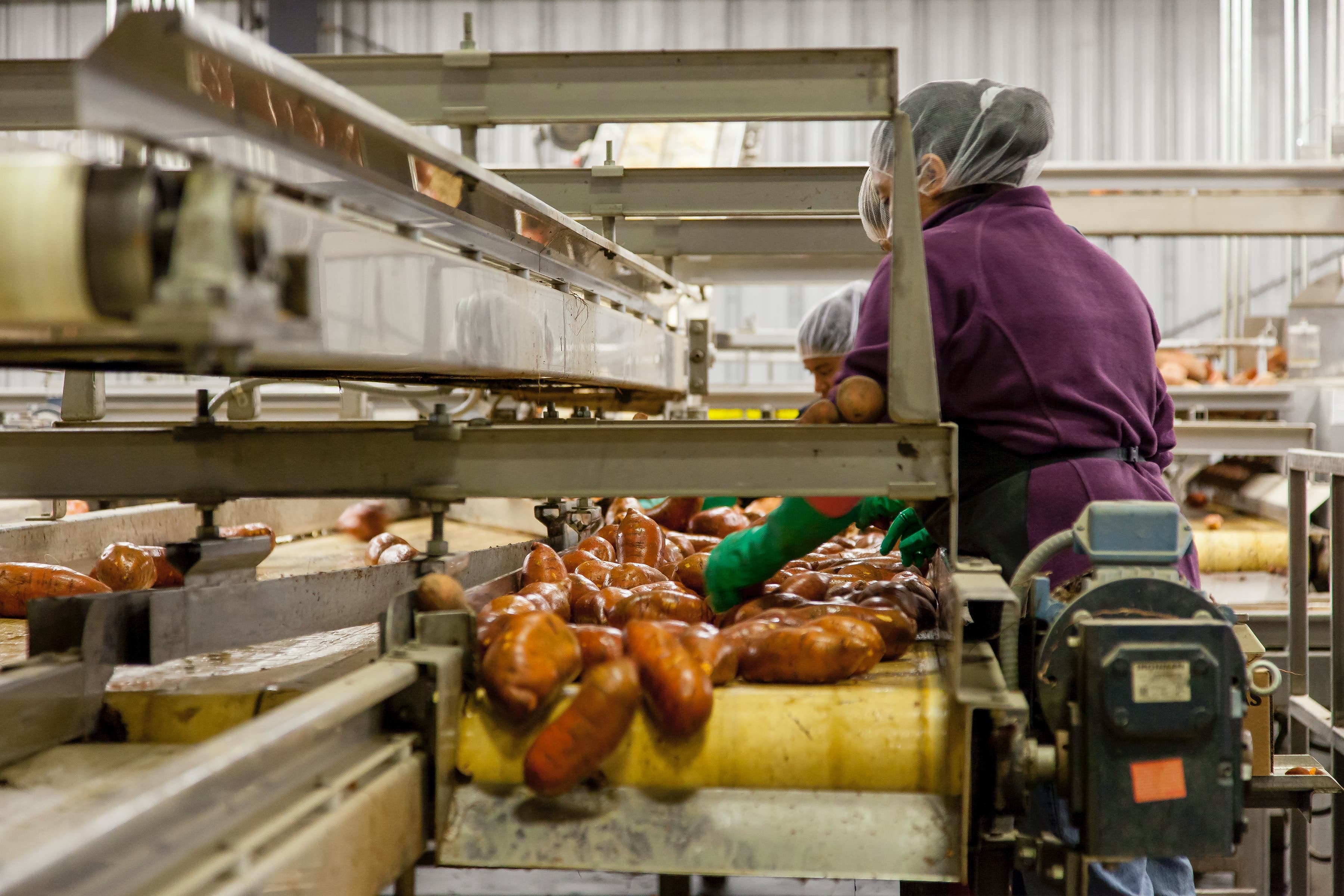
The coronavirus is claiming a massive number of lives in the US, a total of more than what was observed in post-WWII, mass shootings, and terrorist attacks. President Trump continues reiterating multiple times that the US must reopen irrespective of the availability of a vaccine. However, there are millions of essential workers in all states who have been at work during this time, risking their lives to provide us with the comforts of life. Not the least of which is the food manufacturers and fo

The pandemic of coronavirus affected practically every industry of the world in one way or another. Lack of workers due to safety reasons, stressed out supply chains, and shortage of raw materials are few of them. Being the critical and essential industry, the food industry had to adapt to the changes and new guidelines. The incorporation of social distancing and contactless delivery masks and gloves were made compulsory.
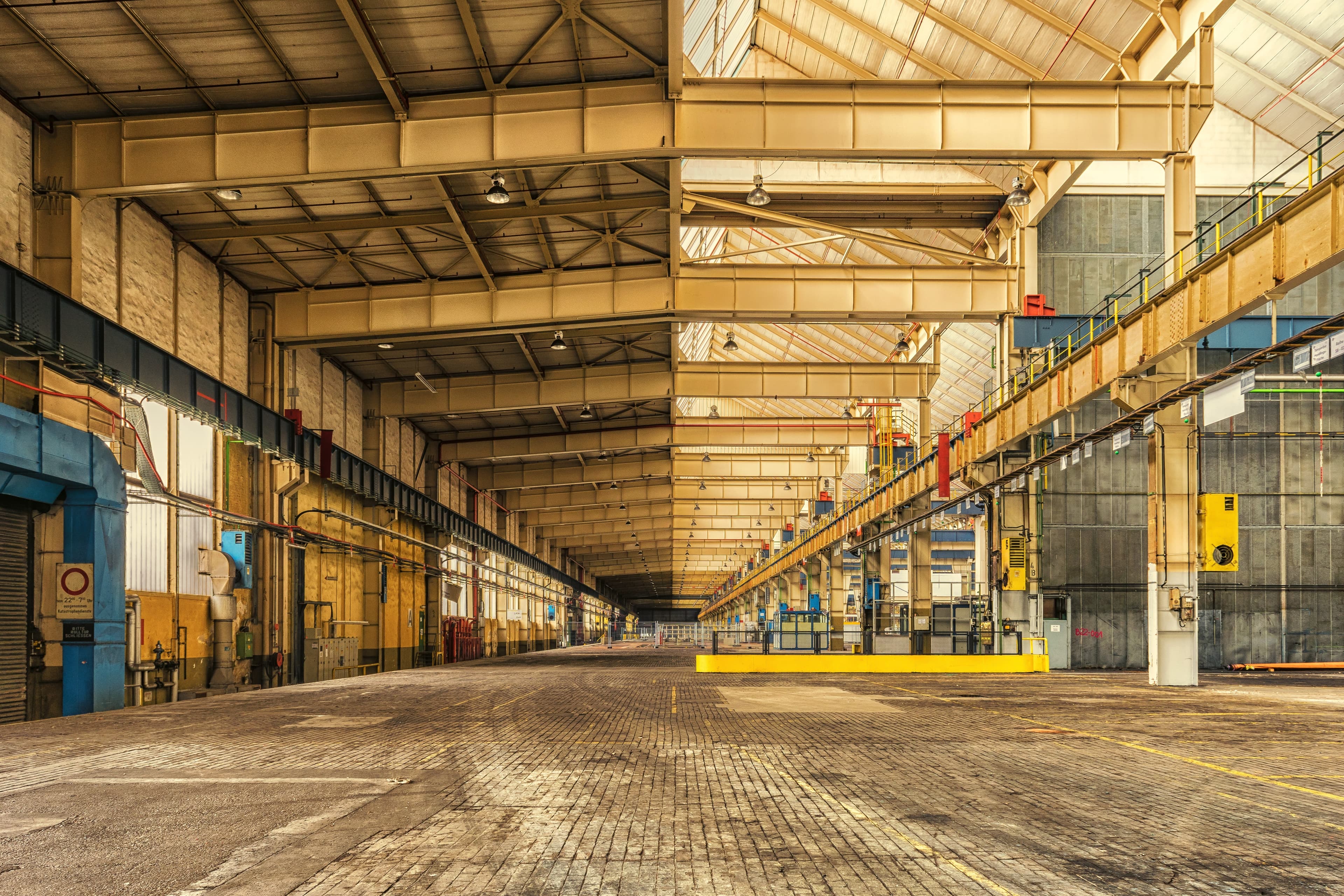
The food industry is one of the biggest industries in the United Kingdom, contributing over 43.7 billion pounds to the country's economy. More than 450,000 employees are working in this sector and this industry is facing a looming crisis currently. Alongside the economic pressure due to the application of Wage regulation, they are expected to lose a lot of factory staff because of the ongoing situation with BREXIT. The majority of the staff and workers working in the food industry are from the E

The pandemic of coronavirus affected every industry in America and around the globe. While the other industries are affected due to being closed down, the food industry is affected because it has to stay functional. The food industry is considered one of the few essential industries, where the food manufacturers are allowed to produce food and the food processors are allowed to process food. Keeping them running doesn’t mean they cannot be affected. They are hit by the lack of workforce due to p
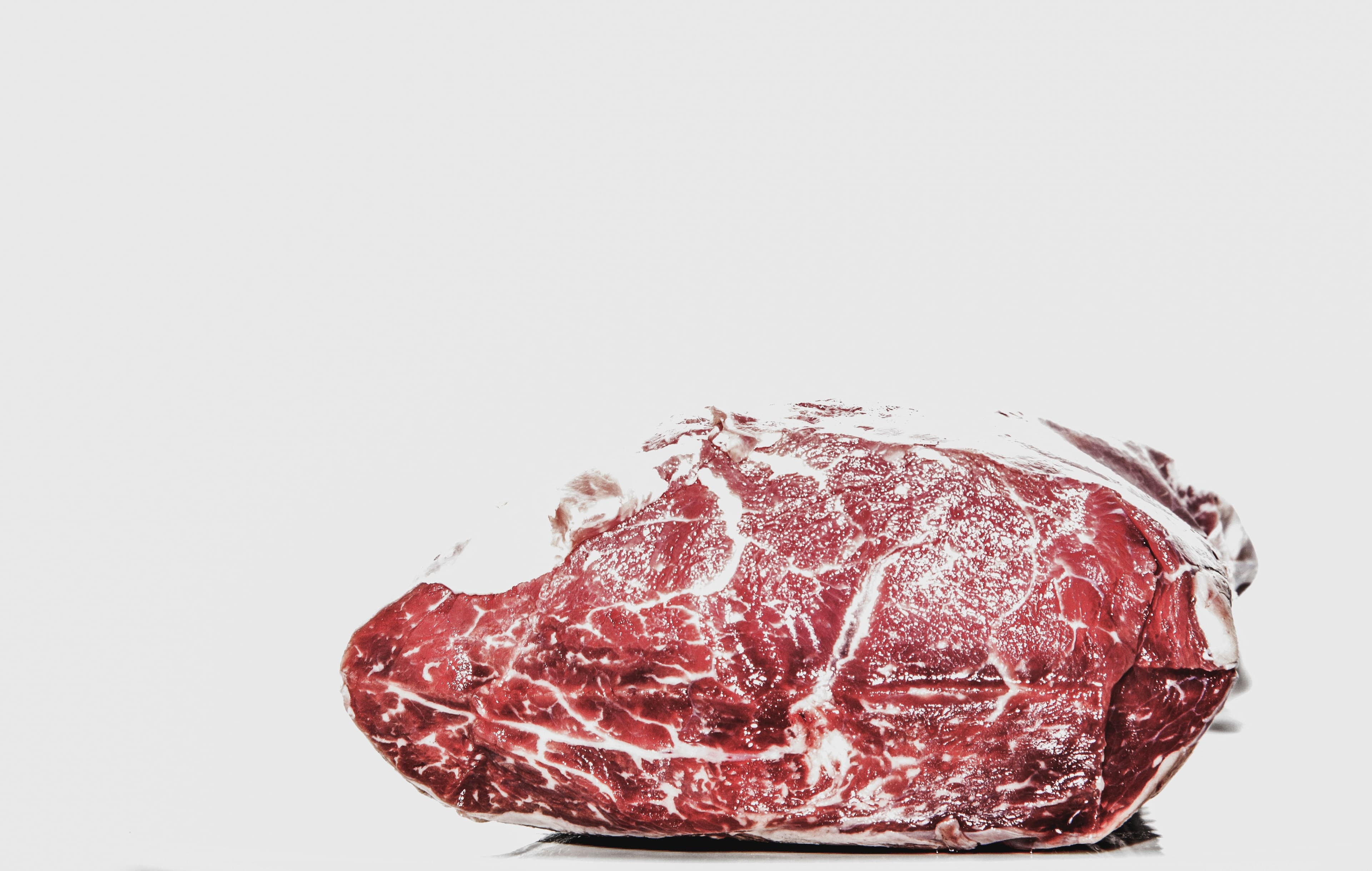
COVID-19 has turned into a pandemic and has practically disturbed every single industry in the world and the American meat industry is not an exception. Iowa is considered the pork-producing capital of America and the situation is getting worse day by day. The meat industry in Iowa is like any other industry in the world. It can’t afford to be completely closed down as there are farmers raising hogs for the meat supply. If the industry stops working, a lot of them will have to be euthanized whic
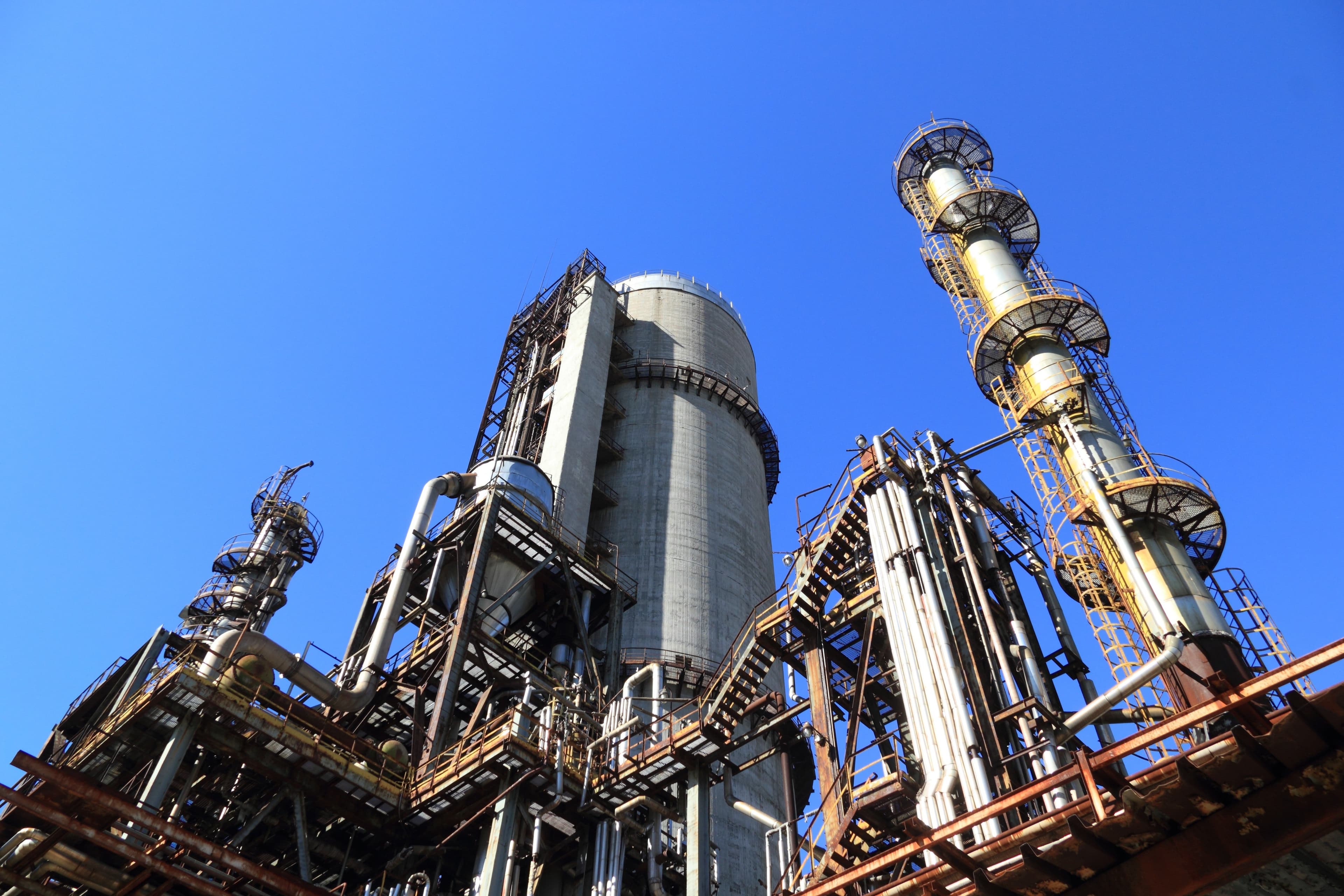
The Treasury and the Federal Reserve are getting ready to use the 500 Billion Dollar fund for severely distressed sectors, a part of the CARES relief act. With the ongoing coronavirus pandemic, many businesses took a hit and are in need of stabilization. 500 billion dollars is a huge amount, the Treasury and the Federal Reserve should use it strategically in order to get the most out of it.
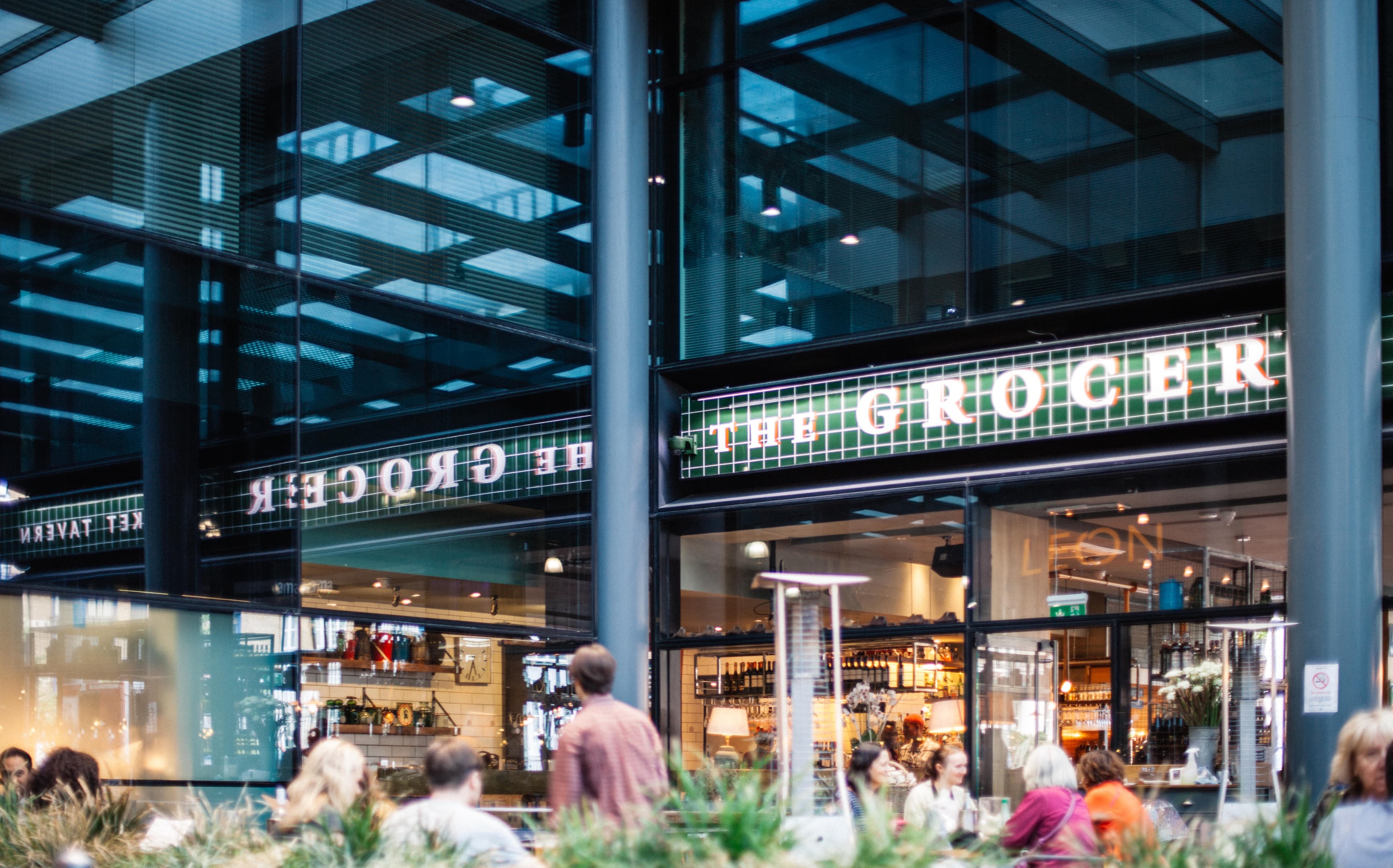
Coronavirus pandemic is disrupting everything in the world, the supply chains are in shock, and logistics are facing all sorts of issues. The countries around the globe are coming to a halt in order to prevent the spread of this virus. Just like all the industries, the food industry is also greatly affected by this. The food supply networks of the world are under a great threat, with food shippers limiting the shipments and food distributors having a hard time to find the proper distribution net
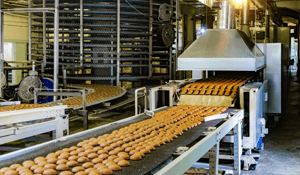
Some of the biggest hazards facing food manufacturers are obvious, but others are less so. There are many threats that loom over any production line in every factory in the world. Employees in the meat, seafood, and other food processing industries face numerous health and safety hazards while on the production line and need to be cognizant of these threats to perform their jobs safely over extended periods of time.

How to Implement FSMA The first order of business for any organization is acknowledging the need to implement and comply with the act. Also, taking inventory of how the company stacks up at the present time is paramount to understanding what needs to be improved in order to become FSMA compliant. Often, companies are already in compliance with other food safety programs such as HACCP, with the FSMA being a “catch-all” for all programs under the food safety umbrella. As far as implementation goes
BRC The BRC Global Standard for Food Safety is a system developed by a collective of food industry participants looking to raise the bar for overall food safety and standards. Retailers, manufacturers and food service organizations alike all had a hand in comprising a detailed system for maintaining food safety standards that is easy to understand.
HACCP (Hazard Analysis Critical Control Points) is a systematic, science-based food safety system used by food manufacturers worldwide. Built on 7 core principles, from hazard analysis to verification, it identifies and controls biological, chemical, and physical hazards in food production. This guide explains what HACCP means, how its principles work, and how it connects to FSMA compliance.
In recent years, food safety compliance and regulations have become more and more strict, and for good reason. With the introduction of the Food Safety Modernization Act, the FDA has issued several mandates in which all of those who toil in the produce industry must abide by.