
Blog Topic
32 articles
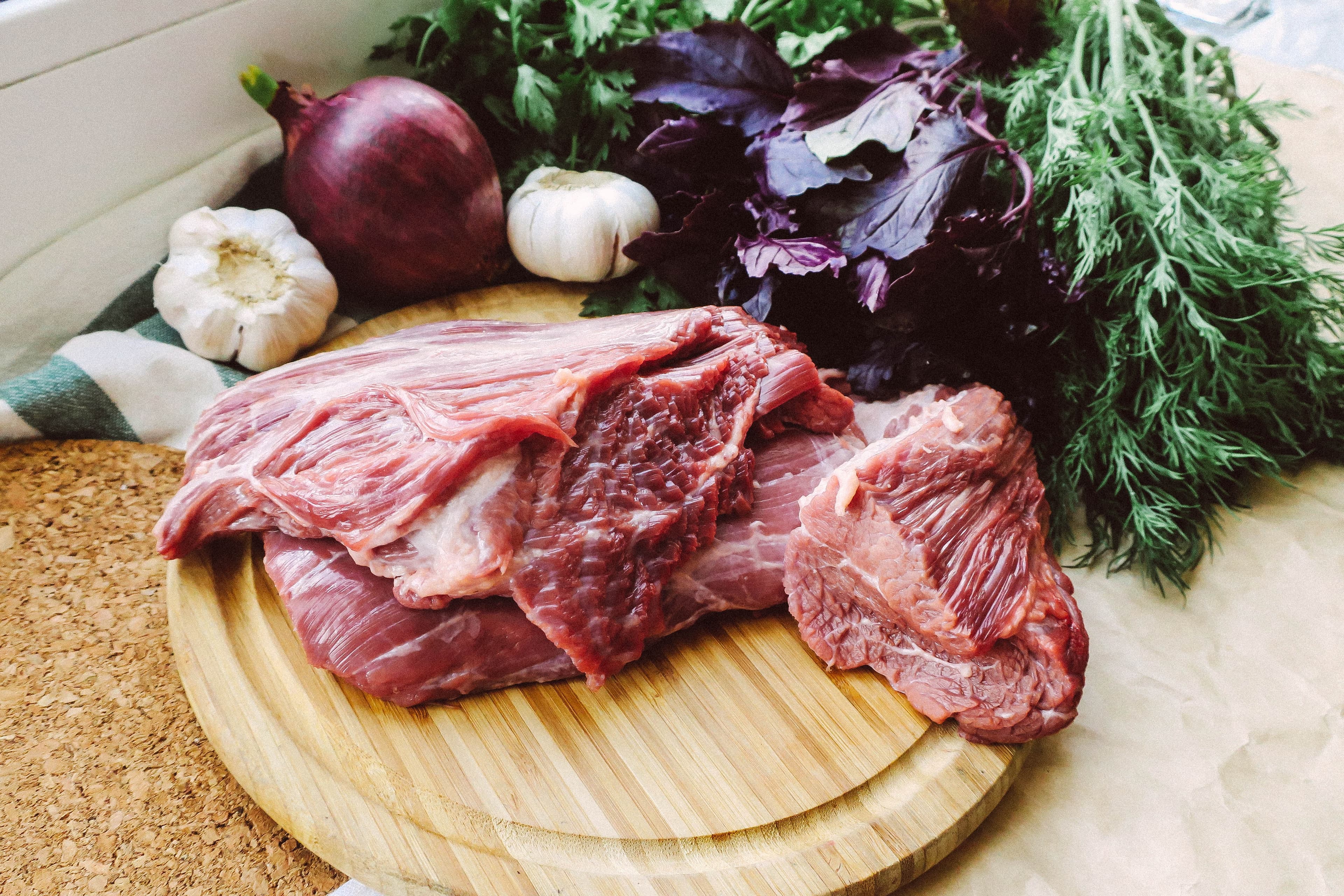
The meat processing industry is one of the core elements of the American manufacturing and distribution network. Despite financial instability in the pre-pandemic era, the level of demand continued to be level, mainly due to the amount of financial assistance that Americans were receiving to offset the effects of market volatility. As financial relief packages come to a close, the meat market suffered limited effects. Looking forward to 2022, we explore what the meat manufacturing and production
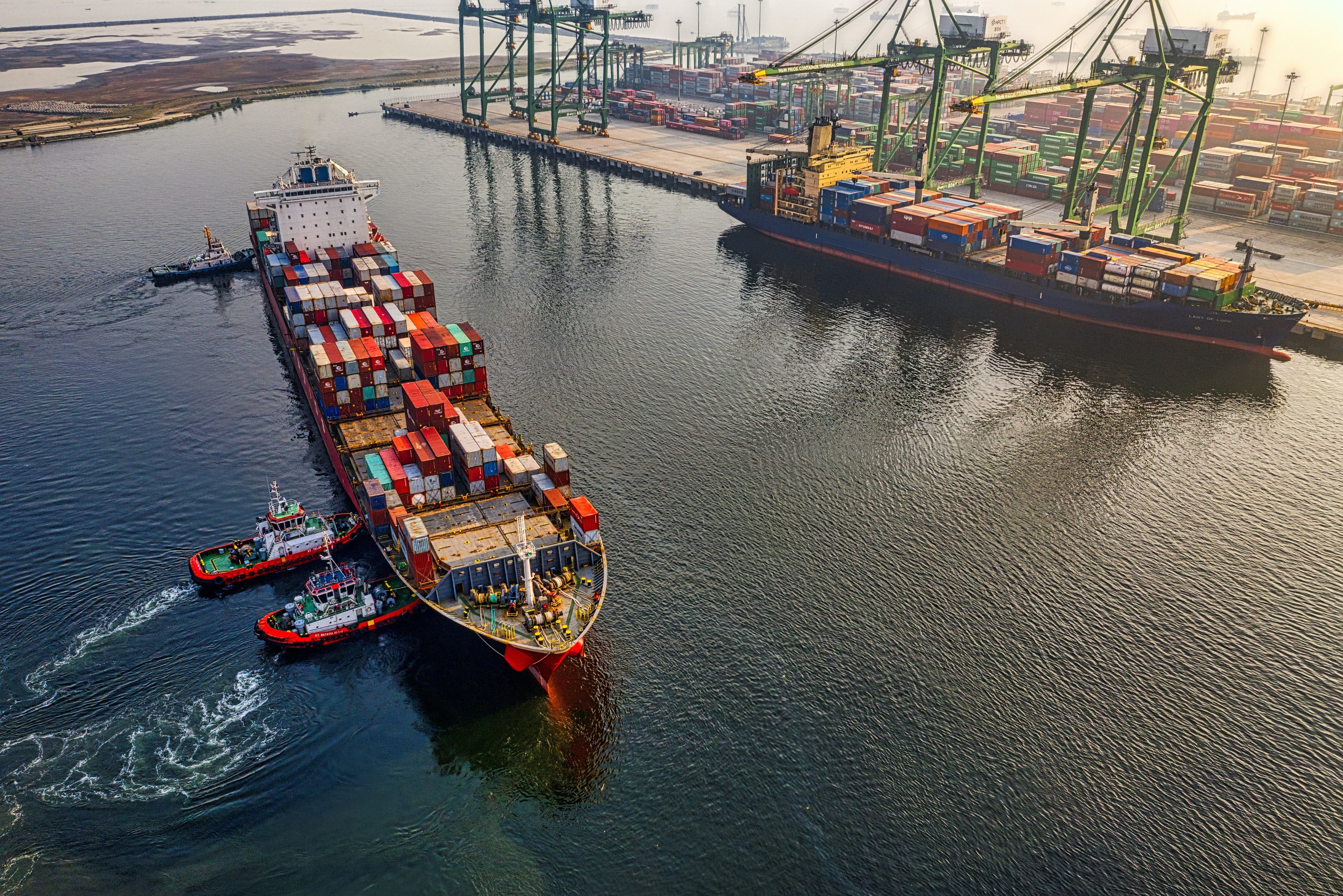
As we round the corner on the most tumultuous two-year period the food and beverage supply chain has ever seen, it’s become evident that this will be another year of learning. Due to the Russian-Ukrainian conflict and other such issues, the global chain is beginning to buckle and break under pressure, sanctions, and other delays. While this has left many industry leaders reeling, it also has provided several worthwhile lessons that businesses can apply to their side of the space. Below, we’re ex

Food and beverage manufacturers are always looking for the next big “thing” to create a breakthrough within the industry. Trends sell, and manufacturers must keep their fingers on the pulse of culture, preferences, and consumer purchase profiles to understand how exactly they can strategize their next big launch. One of the greatest examples of this lies in one of America’s oldest imported drinks: Vodka.
![Supply Chain Planning Software: What It Is & How to Choose [2026 Guide]](/_next/image?url=https%3A%2F%2Fzqvyaxexfbgyvebfnudz.supabase.co%2Fstorage%2Fv1%2Fobject%2Fpublic%2Fblog-images%2F70ef00ac-pexels-emre-vonal-7712535.jpg&w=3840&q=75)
Supply chain planning software helps food manufacturers forecast demand, plan inventory levels, and automate procurement decisions. This guide explains what it does, how it differs from ERP and MRP, and what features to look for.
After having great success with food manufacturers and distributors in North America, Inecta has expanded its reach to the UK and ANZ regions. With the high demand for its software in the underserved regions, it became necessary to hire local support and implementation staff.
In 2020, with the height of the pandemic in focus, it is critical for food processors and producers to adhere to strict food safety regulations. One of the most important food safety programs available is the HACCP.

The current pandemic has spurred food producers to find better ways of keeping up with the demand created by shortages or food plant shutdowns. The technological advancements needed to stay relevant during COVID-19 have opened up new opportunities for the food and drink industry.
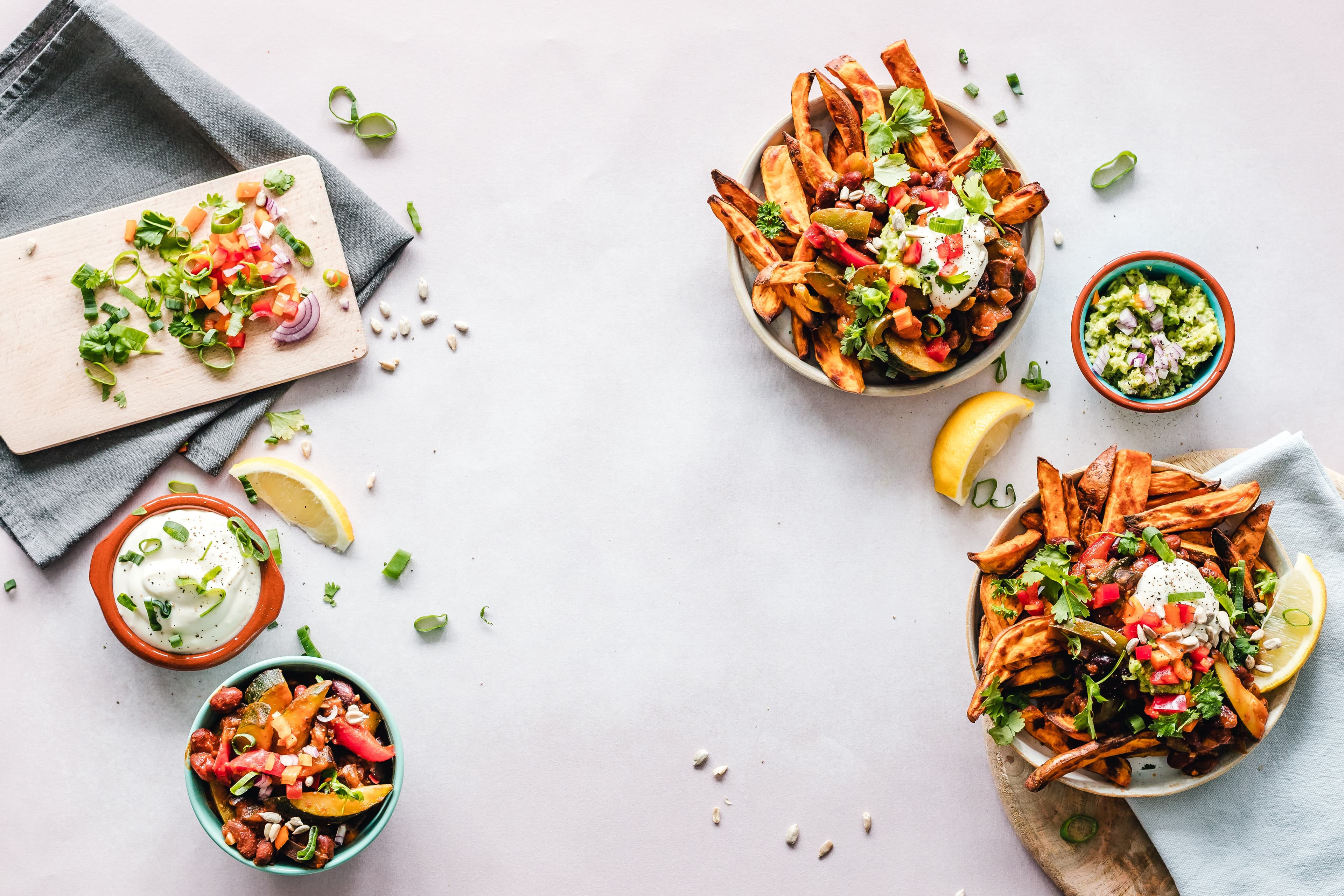
A new report on the state of the food industry that reflects the past three years has shown tremendous growth in the sector. The food industry has seen a 10.7 percent increase since 2017. The overall sales number for the industry reached $158.4 billion, even including the fallout from the current pandemic.
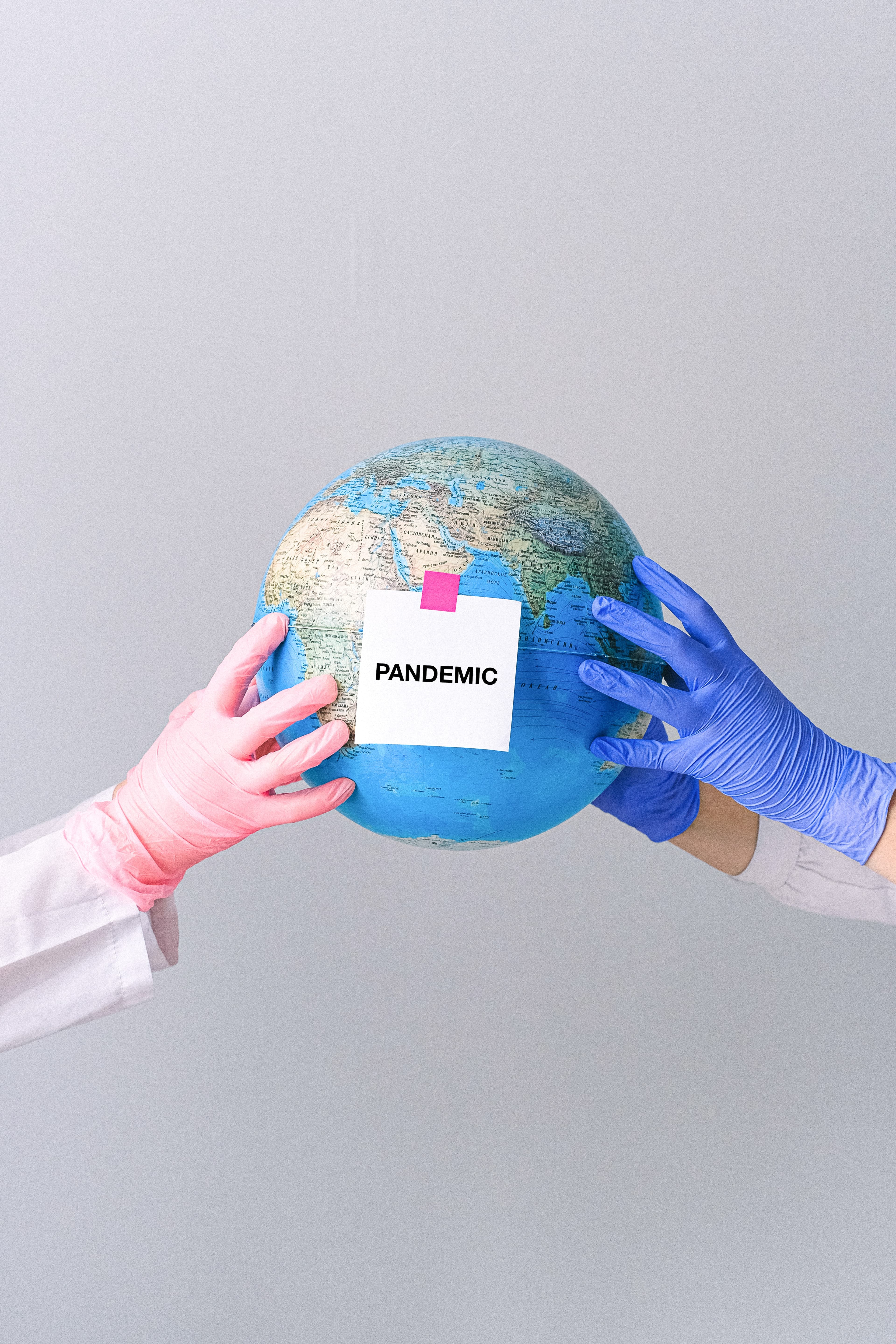
The COVID-19 pandemic has severely impacted the food production industry here and abroad. Whether through social distancing observation or lack thereof, COVID-19 has become an unavoidable obstacle, causing food production to stagnate and the restaurant and hotel industry to suffer. The meat industry alone has seen many factories close down all over the world, including Germany, the Netherlands, and the United Kingdom. According to data from project Unearthed, over 37 virus outbreaks have been re
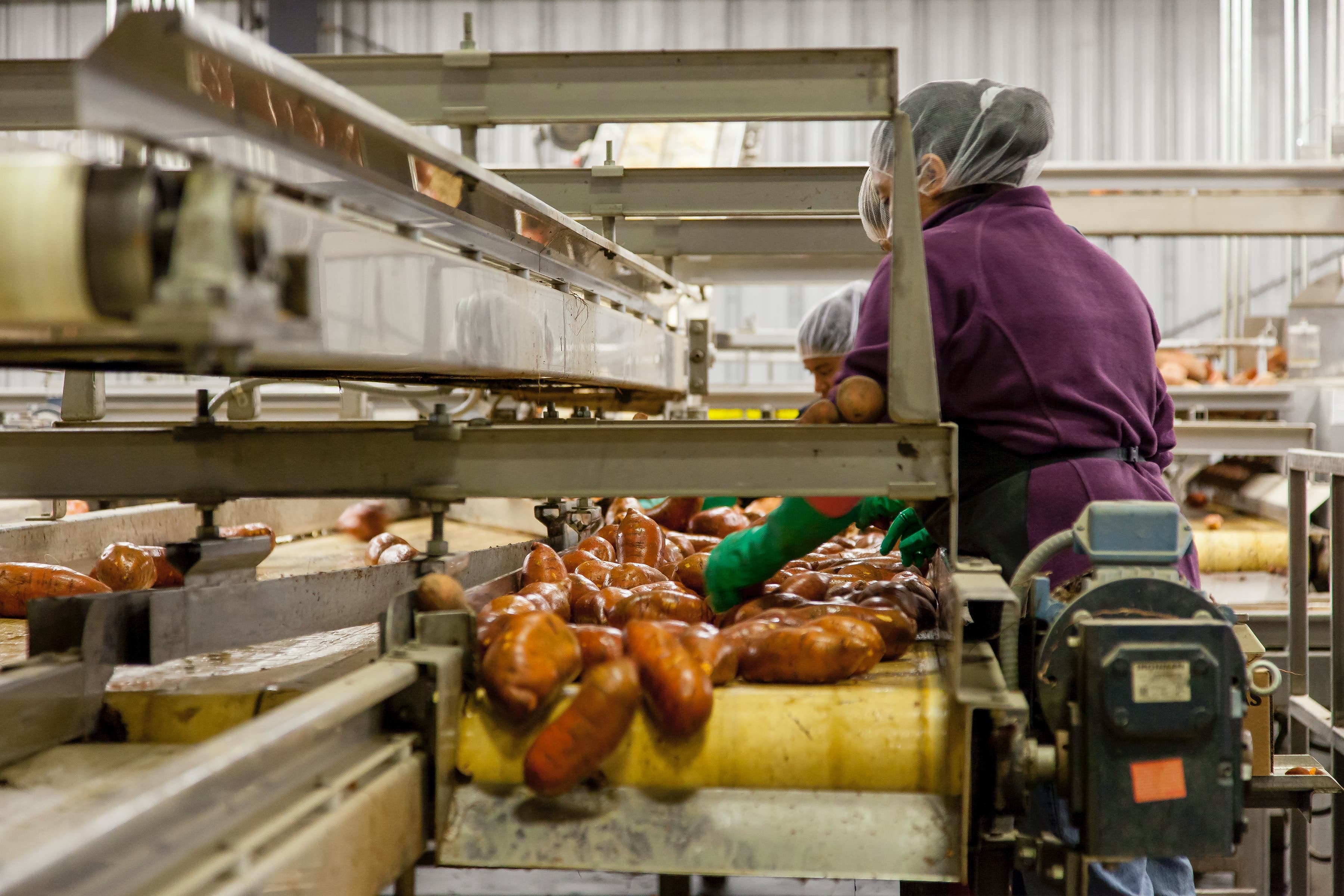
The coronavirus is claiming a massive number of lives in the US, a total of more than what was observed in post-WWII, mass shootings, and terrorist attacks. President Trump continues reiterating multiple times that the US must reopen irrespective of the availability of a vaccine. However, there are millions of essential workers in all states who have been at work during this time, risking their lives to provide us with the comforts of life. Not the least of which is the food manufacturers and fo

The coronavirus pandemic caused a lot of disruptions in the food supply chains, especially the food manufacturers and produce manufacturers faced a lot of difficulties in gathering the required raw materials and enough labor. The food and produce suppliers were unable to meet the demands and the whole situation can be labeled as a crisis.

The pandemic of coronavirus affected practically every industry of the world in one way or another. Lack of workers due to safety reasons, stressed out supply chains, and shortage of raw materials are few of them. Being the critical and essential industry, the food industry had to adapt to the changes and new guidelines. The incorporation of social distancing and contactless delivery masks and gloves were made compulsory.