
Blog Topic
51 articles
![Manufacturing Management Software: A Buyer's Guide for Food Companies [2026]](/_next/image?url=https%3A%2F%2Fzqvyaxexfbgyvebfnudz.supabase.co%2Fstorage%2Fv1%2Fobject%2Fpublic%2Fblog-images%2Faf44ac32-pexels-sora-shimazaki-5673502.jpg&w=3840&q=75)
Manufacturing management software helps food companies plan, execute, and track production. This guide compares ERP, MES, and MRP systems, explains what food manufacturers specifically need, and outlines how to evaluate options.
![Supply Chain Optimization: A Complete Guide for Food Manufacturers [2026]](/_next/image?url=https%3A%2F%2Fzqvyaxexfbgyvebfnudz.supabase.co%2Fstorage%2Fv1%2Fobject%2Fpublic%2Fblog-images%2F54cb6adf-pexels-elevate-1267338.jpg&w=3840&q=75)
Supply chain optimization helps food manufacturers reduce costs, prevent stockouts, and build resilience across procurement, production, and distribution. This guide covers the key pillars, metrics, and technology that make it work.

Are you considering a technical upgrade for your food and beverage business in 2023? Having the most comprehensive and competitive solution available is a fantastic way to boost your revenue potential and brand authority – giving your customers and team members a seamless experience with every interaction. The question is: What should a food manufacturing system in 2023 include?

Outbreaks and illnesses tied to some of our most mass-produced food have become commonplace in 2022, putting consumers on high alert regarding their food’s quality and origins. Business owners in the food industry can use this as an opportunity to build brand awareness and loyalty by implementing a high-quality food manufacturing software option at every point in their business.
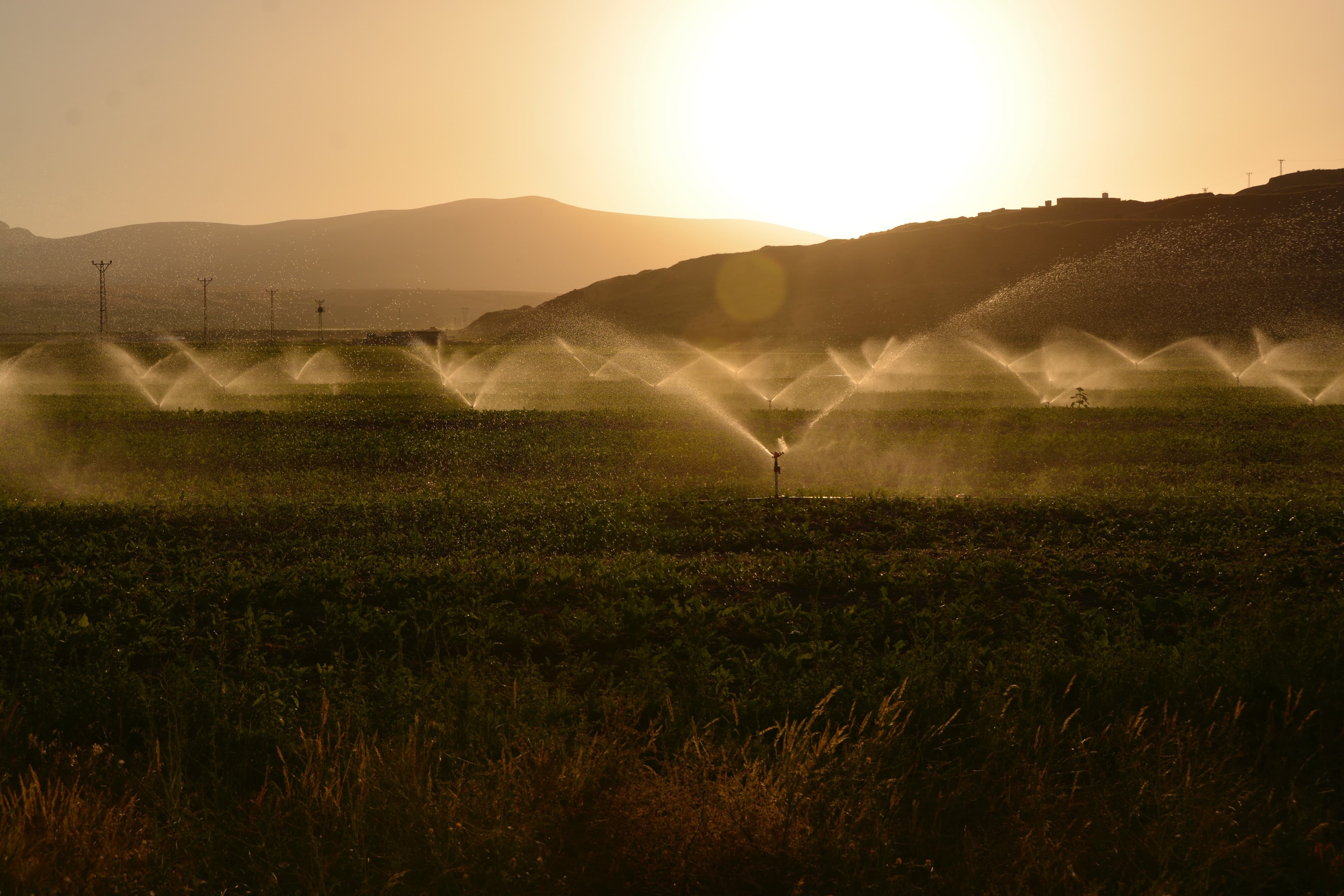
Sustainability is one of the most common trends that food and beverage manufacturers are seeing in 2022, and with the current drought conditions in the Southwestern states, the timing couldn’t have been better! However, with this renewed focus, many business owners are left with the task of simultaneously updating and innovating their current irrigation systems.

As a growing organization, you may find that it’s hard to stay agile and relevant in this evolving industry. As new technology emerges, food and beverage manufacturers must adapt to it and stay up to date with industry dynamics.

The food industry is a dynamic part of the economy that has seen significant innovation within the last decade. Those in the industry have developed many different ways to improve operational efficiency, increase the bottom line, and retain satisfied customers.
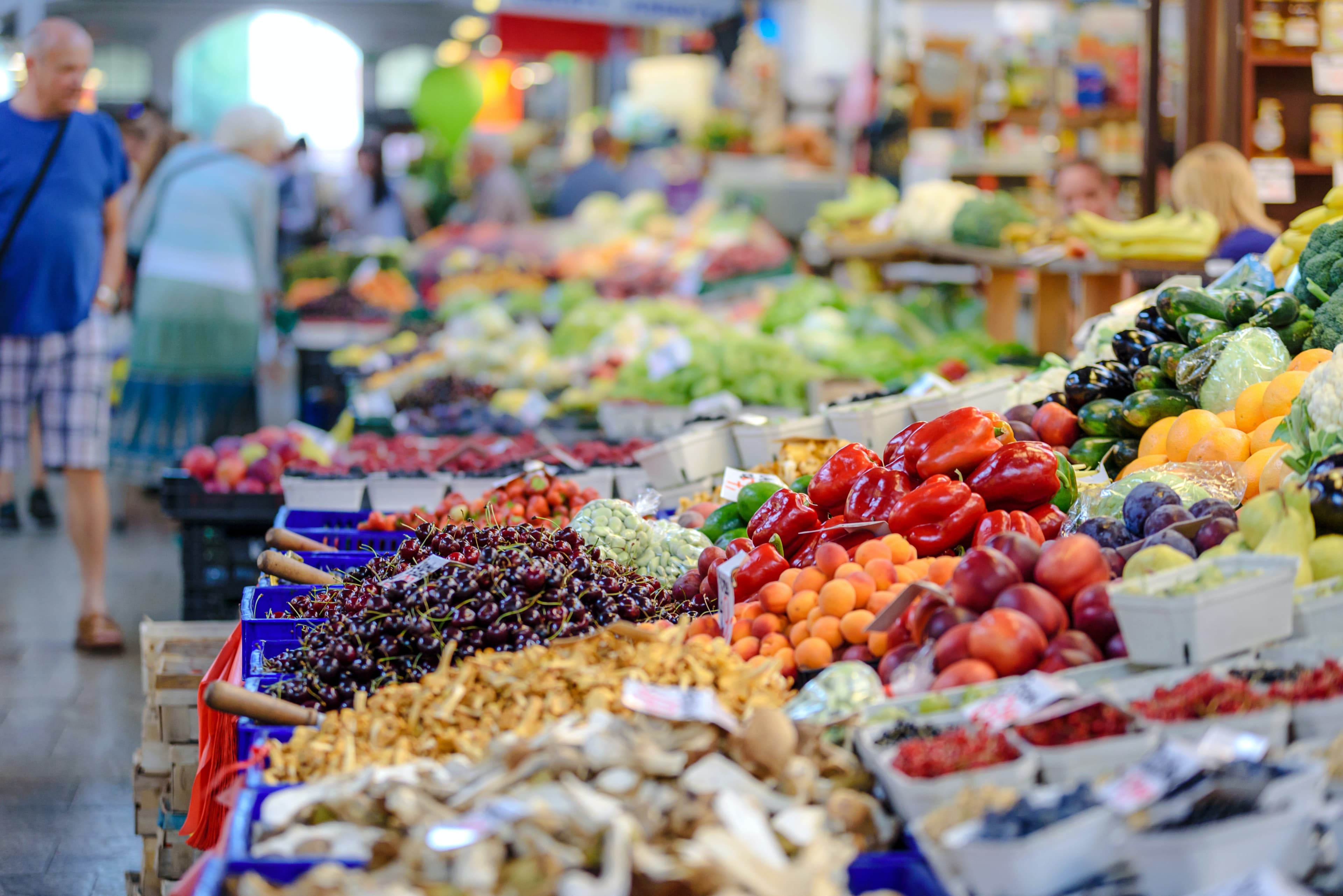
As a produce trader, you face many different challenges in the day-to-day operations of your business. Issues like thin margins, inaccurate reporting, and old business systems are headaches that almost all traders experience.

No matter the size of your organization, you'll always need someone to manage your IT infrastructure for your business to run efficiently and safely. From data storage to managing passwords and hardware, having a managed service provider (MSP) will ensure that your data is safe and that you can continue to focus on the most critical aspects of running your business.

The past few years have been redefining the norm for food and beverage manufacturers around the world, putting in place new challenges and opportunities for process iteration and refinement. The recent global wheat and sugar shortages have created ripple effects up and down the food and beverage industries at a global scale, and will likely continue to further disrupt the normal function and flow for at least the next quarter or two. While the immediate response to this may be concern, fear, or
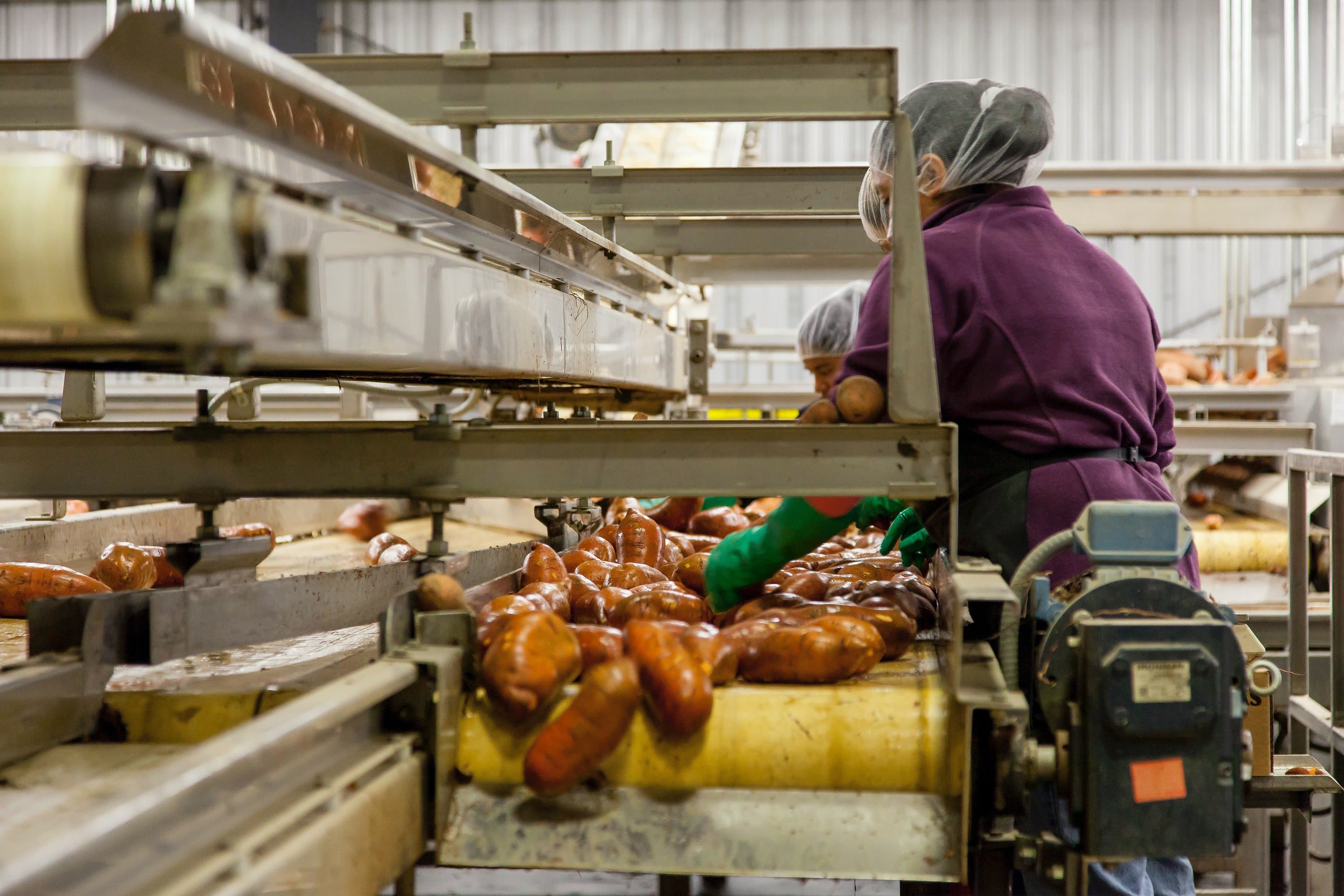
As you’ve probably seen in your area of business, there are a thousand different paths that you can take to arrive at the same destination. The same can be said for the manufacturing process for your favorite food and beverages, bringing the products you’ve created that America loves to tables around the country. Understanding the manufacturing process and all of the moving parts involved can help you to further refine your process and reach new levels of efficiency and productivity in the produ

Digitalization and technological advancement have completely reshaped the way that we see food and beverage production and manufacturing. With so many rapid shifts and changes across the industry, it’s left many with a singular question: What is the future of food manufacturing in 2022?