
33 articles

The “Spring” season also known as springtime which succeeds winter and precedes summer is one of the best times for cultivation as it provides us with favorable conditions such as:

Gone are the days when grading, sorting and packaging were done with labor intensive techniques. With operational efficiency being the name of the game, egg producers too have had to adapt to the new norm of Food ERP.

In the quest for quality food served at the consumer's plate, one of the trends that have swept across the seafood processing industry is Quality Control (QC). In hindsight, Quality Control is a process through which seafood processors seek to improve food quality.

One of the up-and-coming trends in the world of operational efficiency is Lot management via seafood ERP. In Layman's language, lot management is a system that enables inventory management before, during and after storage. A lot here refers to a batch of inventory received, stored and shipped from a warehouse to a designated location with specific dates and times.

To keep up with the dynamic changes in the global seafood trade there is a need for better management of warehouses. It is to facilitate this need that the warehouse management system (WMS) comes into play.

With food regulatory bodies taking huge strides in their quest for compliance, food safety is now of primal importance making Food ERP a prerequisite. One of the pillars of Food ERP is quality control, a process to eliminate defects and avoid them from being released for use. Thus, each and every ingredient of an item has to adhere to the quality standards at all points from the manufacturing facility to a customer’s table. How to attain Quality Control? The only means to attain effective qualit
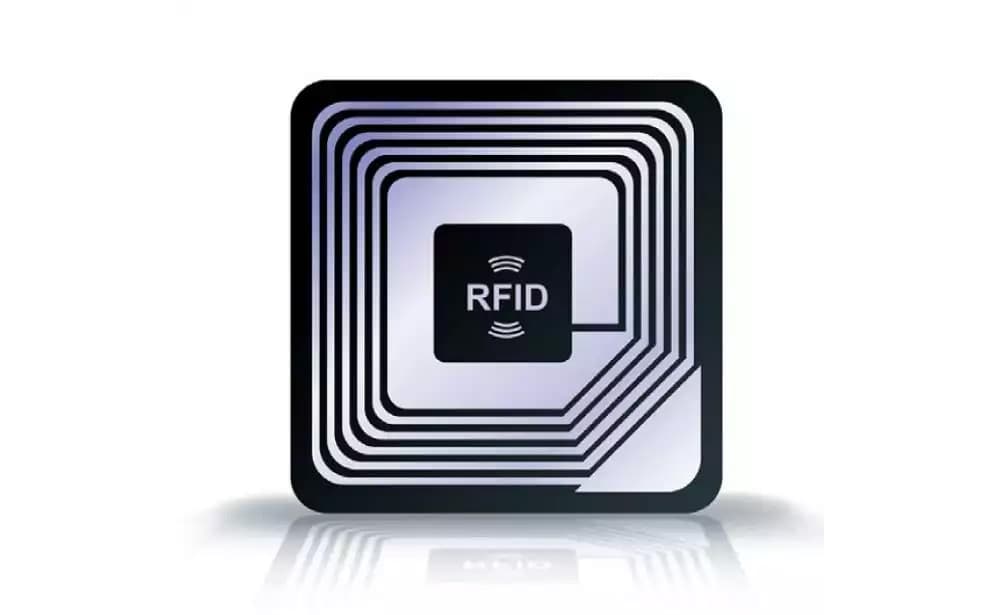
One of the up and coming technologies in the world of operational efficiency is Radio Frequency Identification (RFID). RFID is a know-how leveraging radio waves to unreceptively identify a tagged object.

With a pandemic on the loose, food safety has become the new norm and the onus of this lies on the produce packers and shippers of the world. Having said that, the road to food safety is not a walk in the park with regulatory and inventory setbacks being the new normal in the produce industry. This in-turn is the reason produce packers and shippers are unable to sustain profits and eventually go out of business.

Just like a coin, ERP implementation has two sides to it. Depending on a host of factors like the size of a firm, the customizations needed and the Microsoft partner chosen a seafood trader can determine whether the ERP system installed is an investment or an expense.
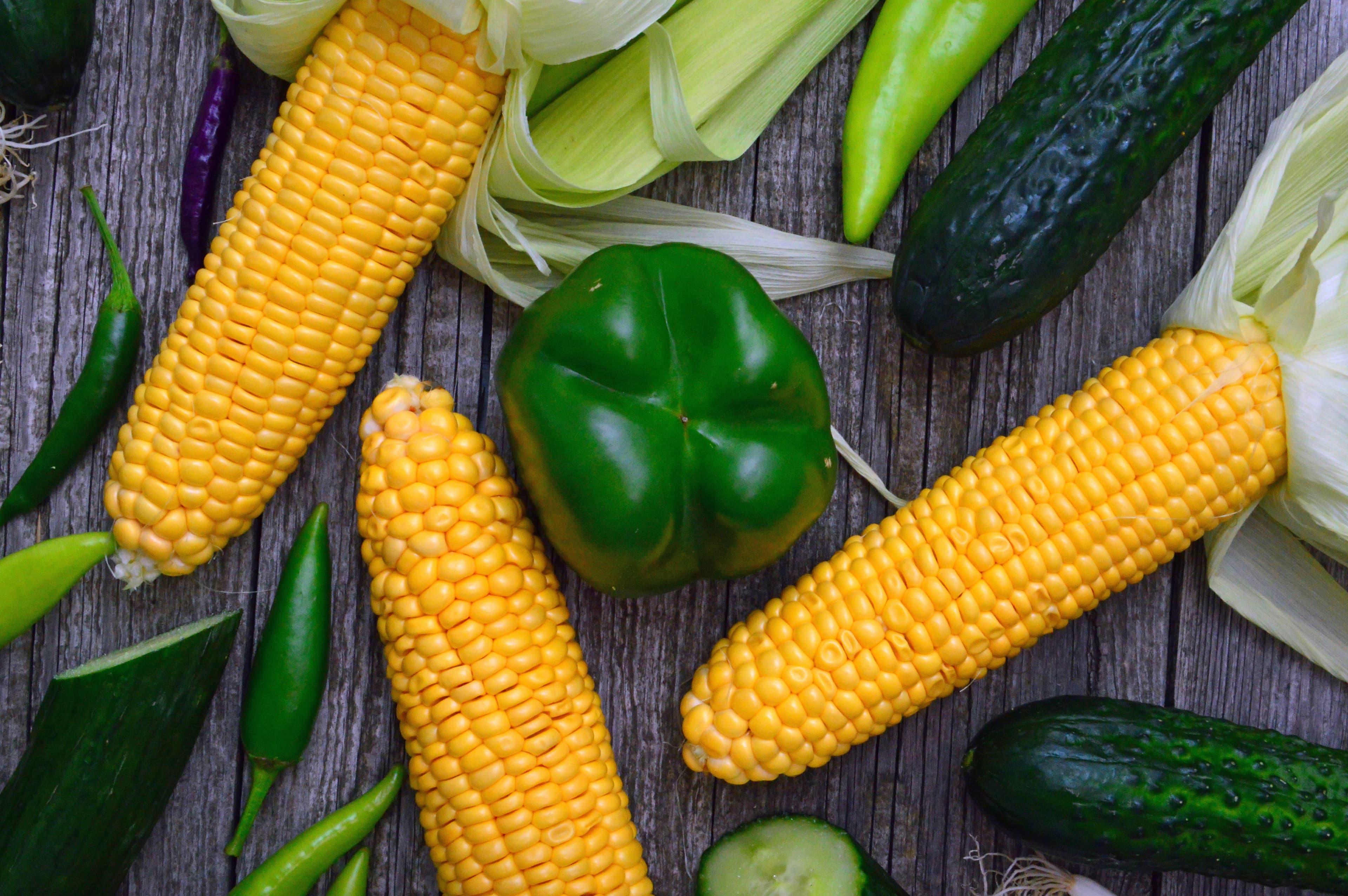
It is no secret that in the produce industry, operational efficiency is what differentiates the best from the rest. This is why produce ERP sells like hot cakes among the produce packers and shippers and has its weight worth in gold. For, more and more produce packets and shippers are getting attracted to the discipline by the desire to integrate and consolidate management information and monitor real-time data at all times.

With operational efficiency being the golden goose of the produce industry, produce ERP also referred to as the PPS solution is selling like hot cakes among the produce packers and produce shippers of the world. With food safety regulations breathing down the necks of produce packers and shippers alike, inventory management has emerged as the only means to survive.

Traditionally seafood traders were reluctant to invest in seafood ERP as it was considered to be an expense with insignificant returns making it a luxury only high end seafood traders could afford.