
Insights and guides for food industry professionals, from ERP implementation to supply chain optimization.

Warehouse Management System (WMS) software is an essential tool for efficiently managing and controlling the operations and processes within a warehouse or distribution center.

To determine the best WMS for your business, consider factors such as your industry, warehouse size, budget, scalability, integration capabilities, and specific operational needs.
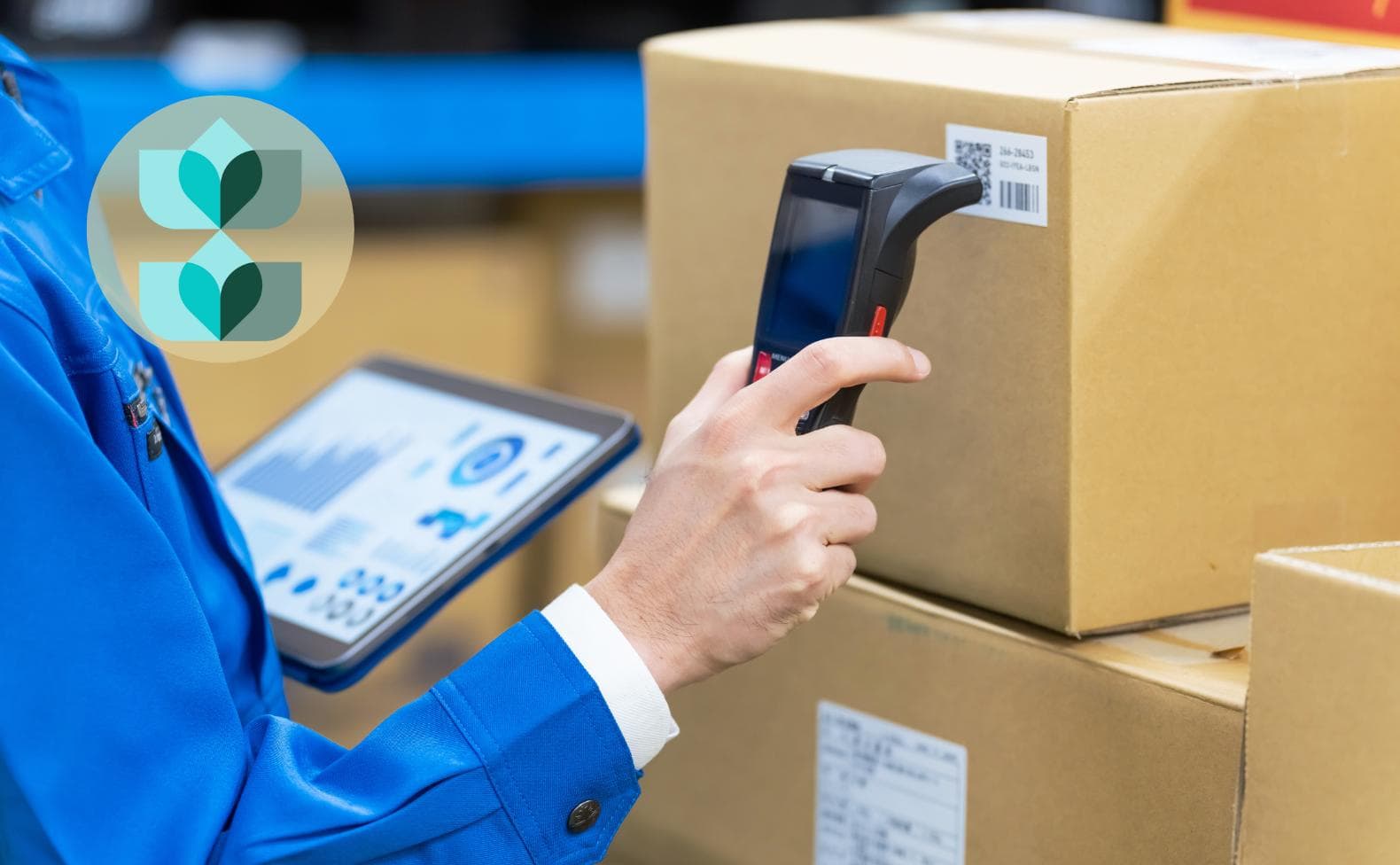
inecta's ERP specialists often field questions regarding warehouse management software cost, which led to the creation of this article in the hopes of informing our customers. Warehouse management systems (WMS) are essential tools for businesses to effectively manage inventory and streamline operations in warehouses, storage facilities, and distribution centers. However, determining the cost of implementing a WMS can be a complex task. In this comprehensive guide, we will explore the various fac

In today's fast-paced world of supply chain management, having an efficient and effective warehouse management system (WMS) is crucial for the success of any organization. A WMS is a software solution that helps businesses manage and optimize their warehouse operations, from inventory tracking to order fulfillment. With numerous options available in the market, it's important to know what to look for when choosing the right WMS software for your business needs. In this guide, we will explore the

Distribution Requirements Planning (DRP) determines when, where, and how much inventory to move across a distribution network. This guide explains the DRP calculation, how it differs from MRP, and how food distributors apply it across multi-location operations.

Material management software refers to a type of software application that is designed to streamline and optimize the processes related to managing materials within an organization. It provides tools and functionalities to effectively handle various aspects of material management, such as inventory control, procurement, warehouse management, and supply chain operations.

In today's fast-paced business environment, organizations must ensure the smooth functioning of their operations. One aspect that plays a significant role in achieving this is Maintenance, Repair, and Operations (MRO). However, the definition of MRO is not always clear to everyone, and its importance is often underestimated. In this comprehensive guide, we will dive deep into the concept of MRO, its various types, and its significance in the success of a business.

Sales forecasting software, a critical tool for businesses, harnesses data to allow companies to make informed, data-driven decisions, predict future sales accurately, and align with business goals. These platforms anticipate sales revenues, guiding inventory management, budget allocation, and the shaping of marketing and sales strategies. Advanced features such as machine learning and AI algorithms in these tools refine forecasting accuracy and reliability, enabling precise planning and provid

Logistics software has become an indispensable tool for businesses seeking to streamline their processes, optimize performance, and stay competitive in an ever-evolving market. In this comprehensive guide, we will dive deep into the world of logistics software, exploring its benefits, features, and the impact it can have on your business.
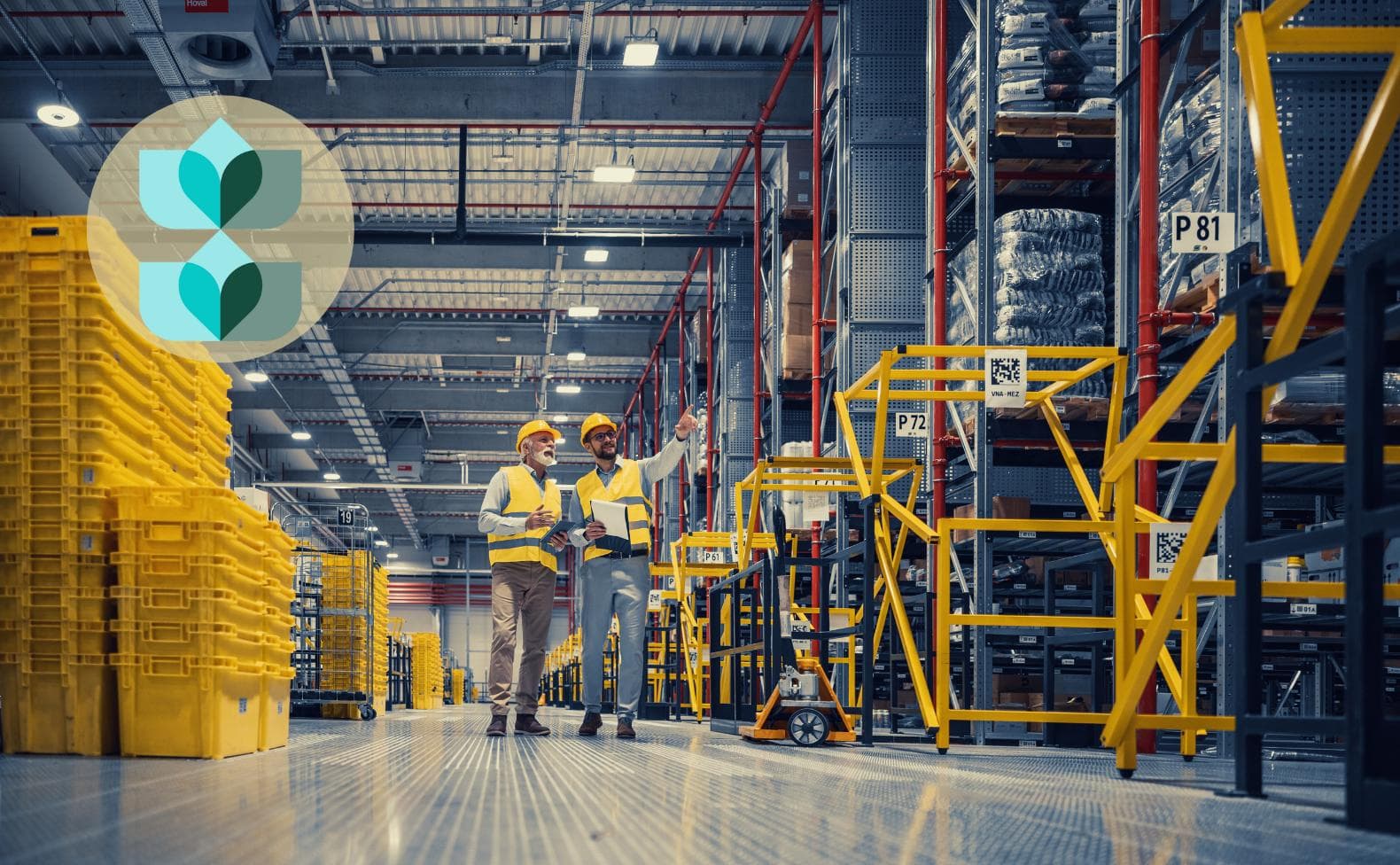
In the modern business landscape, supply chain optimization has become critical in ensuring a company's success and growth. As businesses strive to meet customers' evolving demands and stay ahead of the competition, an efficient and optimized supply chain can be the key to achieving these objectives. In this comprehensive guide, we will delve into the concept of supply chain optimization, its importance, the various phases involved, and the benefits it can bring to your organization.

What Is Discrete Manufacturing? Discrete manufacturing refers to the production of distinct items or products that are easily identifiable and separate from each other. It involves the assembly of individual components or parts to create finished goods. In this type of manufacturing, the output is tangible and countable, with clear boundaries between each unit produced.
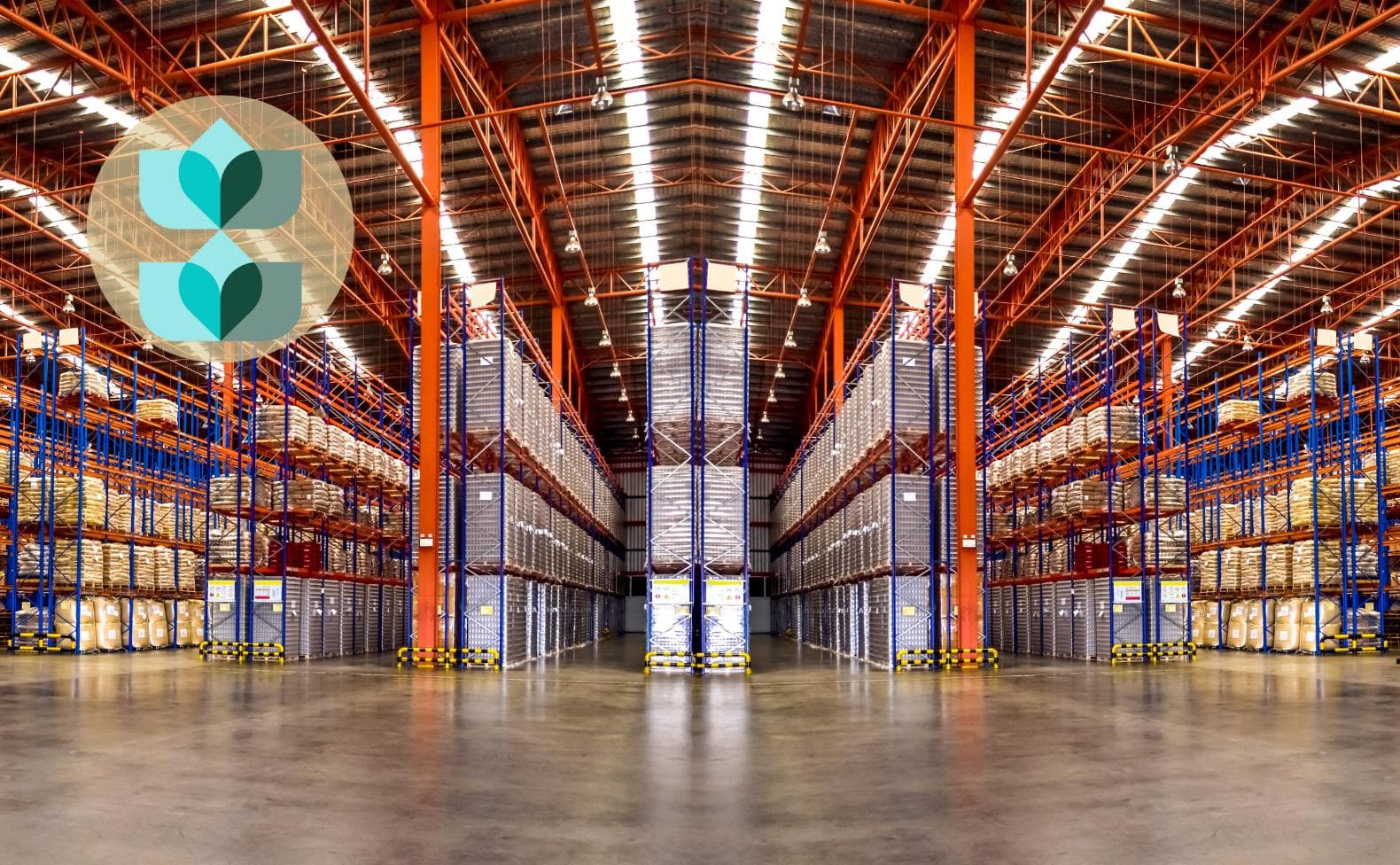
A perpetual inventory system is a sophisticated method of managing inventory that leverages advanced technology, including computer programs, software, and digital devices. These tools, such as barcode scanners used in warehouses and point-of-sale (POS) systems in retail locations, facilitate real-time tracking, recording, and updating of inventory transactions. The moment a transaction occurs, whether it's a sale, purchase, or return, the system immediately adjusts to reflect the new inventory l