
Blog Topic
6 articles

Seafood is one of the most widely enjoyed delicacies in the world. As more consumers gravitate away from red meat or plant-based alternatives, many are turning to the pescatarian diet for protein and nourishment. According to NOAA, levels of seafood consumption are the highest seen since 2007 in 2018 and beyond - with consumption per person totaling an average of 16.1 pounds per person.
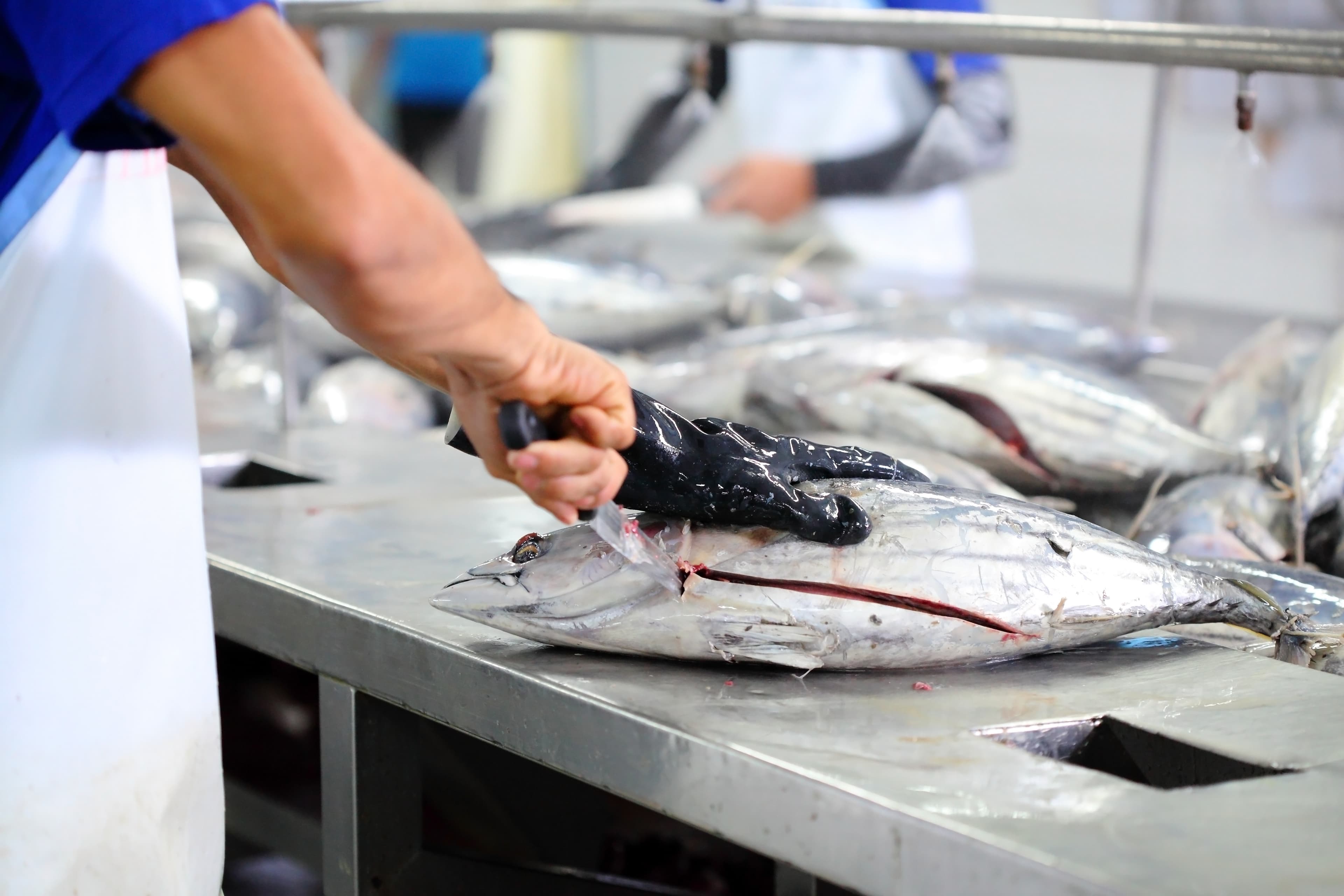
The Seafood Industry is a field where a lot of activities happen side by side simultaneously and every activity demands utmost care and planning. Starting from procuring seafood right up to the customer’s plate each step needs to be scrutinized and monitored in real-time for attaining customer satisfaction. To make this process effective and seamless, an effective seafood ERP system needs to be leveraged upon.

One of the hottest debates in the seafood industry around the world has been about seafood consumption during the summer season. Owing to factors such as freshness and quality control, not all seafood is sustainable to consume in the scorching heat.

One of the up-and-coming trends in the world of operational efficiency is Lot management via seafood ERP. In Layman's language, lot management is a system that enables inventory management before, during and after storage. A lot here refers to a batch of inventory received, stored and shipped from a warehouse to a designated location with specific dates and times.
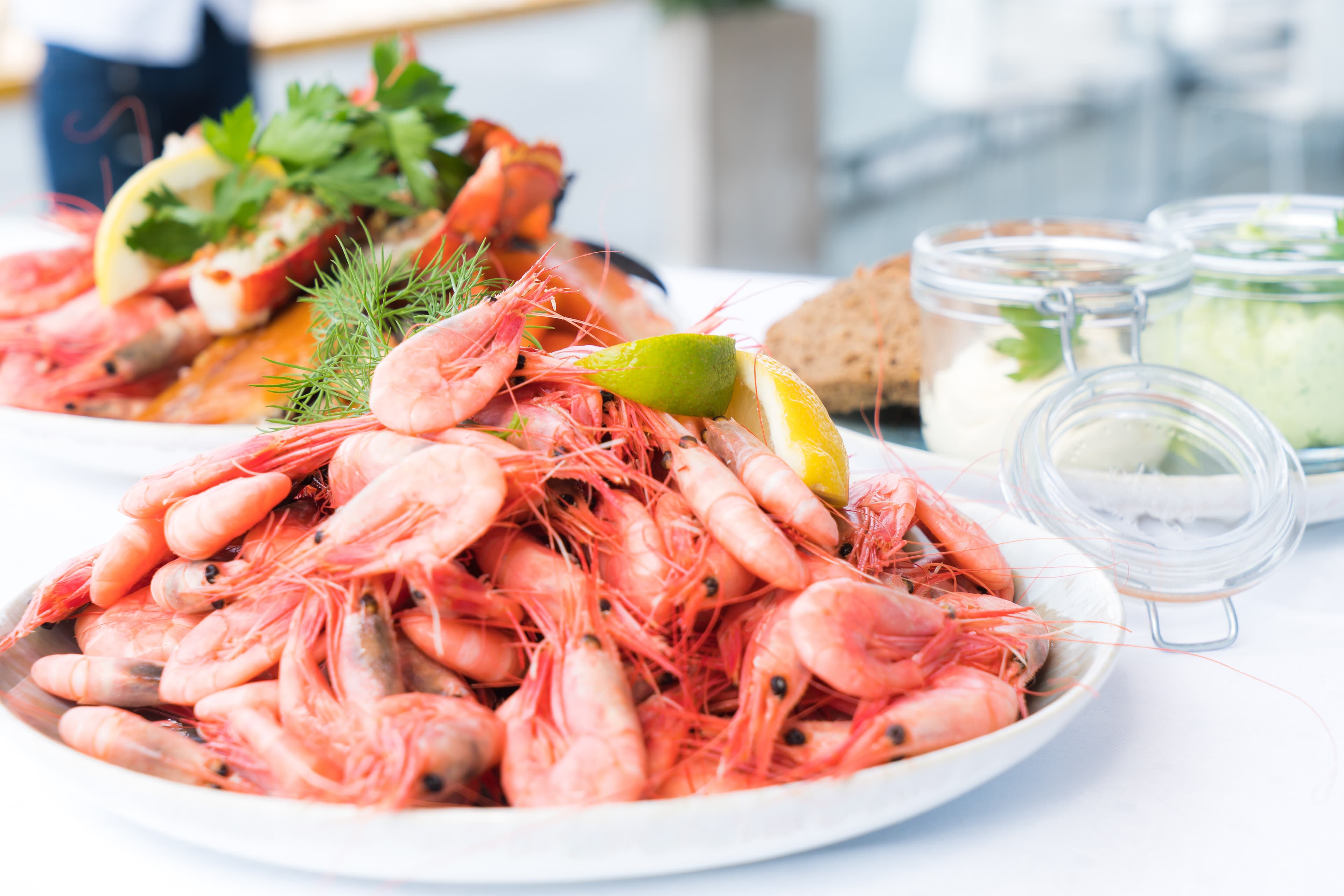
Seafood traders for long have endured sufferings at the hands of governing agencies. To add fuel to the fire, the high intensity of competition with more and more demanding customers is squeezing in on the margins. This was one of the primary reasons why seafood traders today especially those at a small and medium scale are struggling for a steady cash flow and eventually going out of business.
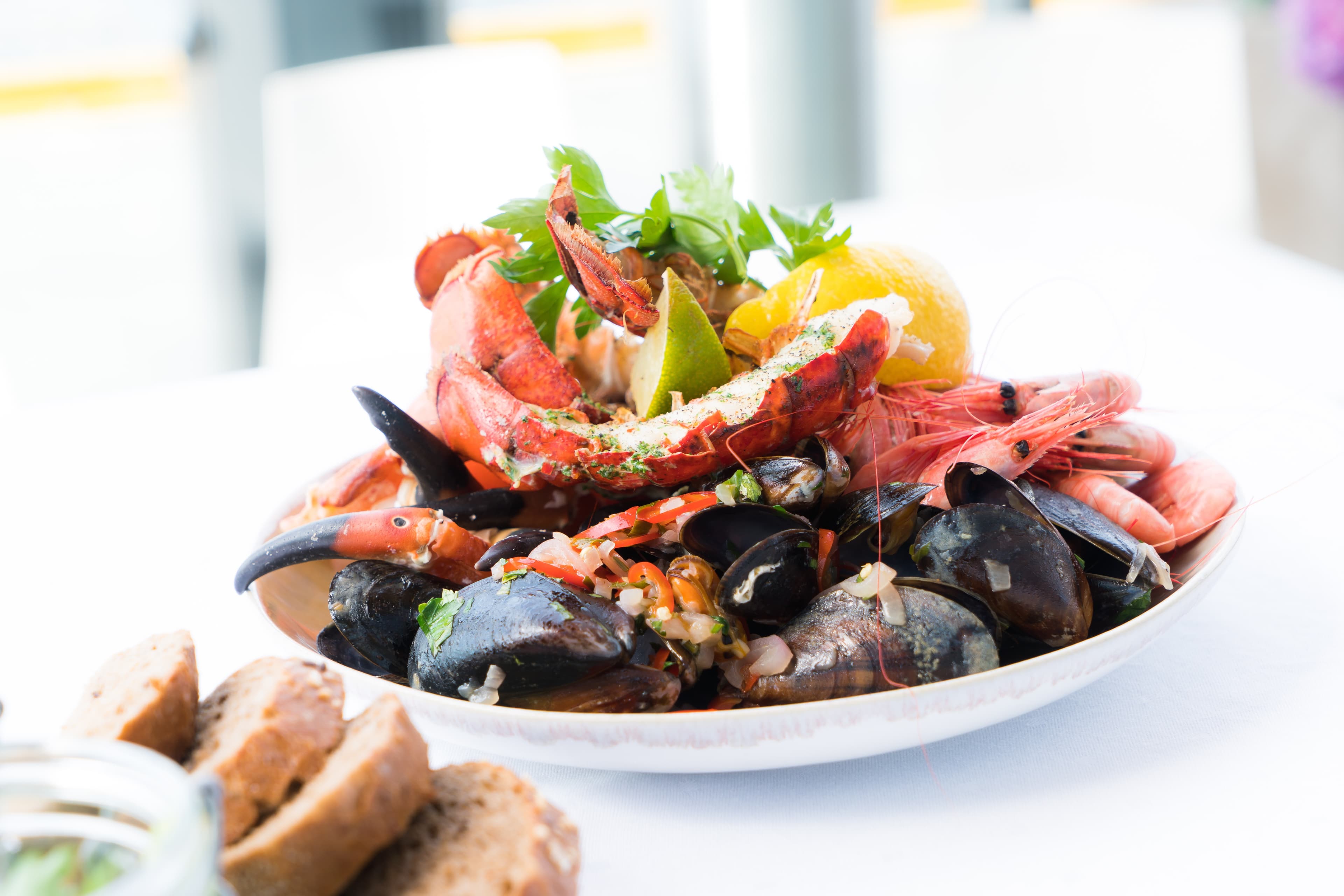
Traditionally seafood traders were reluctant to invest in seafood ERP as it was considered to be an expense with insignificant returns making it a luxury only high end seafood traders could afford.