
Blog Topic
26 articles

When Geneticist Paulo Arruda was mapping the microbiome of sugarcane, he realized; that some of the bacteria were much more abundant than the others. He started his research along with his fellows, to see if these bacteria were aiding the growth of sugarcane, and if they were, can they be harnessed to increase the growing speed of other crops?
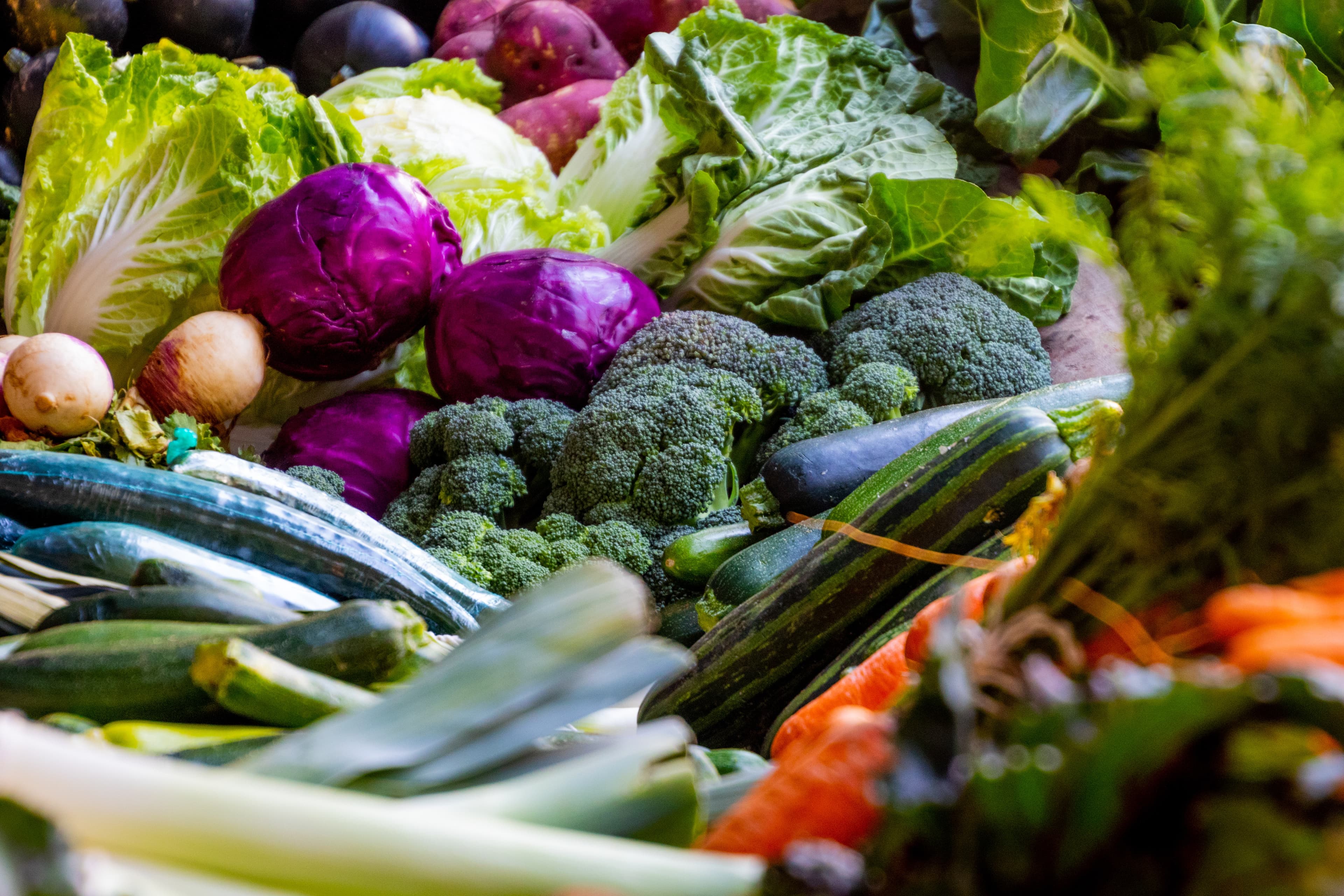

It may sound like an old wives’ tale but washing your produce before consumption is actually something that can mean life or death in the most extreme cases. In most cases, washing your produce will likely mitigate the chance of unwanted digestive issues, and hey, that’s reason enough to fall in line, right?
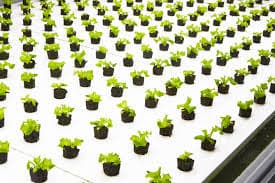
Technology has been fully engrained in the produce industry for quite some time now, but what can we expect for the future? And what about details regarding agriculture technology is vital to understand? At a recent conference hosted by the Produce Marketing Association, the catalysts were highlighted for all that attended. We at iNECTA thought it would be a good idea to discuss in some depth what we’ve learned in regard to what technology is at our disposal to advance agriculture across multipl

Let’s talk a little about the state of Florida’s agriculture, and what’s in store for the Sunshine State in the future. Obviously, a few things come to mind when you think of Florida produce. Your mind more likely than not jumps straight to citrus, as it does account for a major portion of Florida’s produce industry. However, Florida is facing some issues that are more regulatory in nature.
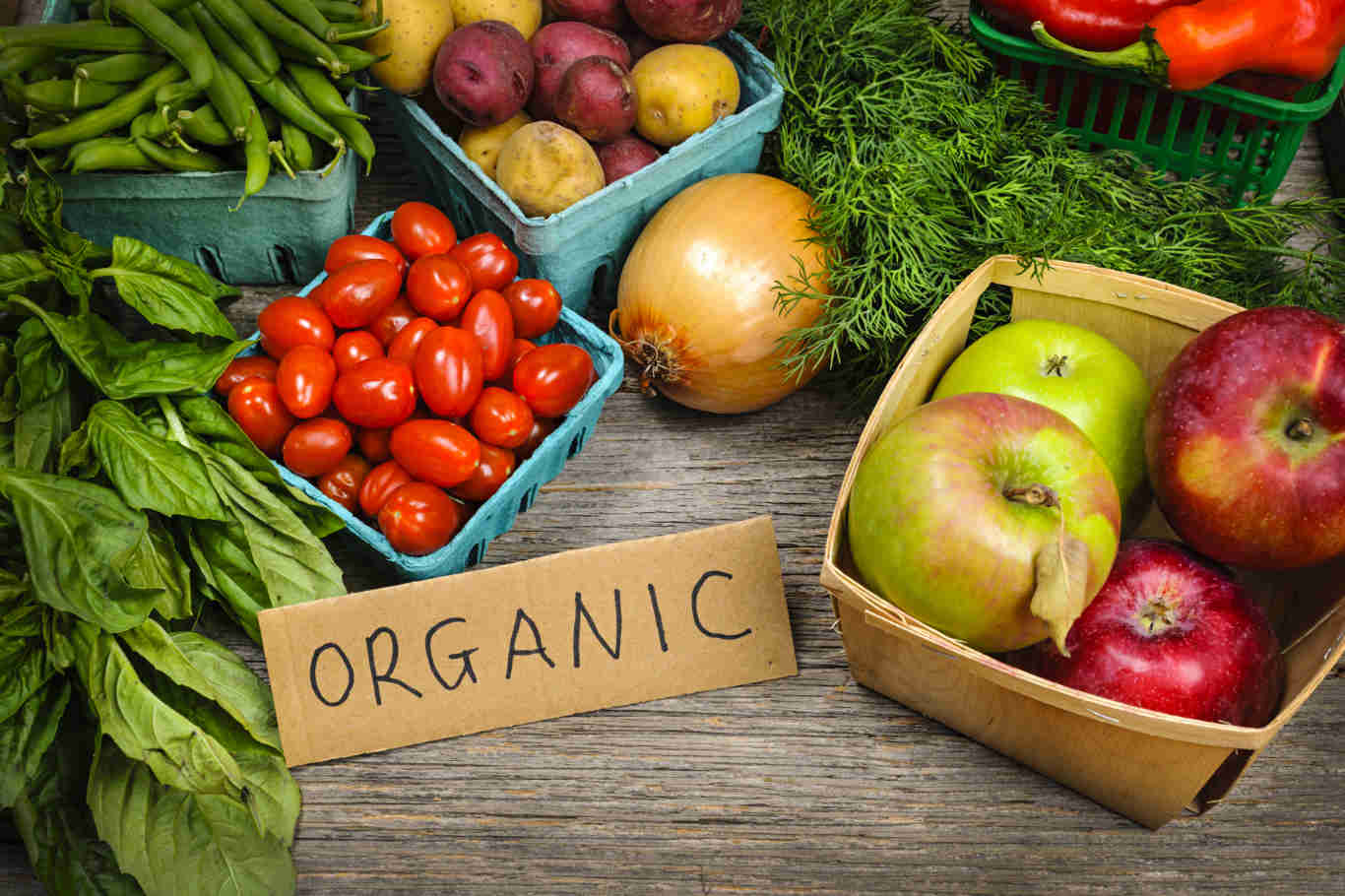
Let’s talk about another food trend that has taken 2019 by storm and is sure to be a presence in the years to come. Market experts first took notice of this trend back in 2017 when they recorded a 30 percent growth of organic grain farm acreage. The decision by a large number of major corporations to move towards organic options has had a massive impact on the farming industry, and not just for fruits and vegetables.
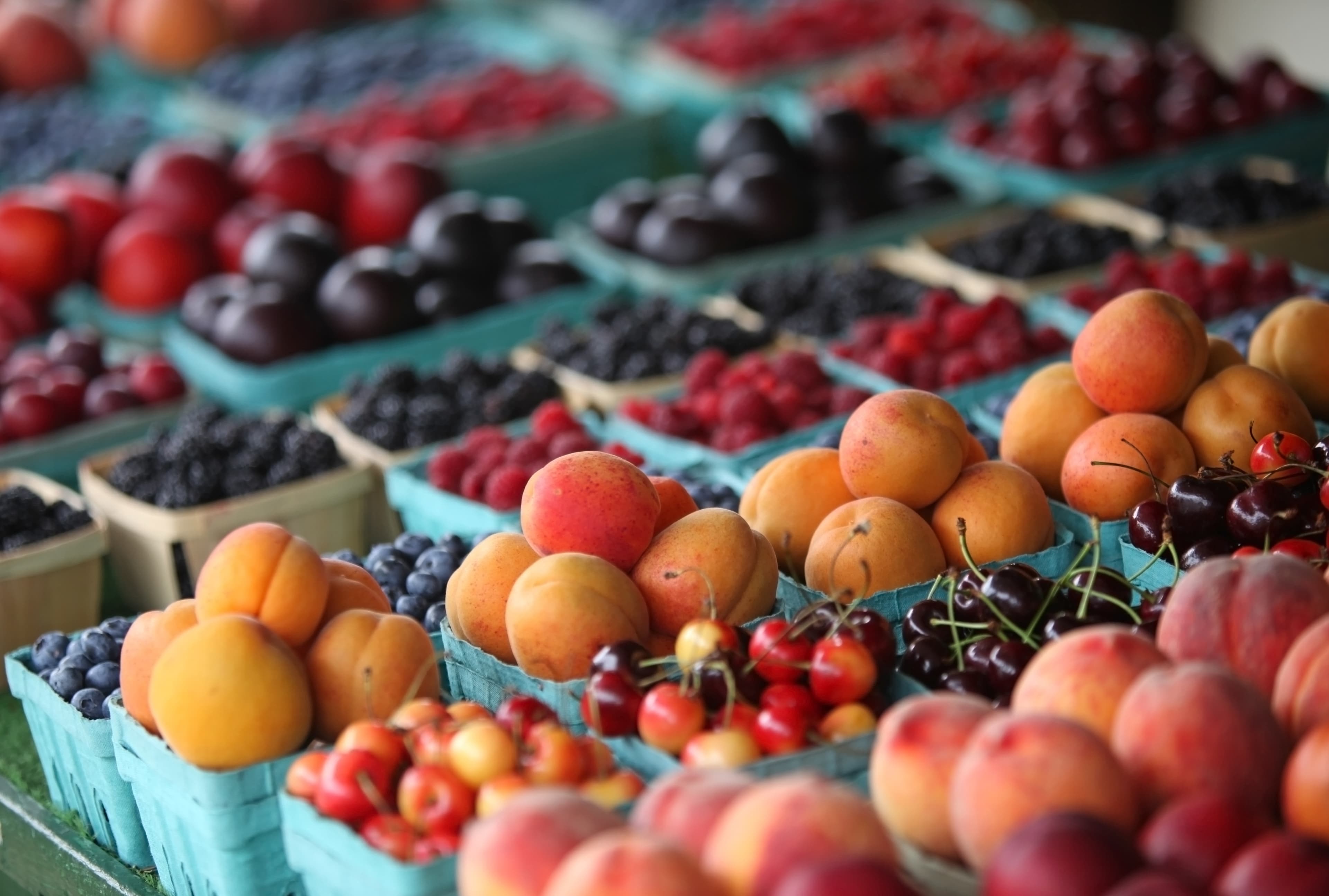
Why do customers gravitate towards certain products? With produce specifically, the issue is less about supply, and more about quality. Actually, if we can speak frankly, quality is really the most important factor that’s in play when customers shop for local produce. Obviously, we’re all privy to all the tricks from the old country. Grading a tomato in real-time based on firmness, shape, and color is still the best way to determine the quality of the product to some purists. However, the produc
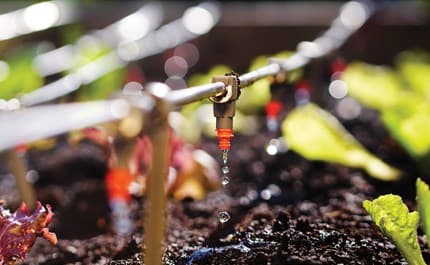
Irrigation is the saving grace for farmers who are victims of uneven amounts of precipitation throughout the growing season. On top of that, only a percentage of the precipitation will be absorbed by the soil, benefiting the potential crop growth.
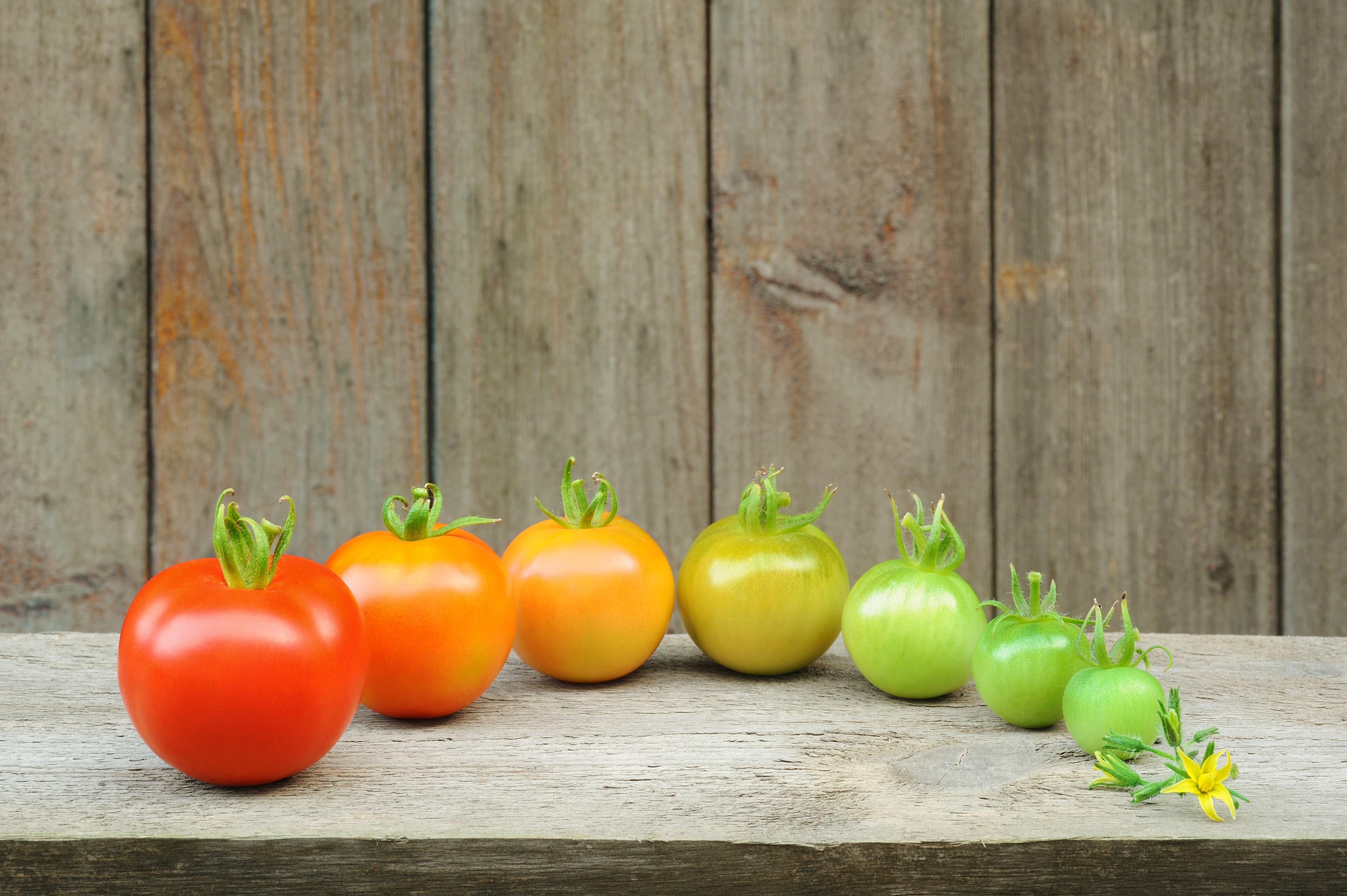
The ripening process is at the heart of modern produce logistics. From bananas and mangoes to tomatoes and melons, managing ripeness is key to extending shelf life, reducing waste, and ensuring optimal quality at the point of sale.


How to Implement FSMA The first order of business for any organization is acknowledging the need to implement and comply with the act. Also, taking inventory of how the company stacks up at the present time is paramount to understanding what needs to be improved in order to become FSMA compliant. Often, companies are already in compliance with other food safety programs such as HACCP, with the FSMA being a “catch-all” for all programs under the food safety umbrella. As far as implementation goes