
Blog Topic
99 articles

Title: Mitigating Risks: Preparing for Holiday Supply Chain Instability (2022)
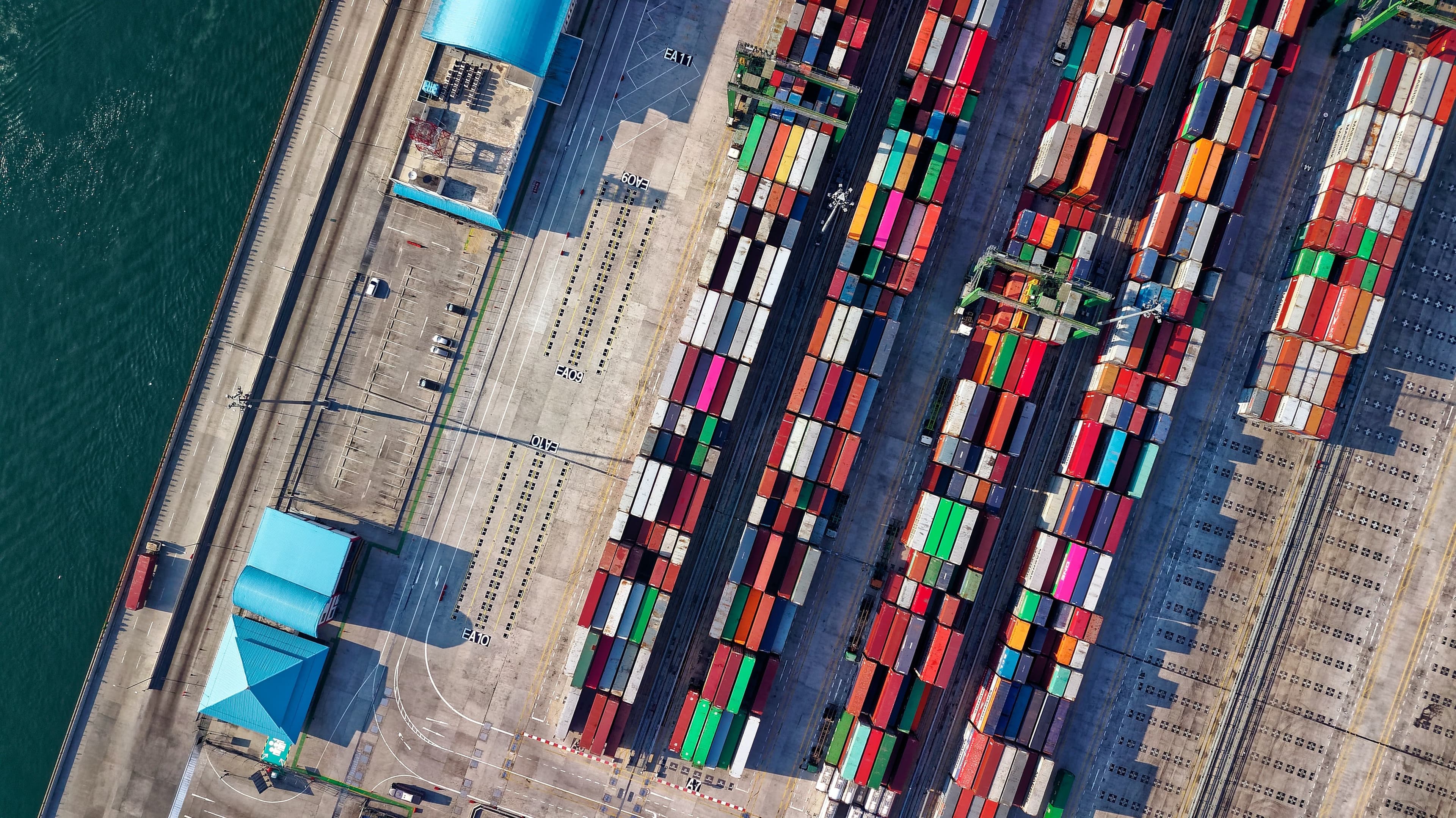
The most magical time of the year is here – and food manufacturers are feeling the additional pressure to keep up with the demand for traditional holiday foods – like turkey, ham, and seafood. Throw COVID-19 into the mix, and you have a recipe for a difficult holiday season for food manufacturers who aren’t prepared.

The holiday season is here, and your consumer base is on the hunt for the next big treat for their upcoming festivities, hastening the holiday rush. The final quarter of the year is the time to ramp up sales and production, iterate on your strategy, and establish your cadence for a fresh start – all of which you can do more efficiently with knowledge of the top holiday food and beverage trends.
![Manufacturing Management Software: A Buyer's Guide for Food Companies [2026]](/_next/image?url=https%3A%2F%2Fzqvyaxexfbgyvebfnudz.supabase.co%2Fstorage%2Fv1%2Fobject%2Fpublic%2Fblog-images%2Faf44ac32-pexels-sora-shimazaki-5673502.jpg&w=3840&q=75)
Manufacturing management software helps food companies plan, execute, and track production. This guide compares ERP, MES, and MRP systems, explains what food manufacturers specifically need, and outlines how to evaluate options.
![Supply Chain Optimization: A Complete Guide for Food Manufacturers [2026]](/_next/image?url=https%3A%2F%2Fzqvyaxexfbgyvebfnudz.supabase.co%2Fstorage%2Fv1%2Fobject%2Fpublic%2Fblog-images%2F54cb6adf-pexels-elevate-1267338.jpg&w=3840&q=75)
Supply chain optimization helps food manufacturers reduce costs, prevent stockouts, and build resilience across procurement, production, and distribution. This guide covers the key pillars, metrics, and technology that make it work.

If you’re looking for new opportunities to build revenue and refine your processes, AI and software are a strategic way to do it. The future and potential for growth with the help of food ERPs and related AI-based platforms is exponential – and will be the factor that can drive your business to be an industry leader over the next several years.
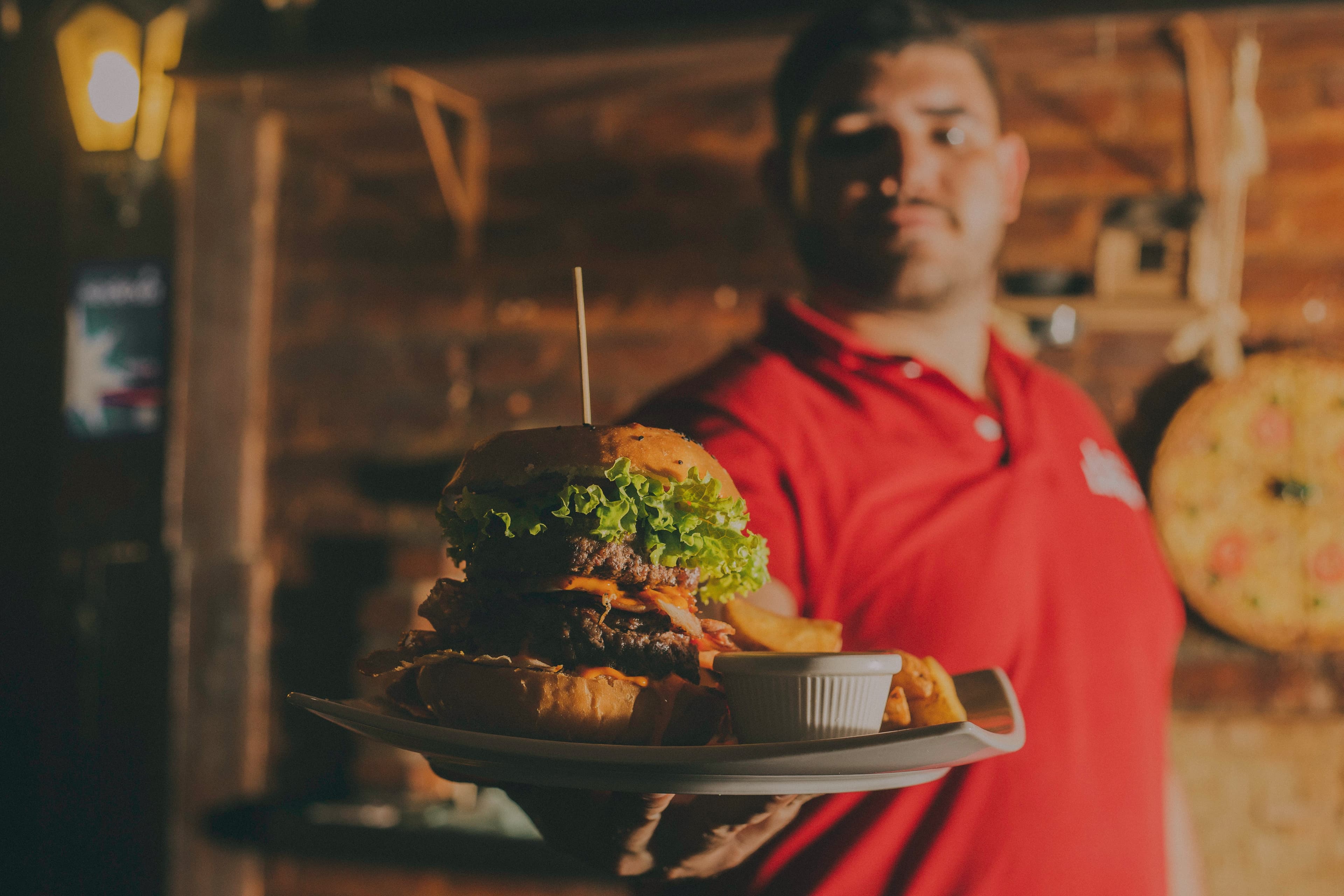
Have you ever wished for a roadmap to success? It may be as simple as getting strategic with your future plans. We’re watching business trends play out before us as the global food economy adjusts to inflation, shortages, and new levels of distribution difficulty due to unprecedented supply chain disruption. While businesses prepare to wrap Q3 of 2022; we’re looking to the future and getting strategic about industry leadership in 2023.
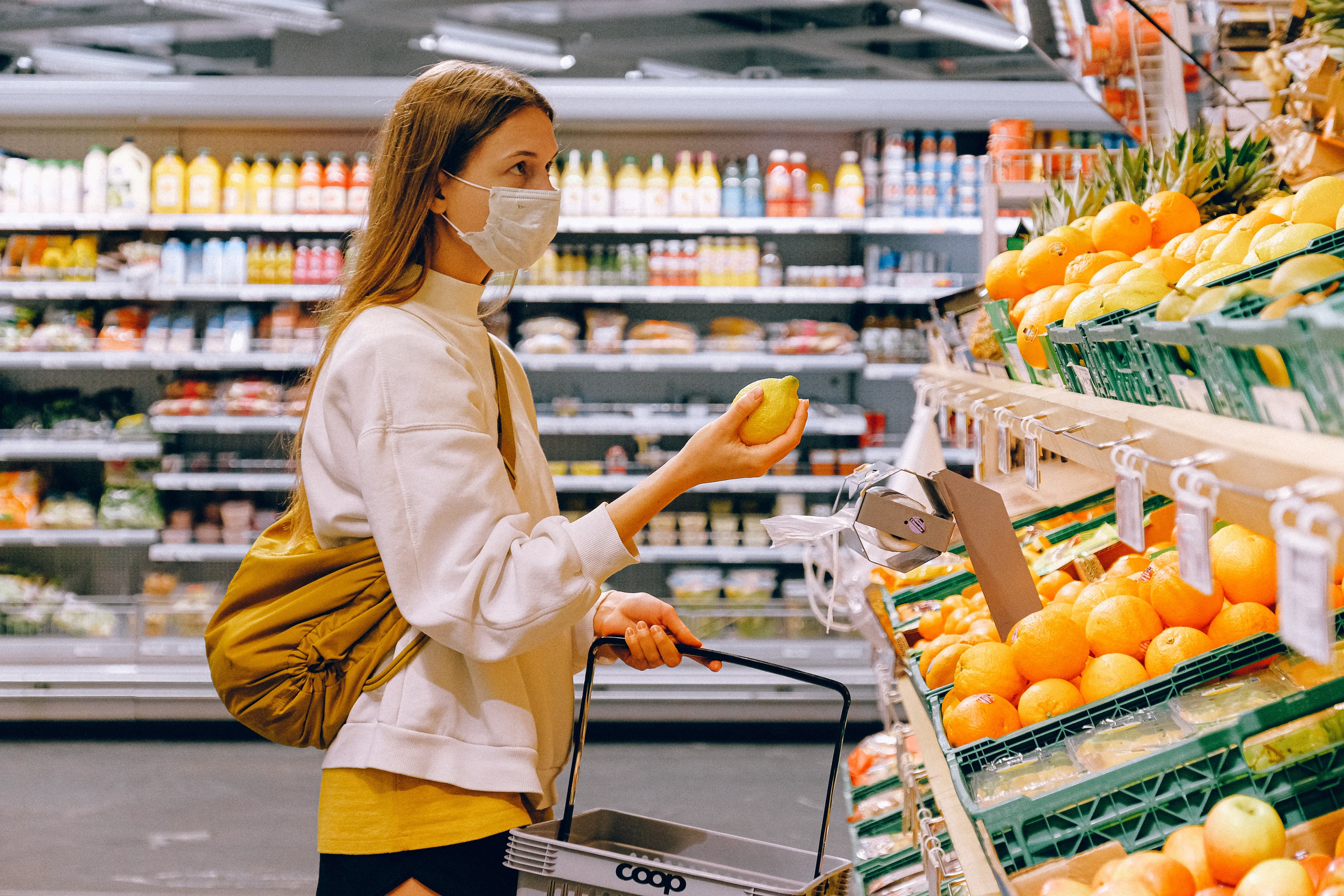
The Food and Agriculture Organization’s (FAO) Food Price Index experienced a significant drop in July 2022, and we’re seeing prices for cereal and oil products decline as we speak. Here's what this means for food and beverage manufacturers and distributors:

Produce is a large part of the food production industry, valued at over $60 billion in 2021 and expected to grow at a rate of 5 percent in the next eight years. Consumers continue to look for healthier options and are willing to pay more for them at the grocery store and farmer’s market. However, the effects of climate change are rampant across the industry – leaving many wondering growers wondering what their next right step truly looks like.
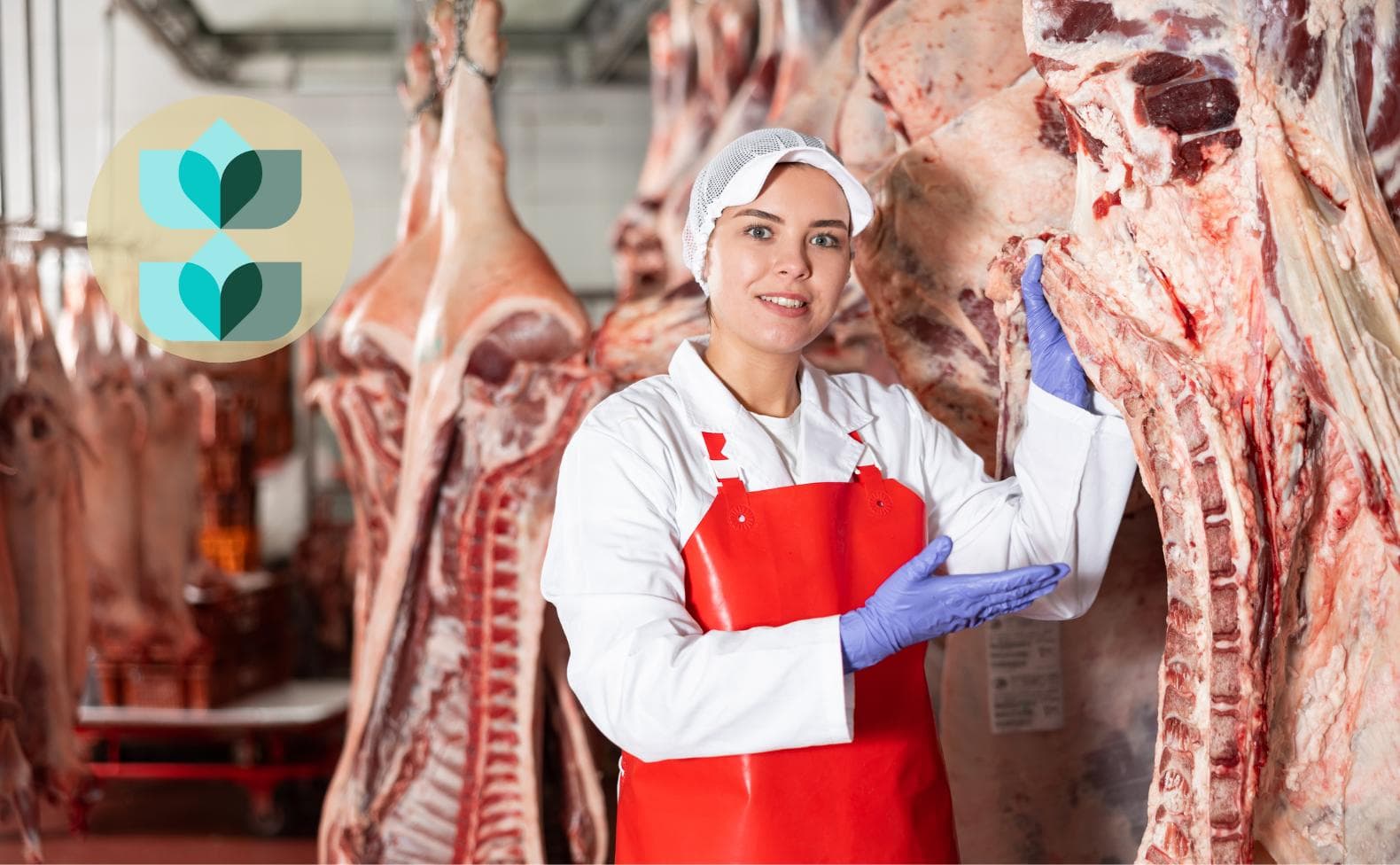
Catch weight is the actual weight of an individual unit of product, recorded at the point of sale or shipment. Food businesses use it for items that are stocked in standard units, such as cases, but priced by weight, because the true weight of each unit varies. The industry also calls it variable weight. This guide explains what catch weight means, how to calculate it, and how food companies manage it in an ERP.

Many current ERP solutions used by food and beverage producers are outdated and require constant maintenance. These issues cost producers money that otherwise could be used to reinvest into the business to expand and improve operational efficiency.
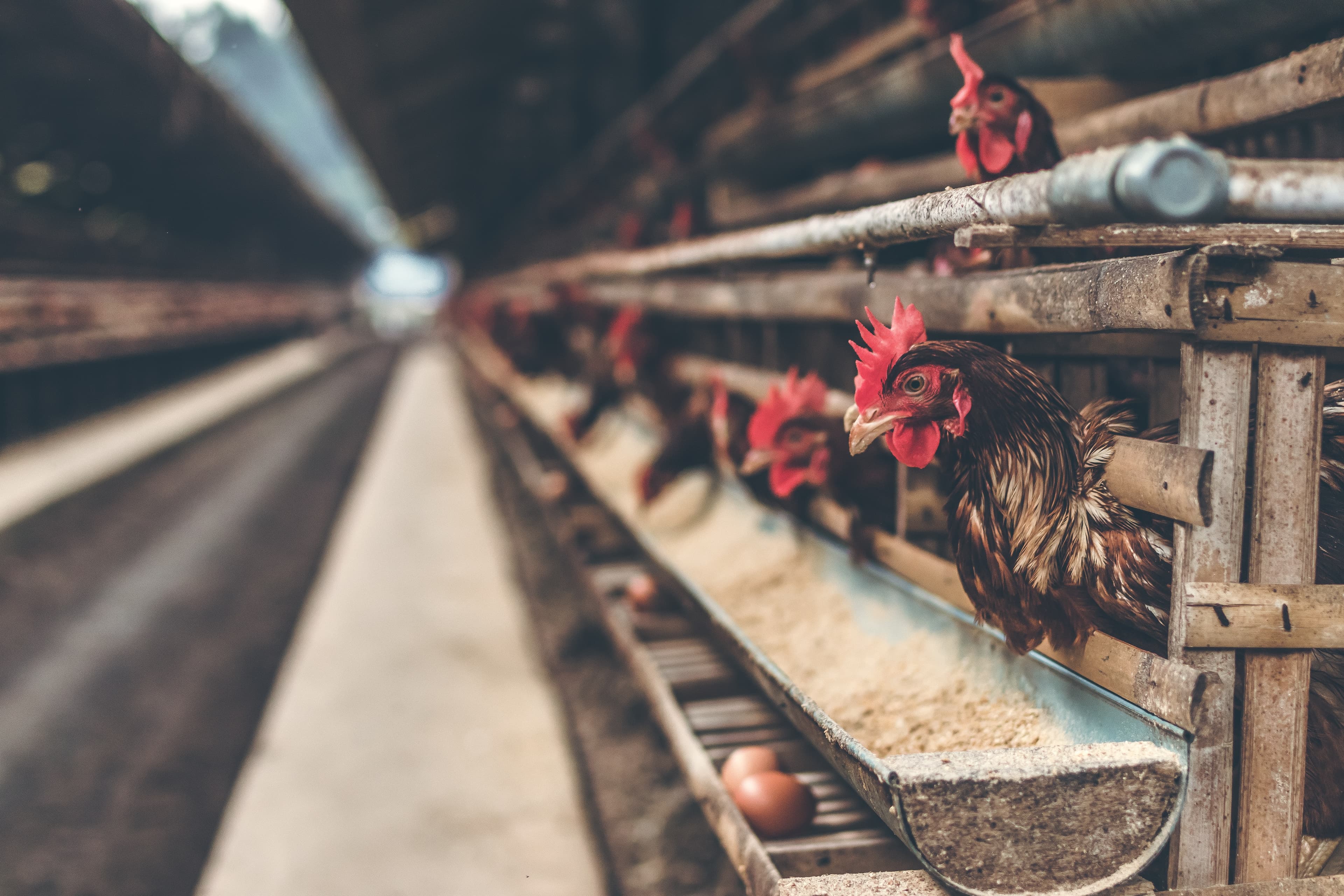
The Avian flu has affected the food industry in many different ways since experts discovered the outbreak earlier this month. There are currently millions of chickens in at least 17 states that are being destroyed to suppress the deadly and dangerous strain of the Avian flu.