
Blog Topic
26 articles

As a growing organization, you may find that it’s hard to stay agile and relevant in this evolving industry. As new technology emerges, food and beverage manufacturers must adapt to it and stay up to date with industry dynamics.

The food industry is a dynamic part of the economy that has seen significant innovation within the last decade. Those in the industry have developed many different ways to improve operational efficiency, increase the bottom line, and retain satisfied customers.
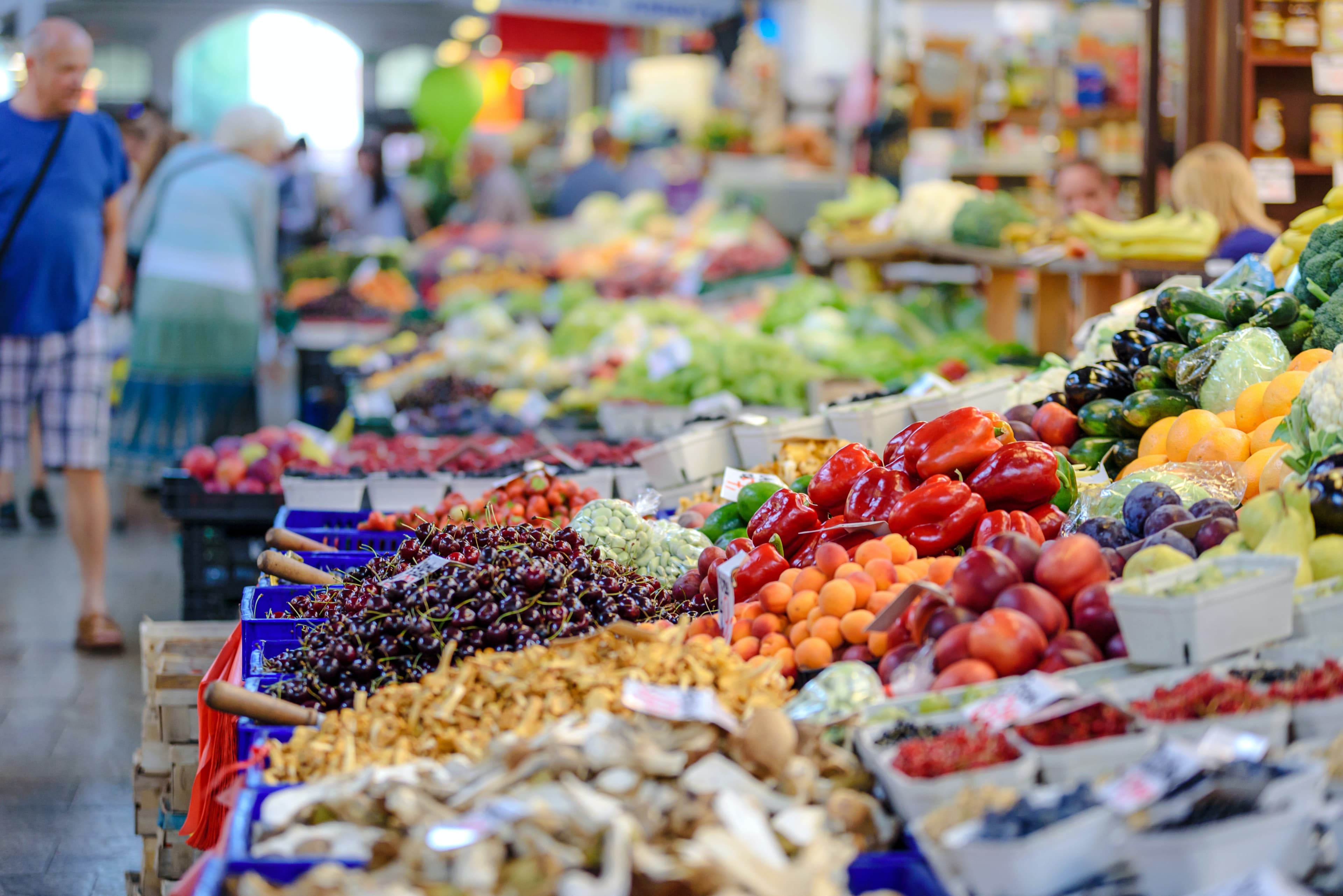
As a produce trader, you face many different challenges in the day-to-day operations of your business. Issues like thin margins, inaccurate reporting, and old business systems are headaches that almost all traders experience.

No matter the size of your organization, you'll always need someone to manage your IT infrastructure for your business to run efficiently and safely. From data storage to managing passwords and hardware, having a managed service provider (MSP) will ensure that your data is safe and that you can continue to focus on the most critical aspects of running your business.
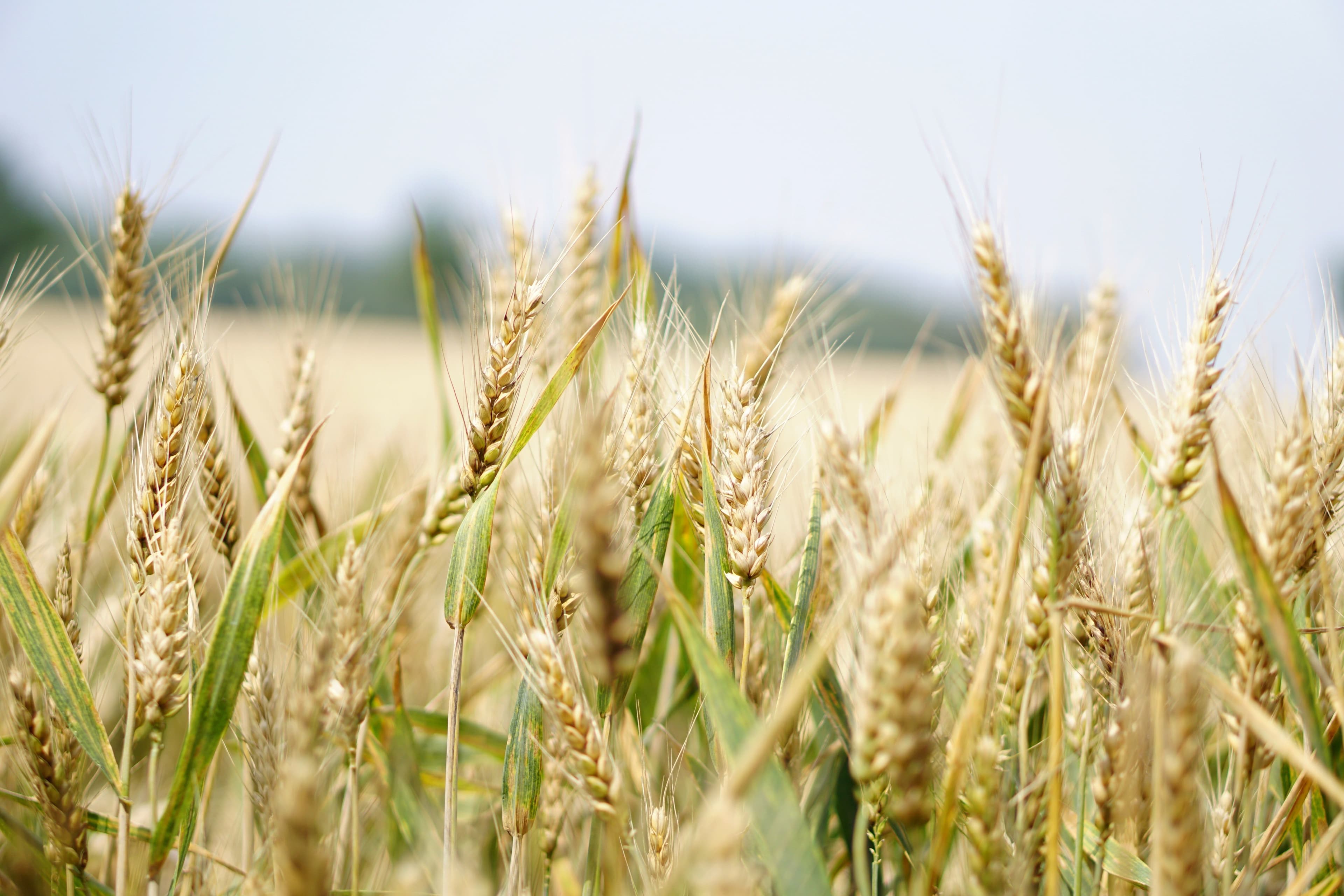
The past few years have been redefining the norm for food and beverage manufacturers around the world, putting in place new challenges and opportunities for process iteration and refinement. The recent global wheat and sugar shortages have created ripple effects up and down the food and beverage industries at a global scale, and will likely continue to further disrupt the normal function and flow for at least the next quarter or two. While the immediate response to this may be concern, fear, or
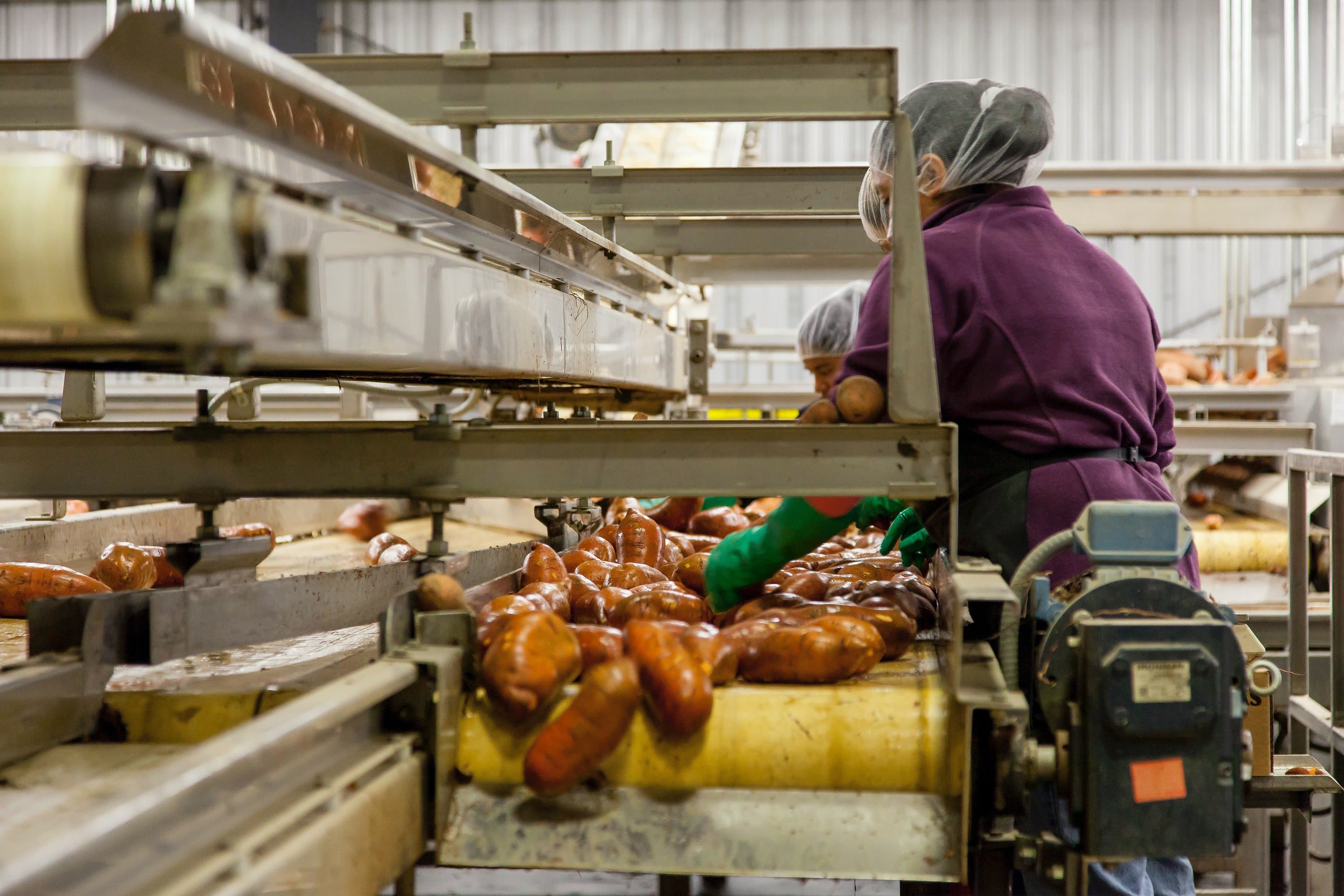
As you’ve probably seen in your area of business, there are a thousand different paths that you can take to arrive at the same destination. The same can be said for the manufacturing process for your favorite food and beverages, bringing the products you’ve created that America loves to tables around the country. Understanding the manufacturing process and all of the moving parts involved can help you to further refine your process and reach new levels of efficiency and productivity in the produ

Digitalization and technological advancement have completely reshaped the way that we see food and beverage production and manufacturing. With so many rapid shifts and changes across the industry, it’s left many with a singular question: What is the future of food manufacturing in 2022?
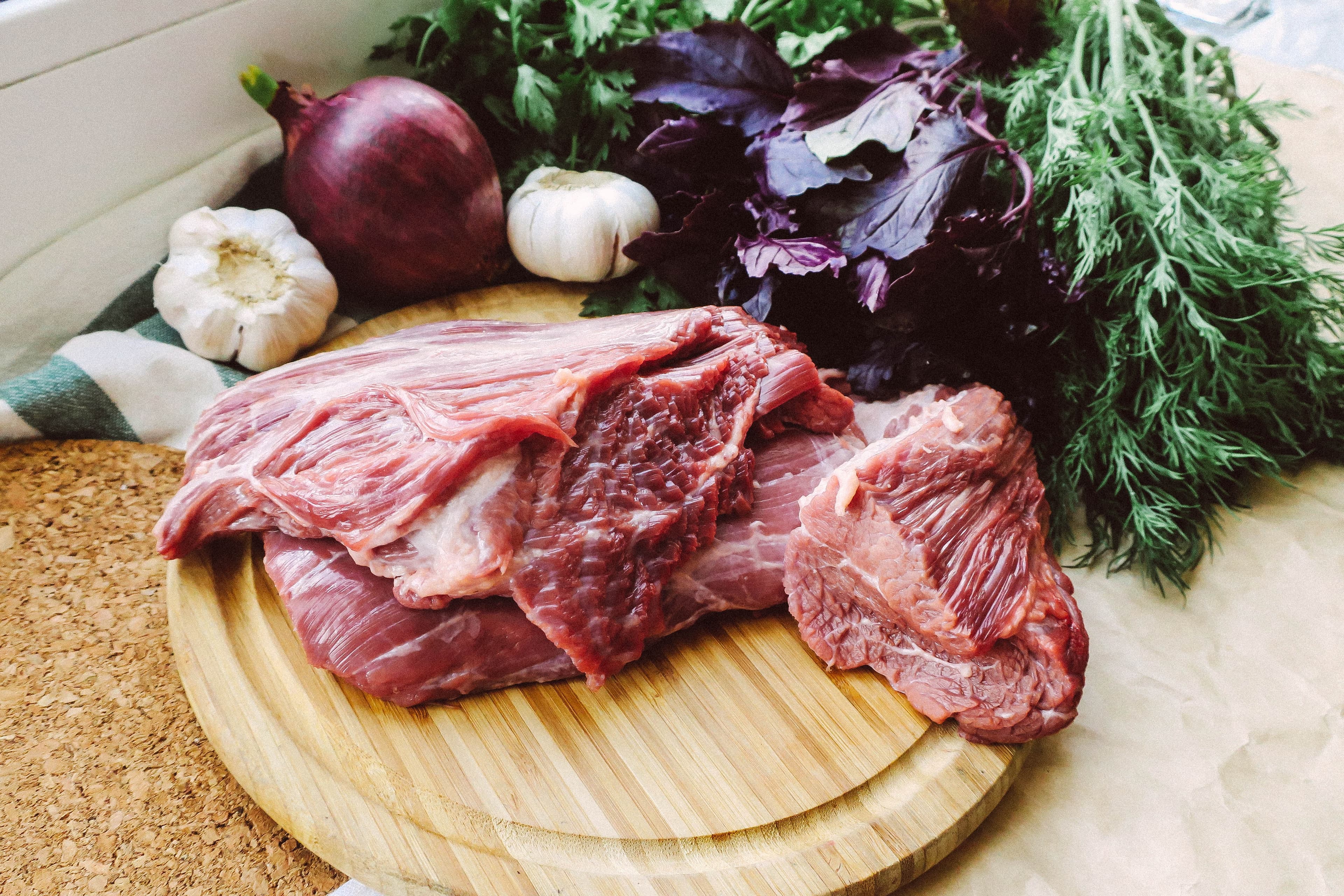
The meat processing industry is one of the core elements of the American manufacturing and distribution network. Despite financial instability in the pre-pandemic era, the level of demand continued to be level, mainly due to the amount of financial assistance that Americans were receiving to offset the effects of market volatility. As financial relief packages come to a close, the meat market suffered limited effects. Looking forward to 2022, we explore what the meat manufacturing and production
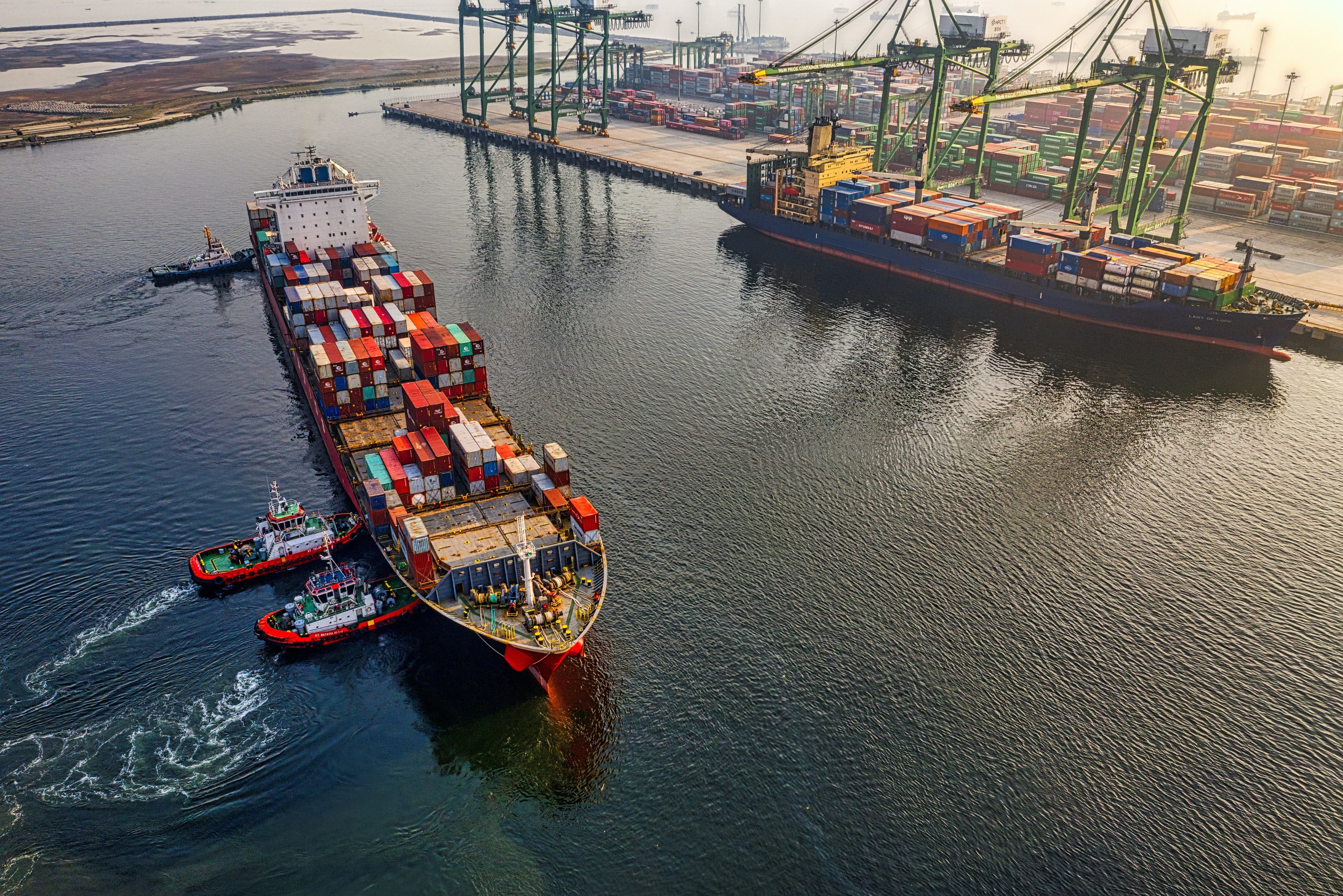
As we round the corner on the most tumultuous two-year period the food and beverage supply chain has ever seen, it’s become evident that this will be another year of learning. Due to the Russian-Ukrainian conflict and other such issues, the global chain is beginning to buckle and break under pressure, sanctions, and other delays. While this has left many industry leaders reeling, it also has provided several worthwhile lessons that businesses can apply to their side of the space. Below, we’re ex

Food and beverage manufacturers are always looking for the next big “thing” to create a breakthrough within the industry. Trends sell, and manufacturers must keep their fingers on the pulse of culture, preferences, and consumer purchase profiles to understand how exactly they can strategize their next big launch. One of the greatest examples of this lies in one of America’s oldest imported drinks: Vodka.
In 2020, with the height of the pandemic in focus, it is critical for food processors and producers to adhere to strict food safety regulations. One of the most important food safety programs available is the HACCP.
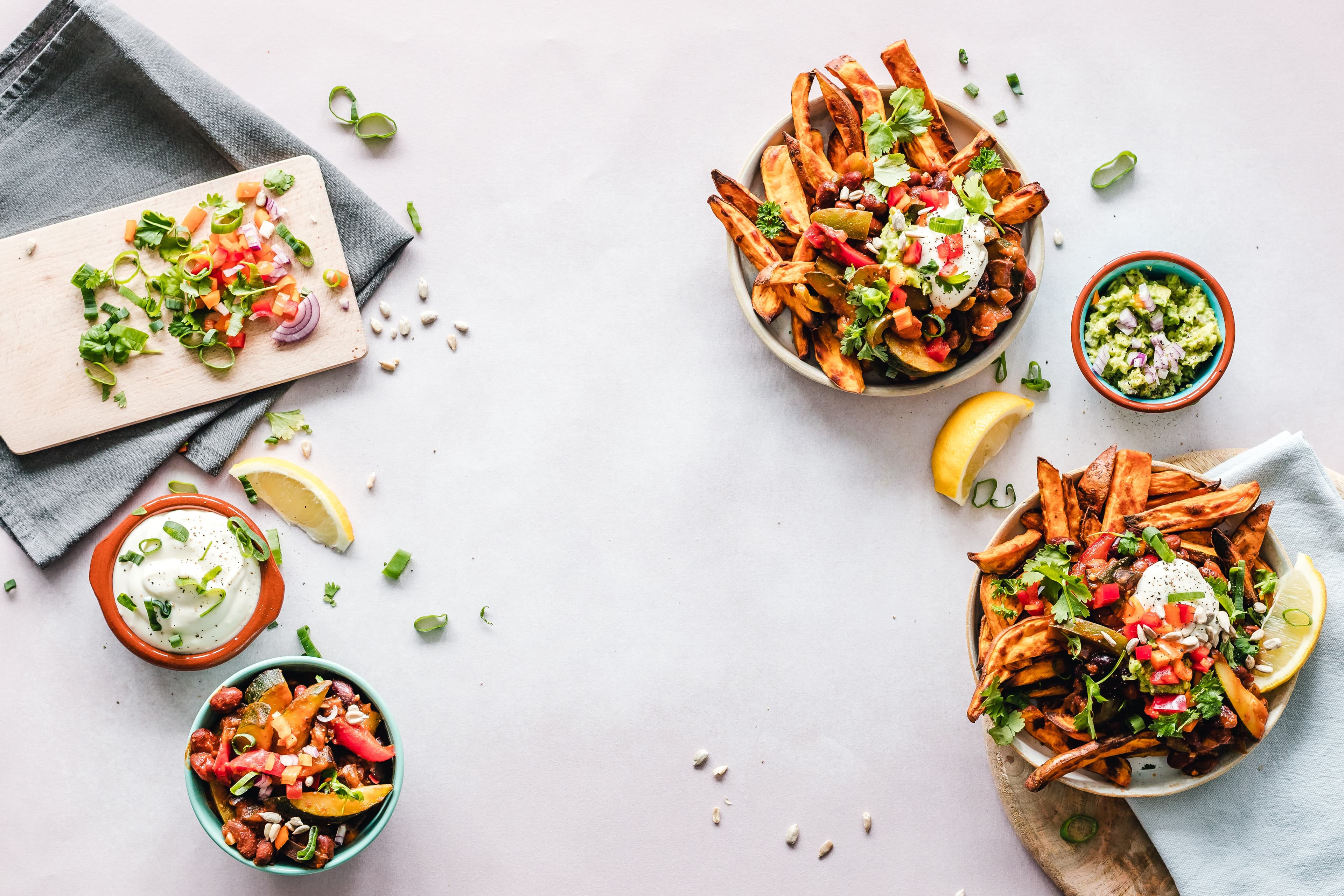
A new report on the state of the food industry that reflects the past three years has shown tremendous growth in the sector. The food industry has seen a 10.7 percent increase since 2017. The overall sales number for the industry reached $158.4 billion, even including the fallout from the current pandemic.