Cow Cards: One Record from Pasture to Fab Floor
TL;DR: A cow card is the digital record that follows a single animal across its entire lifecycle: on pasture, through the slaughterhouse, and onto the fab floor. For most beef operations, that journey is fragmented across three or four disconnected systems, with data lost or manually re-keyed at every handoff. inecta Food ERP keeps the cow card intact end-to-end, so the animal you tagged on pasture is the same animal you slaughter, the same carcass you break down, and the same set of boxed cuts you invoice. One record. One source of truth. From live weight to landed sale.
What is a cow card?
A cow card is the digital file for a single animal. Identification, lineage, weight history, health, treatments, movement, slaughter data, carcass yield, and final disposition all live on one record. In an inecta operation, that record doesn't end at any one stage of the supply chain. It carries the animal from the moment it's tagged on pasture to the moment its final cut leaves the fab floor on a packing slip.
That continuity is what makes the cow card different from anything else in beef operations software. Pasture records, slaughter logs, and fab floor data have historically lived in separate systems. The cow card erases the seams.
The three phases, and where most operations lose the thread
Every beef operation runs an animal through three distinct phases. In most operations, each phase has its own system, its own people, and its own version of the truth.
Phase 1: Pasture and lifecycle. Birth or arrival weight, breed, lineage, ear tag or RFID, vaccinations, treatments, periodic weigh-ins, pasture or pen assignment, average daily gain. Tracked in feedlot software, livestock management apps, or, more often than anyone wants to admit, in a notebook in the truck.
Phase 2: Slaughter. Arrival weight, kill date, hot carcass weight, USDA grade, yield grade, dressing percentage. Tracked in the slaughterhouse's own system, usually exported as a spreadsheet at the end of the day.
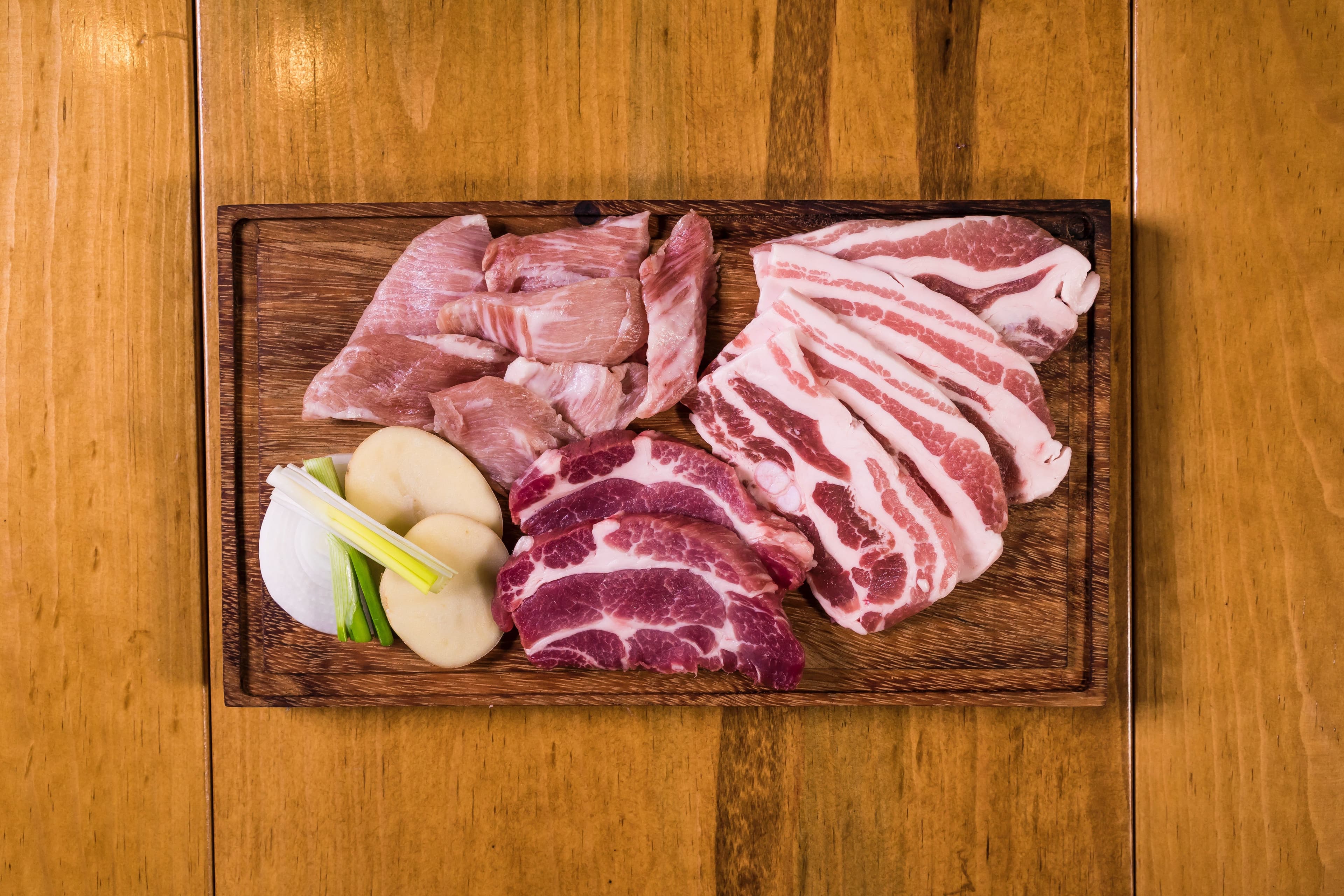
Phase 3: Fab floor. Primal breakdown, sub-primal cuts, trim, bones, fat, packaging, lot assignments, finished product inventory, shipment. Tracked in production or warehouse software, often disconnected from both the pasture data and the kill floor data.
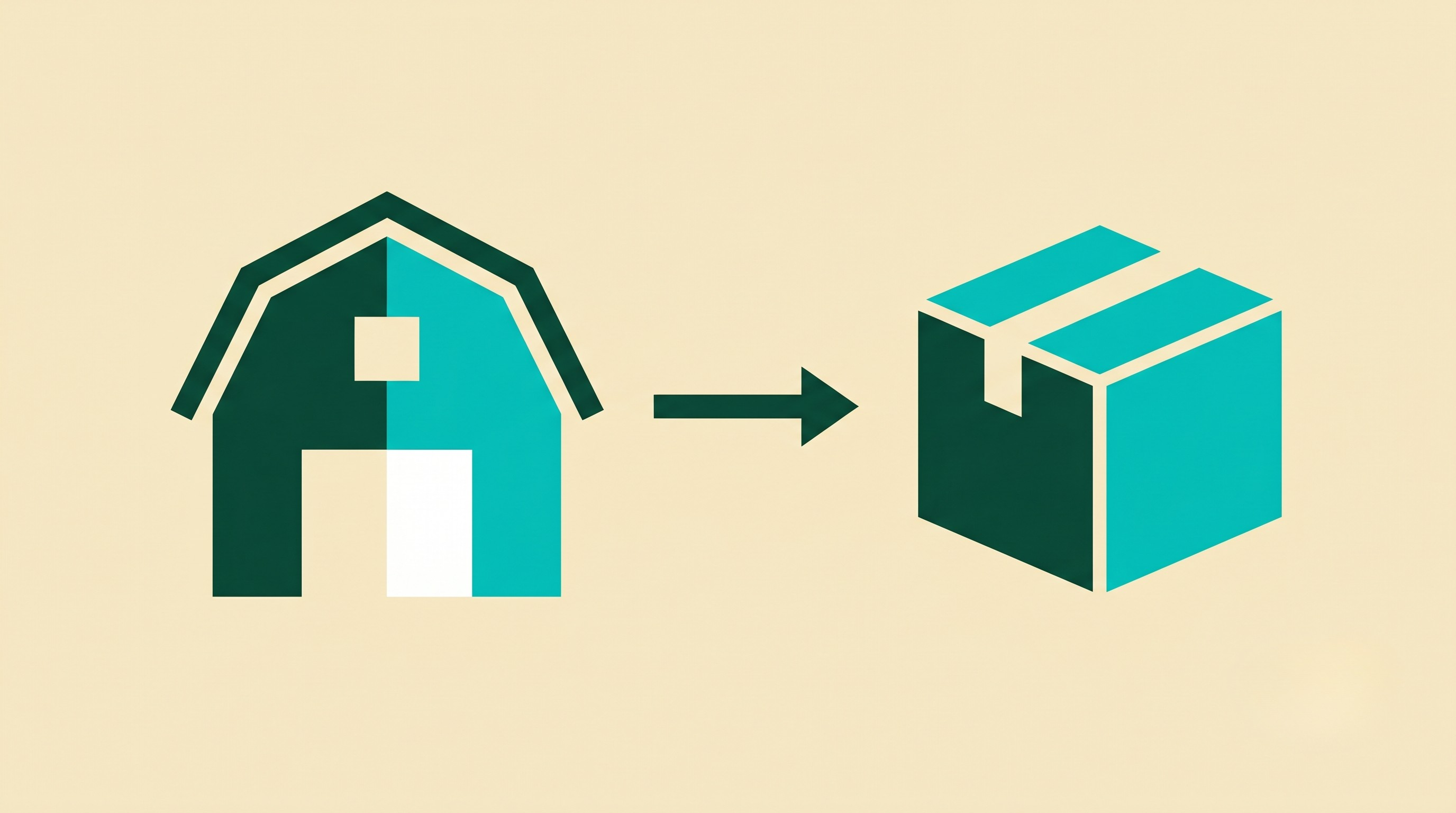
At every handoff, data is re-keyed, re-mapped, or lost entirely. The animal that walked onto the kill floor isn't connected back to the animal that was on pasture six months ago. The boxed ribeye that left the fab floor isn't connected forward to the customer it was sold to. Each phase knows its own data well. None of them knows the full story.
The hidden cost of broken continuity
For a leadership team, the cost of fragmented animal data shows up in four places:
1. Carcass data doesn't improve purchasing decisions. When the hot carcass weight and grade aren't tied back to the original animal record, you can't build a performance history by supplier. The animals you're losing money on look identical, on paper, to the ones you're making money on.
2. Yield analysis stops at the kill floor. Most operations can tell you their dressing percentage. Few can tell you, for a given animal or pen or supplier, what the fab floor yield actually came out to and how that compares to expected. The math gets done at the herd level, where it hides the outliers.
3. Traceability has gaps. When the USDA, a major buyer, or a recall request comes through, the answer to "which animal did this cut come from?" depends on whether someone wrote it down correctly at two or three different handoffs. Audit risk lives in those gaps.
4. Margin analysis is incomplete. You can know your cost per pound of gain on pasture. You can know your slaughter cost per head. You can know your fab floor labor cost. But knowing all three for the same animal, on the same record, at the same time, is what tells you which animals were actually profitable from end to end.
What an intact cow card enables
When the cow card stays connected across all three phases, the operational picture changes:
- Closed-loop performance tracking. Carcass weight and grade flow back to the original animal record, and back to the supplier. Every cycle teaches the next purchase decision.
- Fab floor yield tied to live animal. You can finally compare expected vs. actual yield at the cut level for individual animals, not just herd-level averages.
- End-to-end traceability without reconstruction. From a finished cut backward to the animal, the lot, the slaughter date, the pasture, the supplier, and every treatment in between, the answer is one query, not a forensic project.
- Real cost per pound of finished product. Pasture cost, slaughter cost, fab floor cost, and final saleable yield resolve to one number per animal. That's the number that actually determines whether the animal made money.
- Audit and compliance as a query. USDA, customer audits, recall traces all become reports, not fire drills.
Where most systems fall short
Standalone feedlot software handles the pasture phase well, but data dies at the gate. Slaughter management software handles the kill floor well, but treats every animal as a fresh record with no upstream history. Production and warehouse software handle the fab floor, but receive carcasses as undifferentiated inventory. Each system is competent inside its own walls and silent across them.
The cost of bridging them is rarely on a software quote. It shows up later: in headcount dedicated to data reconciliation, in customer complaints that take days to investigate, in supplier renegotiations that happen on incomplete data, in audits that turn into all-hands fire drills.
How inecta Food ERP handles cow cards natively
The cow card is a native part of the data model, not a feedlot module bolted onto an ERP.
That means a single animal record holds the pasture data, the slaughter data, and the fab floor data on one continuous file. When the animal is killed, the carcass weight and grade write to its existing card. When the carcass is broken down on the fab floor, the resulting cuts inherit lineage from that card. When a box of ribeyes ships, the lot history traces back to the animal and forward to the customer. Catch-weight and inverse BOM, which are essential at the fab floor stage, operate on the same record that started the day on pasture.
Finance sees real margins per animal, not per herd. Operations sees real yield, not estimates. Compliance has one record to produce instead of three to reconcile.
The bottom line for decision makers
Cow cards aren't a feedlot software feature, and they aren't a fab floor module. They're a strategic framework for treating the animal as the unit of truth across every phase of the operation. Operations running on disconnected systems will keep making decisions on partial data, and the gap between knowing your true cost and estimating it will keep costing them margin they can't see.
The question for leadership isn't whether your platform can track animals. Most can. The question is whether the record stays intact from pasture to fab floor, or whether it dies at the gate, the kill floor, or the cutting table.