
Connected Trips, Smarter Operations: Managing Fuel, Routes & Catch in inecta
TL;DR
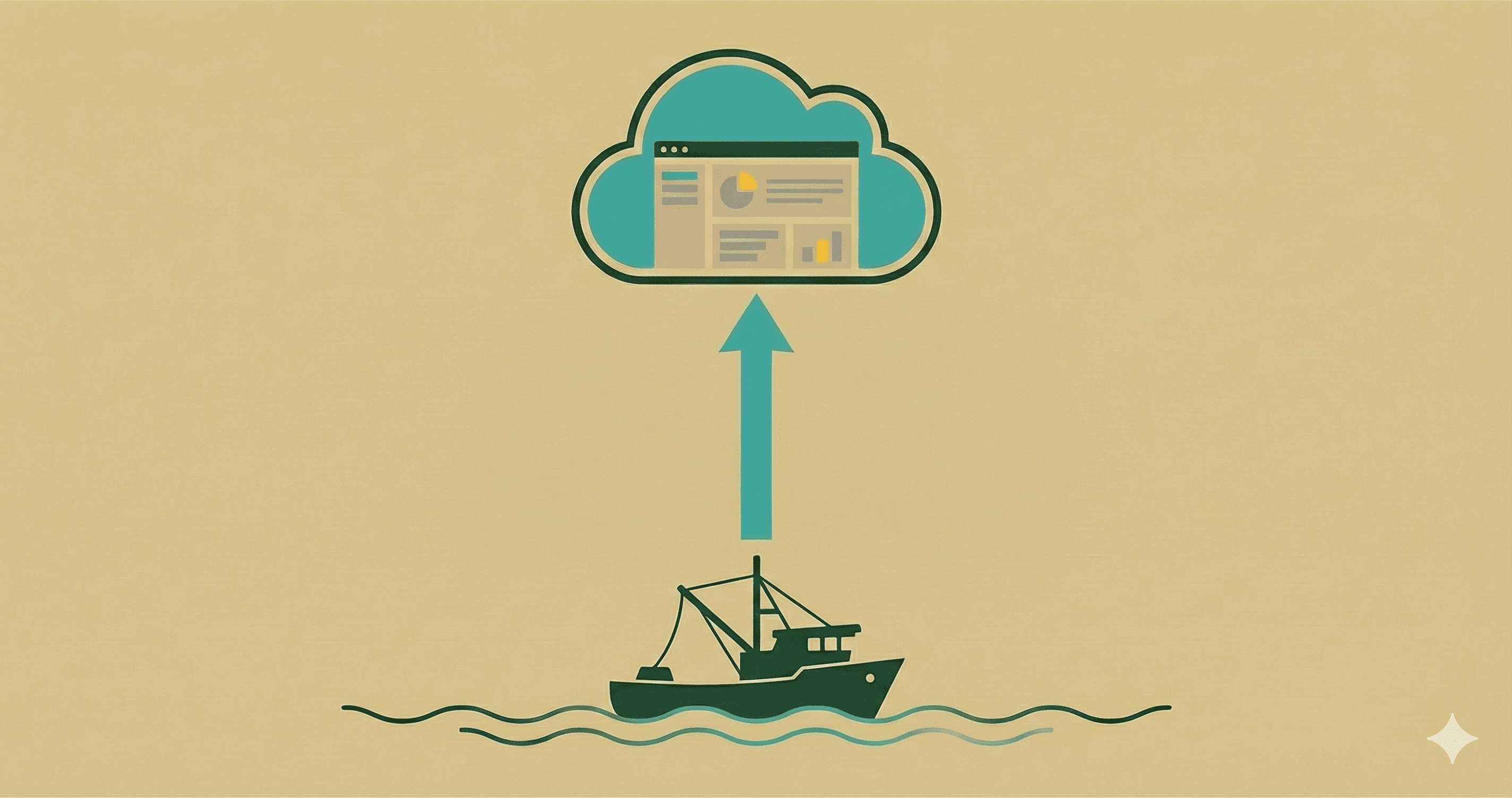
Fishing operations generate massive amounts of trip data, fuel burn, routes taken, catch details, maintenance events, crew activity, and costs. When these data points live in separate systems, operators lose control.
inecta Food ERP unifies all trip-related data into a single, connected trip record, giving fleets real-time visibility, accurate costing, safer operations, and predictable performance from departure to offload.
Trips Don’t Fail in Pieces, They Fail in Silos
Every fishing trip produces dozens of operational signals:
-
Fuel usage by day and distance
-
Routes taken and time at sea
-
Catch by species, grade, and location
-
Gear and equipment stress
-
Maintenance events and repairs
-
Crew hours and expenses
-
Quota impact and settlement implications
In many fleets, these signals live in different tools:
-
Fuel logs in one system
-
Routes in another
-
Catch in eLogs
-
Maintenance in spreadsheets
-
Costs reconciled after the trip
When data is fragmented, decisions are delayed, costs rise, and risks compound.
inecta Food ERP solves this by treating each trip as a unified operational record, not a collection of disconnected reports.
One Trip, One Record: The Foundation of Operational Clarity
In inecta, a trip isn’t just a date range, it’s a data container that ties everything together.
A single trip record includes:
-
Vessel and crew
-
Departure and return timestamps
-
Fishing areas
-
Fuel costs per trip
-
Catch by species, grade, and weight
-
Maintenance records
-
Quota deductions
-
Trip-level expenses
-
Settlement impact
Instead of reconciling data after the fact, managers see the full operational picture in context.
This eliminates the classic questions:
-
“Which fuel burn belongs to which trip?”
-
“Why did this trip cost more than expected?”
-
“Where did the margin go?”
Fuel & Routes: Turning Distance Traveled into Cost Intelligence
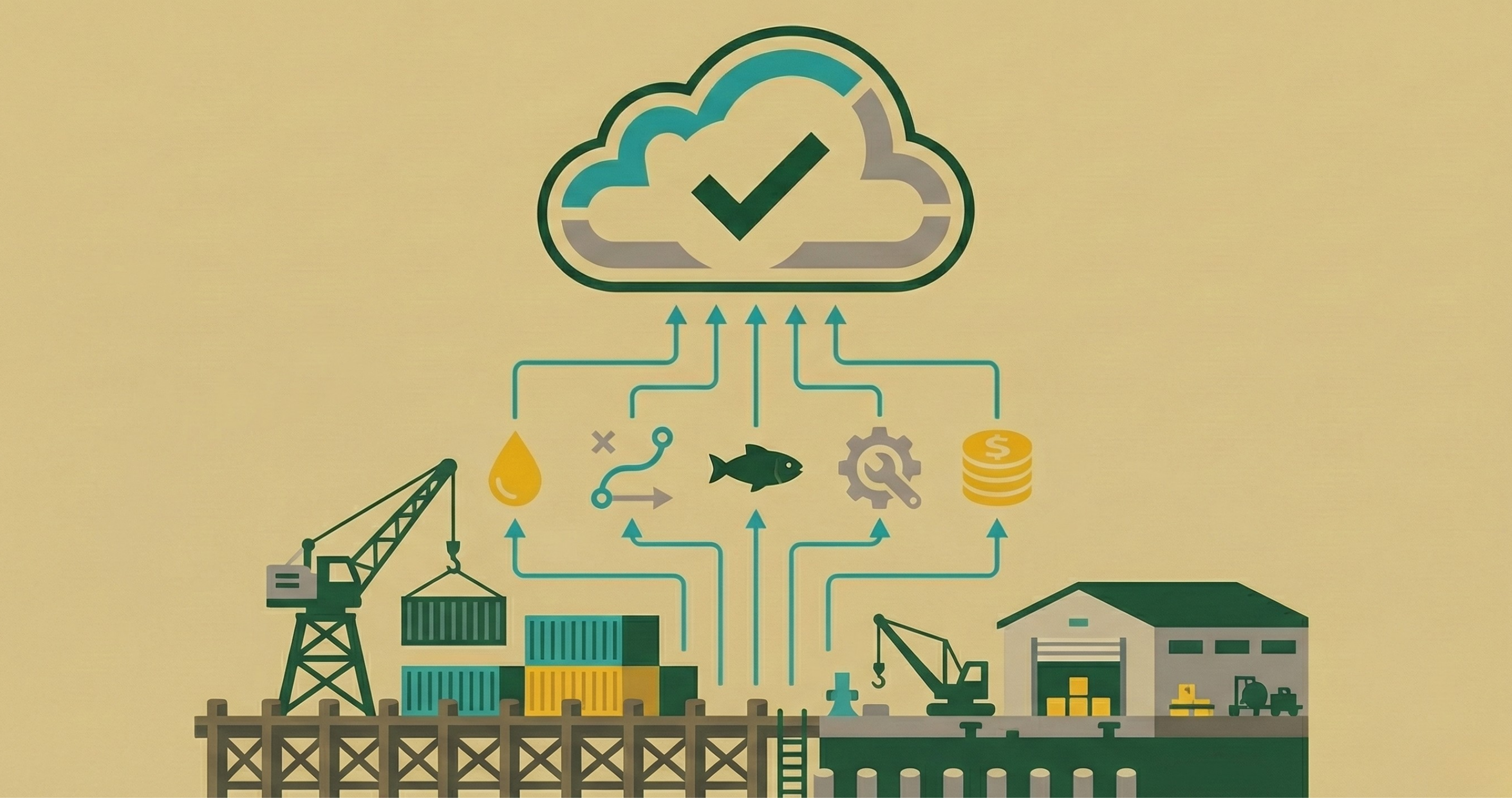
Fuel is one of the largest, and least forgiving, costs in fishing operations.
Without integrated data, fleets struggle to:
-
Compare fuel burn across routes
-
Understand cost-per-mile
-
Optimize fishing patterns
-
Detect inefficient behavior
-
Plan refueling strategies
inecta connects:
-
Fishing area data
-
Time at sea
-
Fuel costs
-
Catch results
So fleets can answer critical questions:
-
Which routes deliver the best catch-to-fuel ratio?
-
How weather impacts fuel efficiency
-
Whether detours are worth the cost
-
How routing decisions affect profitability
Fuel stops being a fixed expense and becomes a controllable variable.
Catch & Maintenance in Context, Not Isolation
Catch data tells only part of the story unless it’s tied to how the trip was executed.
inecta links catch directly to:
-
Routes taken
-
Time on grounds
-
Gear usage
-
Maintenance events
-
Crew workload
This reveals patterns like:
-
Reduced catch after equipment stress
-
Increased maintenance costs on certain routes
-
Declining efficiency tied to gear wear
-
Safety issues linked to extended trips
Maintenance events logged during a trip become operational signals, not paperwork.
Instead of reacting to failures, fleets can:
-
Predict maintenance needs
-
Schedule repairs intelligently
-
Protect equipment lifespan
-
Avoid costly breakdowns at sea
Accurate Costs, Better Decisions, Stronger Margins
When fuel, routes, catch, and maintenance are unified, costing becomes precise, not estimated.
inecta enables:
-
True trip-level cost accounting
-
Accurate cost-per-pound analysis
-
Margin visibility by trip or vessel
-
Better settlement accuracy
-
Stronger pricing and sales planning
-
Data-backed operational decisions
Every trip becomes:
-
Auditable
-
Comparable
-
Optimizable
This is how fleets move from reactive management to continuous improvement.
FAQ
1. What is a unified trip record in fisheries?
A single digital record that ties together fuel, routes, catch, maintenance, costs, and settlements for a fishing trip.
2. Why is trip-level integration important?
Because decisions about fuel, safety, and profitability require all operational data in context, not separate systems.
3. Can inecta track fuel efficiency by route?
Yes. inecta links fishing area data, fuel costs, and catch to analyze efficiency and trip economics.
4. Does trip data impact settlements and compliance?
Absolutely. Trip records feed settlement calculations, quota reporting, and regulatory documentation.
When every trip is connected, operations become smarter, safer, and more profitable.
See how inecta Food ERP transforms trip data into operational intelligence.
Learn more about inecta Seafood ERP: https://www.inecta.com/seafood-erp